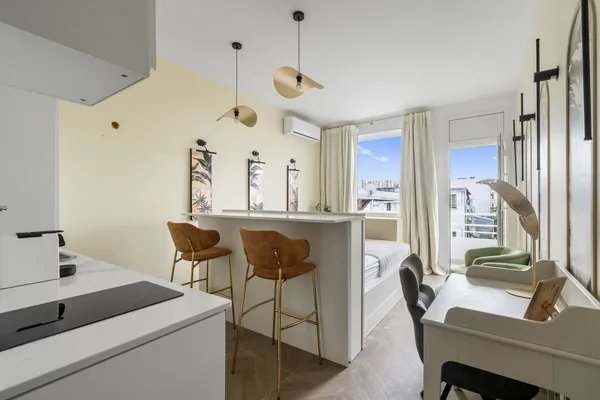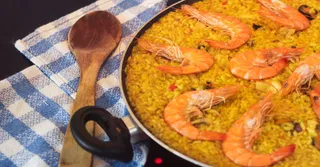
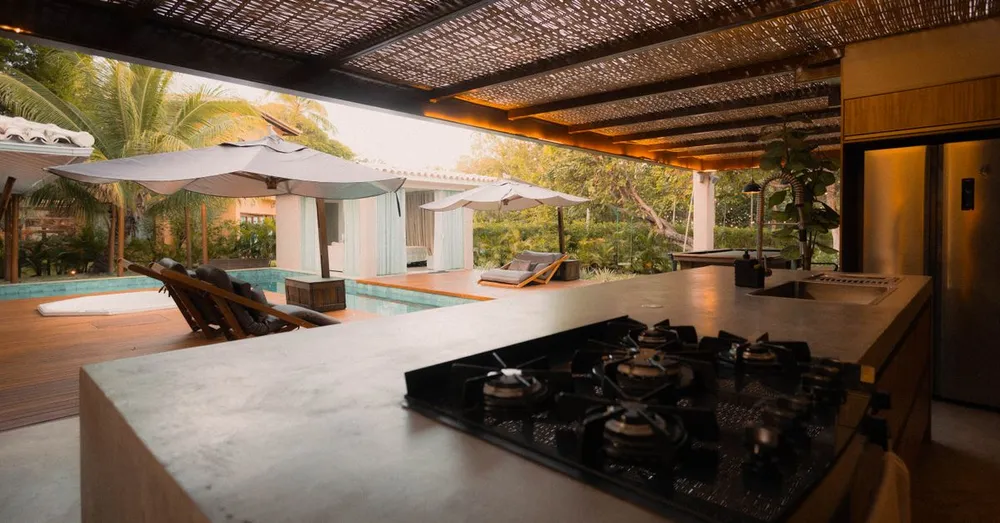
Here, the best food memories aren’t always made in restaurants. They happen around a countertop: a snapper bought at the port that morning, the bois d’Inde (West Indian bay leaf) perfuming the kitchen, the ti-punch poured while the court-bouillon simmers. After years of welcoming food-loving travellers to the island, I see it on every stay: choosing a Martinique villa rental with a fully equipped kitchen radically changes the experience. It’s cheaper, more authentic, more convivial. Here, from a local’s point of view, is what you really need to look at before booking to turn your holiday kitchen into a Creole workshop.
Why choose a rental with a genuine, fully equipped kitchen
Martinique is a culinary playground: markets overflowing with spices, fishermen landing their catch on the southern beaches, AOC agricultural rum distilleries around every bend. Everything invites you to cook for yourself.
The first argument is budget. With the octroi de mer (local import tax), eating out for lunch and dinner quickly drains your wallet: expect €15 to €25 per person for a sit-down Creole dish. For two, a week of daily restaurants easily tops €500 to €700. By cooking even one meal in two, you halve the bill. A full market basket (fish, local vegetables, fruit, spices) for two runs around €25 to €40 per day, ti-punch included.
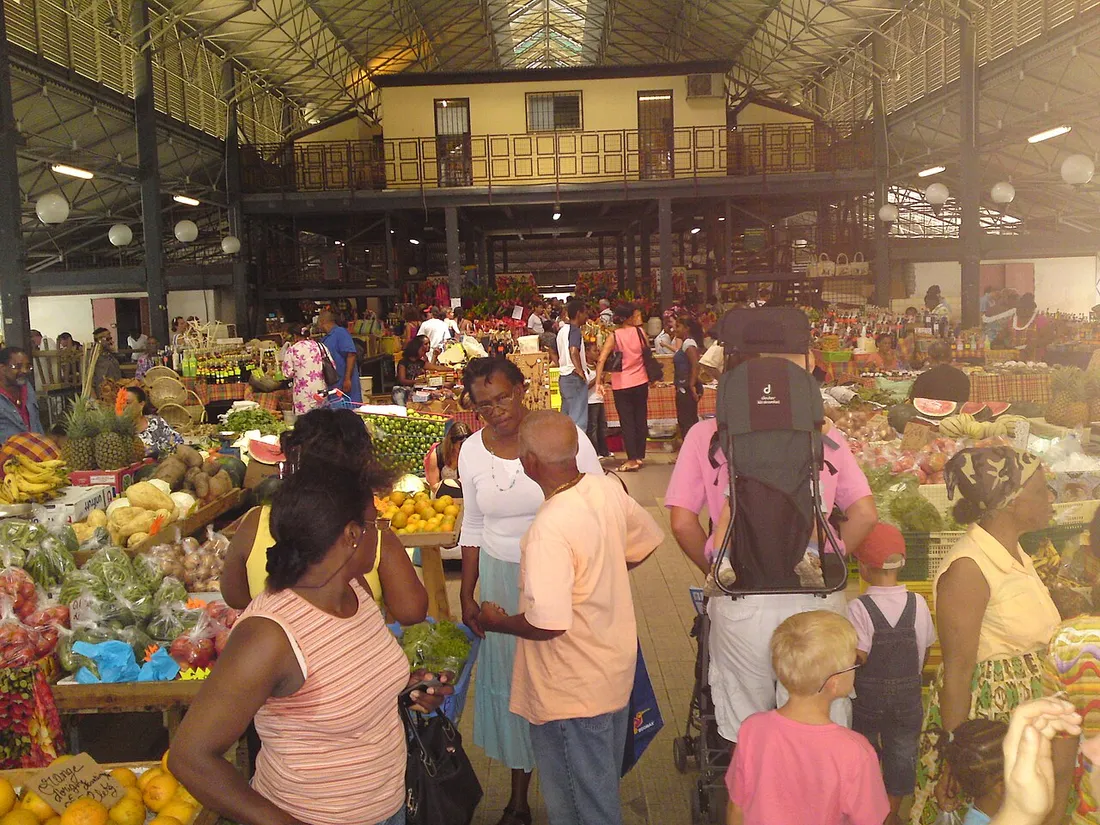
The second argument is sensory. Buying a still-glistening mahi-mahi at the François fish market, choosing your chayotes and breadfruit at the covered central market in Fort-de-France, haggling over three bay leaves and a sweet pepper with the spice seller: that’s already half the journey. A villa with a real Creole kitchen lets you carry that pleasure all the way to the plate.
Finally, it’s about freedom. With young children, getting back from Salines beach at 2 p.m., or simply wanting a light blaff with no fixed schedule, having your own kitchen beats any room service.
The concrete criteria of a truly equipped kitchen
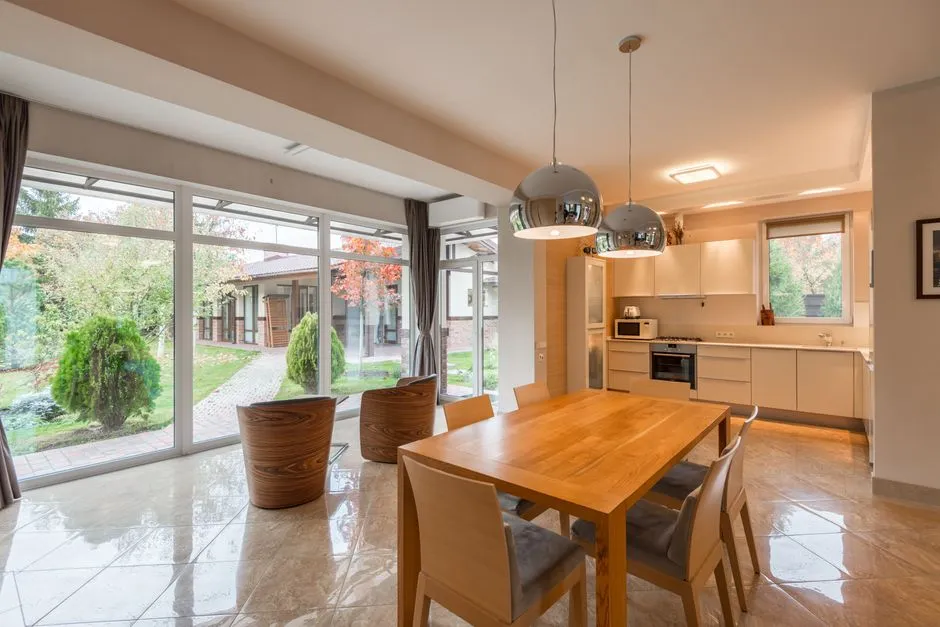
Every listing claims to have an “equipped kitchen.” On the ground, the standard varies enormously. Here’s my checklist for a Martinique foodie rental that lives up to its promises.
Appliances and major equipment
- A good-sized fridge-freezer: essential in the tropics, both for keeping fish fresh and for cold drinks and ti-punch ice cubes.
- A cooktop (gas or induction) with at least 3 or 4 burners: a court-bouillon, some rice and a pan of sautéed vegetables quickly monopolise the burners.
- An oven: handy for a chayote gratin or a baked fish, but not always present in smaller rentals; check whether it matters to you.
- A kettle and coffee maker: less picturesque, but often forgotten in listings.
The utensils that make all the difference for Creole cooking
A kitchen can be “equipped” and still leave you helpless in front of a colombo. Ask for confirmation on:
- a large pot or Dutch oven (court-bouillon, colombo and stews simmer for a long time);
- a decent frying pan for searing and frying accras;
- a pestle and mortar or a blender for marinades and sauce chien;
- a knife that actually cuts and a sturdy board (reality: this is the most common weak point);
- a colander, a grater (for coconut and nutmeg), and a citrus press for zest and lime juice.
Serving comfort and the terrace
Cooking is good; eating outside facing the garden is better. Check for a proper, shaded terrace table, enough tableware, and a windbreak if the villa is exposed to the trade winds (at Le Diamant or Tartane, the wind can carry off a tablecloth). A summer or outdoor kitchen is a real plus so you don’t overheat the interior.
The barbecue and outdoor kitchen: a local must-have
If there’s one piece of equipment not to overlook for a food-focused stay in Martinique, it’s the barbecue. Grilling is part of the Caribbean way of life: a whole fish brushed with annatto oil, smoked-chicken skewers, lobster on feast days.
Three points to clarify before booking:
- Type of barbecue: charcoal (the authentic flavour, but you’ll need to plan for fuel) or gas (simpler).
- Location and safety: a barbecue under a pergola, sheltered from the wind, changes everything. Ask about any restrictions during the dry season, when fire risk is high.
- Accessories: tongs, a clean grate, firelighters. Once again, these are wrongly taken for granted.
Resident’s tip: buy your fish in the morning (the François market, the Le Diamant port, or the fishermen of Sainte-Anne), ask for it to be gutted and scaled on the spot, and grill it that same evening.
Where to rent according to your food project
Your choice of town shapes your daily cooking. A few local pointers:
- Sainte-Anne and Le Marin (southern Caribbean coast): Salines and Pointe Marin beaches, the renowned Marin market, accessible fishermen. The perfect base for a beach-and-barbecue stay.
- Les Trois-Îlets: very well located, with a ferry to Fort-de-France for the big market and distilleries and restaurants nearby (Trois-Rivières, La Mauny to the south).
- Le François (Atlantic coast): white-sand shallows, Joséphine’s Bathtub and ultra-fresh fish. The Habitation Clément is a stone’s throw away for rum.
- Le Carbet / Saint-Pierre (northern Caribbean coast): a nature vibe, black sand, the Depaz distillery, more low-key markets. Expect a slightly more humid climate.
In every case, a car remains strongly recommended: the best markets and fishing ports take some effort to reach. Aimé Césaire airport (in Le Lamentin) is central, about 40 minutes from both Sainte-Anne and Saint-Pierre.
When to come to make the most of market produce
The best window is the Carême, the dry season from December to April: well-stocked markets, ideal weather for grilling on the terrace, and carnival (February–March), which brings its festive specialities. It’s also the time when an outdoor kitchen makes the most sense.
Keep produce seasonality in mind: mangoes (Julie, in abundance over the summer from July to September), conch only outside its fishing closed season (October to February), and passion fruit and soursop depending on what comes in. A Martinique market is lived in the present: you cook whatever looks beautiful that day.
Cooking Creole at home: 3 easy ideas to try
You don’t need to be a chef. With an equipped kitchen and a market basket, these classics are within reach:
- The perfect ti-punch: white AOC agricultural rum, a dash of cane syrup, a twist of lime zest. To be prepared before the aperitif, never after the meal (tradition!). Enjoy in moderation.
- Grilled fish with sauce chien: a snapper on the barbecue, with a sauce chien (local onion, parsley, garlic, chilli and lime scalded with hot water) pounded in the mortar. Unbeatable.
- Express blaff: poach fish steaks in a broth of lime, garlic, local onion and bay leaf. Ready in 20 minutes.
Add an avocado féroce to start and a fried plantain on the side, and you’ve got a real homemade Creole meal.
Booking your villa with an equipped kitchen at Hostel Toucan
To experience Martinique through its cuisine, you’re better off with a carefully selected place that’s honest about its equipment. At Hostel Toucan, we visit the properties in person and spell out what really matters: the standard of the kitchen, the utensils, and whether there’s a barbecue and a terrace. Discover our seasonal rentals in Martinique, with direct booking and no platform fees, free cancellation up to 7 days before arrival, and 7-day WhatsApp support to point you to the right market of the day or the local fisherman.
Want to plan your whole gourmet trip? Our complete Martinique guide covers beaches, distilleries and hikes. And if you own a property on the island and want to showcase it to food-loving travellers, discover our concierge service for owners.
All that’s left is to light the fire. Bon manjé!
FAQ
What does “equipped kitchen” really mean in a Martinique rental?
At a minimum the term covers a fridge, a cooktop and a sink, but the actual standard varies a lot. To cook Creole, check for a large pot or Dutch oven, a good knife, a blender or mortar for marinades, and ideally a barbecue. At Hostel Toucan, we detail the equipment of each property to avoid nasty surprises.
Is it cheaper to cook for yourself than to eat out?
Clearly so. A dish at a Creole restaurant costs €15 to €25 per person, whereas a full market basket (fish, local vegetables, fruit, spices) comes to €25–40 per day for two. Over a week, alternating home cooking and restaurants can cut your food budget by several hundred euros, while eating ultra-fresh produce.
Where can I buy good produce to cook in Martinique?
The covered central market in Fort-de-France for spices and local vegetables, the François and Marin markets for fish, and directly from the fishermen on the southern beaches (Sainte-Anne, Le Diamant) in the late morning. Ask for the fish to be gutted and scaled on the spot. A car is strongly recommended for reaching the best addresses.
Is a villa with a barbecue really worth it?
Yes, it’s even a local must. Grilling is part of the Caribbean way of life: whole fish, skewers, smoked chicken. Go for a barbecue sheltered from the wind (useful at Le Diamant or Tartane) and check that the accessories are there. Watch out for possible fire restrictions in the height of the dry season.