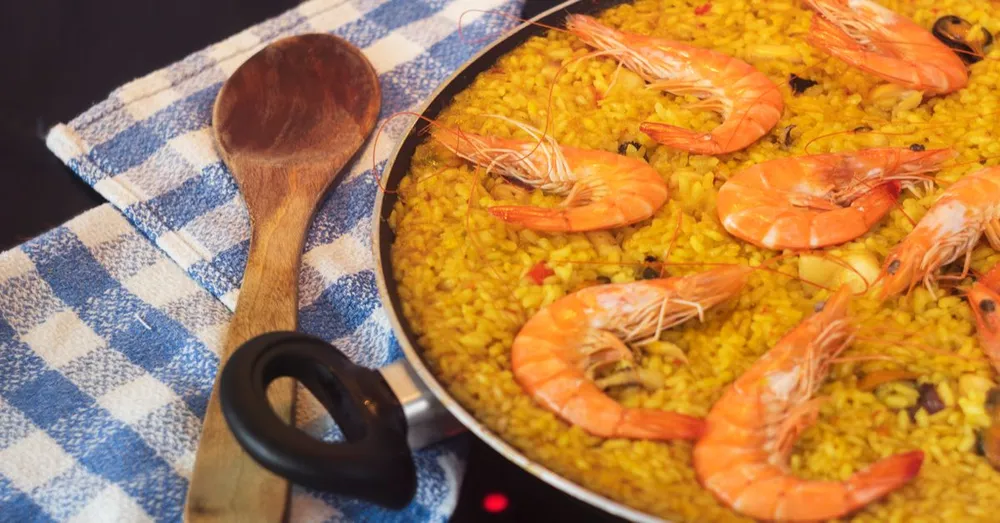
You rarely leave Martinique without one craving: recreating at home that melt-in-the-mouth colombo or those crispy accras you tasted at a local lolo. The best way to get there is to roll up your sleeves on the island itself. A Creole cooking class in Martinique is, in my eyes as a resident, one of the most rewarding activities of any stay: you learn real techniques, you bring home recipes for life, and you share a genuine moment with an island cook. But between table d’hôtes, private chefs and beachside workshops, the offering is wide and prices vary a lot. Here is my honest comparison to help you book the right class, at the right price.
Why take a Creole cooking workshop during your stay
Martinican Creole cuisine is a blend: African foundations, Indian heritage (the famous colombo), European touches and Caribbean produce. It’s hard to decode on your own in front of a market stall. A Creole cooking workshop gives you the keys that online recipes leave out:
- Recognising and dosing local spices: bay-rum leaf (bois d’inde), colombo powder, the vegetarian chilli (fragrant, not hot), annatto (roucou), massalé.
- Mastering the techniques: working up an accras batter that puffs, nailing a sauce chien, filleting a fish, taking the bitterness out of breadfruit.
- Understanding the produce: yam, dasheen, chayote, breadfruit, pumpkin (giraumon) — all those local vegetables you don’t dare buy when you don’t know how to cook them.
- Leaving with a recipe notebook adapted to what you can find back home.
It’s also an excellent food and dining activity in Martinique on rainy or rough-sea days, and a sociable moment to share as a couple, a family or among friends.
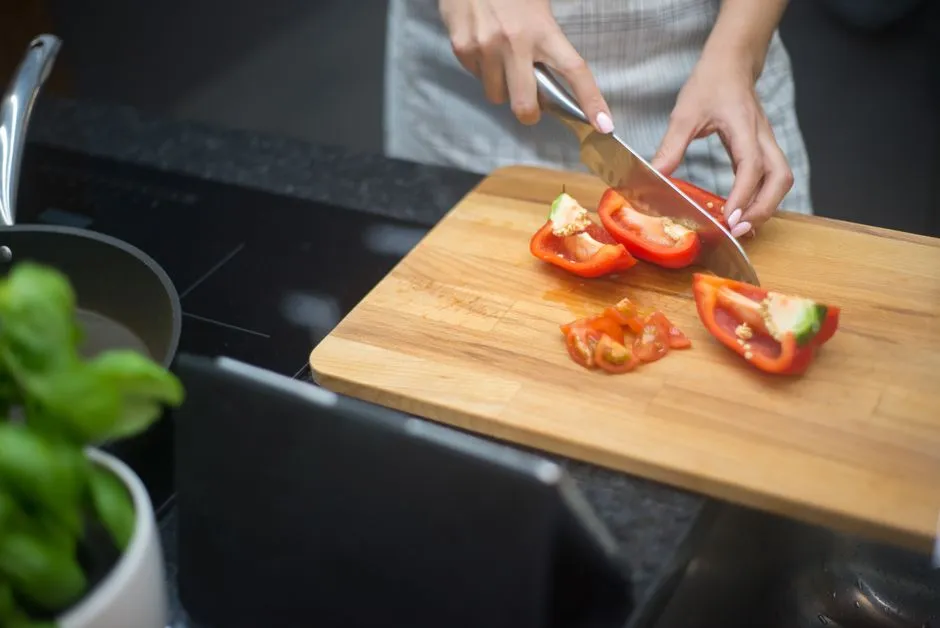
The main types of Creole cooking class in Martinique
Not all workshops are alike. I distinguish four formats, each with its own pricing and atmosphere.
1. The group workshop at a host’s home or table d’hôtes
The most common and warmest format. A cook welcomes you into their home, often in the Creole garden, to prepare a full menu that everyone enjoys together at the end.
- Price: €60 to €95 per person, meal and drinks (ti-punch, local juices) included.
- Length: 3 to 4 hours, tasting included.
- Group: 4 to 10 participants.
- Ideal for: immersion and connection, at a reasonable price.
2. The private chef in your rental
The chef comes to your villa or apartment, does the market shopping for you (or with you) and runs the class in your own kitchen. Very popular for groups or families.
- Price: €90 to €150 per person, or a flat rate of €350 to €600 for a small group, shopping included.
- Length: 3 to 5 hours.
- Ideal for: groups staying in a rental with a fully equipped kitchen who want a tailor-made experience without going anywhere.
3. The short themed workshop (accras, ti-punch, Creole pastries)
A lighter, more focused option: you learn one specific specialty. Perfect for a quick introduction.
- Price: €35 to €60 per person.
- Length: 1 hr 30 to 2 hr 30.
- Ideal for: tight budgets, short stopovers or a first taste before cooking on your own.
4. The “market + cooking” class
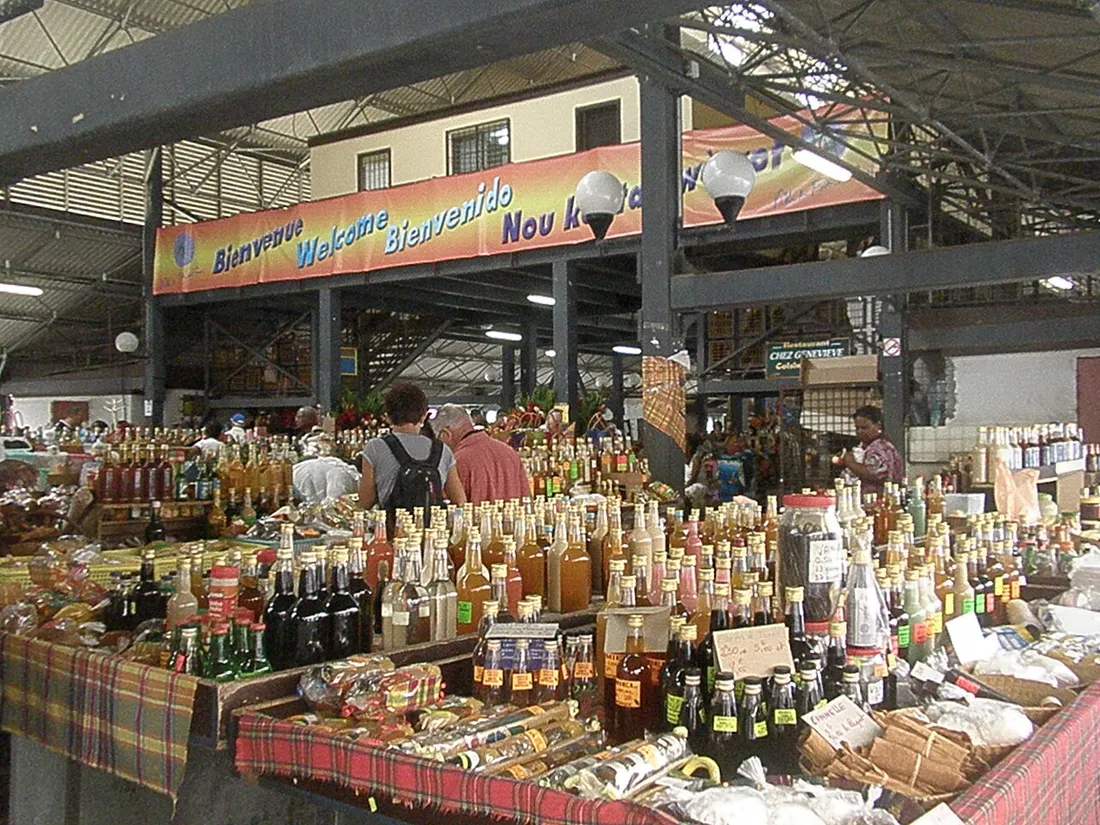
The most complete format, which I recommend to the truly curious. The morning starts at the market (often the covered Grand Marché in Fort-de-France or a southern market) to choose the produce, then you cook and sit down to eat.
- Price: €95 to €140 per person, market and lunch included.
- Length: half a day, 4 to 5 hours.
- Ideal for: understanding the whole chain, from producer to plate.
Prices and formats compared at a glance
| Format | Price / person | Length | Group | Who it’s for |
|---|---|---|---|---|
| Group workshop / table d’hôtes | €60–95 | 3–4 hrs | 4–10 | Sociable immersion |
| Private chef | €90–150 | 3–5 hrs | private | Groups, families in a villa |
| Short themed workshop | €35–60 | 1 hr 30–2 hr 30 | 4–12 | Small budget, short stopover |
| Market + cooking | €95–140 | 4–5 hrs | 4–8 | Curious minds, full experience |
Good to know: these ranges reflect prices charged on the island in 2026. Expect a reasonable high-season surcharge (the dry season, or Carême, from December to April, and the carnival period in February-March), when slots fill up fast.
What do you cook during a class? The typical menu
Whatever the format, you’ll find the pillars of the Creole table. A classic workshop menu often runs through:
- Starter: the essential salt-cod accras, and sometimes an avocado féroce or a Creole black pudding (boudin).
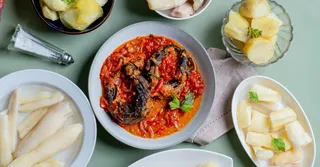
- Main: a chicken or goat colombo, or a fish in court-bouillon / blaff, with rice, red beans and local vegetables.
- The sides: the sauce chien (onion, parsley, lime, chilli), a chayote gratin, fried plantains.
- Dessert: coconut blanc-manger, coconut flan or tourment d’amour.
- To drink: you also learn to make a proper ti-punch (AOC agricultural rum, cane syrup, lime).
A good colombo-and-accras class sends you home having mastered both recipes, plus the knack for sauce chien: those alone justify the workshop.
What language are the classes held in?
It’s a frequent question. As Martinique is a French overseas department, nearly all the workshops are held in French, with the cook happily peppering in a word of Creole (the everyday language on the island). For an English-language stay:
- Several private chefs and table d’hôtes in the South (Trois-Îlets, Sainte-Anne, Le Marin) offer the class in English on request.
- State it when you book: a bilingual workshop takes preparation, especially in a group.
Where to book a class depending on where you’re staying
The offering logically clusters where travellers sleep. A few pointers by area:
- Les Trois-Îlets and Pointe du Bout: the area best stocked with workshops and private chefs, 30 minutes from Fort-de-France or a ferry crossing away.
- Sainte-Anne, Le Marin, Sainte-Luce (the Grand Sud): plenty of table d’hôtes and “market + cooking” classes, in the land of lolos and rum distilleries.
- Fort-de-France and around: ideal for the market format, starting from the covered Grand Marché.
- Le Carbet, Saint-Pierre (the Caribbean North): a more low-key but authentic offering, to pair with a visit to the ruins of Saint-Pierre and Mount Pelée.
How to book, and our tips for choosing well
Booking a Creole cooking class in Martinique is done mostly online, through experience platforms, the chefs’ own sites, or via your host. My local reflexes:
- Plan ahead in high season: for December-April, book your slot 2 to 3 weeks in advance. Small workshops sell out quickly.
- Read recent reviews and check that the menu, length and language are spelled out in black and white.
- Confirm what’s included: meal, drinks, shopping, apron, recipe notebook.
- Flag allergies and diets (gluten-free, vegetarian): Creole cuisine adapts easily with a little notice.
- Have cash on hand for small providers and market purchases; the euro is the currency of this French department (dialling code +596).
- Think car: most venues aren’t reachable by public transport. Renting a vehicle is strongly recommended on the island.
Cooking it yourself: the workshop extended into your rental
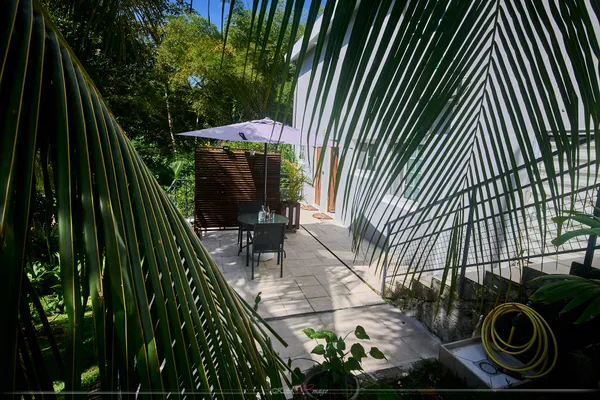
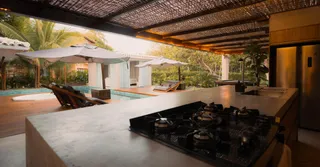
The best follow-up to a class is to make the recipes that very evening with your own market haul. For that, you need a proper kitchen. That’s the whole point of staying in a well-equipped place: hob, oven, utensils, and ideally a terrace with a barbecue for grilled fish.
At Hostel Toucan, we hand-pick holiday rentals in Martinique designed for food lovers, many with a full kitchen and an outdoor dining corner. Booking directly on our site means:
- No platform fees: you pay the fair price, not a booking giant’s commission.
- Free cancellation up to 7 days before arrival, because a stay in the Caribbean should stay flexible.
- WhatsApp assistance 7 days a week: one message, and we’ll recommend the best-placed Creole cooking workshop near your rental, or the local cook just round the corner.
To plan the rest of your trip, browse our complete guide to Martinique. And if you own a property on the island you’d like to make the most of, discover our concierge service for owners.
A class in the morning, the market the next day, and your rental kitchen filling with the scent of colombo: that, to my mind, is the finest way to bring a piece of Martinique home. Bon manjé!
FAQ
How much does a Creole cooking class in Martinique cost?
Budget €35 to €60 per person for a short, focused workshop (accras, ti-punch), €60 to €95 for a group table d’hôtes class with a meal included, and €90 to €150 per person for a private chef or a “market + cooking” formula. Drinks and the meal eaten at the end are generally included. Allow a small surcharge in high season, from December to April.
How long does a Creole cooking workshop last?
It depends on the format: 1 hr 30 to 2 hr 30 for a short themed workshop, 3 to 4 hours for a group class with a tasting, and half a day (4 to 5 hours) for a complete formula including the market. Tasting the menu you’ve prepared is almost always part of the stated length.
Are the classes held in French or English?
As Martinique is a French overseas department, almost all the workshops are held in French, with a few words of Creole. Several private chefs and table d’hôtes in the South do offer the class in English, however: simply mention it when you book, especially for a group.
What do you cook during a Creole cooking class?
The typical menu runs through salt-cod accras to start, a chicken or goat colombo (or a fish in court-bouillon) for the main, with rice, local vegetables and sauce chien, then a Creole dessert such as coconut blanc-manger or tourment d’amour. Many workshops also teach you to make a proper ti-punch with AOC agricultural rum. Remember to book 2 to 3 weeks ahead in high season, from December to April.