When people think about rental investment in Guadeloupe, the instinct is usually Grande-Terre: Sainte-Anne, Saint-Francois, Le Gosier and their turquoise lagoons thirty minutes from Pole Caraibes airport. Yet at the other end of the butterfly-shaped archipelago, a fishing village nestled between sea and mountain plays an entirely different tune. Vacation rentals in Deshaies don’t target mass beach tourism: they attract a nature-loving, more mature clientele that books for longer and pays for authenticity. Having been based on the leeward coast for several years now, here’s why Deshaies is, in our view, one of the most compelling premium niches on the island for an upscale rental.
Deshaies, a Micro-Market of Its Own on the Leeward Coast
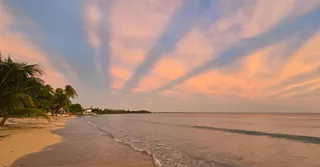
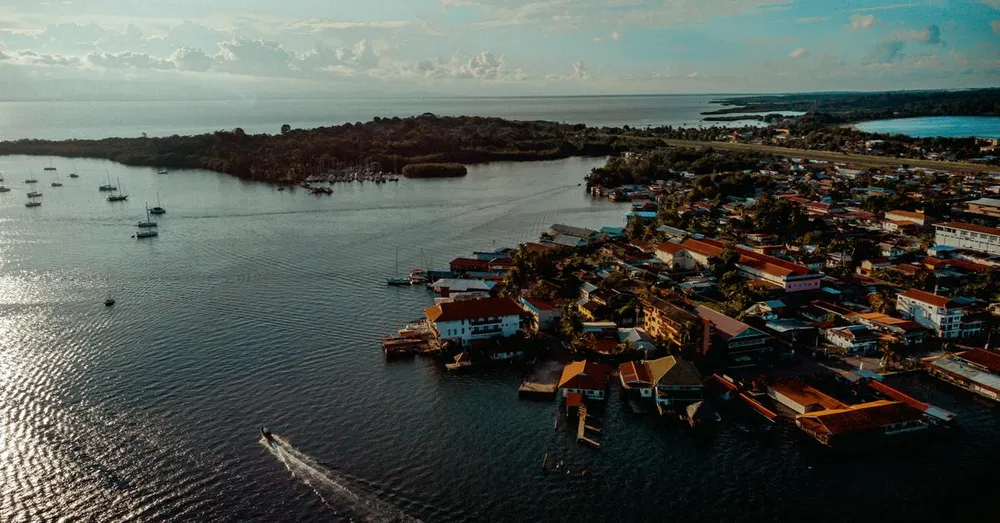
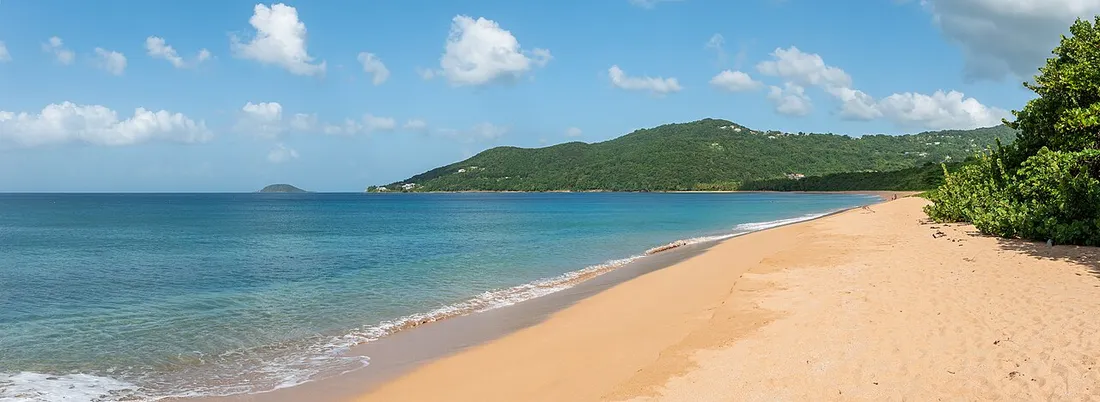
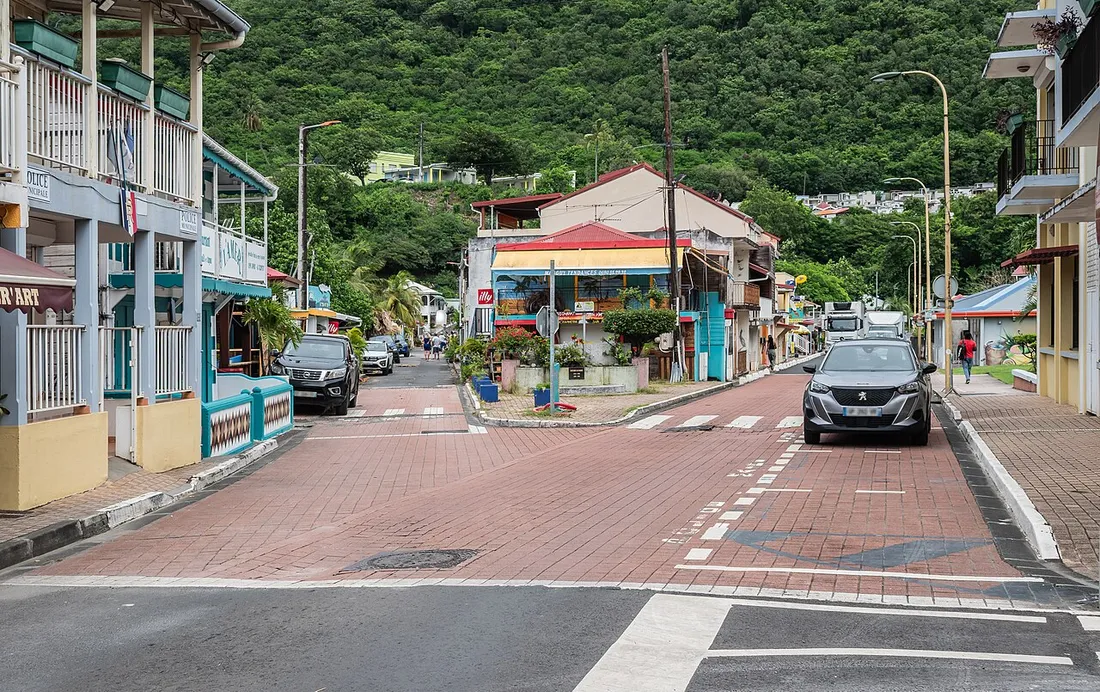
Deshaies (pronounced “De-ay”) sits at the far northwest tip of Basse-Terre, on that Caribbean-facing shore sheltered from the trade winds known as the leeward coast. There are no vast flat lagoons or resorts here: a colorful village, a bay where sailboats lie at anchor, green hills tumbling down into a calm sea. The setting served as the backdrop for the series Death in Paradise, which made the town famous far beyond the Caribbean.
Three features make a vacation rental in northern Basse-Terre a market distinct from the rest of Guadeloupe:
- Scarce land. Squeezed between the National Park and the sea, the town offers few buildable plots; the supply of rentals stays limited, which props up both rates and occupancy.
- A self-selecting clientele. Nobody comes to Deshaies by chance: it’s a 50 to 60-minute drive from the airport (versus 30 to 40 for Sainte-Anne). That “filter” weeds out the rushed traveler.
- The nature label. Grande Anse, the botanical garden, La Perle beach, the Cousteau Reserve at Malendure: Deshaies ticks every box of green and marine Guadeloupe.
To place this town within the wider archipelago, our complete guide to Guadeloupe breaks down, wing by wing, what travelers are looking for.
The Profile of Travelers Who Book in Deshaies
Understanding who rents here is the key to positioning a property. Four dominant profiles, quite different from the Grande-Terre clientele, stand out.
The Nature-Loving Couple, 35-60
This is the core target. Hikers of La Soufriere (1,467 m) and the Carbet Falls, divers of the Cousteau Reserve, garden enthusiasts. They stay 8 to 14 nights and value a sea view and a terrace more than an infinity pool.
The Family Seeking Slow Tourism
Less common than in Sainte-Anne, but loyal. They alternate between Grande Anse beach, river swimming (Cascade aux Ecrevisses, 25 minutes away) and excursions to Les Saintes or Marie-Galante, and prefer a house with an enclosed garden over a marina apartment.
The Diver and the Reef Lover
The Cousteau Reserve and the Pigeon Islets, reachable from Malendure (20 minutes south), are a world-class spot for snorkeling and level-1 diving. A rinsing corner to dry wetsuits makes a real difference in reviews.
The Remote Worker and the Long Stay
Deshaies also attracts 3 to 6-week stays in the low season: wintering retirees, remote workers, scouting teams. Golden bookings that fill the gaps, provided the internet is reliable.
Seasonality in Deshaies: A Calendar Worth Knowing
On a well-managed and well-photographed rental, aim for 60 to 72% annual occupancy, slightly below the Grande-Terre lagoons but with longer stays and a higher average spend.
December to April: The Dry Season, the Peak
The dry season (careme) is the absolute high season: blue skies, glassy seas, a dream period for hiking and diving. Rates up 30 to 50%, with a minimum stay of 5 to 7 nights. The year-end holidays and February (Carnival) book 6 to 9 months ahead.
May-June: The Premium Shoulder Season
The sea is still calm, the vegetation lush, the crowds thin. A clientele of couples without children: rather than slashing prices, target “long-stay” offers.
July-August: The Family and Diaspora Peak
The year’s second peak, driven by mainland families and the diaspora. The wet-season showers are short and fall in the morning: the stay isn’t “ruined,” contrary to a common misconception.
September to Mid-November: The Lull to Exploit
The heart of the hurricane and wet season: this is the time for long stays and major maintenance work. A property closed for two weeks in October to refresh paint and bedding costs far less than a breakdown in February. A selling point to highlight all year long in the listing: the leeward coast is very rarely affected by sargassum, unlike the Atlantic side of Grande-Terre.
Why an Upscale Rental Makes Sense in Deshaies
The Deshaies traveler is after an experience, not the lowest price. That’s the whole appeal of investing on the leeward coast rather than in a saturated beach market.
What Drives Up the Nightly Rate
- The sea or bay view, due west, with sunsets plunging into the Caribbean Sea: the town’s number-one differentiator.
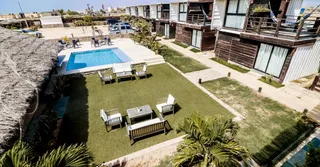
- A genuine shaded terrace for the evening ti-punch, valued here more than a large lawn.
- “Nature” comfort: an outdoor shower, storage for diving and hiking gear, tasteful Creole decor.
- A solid internet connection, without which you lose the long-stay clientele.
Ballpark figures observed in 2026: a 2-3 bedroom house with a sea view rents for 180 to 320 € a night in the dry season, versus 110 to 170 € in the wet season. Land remains more affordable than in Saint-Francois (300,000 to 550,000 € for a villa with a view), for a yield comparable to the Grande-Terre lagoons.
Star Rating and Direct Booking, Two Margin Levers
Getting your rental classified (the famous stars) doubles the micro-BIC tax allowance and reassures the premium traveler. And selling direct rather than via Airbnb or Booking saves 15 to 18% in commissions, on a coast where the clientele often returns.
The Points to Watch Specific to Deshaies
Investing here means knowing a few often-underestimated local constraints.
- Remoteness. Shops are limited to the village; the nearest full supermarket is in Sainte-Rose (25 minutes): a welcome basket more than makes up for it.
- Humidity. The nearby rainforest keeps humidity high; without regular airing, a closed-up property quickly takes on a musty smell.
- Mountain roads. Access to the hillside villas can be steep and narrow: worth spelling out in the listing to avoid surprises.
- Regulations. Registration at the town hall is mandatory before the first booking; the town-by-town detail is in our owner guides.
None of these is a deal-breaker: it’s precisely these constraints that preserve the character of Deshaies and keep the competition at bay.
The Hostel Toucan Approach for a Property in Deshaies
At Hostel Toucan, we manage vacation rentals in the French overseas territories: in a niche market like the leeward coast, it’s deep local knowledge that drives profitability, not volume. In concrete terms:
- Direct booking with no platform fees: travelers book on our site and you recover the margin the OTAs would have taken.
- Free cancellation up to 7 days before arrival: decisive for a clientele planning hikes and dives that wants flexibility.
- WhatsApp support 7 days a week: sea conditions at Grande Anse, the time of a Cousteau outing, the key-box code — a quick answer, in the right time zone (-5h in winter, -6h in summer vs Paris).
- A local team that knows how to position a Deshaies property for the right clientele rather than in generic listings.
Looking for a nature base for your vacation? Browse our rentals in Guadeloupe. Do you own a property in Deshaies, Bouillante or elsewhere on the leeward coast? Head to our owners page: a free, no-obligation income estimate based on comparable properties in your area.
FAQ
Is Deshaies a good place to invest in vacation rentals?
Yes, provided you target the right clientele. Deshaies isn’t a mass beach market but a premium nature niche: hiking couples, divers, long stays. Land here is more affordable than in Saint-Francois and the coast is almost entirely spared by sargassum.
What’s the difference compared with a rental in Sainte-Anne or Saint-Francois?
Grande-Terre (Sainte-Anne, Saint-Francois) targets beach tourism: turquoise lagoons, family beaches, airport proximity, short stays. Deshaies, on Basse-Terre, attracts a nature-loving clientele that stays longer (8 to 14 nights) and values calm and the view over a pool, for an often lower property entry price.
When is the best time to rent out a property in Deshaies?
The high season runs from December to April (dry season), with peaks at the year-end holidays and in February. July-August forms a second family peak. The lull from September to mid-November fills up with long stays and remains ideal for maintenance work.
Do you need a car to rent in Deshaies?
Yes, it’s essential. The town is 50-60 minutes from Pole Caraibes airport, shops are limited to the village, and beaches and natural sites are reached by car — information to give travelers right from the booking.