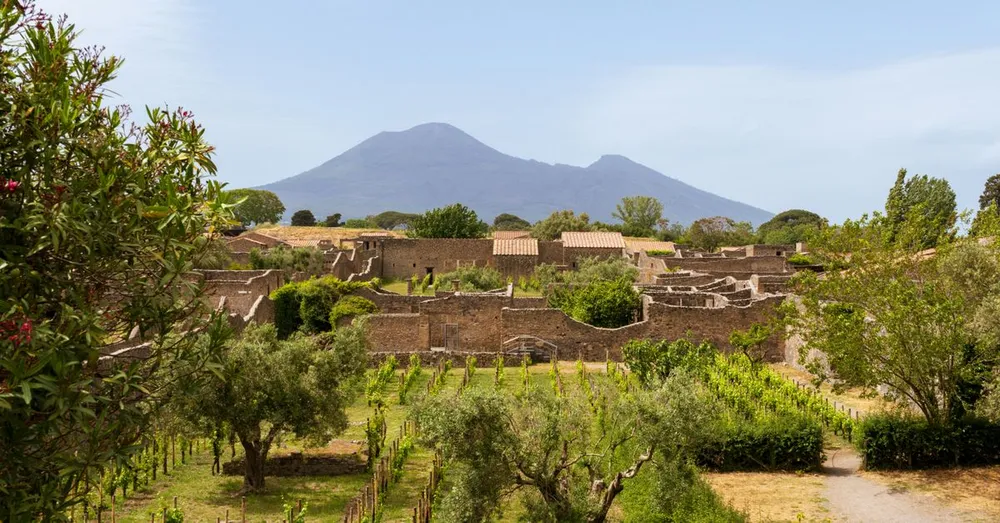
Every year, in the month of May, a small town in the north of Martinique holds its breath. In Saint-Pierre, at the foot of Mount Pelée, the May 8 commemoration recalls the morning in 1902 when a glowing cloud of gas and ash erased in a matter of minutes what was then called the “Little Paris of the Caribbean,” claiming nearly 28,000 lives. Here, memory isn’t frozen in a history book: it is lived, in the narrow streets, along the seafront, and amid the ruins listed as Historic Monuments.
As a resident of the island, I’ve attended several of these days of remembrance. What struck me was the rightness of the tone: neither folklore nor heavy sadness, but a rare collective dignity. Here is our local guide to understanding and experiencing the commemoration of the 1902 eruption in Saint-Pierre, and to enjoying a form of memorial tourism still too often overlooked by classic itineraries.
Why May 8 is a sacred date in Saint-Pierre
On the morning of May 8, 1902, the eruption of Mount Pelée reached its climax. In less than three minutes, a flow of gas and incandescent ash hotter than 1,000°C swept down the slopes and engulfed the town. The economic and cultural capital of Martinique, with its theater, its tramway, and one of the most active ports in the Caribbean, Saint-Pierre vanished almost entirely. Only a handful of survivors were counted, including the famous Cyparis, a prisoner saved by the thick walls of his cell.
More than a century later, the rebuilt town coexists with its remains. May 8 is not just a date on the calendar: it is an intimate appointment between the people of Saint-Pierre and their past. The May 8 commemoration blends official reflection, family memory, and transmission to new generations. For the visitor, it is a unique chance to grasp the soul of a place that guidebooks too often reduce to mere “ruins.”
A listed town, an exceptional volcano
Saint-Pierre holds layers of heritage recognition: the City of Art and History label, remains listed as Historic Monuments, and the inscription of the volcanoes and forests of Mount Pelée on the UNESCO World Heritage List. Attending the commemoration therefore also means visiting an exceptional site, in a setting where nature and history are in constant dialogue.
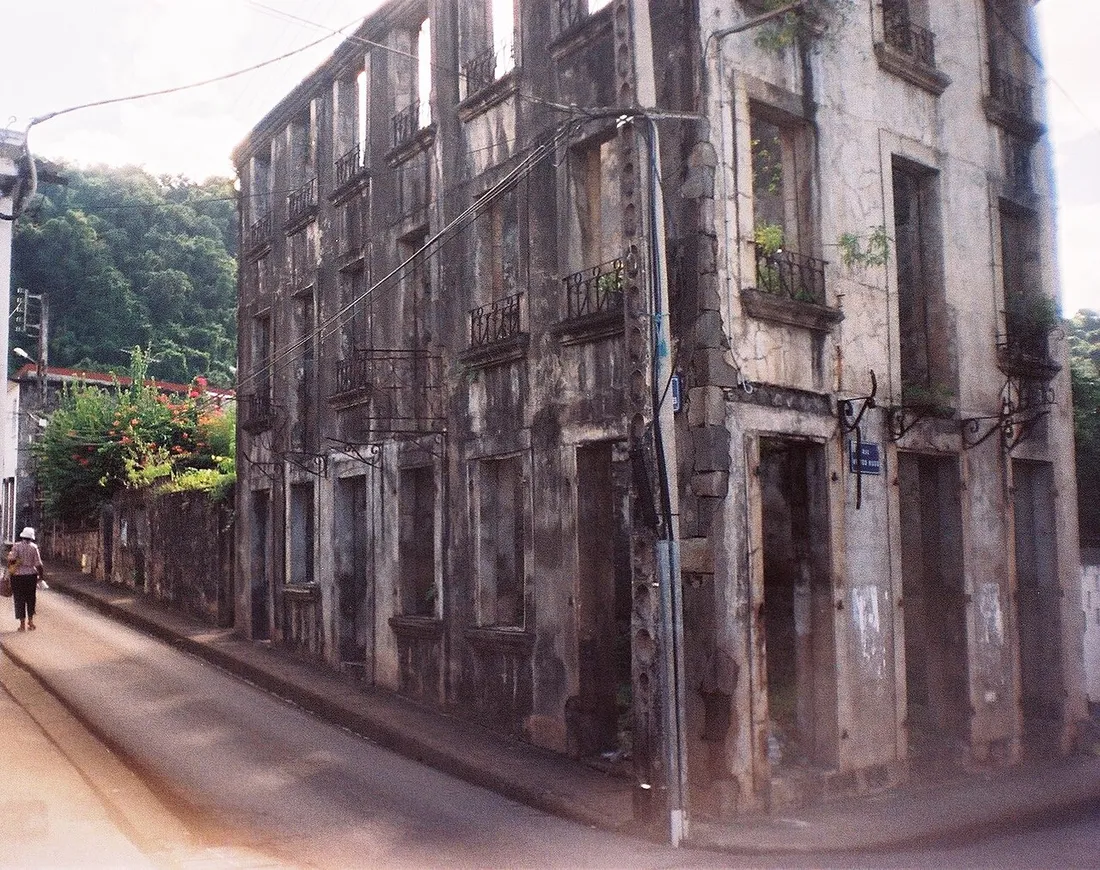
The program of the 1902 eruption commemoration
The program varies from one year to the next depending on the municipality and the memorial associations, but a consistent framework returns. Here is what you can generally expect around May 8.
- Mass and religious ceremony: a service is held, often at the rebuilt cathedral or outdoors, in memory of the victims.
- Wreath-laying: local authorities lay wreaths before the war memorials and at the symbolic sites of the disaster.
- Tribute at sea: flowers are cast into the bay, where the wrecks of ships sunk on the morning of the eruption still rest. A particularly moving moment.
- Remembrance walk: a procession sometimes links the main places of memory, from the seafront to the heights of the Figuier district.
- Vigil and readings: in some years, vigils, readings of period testimonies, or screenings round out the evening program.
- Cultural activities: temporary exhibitions, lectures by volcanologists or historians, and sometimes concerts of sacred or traditional music.
Good to know: the detailed program is published a few weeks in advance by the Saint-Pierre town hall and the heritage associations. Check the exact times before coming, as they change each year. Most ceremonies are free and open to all, in a spirit of respectful reflection.
What makes this Saint-Pierre event unique
Unlike a festival, the commemoration does not seek to entertain. That is its strength. You’ll cross paths with families whose ancestors perished, volcanology enthusiasts from around the world, and ordinary travelers moved by the scale of the tragedy. Memorial tourism takes on its full meaning here: you leave not with postcard photos, but with a deep understanding of Martinican resilience.
Planning your visit: the practical essentials
Saint-Pierre has to be earned. The town lies on the north Caribbean coast, and the drive from the tourist south takes a bit of forethought, especially during the ceremony when parking becomes tricky.
- Distance from Fort-de-France: about 30 km, or 45 minutes to 1 hour by road depending on traffic leaving Le Lamentin.
- From Aimé Césaire Airport (Le Lamentin): allow 50 minutes to 1 hour.
- A car is strongly recommended: the north coast is winding and poorly served by public transport. On an island 80 km long, the car remains your best ally for getting around.
- Parking: arrive early on the morning of May 8. The areas around the seafront fill up fast; favor parking lots set slightly back and finish on foot.
- Dress code: out of respect for the solemn nature of the day, opt for understated attire. Still, bring a hat, water, and good shoes, as the sun is fierce and the ruins are explored on foot.
When to come beyond May 8
While May 8 is the heart of the commemoration of the 1902 eruption, the entire month of May is well suited to a visit. The dry season (the Carême), from December to April, certainly offers the clearest skies over Pelée, but early May remains a pleasant transitional period before the rainy season sets in. Mornings often reveal the summit of the volcano before the high-altitude clouds move in: one more reason to be on site early.
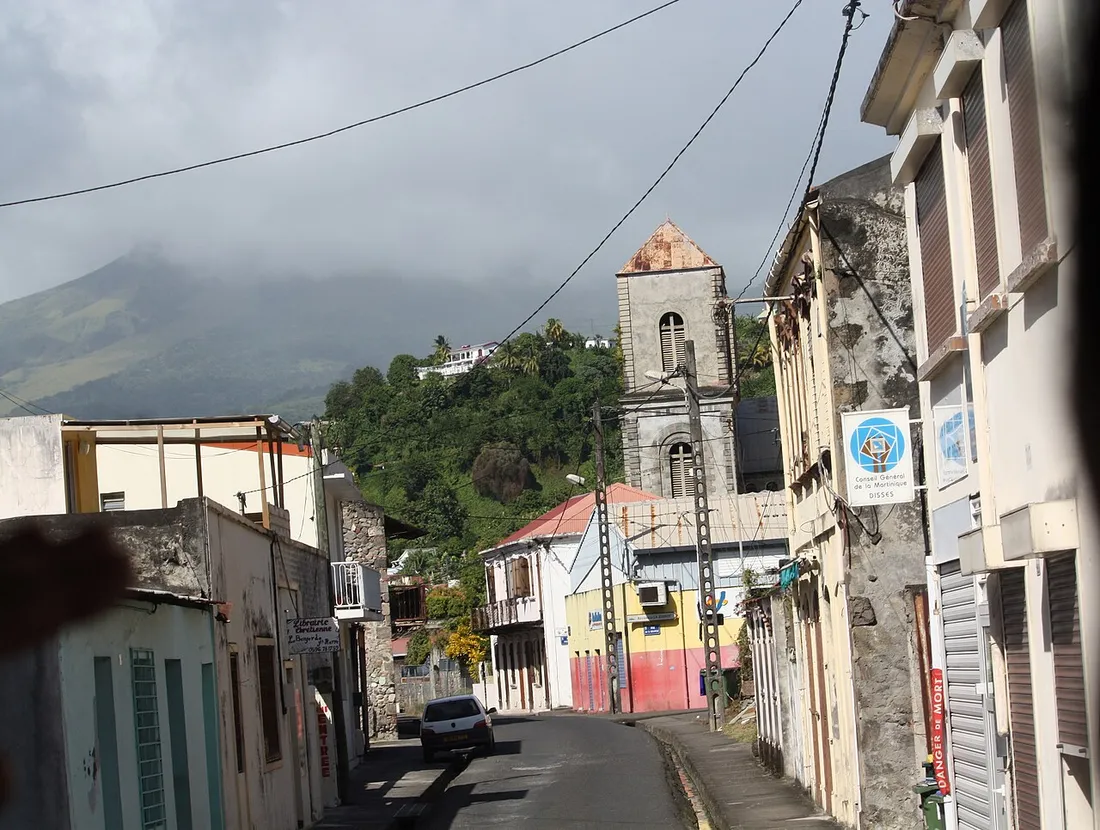
Extending the day: Saint-Pierre’s memorial trail
Once the ceremony is over, take the time to explore the places of memory that give the event all its depth. Everything is concentrated within less than a kilometer, between sea and heights.
- The ruined theater: inspired by the one in Bordeaux, it could seat 800 spectators. All that remains is the grand double-flight staircase and the bases of the columns, overgrown with vegetation. The view over the bay is superb.
- Cyparis’s cell: the half-buried dungeon that saved one of the few survivors. A few minutes’ visit, but a powerful shock.
- The Frank Perret Volcanology Museum: melted objects, warped bells, before-and-after photographs, and clear explanations of the glowing cloud. Expect around €8 to €10 for adult admission and 1 hour for the visit. Prices and opening hours to check before coming.
- The bay and its wrecks: a dozen ships rest at depths of 30 to 90 m. Outside the ceremony period, several clubs offer wreck dives at around €50 to €70 depending on your level.
A gentler interlude before heading back
Five minutes away by car, the Depaz distillery, nestled at the foot of Pelée, illustrates the region’s economic revival around AOC agricultural rum. A tasting there pleasantly extends the day. You can also round out your northern circuit with the Balata Garden or, for seasoned hikers, the ascent of Mount Pelée itself. To plan your entire itinerary, our complete guide to Martinique lists all the island’s must-sees.
Insider tips for living this moment of memory
- Do your homework in advance: check the town hall’s official program a few weeks ahead, as ceremony times change every year.
- Adopt the right attitude: photograph discreetly, lower your voice, and don’t climb on the fragile remains. These are places of reflection.
- Arrive early: for parking, for the light on the ruins, and for a Pelée summit often clear in the early morning.
- Bring cash: some small shops and site entrances don’t always accept bank cards.
- Talk with the locals: the people of Saint-Pierre gladly share the story of their town. These conversations are worth more than any guidebook.
Where to stay to experience Saint-Pierre without rushing
Saint-Pierre’s great asset is also its tranquility off the beaten track. Rather than tackling two hours of round-trip driving from the south on the morning of May 8, settle into the north Caribbean coast. You’ll experience the commemoration stress-free, as close as possible to the event, and discover an authentic Martinique far from the all-seaside crowd.
At Hostel Toucan, we select charming accommodations designed for travelers who want to experience the island in depth. Book directly, with no platform fees, enjoy free cancellation up to 7 days before arrival, and stay in touch with our WhatsApp support 7 days a week for all your questions on site: ceremony schedules, great Creole spots, planning your northern circuit. Browse our accommodations in Martinique to find your ideal base around Saint-Pierre. Do you own a property in the north and want to make the most of it with travelers seeking meaning? Our concierge service for owners supports you from A to Z.
Attending the commemoration of the 1902 eruption means coming face to face with the raw power of Pelée and the dignity of a people who rebuilt their town upon its ashes. Of all the experiences Martinique has to offer, it is undoubtedly one of the most moving, and one of the most human.
FAQ
What is the date of the eruption commemoration in Saint-Pierre?
The commemoration takes place every year around May 8, the anniversary of the 1902 Mount Pelée eruption that destroyed Saint-Pierre. The exact program (mass, wreath-laying, tribute at sea) is published a few weeks in advance by the town hall and the memorial associations. Check the precise times before coming, as they vary from one year to the next.
Is the May 8 commemoration open to tourists?
Yes, the ceremonies are free and open to all, residents and visitors alike. It is even a wonderful opportunity for memorial tourism to understand the history of Martinique. Participants are simply asked to wear understated attire and adopt a respectful attitude, as it is above all a moment of reflection in memory of the nearly 28,000 victims.
How do I get to Saint-Pierre from the south of Martinique?
Saint-Pierre is located on the north Caribbean coast, about 30 km from Fort-de-France, or 45 minutes to 1 hour by road. From the southern seaside towns such as Sainte-Anne or Les Trois-Îlets, allow 1 hour 15 to 1 hour 30. A car is strongly recommended: the north coast is winding and poorly served by public transport. On May 8, arrive early for parking.
What is there to do in Saint-Pierre beyond the commemoration?
Saint-Pierre can be visited all year round thanks to its rich memorial trail: the ruined theater, Cyparis’s cell, and the Frank Perret Volcanology Museum. The bay is home to one of the finest wreck-diving sites in the Caribbean. Nearby, the Depaz distillery, the Balata Garden, and the ascent of Mount Pelée ideally round out a stay in the north Caribbean of Martinique.