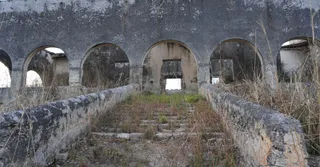
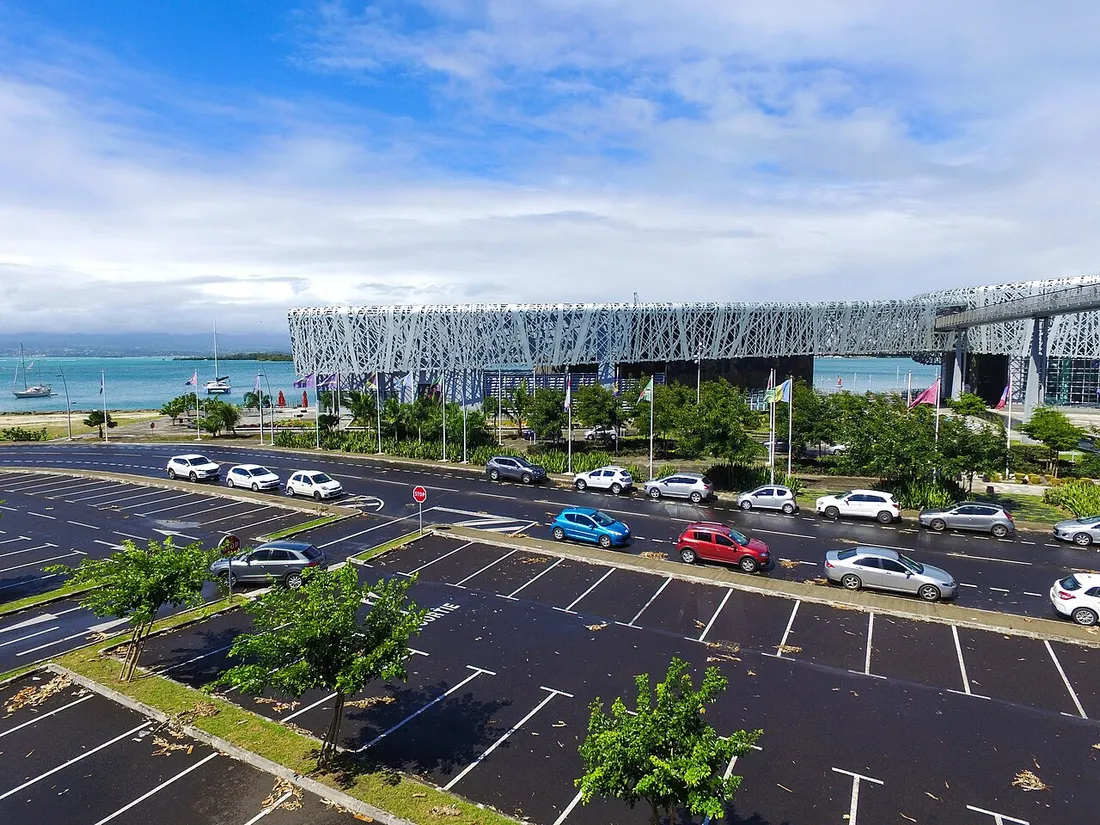
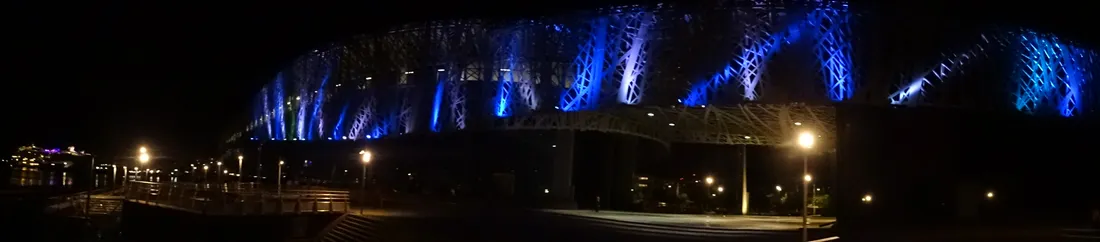
Set on the former grounds of the Darboussier sugar factory in Pointe-à-Pitre, the Mémorial ACTe is arguably the most striking cultural landmark in the entire archipelago. Its facade of silver panels evoking tree roots against a black granite wall catches the eye the moment you walk along the Darse waterfront. But behind the spectacular architecture lies what truly matters: the first Caribbean center entirely dedicated to the memory of the slave trade, slavery and their abolitions. If you really want to understand where Guadeloupe’s Creole culture comes from, its language, its music, its cuisine, this is where your stay should begin.
As residents who guide travelers all year round, we consistently place the Mémorial ACTe at the top of our recommended visits, even before the beaches. Here is our practical guide, based on hands-on experience.
Why the Mémorial ACTe is an essential stop
Guadeloupe is a French overseas department and region shaped like a butterfly, with its two wings: Grande-Terre, limestone and seaside, and Basse-Terre, volcanic and tropical. But this island identity is not summed up by its turquoise beaches and La Soufrière. It was born of a painful and complex history, that of millions of Africans deported to the Caribbean.
The Mémorial ACTe, inaugurated in 2015, tells this story without flinching, but also with dignity and hope. ACTe stands for “Caribbean Center for Expression and Memory of the Slave Trade and Slavery.” Understanding this narrative means grasping why Guadeloupean Creole blends French and African languages, why gwoka resounds at celebrations, and why the local cuisine is a unique fusion. Without this key, you visit Guadeloupe as a tourist; with it, you understand it from the inside.
A universal place of remembrance
The memorial is not limited to Guadeloupean history. It places slavery within a global perspective, from the triangular trade to the struggles for civil rights, all the way to contemporary forms of servitude. It is a place of remembrance that questions the present as much as it honors the past.
The permanent exhibition route
The permanent exhibition covers roughly 1,700 m² and is divided into several thematic “archipelagos,” a term chosen to evoke both dispersion and connection. The route is chronological and sensory, blending objects, works of art, audio testimonies and interactive displays.
The major stages you will move through:
- The pre-Columbian civilizations of the Caribbean, before the arrival of Europeans
- The transatlantic slave trade and the triangular trade
- The slavery system in the sugar plantations, its economy and its violence
- The forms of resistance: marronnage, revolts, emblematic figures of freedom
- The successive abolitions, including the definitive one of 1848 in Guadeloupe
- The contemporary legacies: créolité, diaspora, present-day struggles
The tone is never purely academic. Numerous artistic installations bring a powerful emotional dimension. Plan to take your time with the audio testimonies, often the most memorable moments of the visit.
The mezzanine and temporary exhibitions
Beyond the permanent route, the memorial regularly hosts temporary exhibitions of contemporary Caribbean art and cultural events. Check the program before your visit, as some periods feature concerts or lectures.
Visit duration and practical tips
Allow 1.5 to 2.5 hours for the permanent exhibition, depending on your pace and your interest in the audio content. If you add a temporary exhibition, plan for a full half-day.
Our timing recommendations:
- Morning (opening around 9 a.m.) is ideal: fewer people and welcome coolness before the afternoon heat
- Avoid visiting right after a long journey: the route is dense and requires concentration
- The audioguide is highly recommended to enrich your reading of the rooms
The building is fully accessible to people with reduced mobility, with elevators and ramps. A café and a shop are on site. Outside, don’t miss the footbridge leading to the Morne Mémoire, offering a panoramic view over the bay of Pointe-à-Pitre and the islets: a breath of fresh air after the intensity of the exhibition.
Indicative prices
Prices are deliberately accessible for a facility of this scale. As a guide:
- Permanent exhibition: around €15 full price
- Reduced rate (students, jobseekers): around €10
- Free admission for under-12s and on special days
- Audioguide: a few euros extra
We recommend checking the current opening hours and prices before your visit, as the memorial is closed on certain days early in the week.
How to get there from your rental
The Mémorial ACTe is located in Pointe-à-Pitre, the economic hub of the archipelago, on the Darse peninsula, by the sea. From Pôle Caraïbes airport, it’s about a ten-minute drive. Here are some realistic distances from the tourist towns where you might be staying:
- Le Gosier: about 15 minutes by car
- Sainte-Anne: about 30 minutes
- Saint-François: about 45 minutes
- Deshaies (Basse-Terre): about 1 hour 15 minutes
Parking is available nearby. A rental car remains the easiest way to reach the site and combine it with other discoveries in Pointe-à-Pitre, such as the spice market or the waterfront.
The best time to visit
Guadeloupe is pleasant to visit all year round, but the dry season, from December to April, offers the most comfortable climate. The advantage of the Mémorial ACTe: it’s an air-conditioned, indoor visit, perfect for a cloudier morning or a day with passing rain during the wet season.
Taking your discovery of Creole culture further
The memorial makes you want to go further. After the visit, several options connect the history to the living Guadeloupe of today:
- The distilleries of Marie-Galante (Bielle, Bellevue, Père Labat), where the history of sugar cane truly comes to life
- The former sugar estates scattered across both wings of the archipelago
- A gwoka concert, a music born of resistance and listed as UNESCO heritage
- The Pointe-à-Pitre market, to taste authentic Creole flavors
To plan your entire stay around these discoveries, see our complete guide to Guadeloupe, which details the must-sees of both wings of the butterfly.
Staying near the Mémorial ACTe with Hostel Toucan
To make the most of Pointe-à-Pitre and easily reach the beaches of Grande-Terre as well as the tropical forest of Basse-Terre, your choice of accommodation matters. At Hostel Toucan, we offer holiday rentals in Guadeloupe selected for their location and comfort, with genuine local support.
Booking directly with us means:
- Direct booking with no platform fees: you pay the fair price
- Free cancellation for 7 days so you can book with peace of mind
- WhatsApp support 7 days a week for your questions, visit tips and unexpected situations
Our hosts know the area and point you toward the best experiences, from the Mémorial ACTe to the beaches of Caravelle or Grande Anse, by way of the Cousteau Reserve. Do you own a property in Guadeloupe and want to make the most of it? Discover our dedicated concierge service for owners.
The Mémorial ACTe is not just one more cultural visit: it’s the gateway to a deep understanding of Guadeloupe. Begin your stay with this place, and the rest of the archipelago will take on a whole new meaning.
FAQ
How much time should I allow to visit the Mémorial ACTe?
Allow between 1.5 and 2.5 hours for the permanent exhibition, depending on your pace and the time spent on the audio testimonies. If you add a temporary exhibition and the footbridge to the Morne Mémoire, plan for a full half-day.
What is the entry fee for the Mémorial ACTe in Guadeloupe?
Admission to the permanent exhibition costs around €15 at full price and €10 at the reduced rate. Admission is free for under-12s. The audioguide is available for a few euros extra. Check the current prices before your visit.
Where is the Mémorial ACTe and how do I get there?
The Mémorial ACTe is located in Pointe-à-Pitre, on the Darse peninsula by the sea, on the former site of the Darboussier factory. It’s about 10 minutes from Pôle Caraïbes airport, 15 minutes from Le Gosier and 30 minutes from Sainte-Anne by car.
Is the Mémorial ACTe worth visiting with family?
Yes, the route is accessible and educational, with interactive displays. Some content remains emotionally powerful and is better suited to children from around 10-12 years old. The building is fully accessible to people with reduced mobility.