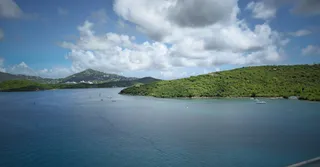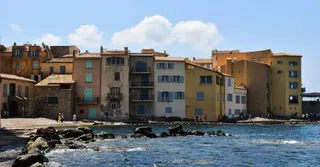
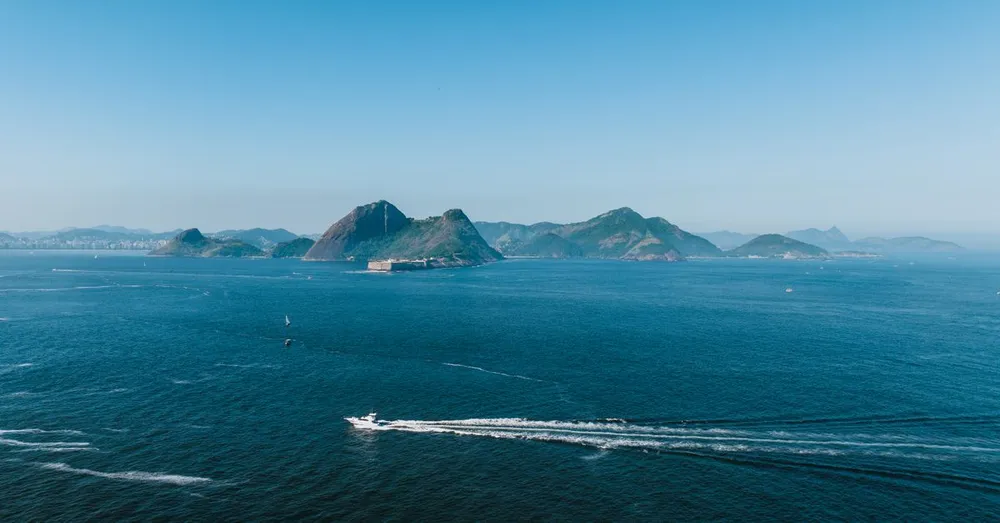
The Les Saintes archipelago, set off the southern coast of Guadeloupe just a few miles from Basse-Terre, is one of those stopovers that leave a lasting mark on a trip. Its bay, enclosed by a string of lush green islets, is regularly ranked among the most beautiful bays in the world, alongside Rio and Ha Long Bay. A fishing village of brightly coloured houses, turquoise waters, fragrant trails and delicious eateries: you quickly understand why so many travellers leave promising themselves they’ll come back. Here is our complete guide to planning your getaway and making the most of Terre-de-Haut, the main island, without missing any of the essentials.
Why Les Saintes are worth the trip
Les Saintes form a small archipelago of nine islands, only two of which are inhabited: Terre-de-Haut and Terre-de-Bas. Unlike the rest of Guadeloupe, the landscape here is dry, almost Mediterranean, and the atmosphere is resolutely island-like. There are no big resorts here: you get around on foot, you greet the locals, you take your time. It’s this easy way of life, combined with spectacular scenery, that gives the destination all its charm.
A few good reasons to devote at least a day to it:
- A bay ranked among the most beautiful in the world, with stunning views from the heights.
- Secluded beaches with crystal-clear waters, perfect for swimming and snorkeling.
- A historical heritage shaped by the Franco-British rivalry, with Fort Napoléon as its highlight.
- A flavourful local cuisine, including the famous homemade pastry, the tourment d’amour.
How to get to Les Saintes from Guadeloupe?
You reach Terre-de-Haut by ferry or catamaran from several points in Guadeloupe. The choice of departure port depends on where you’re staying:
- Trois-Rivières (southern Basse-Terre): the shortest crossing, about 20 to 30 minutes. Ideal if you’re staying on Basse-Terre.
- Pointe-à-Pitre: a more central departure, expect 45 minutes to 1 hour depending on the company.
- Saint-François (Grande-Terre): convenient if you’re staying in the east, a crossing of about 1 hour.
Several companies run the route with daily rotations, more frequent in high season and on weekends. Round-trip adult fares generally fall within a range of around €20 to €35, with discounts for children. Book online in advance, especially during school holidays and from December to April, as the boats quickly fill up.
Tips before boarding
- Arrive 30 minutes before departure for ticket checks and boarding.
- The sea can be choppy on some stretches: if you’re prone to seasickness, sit in the centre of the boat and choose the shortest crossing from Trois-Rivières.
- Bring something to cover up: the cabin air conditioning can be chilly, and the rear deck gets generously sprayed with sea spray.
Getting around Terre-de-Haut
Once you’ve landed in the village, everything is easily done on foot: the island is barely 5 km long. To venture farther or save time, several rental options are available right by the landing dock:
- Scooter: the most popular solution, with an indicative range of €25 to €35 per day.
- Electric golf cart (small no-licence-required car type): handy for families or groups.
- Electric bike: pleasant, but the terrain climbs quickly, so be ready for some endurance.
Good to know: traffic is regulated on the island to preserve its peace and quiet, and shared taxis (local shuttles) are available to reach the most remote beaches. Many visitors simply rely on their own two feet for the day, which is perfectly doable.
What to see and do in Terre-de-Haut?
The island packs a surprising variety of sites into a small area. Here are the must-sees.
Fort Napoléon
Perched on the heights above the village, Fort Napoléon never fired a single cannon shot, but it offers the finest panorama of the archipelago over the bay and the islets. Built in the 19th century, it now houses a museum retracing the history of Les Saintes and the famous 1782 naval battle, as well as a botanical garden planted with cacti and succulents where iguanas roam freely. Allow about 20 to 30 minutes on foot uphill from the village, preferably in the morning before the heat sets in.
Pompierre beach
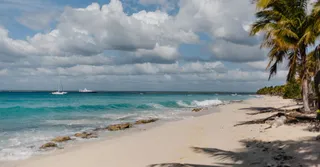
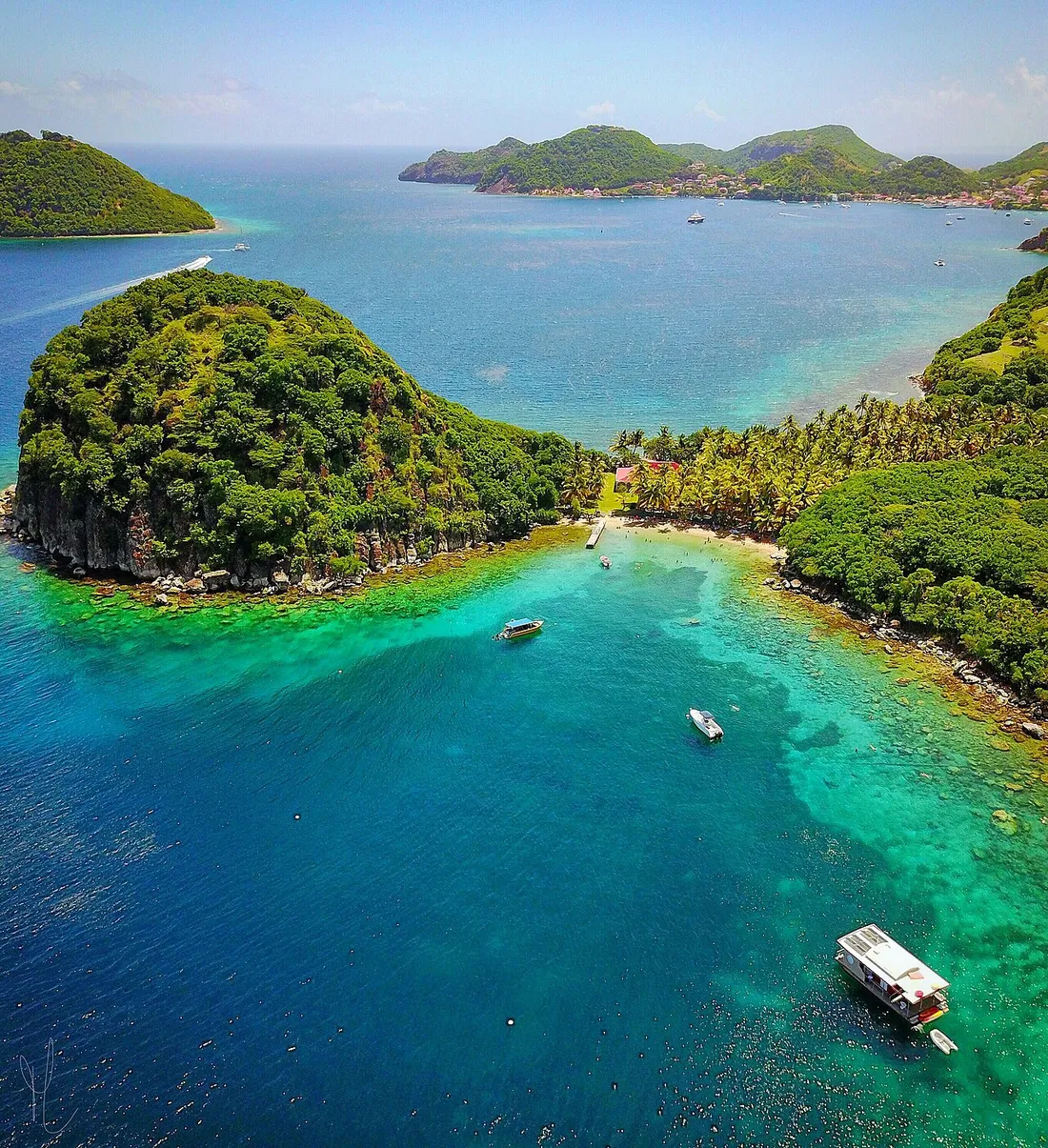
A few minutes from the village, Pompierre beach unfurls a wide arc of golden sand lined with coconut palms, enclosed by two rocky islets that form a kind of natural pool. It’s the family beach par excellence: calm, shallow waters, ideal for children. There are no shops or facilities on site, so remember to bring water and a picnic.
Climbing the Pain de Sucre and Le Chameau
Two hikes reward walkers:
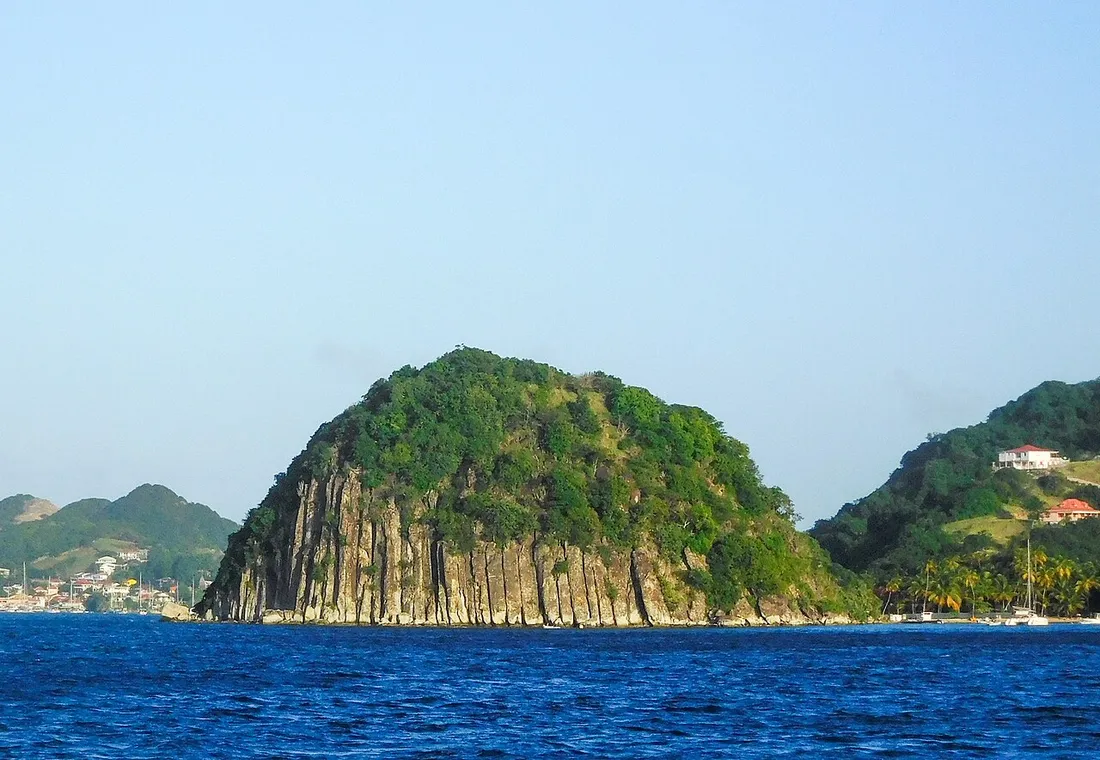
- The Pain de Sucre is that recognisable volcanic peak that plunges into turquoise water. You can climb its slopes for the view, but it’s mainly the beach at its foot that draws people (see below).
- Le Chameau is the highest point on the island (309 m). The ascent, up a steep paved road, takes about 45 minutes to 1 hour of sustained climbing, but the 360° view from the summit, crowned by a watchtower, is simply magnificent. Set off early, bring water, a hat and good shoes.
Snorkeling: the best spots in Les Saintes
The clear waters of Les Saintes are a dream playground for snorkeling. The star spot remains Pain de Sucre beach: a postcard-perfect little cove at the foot of the peak, with crystal-clear waters teeming with multicoloured fish, coral and sometimes starfish. You can reach it on foot from the village (30 to 45 minutes) or by sea.
A few tips for successful snorkeling:
- Bring your own mask and snorkel: rentals on site are limited.
- Stay aware of the currents between the islets and don’t venture out alone.
- Adopt the right habits: don’t touch the coral or the wildlife, and use only reef-safe sunscreen.
To compare with the archipelago’s other coastal gems, take a look at our pick of the most beautiful beaches in Guadeloupe.
Terre-de-Haut or Terre-de-Bas: which island to choose?
The vast majority of visitors only know Terre-de-Haut, the liveliest island, where the ferries dock and where restaurants, beaches and tourist sites are concentrated. It’s the obvious choice for a first visit or a day trip.
Terre-de-Bas, quieter and more rural, appeals to travellers seeking authenticity and absolute calm. There you’ll discover Anse à Dos, the Sainte-Hélène church and a village life that has remained out of time. You reach it via a small internal ferry from Terre-de-Haut. If you’re staying several days, it’s a lovely complementary excursion, but for a single day, focus on Terre-de-Haut.
Cuisine: don’t leave without tasting the tourment d’amour
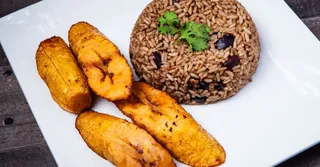
Dining is an integral part of the Saintois experience. The village is full of small restaurants where you can savour grilled fish, accras, colombo and lobster facing the sea. But the real local star is the tourment d’amour: a coconut tartlet (or banana, or guava) born from the patience of sailors’ wives who watched for the boats to return. Sold still warm by the pastry makers at the landing dock, it’s the edible souvenir everyone takes home. Try several flavours, each has its own recipe.
Day trip or overnight stay: which to choose?
A full day lets you discover the essentials: Fort Napoléon, a swim at Pain de Sucre, lunch in the village and a stroll. That’s the format most visitors choose.
But if your schedule allows, spending a night in Les Saintes changes everything. Once the day-trippers have left in late afternoon, the island recovers its soul: peaceful lanes, sunset over the bay, a crowd-free dinner and a magical sunrise. It is, by far, the most beautiful way to experience Les Saintes. Book your accommodation well in advance, as availability is limited.
And to extend your discovery of the Guadeloupe islands, the neighbouring archipelago of Marie-Galante also deserves a dedicated getaway.
Plan your stay with Hostel Toucan
Les Saintes are best enjoyed at island pace, ideally as part of a wider stay in Guadeloupe. To combine beaches, hikes and excursions to the southern islands, settle into a comfortable and well-located accommodation: discover our accommodations in Guadeloupe and all of our accommodations across the French West Indies.
Want to organise your getaway to Les Saintes? Hostel Toucan is expanding its offering in Guadeloupe and helps you plan your stay, your crossings and your excursions. Contact us: we’ll put together a tailor-made programme, at your own pace.