You’re planning your trip to French Guiana, and one question keeps coming up in your searches: how do you avoid ending your stay covered in bites? Good news, after several years spent welcoming travelers between Cayenne, Rémire-Montjoly and the Maroni River, I can tell you frankly: French Guiana is not the entomological hell you might imagine, provided you adopt a real strategy. Here is the anti-bite method we recommend to all our travelers, based on field experience rather than theory.
Know your adversaries: mosquitoes, yen-yen and company
In French Guiana, you’re not fighting a single insect but several, each with its own schedule and hunting grounds. Mixing them up means protecting yourself at the wrong moment.
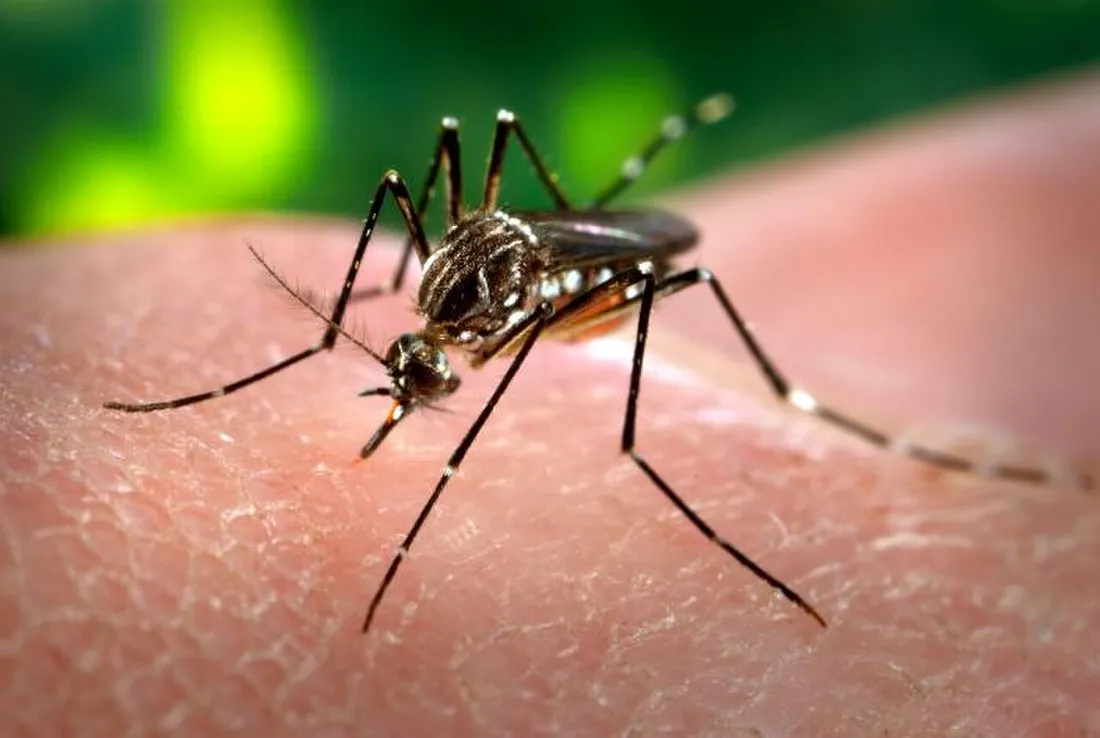
The tiger mosquito (Aedes), the daytime city dweller
This is the one that transmits arboviruses. Aedes aegypti and Aedes albopictus bite mainly during the day, with two peaks: early in the morning and late in the afternoon. You’ll find it everywhere in inhabited areas, around Cayenne, Matoury, Kourou or Macouria, because it breeds in the smallest pool of stagnant water (a flowerpot saucer, a gutter, a tire). It is public health enemy number one.
The anopheles, the nighttime forest dweller
A potential vector of malaria, the anopheles bites at night, especially inland and along the rivers (Maroni, Oyapock). In town and on the coast, the risk is low to negligible, but if you set off by pirogue toward Saint-Laurent-du-Maroni or on an excursion into the Kaw marshes, nighttime protection becomes essential.
The yen-yen, the tiny nightmare
Here is the real test for travelers in French Guiana. The yen-yen (or “sand fly,” a tiny blackfly) is not dangerous to your health, but its bites itch terribly for days. It strikes mainly along the sea and water, at sunrise and sunset, particularly on certain beaches of Rémire-Montjoly, in Awala-Yalimapo or near the Îles du Salut. It is so small that it slips through the loose weave of light clothing.
The others: chiggers, ants, bees
You’ll also come across chiggers (small red marks around the ankles after walking through grass), ants and a few wasps. Nothing dramatic, but it rounds out the picture and justifies covering up on hikes, for example at the Nouragues reserve or around Cacao.
The golden rule: choose the right season and the right places
The first repellent is the calendar. The dry season, from mid-July to mid-November, is the best time to visit French Guiana: less rain means fewer larval breeding sites, and therefore far fewer mosquitoes. It is also the ideal window to observe the leatherback turtles at Awala-Yalimapo and enjoy the Guiana Space Centre in Kourou, whose visit is free and sometimes lets you witness an Ariane 6 or Vega launch.
As for accommodation, the choice of town matters. The breezy coast (Rémire-Montjoly, downtown Cayenne around the Place des Palmistes) suffers less than areas bordered by mangrove or forest. The wind is your ally: a terrace exposed to the sea breeze sees mosquitoes flee, as they are weak fliers.
The repellents that really work
Not all repellents are equal, and in a tropical zone you don’t compromise. Here’s what works, sorted by active ingredient.
- DEET 30 to 50%: the reference in French Guiana. Effective against Aedes, anopheles and yen-yen, with 4 to 8 hours of protection. This is what we recommend first for adults.
- Icaridin (Picaridin) 20 to 25%: almost as effective, more pleasant on the skin, and doesn’t damage plastics (watches, glasses). An excellent compromise.
- IR3535 20 to 35%: a notch below on the yen-yen, but useful for sensitive skin.
- Citronella essential oil: pleasant but short-lived protection (about 1 hour). Keep it as a backup, never as your main protection.
A few application rules I follow daily: apply repellent over sunscreen (never the other way around), reapply after swimming and every 4 to 6 hours, and don’t forget ankles, the nape of the neck and behind the ears, the yen-yen’s favorite spots. Expect to pay 8 to 15 euros per bottle, available in every pharmacy in Cayenne or Kourou if you arrive empty-handed at Félix-Éboué airport in Matoury.
The physical barrier: your best insurance
Repellent alone isn’t enough. The textile barrier is underrated even though it is formidably effective, especially against the yen-yen, which sometimes ignores sprays.
Clothing and fabrics
- Favor long sleeves and lightweight trousers in a tight weave (linen that’s too airy = a sieve for yen-yen).
- Light colors attract less than dark ones.
- For high-risk excursions (Kaw marshes at dusk, pirogue on the Maroni), a garment treated with permethrin is a very worthwhile investment.
- On your feet: closed shoes and high socks when hiking, against chiggers and ants.
Mosquito net and accommodation
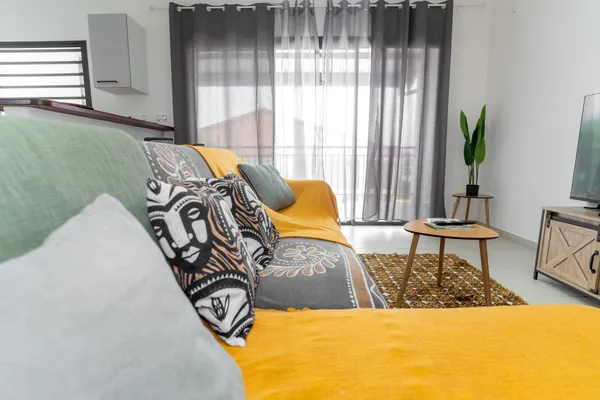
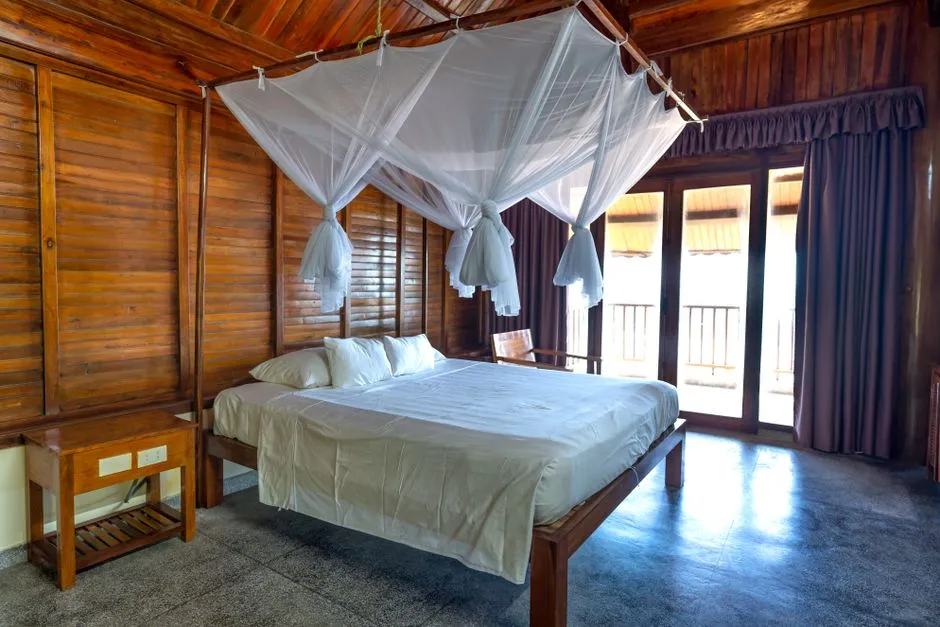
A mosquito net over the bed remains the most reliable nighttime protection, especially inland. In town, accommodation with window screens, air conditioning or a fan completely changes the game: moving air keeps mosquitoes from approaching. This is a criterion we systematically check in our accommodations in Cayenne and Rémire-Montjoly.
Local arboviruses: what you need to know without panicking
French Guiana, a French overseas region of about 290,000 inhabitants with Cayenne as its capital, is under serious health surveillance. Three arboviruses circulate: dengue, chikungunya and Zika, all transmitted by the daytime Aedes. The risk exists but remains manageable with good protection. Typical symptoms (high fever, body aches, fatigue, sometimes a skin rash) call for prompt medical consultation.
Two practical points to remember:
- The yellow fever vaccine is mandatory to enter French Guiana. Get it at least 10 days before departure at an international vaccination center.
- A pregnant woman must be extra vigilant because of Zika: reinforced protection and medical advice before the trip.
Malaria, for its part, is now rare on the coast. It mainly concerns prolonged stays inland; medical advice before a trek to the Nouragues or a long stay on the Maroni is recommended.
What to do if you get bitten
Despite everything, a bite always gets through. Here’s the reflex that limits the damage:
- Don’t scratch (the yen-yen quickly causes superinfection): apply a soothing cream or an ammonia-based gel.
- Cold (an ice cube, a chilled gel) calms the immediate itch.
- An oral antihistamine helps in case of a strong reaction.
- Watch for fever and body aches within 7 to 10 days: if they appear, see a doctor and mention your trip.
Your anti-insect kit for French Guiana
To sum up, here’s what I recommend slipping into your suitcase:
- DEET 30-50% or icaridin 20-25% repellent
- Sunscreen (applied before the repellent)
- Light-colored long-sleeved clothing and lightweight trousers
- Travel mosquito net (for the interior and the rivers)
- Soothing cream and antihistamine
- Permethrin treatment spray for high-risk excursions
Travel worry-free with Hostel Toucan
Good protection starts with good accommodation. At Hostel Toucan, we select ventilated, air-conditioned accommodations equipped against insects, in the right coastal towns. Book directly, with no platform fees, enjoy free cancellation up to 7 days before arrival, and ask us all your field questions through our WhatsApp support 7 days a week: we know which beaches to avoid at dusk and the right local habits.
To plan the rest of your stay, check out our complete guide to French Guiana, discover our accommodations in French Guiana, and if you own a property, see how we support owners. Safe travels, and may the yen-yen spare you.
FAQ
Do you really need a lot of repellent to visit French Guiana?
Yes, but without excess if you organize yourself. A good DEET 30-50% or icaridin repellent, covering clothing and ventilated accommodation are enough in most cases. The dry season, from mid-July to mid-November, clearly reduces the presence of mosquitoes and remains the best time to travel.
What is the yen-yen and how do you protect yourself from it?
The yen-yen is a tiny sand gnat, found mainly along the sea and water at sunrise and sunset. Its bites are not dangerous but itch for several days. The best defense: avoid beaches at dusk, wear tightly woven clothing and apply a DEET repellent to your ankles and the nape of your neck.
What vaccines and health precautions for French Guiana?
The yellow fever vaccine is mandatory and must be done at least 10 days before departure. Also remember rigorous protection against daytime mosquitoes, vectors of dengue, chikungunya and Zika. Pregnant women and travelers heading inland for a long time should seek specific medical advice.
Are mosquitoes present all year round in French Guiana?
They are present all year but far less numerous during the dry season, from mid-July to mid-November. The rainy season multiplies larval breeding sites and therefore bites. The breezy coast like Cayenne or Rémire-Montjoly is also less exposed than mangrove or forest areas.