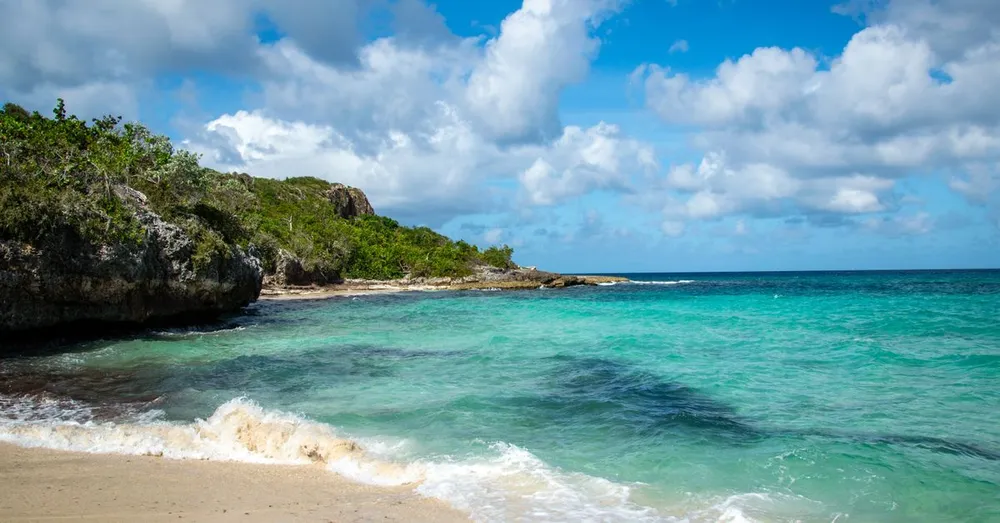
La Perle Beach in Deshaies is without doubt the most paradoxical stretch of the leeward coast. On one side, a postcard setting known worldwide thanks to the British series Death in Paradise, filmed in Deshaies since 2011. On the other, a sea that can turn downright dangerous the moment a northerly swell rolls in. I’ve lived on Basse-Terre for years, and every season I watch holidaymakers caught off guard by currents no brochure ever mentions. Here is the honest guide, the one locals give to friends passing through.
Where La Perle Beach is and how to get there
La Perle sits north of the town of Deshaies, on the northwest coast of Basse-Terre, about 2.5 km from the village heading toward Sainte-Rose, along the N2. It’s the discreet neighbour of Grande Anse, which lies 2 km south of the village.
- From the village of Deshaies: 5 minutes by car, or 30 minutes on foot (little shoulder along the road, take care with children).
- From Pôle Caraïbes airport (Pointe-à-Pitre): about 50 km and 1 hour via Sainte-Rose. A car is all but essential (€30–40 per day, book early in the dry season).
- From Le Gosier or Sainte-Anne: 1 hr 15 to 1 hr 30 depending on traffic.
Parking is free, on a packed-earth lot about fifty metres from the sand. It fills up fast on Sundays, picnic day for Deshaies families. Leave nothing visible in the car, as everywhere in Guadeloupe.
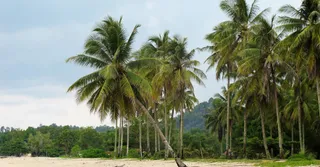
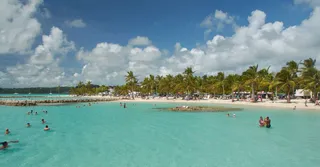
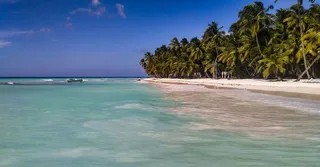
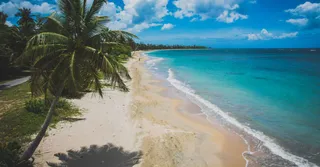
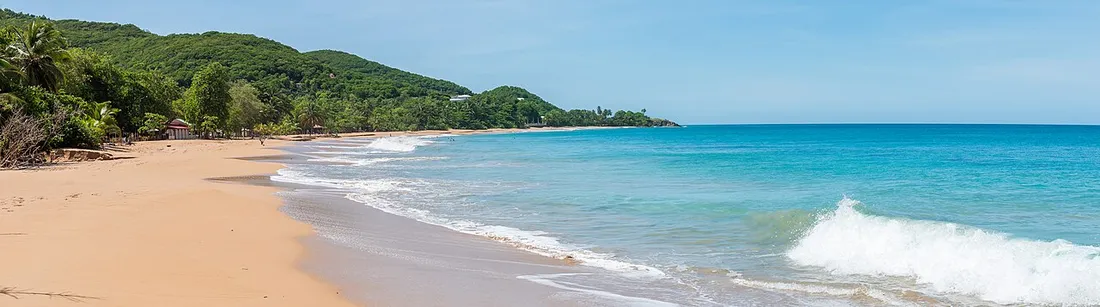
The atmosphere has stayed wonderfully wild: no concreted seafront, 800 metres of golden sand, sea-grape trees, coconut palms, and the mouth of the Perle river to the south, where children love to splash about in the fresh water.
The Death in Paradise setting, for real
If the beach looks familiar, that’s normal: La Perle serves as a recurring backdrop for Death in Paradise, whose fictional island of Sainte-Marie is in fact Deshaies. The detective’s wooden shack is rebuilt for each filming season (usually between April and August), then taken down. Off filming season, you won’t always see it, but Le Madras bar and the village church—other cult locations from the series—can be visited year-round.
A few pointers for fans:
- Filming temporarily closes off part of the beach, never all of it.
- “In the footsteps of the series” guided tours leave from the village, around €25 to €35 per person (about 2 hours).
- Best “iconic” photo spot: the northern tip of the beach, around 4:30 p.m., golden light guaranteed.
Currents at La Perle Beach: what you absolutely must know before swimming
This is THE point this guide must hammer home: La Perle is not Caravelle in Sainte-Anne. There’s no lagoon here, no coral reef. The beach faces due northwest, and the moment a northerly swell arrives—common from December to March, ironically the high season—the shore break turns powerful and rip currents form.
Here’s how I read the beach before getting in the water:
- Glassy sea, ripples under 30 cm: pleasant swimming, a sandy bottom that drops away fairly quickly, stay where you can touch.
- Waves from 50 cm to 1 m breaking on the shore: a shore break strong enough to knock an adult off balance; keep children at the edge, under constant watch.
- Swell over 1 m, darker, smoother patches of water between the waves: those are the channels of current heading back out to sea. Don’t go in, full stop.
The beach is patrolled in July–August, generally from 10 a.m. to 5 p.m., with flags. Outside those periods, you’re the sole judge: check the swell forecasts from Météo-France Guadeloupe the day before. Caught in a current? Don’t fight it: swim parallel to the beach until you’re clear of it, then head back to shore.
On swell days, with children, choose Grande Anse (the southern, more sheltered zone) or Caravelle in Sainte-Anne, over on Grande-Terre. Our complete guide to Guadeloupe lists, beach by beach, the typical conditions for each season.
Surfing in Deshaies: La Perle, the leeward coast’s quiet spot
What sends swimmers fleeing is a delight for surfers. Surfing in Deshaies happens mainly at La Perle, one of the few functional spots on the west coast when the northerly swell comes in, from November to April.
- Wave type: beach break over sand, shifting peaks depending on the sandbars, hollow, fast waves on the big days.
- Level required: intermediate to advanced above 1.5 m; beginners in the whitewater on small days, ideally supervised.
- Best window: early morning (6–9 a.m.), before the wind and the swimmers.
- Gear: no rentals on site; schools and shops are mostly in Le Moule and Sainte-Anne (group lesson €40–45 for 1 hr 30, board €15–25 per half-day).
The spot stays under the radar: a dozen surfers in the water on good days, a relaxed vibe, but respect the regulars’ priority.
Planning your day at La Perle: tips from a regular
The best hours and the best season
- Mornings before 9:30 a.m.: an almost deserted beach, a calmer sea more often than not, gorgeous light on the green hills.
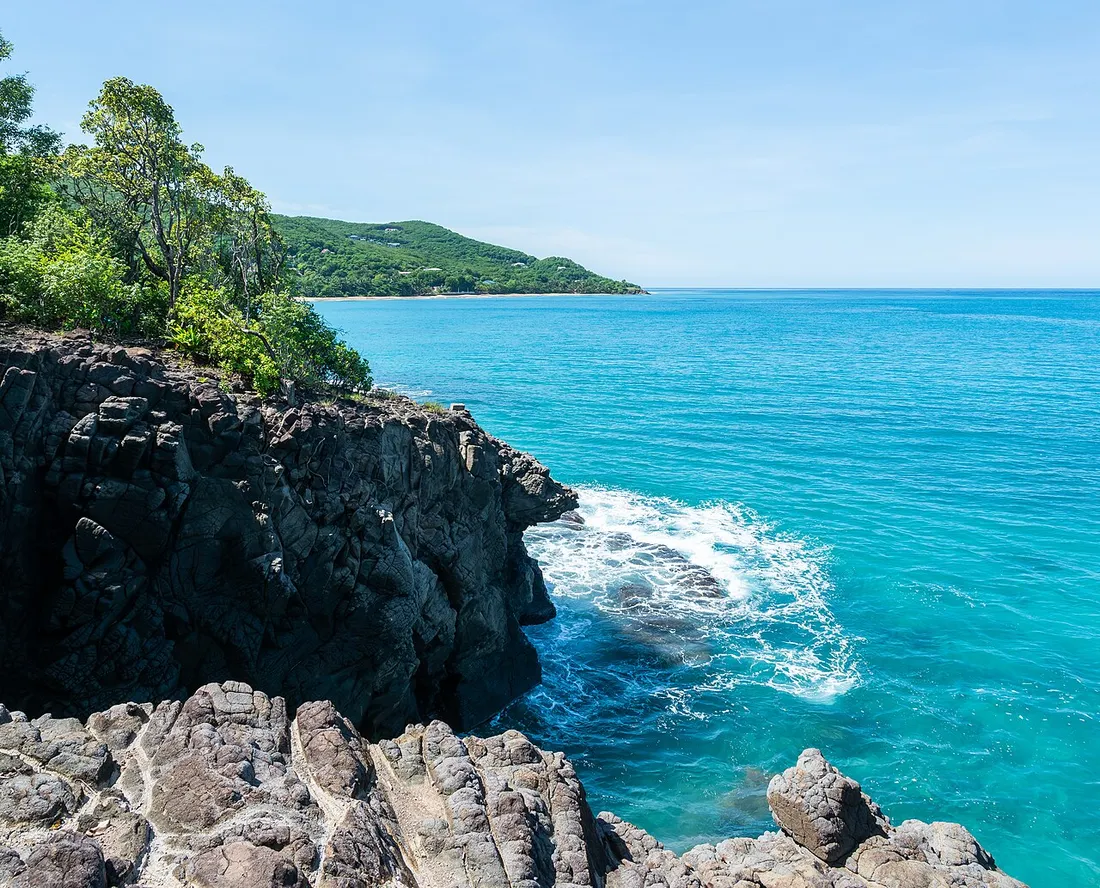
- Between 4 and 6:30 p.m.: the magic hour. Facing west, La Perle offers some of the finest sunsets in the archipelago, sometimes with the famous green flash.
- Dry season (December to April): ideal weather, but a more frequent northerly swell.
- May–June and November: my favourite combo—a gentler sea, light crowds, softer rates.
Eating on site
Two or three beach restaurants share the ends of La Perle, feet in the sand: count on €15 to €20 for grilled fish with rice and christophine gratin, €5 to €7 for a ti-punch or a fresh juice. Outside weekends, check the opening days. Otherwise, stock up at the village mini-market and picnic in the generous shade of the sea-grape trees—there’s no parasol rental at all.
What to pair with La Perle in a day
- Deshaies Botanical Garden: 5 minutes by car, about €18 per adult, a 2-hour visit.
- Grande Anse: the big sister, 10 minutes away.
- Cousteau Reserve in Bouillante: 30 minutes south, snorkelling or a first dive around the Pigeon islets (outings from €25–30).
- Cascade aux Écrevisses, on the Traversée road: 35–40 minutes, a tropical-forest interlude in the National Park.
Where to stay in Deshaies: the right base to enjoy La Perle
Staying in Deshaies or Sainte-Rose changes everything: you enjoy La Perle at dawn and at sunset, while the day-trippers from Grande-Terre are still on the road. Hostel Toucan offers holiday rentals in Guadeloupe managed on the ground, several of them on the leeward coast, less than 20 minutes from the beach.
Booking directly with us means real benefits:
- No platform fees: the price shown is the price paid, often 10 to 15% less than on the big portals.
- Free cancellation up to 7 days before arrival, handy when you’re setting your dates around the swell forecast.
- WhatsApp assistance 7 days a week: a question about the day’s swimming conditions? We answer with a local’s eye, not a script.
Own a villa or an apartment in Deshaies, Bouillante or Sainte-Rose? Our concierge service handles everything, from check-ins to laundry, with the same hands-on standards.
FAQ
Can you swim safely at La Perle Beach?
Yes, but only when the sea is calm. With no protective reef, the beach becomes dangerous in a northerly swell (common from December to March): shore break and rip currents. Lifeguards are on duty in July–August only. When in doubt, stay where you can touch the bottom or fall back on Grande Anse.
Is the Death in Paradise shack visible all year round?
No. The detective’s shack is put up for filming, usually between April and August, then taken down. Le Madras bar and the church in Deshaies village, however, remain visible year-round.
Can you surf at La Perle as a beginner?
On small days, the whitewater near shore is fine for learning, ideally with an instructor. Above 1.5 m, the beach break turns fast and hollow: a spot for intermediate to advanced surfers. No board rental on site, so bring your own gear.
What’s the best time to visit La Perle Beach?
The dry season, December to April, offers the best weather but also the northerly swells. To combine a calmer sea, light crowds and gentle rates, aim for May–June or November. In any case, favour mornings before 9:30 a.m. or late afternoon for the sunset.