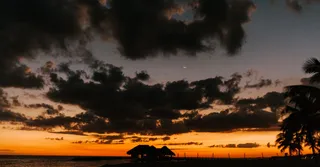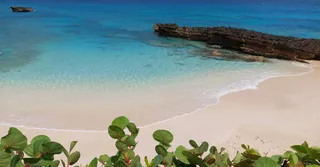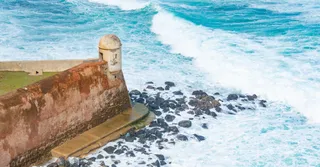
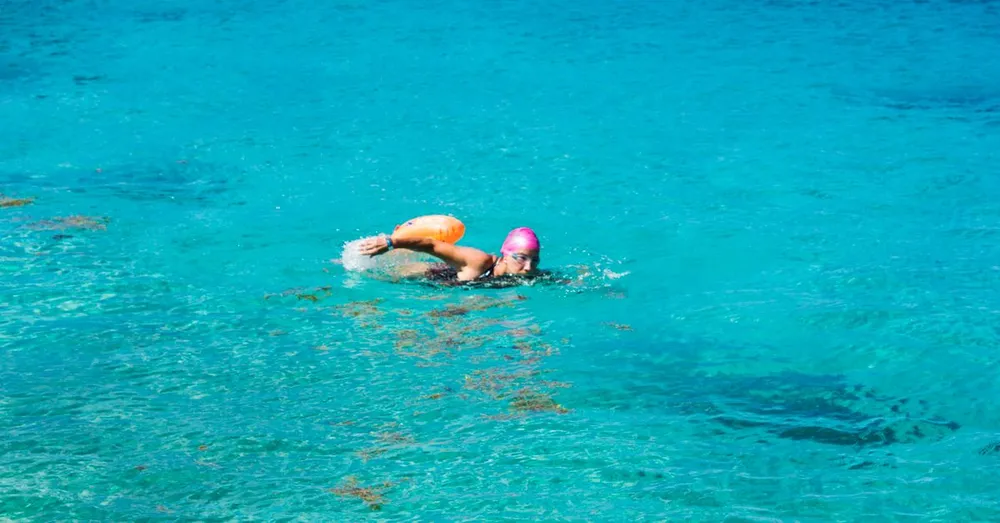
Martinique is often reduced to its postcards: leaning coconut palms, a turquoise lagoon, water at 28 °C. That’s true… on one half of the island. The other, the Atlantic side, sometimes serves up swells and currents that catch out holidaymakers convinced that “all Caribbean beaches are the same.” After years of living here and advising travellers as concierges, here is our honest guide to beaches and swimming in Martinique: where the water is calm, where it isn’t, and how to recognize a rip current. Not to scare you — to let you enjoy it with peace of mind.
Two coasts, two seas: the golden rule to understand
Martinique is barely 80 km long, yet it has two radically different shorelines. Understanding this geography already accounts for 90 % of your safety at sea.
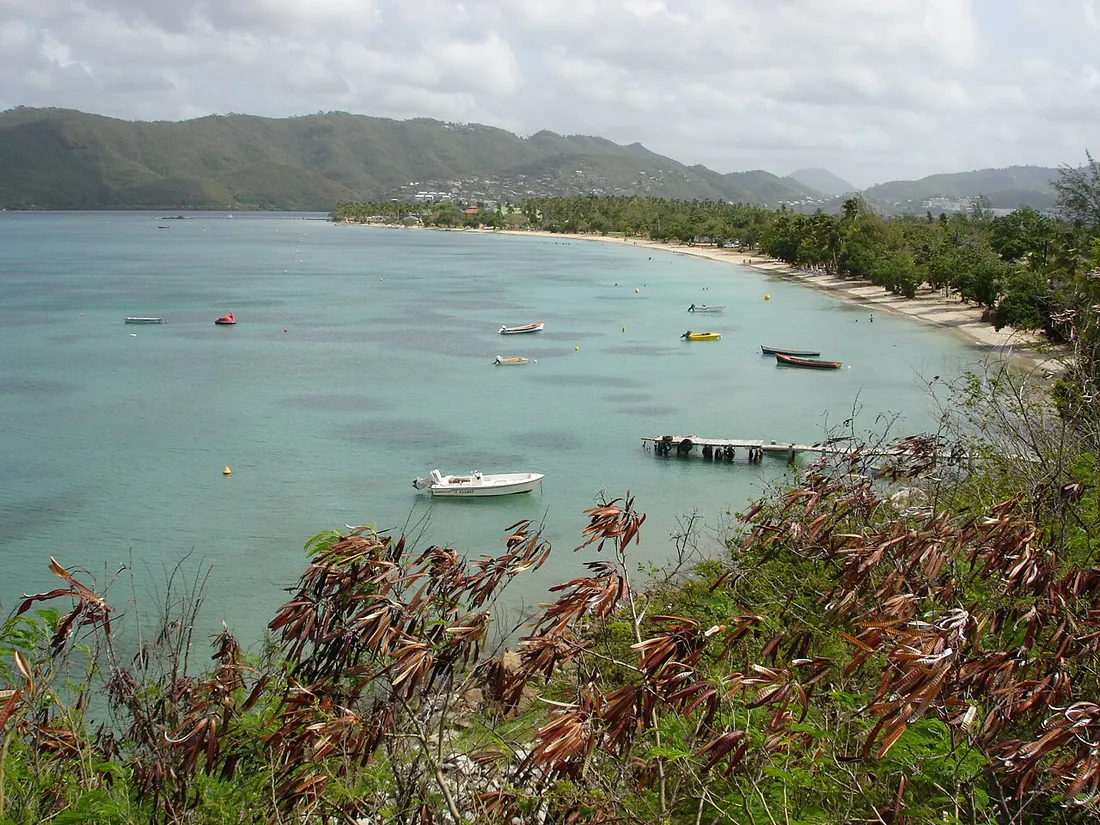
- The Caribbean coast (west): sheltered from the easterly trade winds, it offers a calm, flat sea, ideal for swimming in Martinique with children. This is the realm of the “lagoon” beaches: Les Anses-d’Arlet, Anse Dufour, Anse Mitan, Pointe Marin.
- The Atlantic coast (east): exposed to the full wind, it takes the swell head-on. The water is rougher there, sometimes dangerous outside sheltered spots. This is the realm of surfing and kitesurfing (Tartane, Le Vauclin, Cap Chevalier).
The default rule: the Caribbean side to swim, the Atlantic side for board sports and scenery. With young children, aim for the southwest (Sainte-Anne, Le Diamant on its sheltered side, Les Anses-d’Arlet, Les Trois-Îlets): gentle slope, sandy bottom, and the best-supervised beaches on the island.
The real danger: rip currents
The number-one risk is neither the shark (very rare here) nor the jellyfish: it’s the rip current, sometimes called a “baïne.” Water piled up by the waves heads back out to sea through a narrow channel, like a conveyor belt pulling you away from shore. You encounter it mainly on the Atlantic side and on beaches exposed to the swell.
How to spot it from the sand
Before you go in, look for:
- A patch of calmer water between two areas where the waves are breaking: this deceptively peaceful “corridor” is often the current itself.
- Darker or murkier water, a sign of a deeper channel.
- Debris, seaweed or foam streaming out to sea in a line, instead of coming back toward the beach.
What to do if you get caught in one
The rule: never fight it head-on — even a strong swimmer tires fast. Instead:
- Stay calm: the current pulls you away from shore, it doesn’t drag you under.
- Swim parallel to the beach to get out of the corridor (narrow, a few dozen metres wide).
- Once out of the current, come back in diagonally, carried by the waves.
- If exhausted, float on your back, raise an arm and call for help.
That’s the whole point of lifeguarded beaches: you rarely have to struggle alone.
Lifeguarded beaches in Martinique: where to swim with confidence
Martinique has a limited number of beaches with lifeguards (MNS), and supervision is not continuous, neither all year nor all day. The most regularly supervised, in season and at weekends, are on the Caribbean side and in the south:
- Pointe Marin (Sainte-Anne): calm water, first-aid post, amenities, perfect for families.
- Anse Mitan and Anse à l’Âne (Les Trois-Îlets): sheltered frontage of the Bay of Fort-de-France.
- Plage du Diamant: welcome supervision on a beach known for its currents (see below).
- Grande Anse des Salines (Sainte-Anne): seasonal supervision on the main stretch.
- Tartane / Anse Bonneville (La Trinité): a supervised surf spot on the Atlantic side, with a marked-off swimming area.
A few good habits: swim within the marked zone (between two flags) where the lifeguards focus their attention, and check the hours at the first-aid post — they cover neither daybreak nor late afternoon. Early in the morning or off-season, you swim without a safety net.
Reading flags and signs: the language of the beach
The colour of the flag at the first-aid post sums up the state of the sea:
- Green flag: swimming permitted and supervised, normal conditions.
- Orange (or yellow) flag: dangerous but supervised swimming. Rough sea, possible current: keep your footing and watch children closely.
- Red flag: swimming forbidden. Significant danger (swell, currents, storm). Stay on the sand.
- No flag: beach not supervised at that moment. It’s up to you to assess.
Two more signs complete the picture: the permanent prohibition signs on certain Atlantic coves with structural currents (to be respected even in calm seas); and the sargassum information, those brown algae that wash up mainly on the Atlantic — no drowning hazard, but with an unpleasant smell. The Caribbean coast is largely spared: one more argument for swimming on the west side.
Dangerous beaches: swimming on the Atlantic side
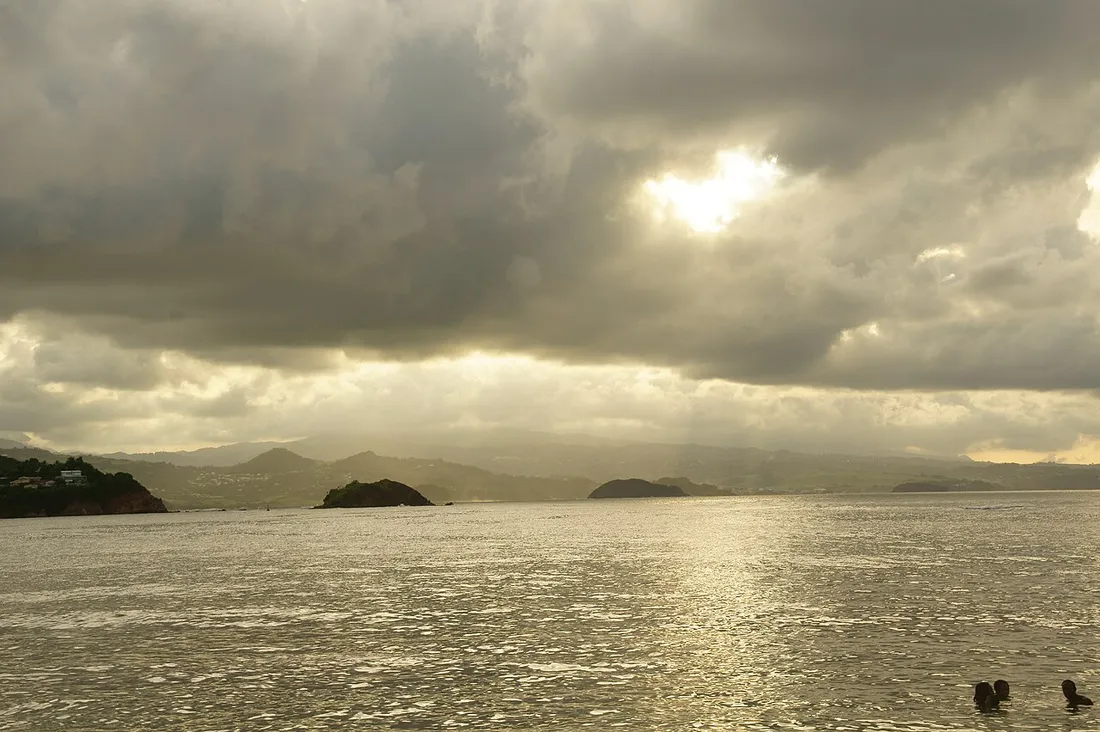
Not every magnificent beach is made for paddling: the dangerous beaches are concentrated on the Atlantic side and on shores exposed to the swell. Those where you should swim with caution:
- Plage du Diamant: 3 km of splendid sand facing the Rock, but known for its currents. Perfect for walking and a quick dip; to swim properly, stay in the supervised zone.
- Anse Couleuvre (Le Prêcheur), northwest: sublime black volcanic sand, but unsupervised and with a bottom that drops away quickly.
- Unprotected Atlantic frontage (Anse Charpentier, Caravelle outside the supervised zone): superb for scenery and surfing, not for swimming.
- After heavy rain: murky water and a health risk near river mouths; avoid swimming for 24 to 48 hours after a major rainfall.
Tropical safety: the extra reflexes
Beyond the currents, a few rules specific to the tropics:
- Sun from 9 a.m., even under a hazy sky: SPF 50 cream, a hat, a UV-protection T-shirt for children, 1.5 L of water per person (little drinking water on wild beaches).
- Sea urchins near the rocks: water shoes (€8 to €15 locally) save you many a spine.
- Jellyfish and Portuguese men-of-war depending on the winds; never leave a child alone at the water’s edge and swim with company on a deserted beach.
The time difference (-5 h in winter, -6 h in summer vs Paris) works in your favour: awake early, you swim in the morning, when the sea is at its calmest.
Planning your beach days by weather and season
The best period is Lent (the dry season, December to April): a calmer sea on the Caribbean side, little sargassum. From July to November, the swell can pick up. A few good habits:
- Check the sea bulletin and weather alerts that very morning: in the tropics, conditions change fast.
- Match the coast to the weather: strong easterly wind? Head for the sheltered Caribbean, with the south remaining the safest.
- Plan for a car, strongly recommended for moving from one coast to the other; Aimé Césaire airport (Le Lamentin) is 45 min to 1 h from the south.
- Emergency numbers: 112 and 15 (SAMU) work everywhere (dialling code +596).
For a complete itinerary, see our complete Martinique guide.
Where to stay for worry-free beach days
Safety starts with the right base. Staying in the Caribbean south — Sainte-Anne, Les Trois-Îlets, Le Diamant — puts you minutes from the calmest and most supervised beaches, and lets you get there early in the morning, when the sea is safest. At Hostel Toucan, our rentals near the beaches can be booked directly:
- Direct booking, no platform fees: you pay the fair price.
- Free cancellation up to 7 days before arrival (handy when the weather plays up).
- WhatsApp assistance 7 days a week: which coast to favour given the swell, which supervised beach to aim for with the children. Like a friend on the spot.
Discover our accommodation in Martinique on the calm-swimming side. Owner near the coast? Our concierge service for owners handles everything, from welcome to upkeep.
The sea in Martinique is one of the most beautiful in the Caribbean: read well, it’s nothing to fear. You just need to know which side of the island to lay your towel.
FAQ
Is swimming dangerous in Martinique?
Not if you choose your coast well. The Caribbean frontage (southwest: Sainte-Anne, Les Trois-Îlets, Les Anses-d’Arlet) offers a calm sea, ideal for swimming. The Atlantic frontage, rougher (currents, swell), is mainly made for surfing. Favour lifeguarded beaches and respect the flags.
Which beaches in Martinique are lifeguarded?
Pointe Marin at Sainte-Anne, Anse Mitan and Anse à l’Âne at Les Trois-Îlets, Plage du Diamant, Grande Anse des Salines and Tartane are among the regularly supervised beaches, especially in season and at weekends. Since supervision is not continuous, check the hours at the first-aid post and swim within the marked zone.
How should you react to a rip current?
Never swim head-on against the current. Stay calm, swim parallel to the beach to get out of the corridor (it’s narrow), then come back to shore diagonally with the waves. If you’re tired, float on your back, raise an arm and call for help. Hence the value of a lifeguarded beach.
What is the best time to swim in Martinique?
Lent, the dry season from December to April: a calmer sea on the Caribbean side, clear skies and little sargassum. From July to November, the swell can pick up. In any season, morning swimming remains the safest, when the sea is flattest.