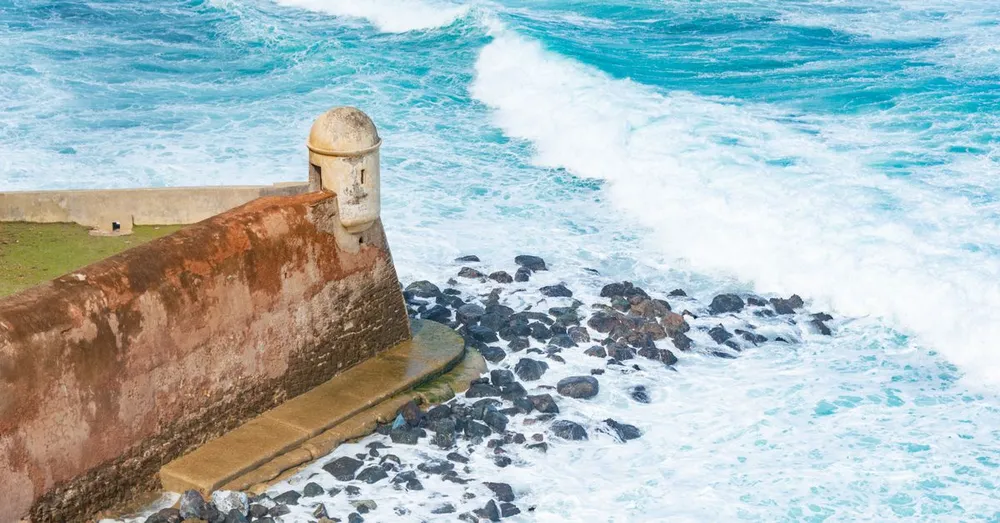
On the east coast of Martinique, where the Atlantic rolls in unfiltered, the village of Tartane keeps an authenticity that the touristy South has sometimes lost. Tucked away on the Caravelle peninsula, about twenty minutes from La Trinité, this is where local surfers catch their first waves at daybreak, where the fishing boats come back to port loaded with fish, and where the beaches often stay deserted on weekdays. If you’re looking for the natural side of Martinique, less polished and more alive, lay your towel down on this side of the island.
This article takes you behind the scenes of Tartane in Martinique: its surf spots, its Atlantic beaches, its early-morning fish market and all the practical tips to plan your day like a regular.
Tartane: a fishing village at the tip of the Caravelle
The Caravelle peninsula reaches out into the ocean like a finger pointing east. Tartane sits at its heart, about 40 km from Fort-de-France (allow 50 minutes to 1 hour of driving, as the North is winding) and just 10 minutes from La Trinité, the township it belongs to.
What strikes you on arrival is the atmosphere: no large hotel resorts, but colorful Creole houses, a lively waterfront, a few roadside snack stands and the comings and goings of the fishermen. Tartane lives to the rhythm of the ocean, not of mass tourism. That is precisely what makes it a top stop for anyone wanting to feel the real pulse of Martinique.
The peninsula is also home to the Caravelle Nature Reserve, a protected area managed by the Regional Nature Park, with its hiking trails, its mangrove, its dry forest and the ruins of Château Dubuc, a former 18th-century sugar plantation house. Plenty to round off a beach day with a dose of history and nature.
How to get there and get around
A car is essential to explore this part of the island. From Aimé Césaire Airport (Le Lamentin), allow about 45 minutes via the ring road and then the N4. Public transport is rare and impractical for reaching the peninsula’s remote spots.
- From Fort-de-France: 50 min to 1 h (40 km)
- From Sainte-Anne and the southern beaches: about 1 h 15
- Parking: free along the waterfront and near the beaches, but arrive early on weekends
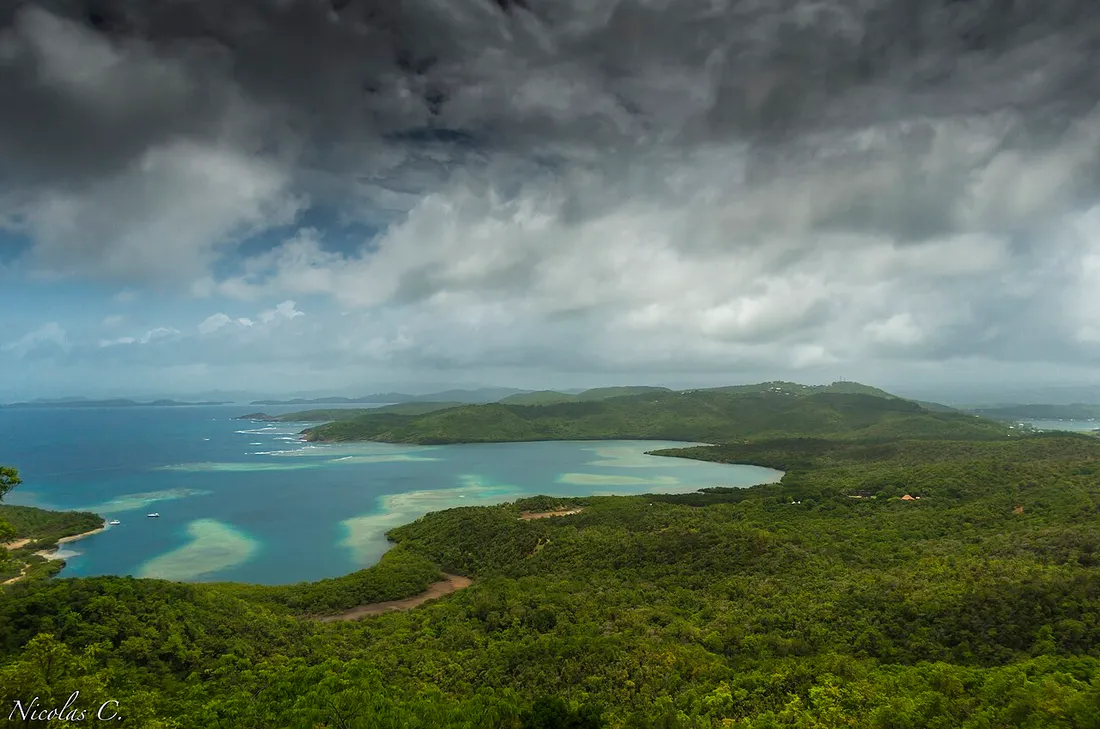
Surfing at Tartane: Anse Bonneville, the star spot of the North Atlantic
If Tartane is known to sports lovers, it’s above all for its surf. Its full eastern exposure to the Atlantic swell makes it one of the best spots on the island, and the most accessible for beginners.
Anse Bonneville
At the entrance to the village, Anse Bonneville (often simply called “the surfers’ beach”) is the must-visit meeting point. Its open-bay setup generates steady waves all year round, more powerful during the swell season. It’s a beach break over a sandy bottom, ideal for beginners and intermediate surfers.
A few pointers to plan your session:
- Best time: the swell is generally more consistent from November to April, which conveniently coincides with the dry season (the Lent, or Carême)
- Level: suitable for beginner to intermediate; the waves stay manageable close to shore
- Surf schools: several local outfits offer lessons and rentals on site. Expect around €35 to €45 for a group lesson of 1 h 30 to 2 h, and €15 to €20 for a half-day board rental
- Gear: no wetsuit needed, the water stays around 27-28 °C all year
Local tip: come early, ideally before 9 a.m. The trade wind often picks up by mid-morning and chops up the surface. Morning sessions offer the cleanest conditions.
Safety in the water
The Atlantic is not the southern lagoon. The currents can be strong, especially at falling tide. Ask the schools or local surfers before getting in the water, stay in the supervised zone when there is one, and don’t overestimate your level. Swimming is still enjoyable but calls for caution.
The Atlantic beaches of Tartane
Beyond surfing, Tartane and its surroundings line up beaches with a character quite different from those of the South. Here the sand is golden, the vegetation denser, and the mood wilder.
Tartane beach (the waterfront)
Right in the village, this coconut-palm-lined beach is the busiest and most convenient: snacks nearby, calmer water on the sheltered side, perfect for a family swim or a lunch with your feet in the sand. It’s also where you’ll see the fishing boats and skiffs moored.
The wild coves of the Caravelle
Heading on toward the point, several coves must be earned on foot from the reserve’s trails:
- Anse l’Étang: a large sandy beach, popular and well equipped, at the entrance to the peninsula
- Anse Spoutourne: more secluded, prized for its peaceful setting
- The nature reserve beaches: reached via the hiking trails (a short 1 h 30 loop, a long 3 h 30 one), for lovers of isolated spots
Remember to bring water, a hat and sun protection: shade isn’t guaranteed everywhere and the tropical sun doesn’t forgive.
The morning fish market: the soul of Tartane
This may be the most authentic moment of a day in Tartane. Every morning, when the fishermen come back, the waterfront turns into an open-air fish market. Snappers, tuna, mahi-mahi, ballyhoo, lobsters depending on the season: the day’s catch is laid out right on the stalls.
To make the most of it:
- Arrive early, between 6:30 and 9 a.m.: the best fish go fast and the atmosphere is at its peak
- Bargain Creole-style, respectfully: a smile and a few words make the difference
- Indicative prices: expect €8 to €15 per kilo depending on the species and the catch
- If you’re staying in accommodation with a kitchen, it’s the perfect chance to cook a fish court-bouillon or a homemade grilled fish
Several small restaurants in the village also serve the day’s catch prepared on the spot: a dish of fresh fish with rice, lentils and plantain will cost you around €15 to €22.
Planning your perfect day in Tartane
Here’s a tried-and-tested itinerary to enjoy the best of the peninsula in one day:
- 6:30 – 8 a.m.: fish market on the waterfront
- 8 – 10 a.m.: surf session or lesson at Anse Bonneville (optimal conditions)
- 10:30 a.m. – 12 p.m.: hike in the Caravelle Reserve and visit the ruins of Château Dubuc
- 12:30 p.m.: fresh-fish lunch in a village snack stand
- 2 – 5 p.m.: relax and swim at Anse l’Étang or on a wild cove
- 5 p.m.: head back to your accommodation before nightfall (quick in the tropics, around 6 p.m.)
When to come?
The dry season, the Carême, from December to April, remains the best time: clear skies, a finer sea, and surf swell on cue. Avoid the peak of the mainland school holidays if you can, if you’re after quiet. The Carnival (February-March) is worth the trip if your stay happens to coincide.
Where to stay to explore Tartane and the North Atlantic
To roam the Caravelle with ease, it’s best to stay nearby: the La Trinité / Tartane peninsula or the central-east townships like Le François. You’ll avoid long daily drives from the South and enjoy morning surf sessions without hassle.
At Hostel Toucan, we offer carefully selected vacation rentals across the island, with a fine knowledge of the Martinique ground. Booking directly with us means:
- No platform commission: you pay the fair price
- Free cancellation up to 7 days before arrival
- WhatsApp support 7 days a week for your questions, from choosing the surf spot to the best fish snack
To plan your whole trip, check out our complete Martinique guide, browse our rentals in Martinique, and if you own a property on the island, discover our concierge services for owners.
Tartane is not the usual postcard of Martinique. It’s its raw, salty, living version. Between a wave at Anse Bonneville, a snapper picked out at first light and a cove all to yourself, this corner of the North Atlantic offers exactly what many travelers look for without always finding it: the island as it’s truly lived.
FAQ
Where is Tartane in Martinique and how do you get there?
Tartane is a village in the township of La Trinité, located on the Caravelle peninsula, on the east coast (North Atlantic) of Martinique. Allow about 50 minutes to 1 hour of driving from Fort-de-France (40 km) and 45 minutes from Aimé Césaire Airport in Le Lamentin. A car is strongly recommended, as public transport is rare in this part of the island.
Can you start surfing at Tartane?
Yes. Anse Bonneville is a beach break over a sandy bottom, ideal for beginners and intermediates. Several local schools offer group lessons (around €35 to €45 for 1 h 30 to 2 h) and board rentals (€15 to €20 for a half-day). The water is 27-28 °C all year, so no wetsuit needed. Favor morning sessions before the trade wind picks up, and watch out for the Atlantic currents.
What time is the Tartane fish market?
The fish market comes alive on the waterfront as soon as the fishermen return, generally between 6:30 and 9 a.m. Arrive early to enjoy the best choice and the atmosphere. Prices run around €8 to €15 per kilo depending on the species and the day’s catch.
What’s the best time to visit Tartane?
The dry season, called the Carême, from December to April, is ideal: clear skies, a finer sea and consistent surf swell at Anse Bonneville. It’s also the Carnival period (February-March), which is worth the trip. For more quiet on the beaches, avoid the peak of the mainland school holidays.