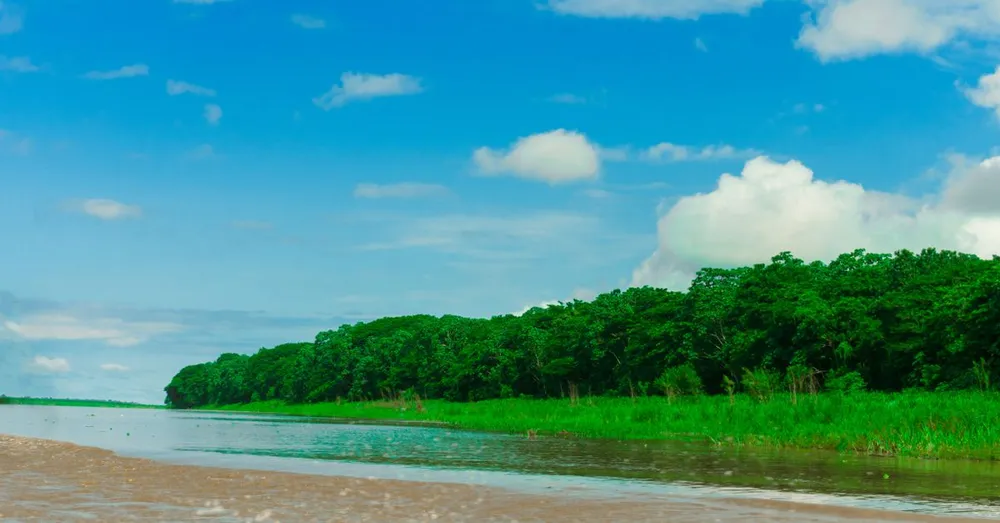
What is the best time to visit French Guiana? This is a question that has no single right answer, but several, depending on what you are coming for. The equatorial climate of this French department in South America stays hot and humid all year round, with no real winter or summer in the European sense of the word. Yet the rhythm of the rains shapes clearly distinct seasons that radically change the experience on the ground: a dripping forest and swollen rivers on one side, passable trails and clear skies on the other. Whether you dream of watching leatherback turtles lay their eggs, attending a rocket launch in Kourou, or travelling up a river by pirogue, this guide will help you choose the right moment.
Understanding French Guiana’s equatorial climate
French Guiana lies just a few degrees north of the equator, on the edge of the Atlantic Ocean and backing onto the immense Amazon rainforest. This location explains a humid equatorial climate marked by two constants:
- Steady heat all year round, with temperatures between 26 and 30 °C during the day, rarely dropping below 22 °C at night.
- Permanently high humidity (often 80% and above), which makes the heat feel heavier than the thermometer suggests.
Unlike the Caribbean islands, French Guiana is not located in the hurricane corridor. You therefore run no risk of a hurricane, but you have to deal with heavy rainfall: Cayenne receives on average more than 3 metres of precipitation per year, one of the highest rainfall figures in any French territory. These showers are often intense but brief, followed by lovely sunny spells. The big difference between the seasons has less to do with temperature than with the frequency and intensity of the rains.
The seasons in French Guiana: a four-part calendar
The Guianese rhythm cannot simply be split into “dry” and “wet.” Locals traditionally distinguish four periods that you would do well to know in order to plan your trip.
The rainy season (December to June)
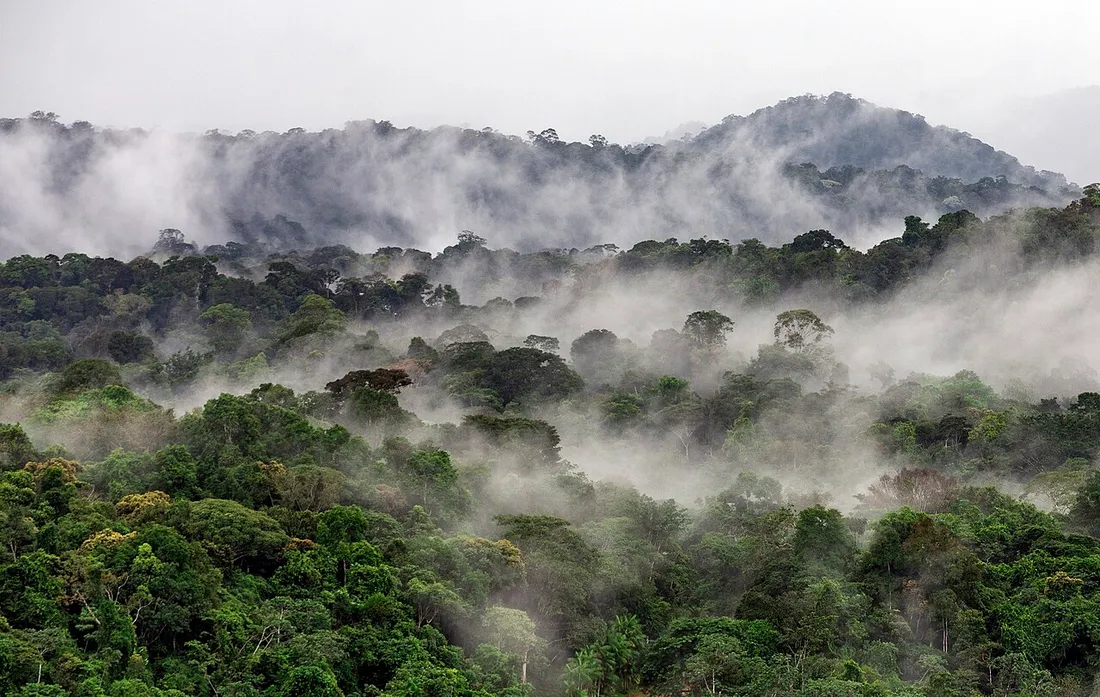
This is the wettest period, itself divided into two phases. The short rainy season usually sets in from December to February, with regular but still spaced-out showers. Then comes the long rainy season, from April to June, the most humid period of the year: the rains become daily, sometimes stormy, and the rivers reach their highest level.
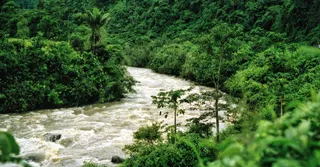
This season is not one to avoid, however. The forest is then a dazzling green, the waterfalls are spectacular, nature overflows with life, and accommodation rates are often gentler. If you are willing to adapt to the showers, you will discover a lush French Guiana that is far less crowded.
The “little summer of March”
A typically Guianese phenomenon, the little summer of March (petit été de mars) is a drier interlude that slips in, often around February-March, between the short and the long rainy season. For a few weeks the rains noticeably ease off and the sun returns. Its duration and exact dates vary from one year to the next, but this lull offers an interesting window to enjoy a milder climate in the middle of the wet season.
The dry season (July to November)
This is the most favourable period for tourism. Rain becomes rare, the sun dominates, humidity drops slightly, and the hiking trails become passable again. Forest tracks dry out, excursions on the rivers and in the Kaw marshes are more comfortable, and the clear sky benefits photographers and rocket-watchers alike. If you are travelling for the first time and want to maximise your chances of good weather, this is without question the season to aim for.
French Guiana month by month
| Month | Season | General conditions |
|---|---|---|
| January | Short rainy season | Regular showers, green forest, moderate crowds |
| February | Heading into the little summer | Decreasing rain, Guianese carnival in full swing |
| March | Little summer of March | Drier and sunnier lull, pleasant period |
| April | Start of the long rainy season | More frequent rain, high rivers |
| May | Long rainy season | Often the wettest month, exuberant nature |
| June | End of the rainy season | Rain gradually easing off |
| July | Start of the dry season | Good weather settling in, ideal for excursions |
| August | Dry season | Maximum sunshine, peak tourist season |
| September | Dry season | Optimal conditions, trails nicely passable |
| October | Dry season | Sun and heat, excellent period for nature |
| November | End of the dry season | Last lovely weeks before the rains return |
| December | Return of the rains | Increasingly frequent showers, festive end-of-year mood |
Keep in mind that these markers are indicative: the equatorial climate always has surprises in store, and it is not uncommon to enjoy a beautiful day in the middle of the rainy season, nor to get a shower during the dry season.
When to go depending on what you want
For nature, hiking and rivers
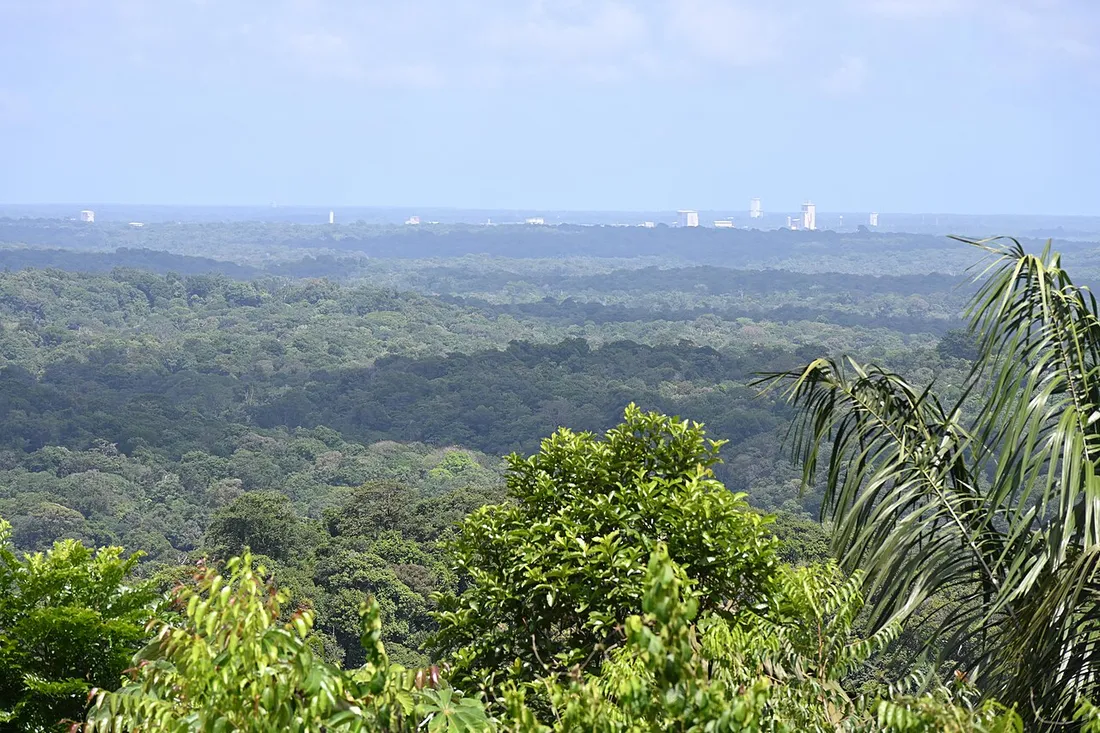
Favour the dry season (July to November). The trails are dry, river journeys by pirogue more comfortable, and wildlife watching made easier by a clear sky. Outings in the Kaw marshes, the climb up to the inselbergs, or stays in a carbet at the heart of the forest gain enormously in comfort. To plan your budget for excursions, transport and accommodation, see our guide to travel budgeting in French Guiana.
For watching leatherback turtles lay their eggs
This is one of the most moving spectacles in French Guiana. Leatherback turtles, among the largest sea turtles in the world, come to lay their eggs on the beaches in the west of the territory, notably around the Amana reserve and the beaches of the Mana and Awala-Yalimapo area. The nesting season runs mainly from April to July, with a peak often observed between May and June. Hatchings come later, lasting until August-September. This period overlaps with the rainy season: be prepared for patience, humid evenings, and a local guide who respects the animals.
For attending a rocket launch in Kourou
The Guiana Space Centre launches rockets throughout the year, regardless of the seasons. Watching a launch from one of the authorised viewing sites is a memorable experience. The launch calendar changes constantly and dates can be postponed for technical or weather reasons: never book a trip solely around an announced date, but allow for flexibility and check the official calendar as your departure approaches. The dry season statistically offers better visibility conditions.
For festivities and culture
If you want to experience French Guiana to the rhythm of its people, aim for the Guianese carnival, one of the longest and liveliest in the world. It traditionally begins after Epiphany in January and continues until Shrove Tuesday, in February or early March depending on the year. Parades, costumed groups, music and the famous “touloulou” balls then bring Cayenne and the whole coast to life. It is a unique cultural immersion, provided you accept the humid climate of the season.
What to pack for French Guiana
Whatever the season, humidity and mosquitoes dictate your choices. Plan for:
- Light, loose, breathable clothing, preferably in natural fibres, that dries quickly.
- A light rain jacket or a poncho, indispensable even in the dry season for surprise showers.
- An effective mosquito repellent and covering clothing for late-day outings, especially in the forest and near rivers.
- Good closed shoes for walking, plus quick-drying sandals for pirogue trips.
- High sun protection, a hat and sunglasses: the equatorial sun is intense even in overcast weather.
- A headlamp, useful for turtle-watching nights or stays in a carbet.
On the health side, French Guiana is a zone where yellow fever vaccination is mandatory, not to mention malaria prevention in certain interior areas. Anticipate these steps: all the details can be found in our article on the formalities and yellow fever vaccine in French Guiana.
Should you book your accommodation in advance?
Yes, and earlier than you might think. Demand for accommodation stays strong all year round in French Guiana: tourism, business travel, space-related missions and cultural events all pile up onto a limited stock of accommodation. The pressure is particularly intense in the dry season, during school holidays and around launch dates in Kourou. Booking in advance not only guarantees availability, but often better rates too. To compare options across the whole territory, browse our accommodation and find the option suited to your itinerary.
Our advice for choosing your period wisely
In short: for a first trip focused on nature and excursions, go in the dry season, between July and November. To experience the carnival, aim for January-February. For leatherback turtles, plan between April and July while accepting the rainy season. And for a rocket launch, stay flexible all year round. Whatever your season, French Guiana is earned and savoured: a little rain has never dimmed the magic of the Amazon.
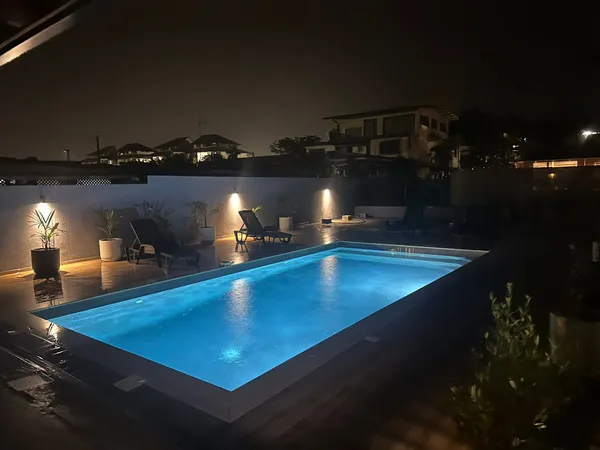
To set down your bags in Cayenne or nearby, Hostel Toucan welcomes you all year round in accommodation in French Guiana designed for the tropical climate: air conditioning, a swimming pool and well-located properties for exploring the territory. Book early, travel with peace of mind, and let French Guiana surprise you.