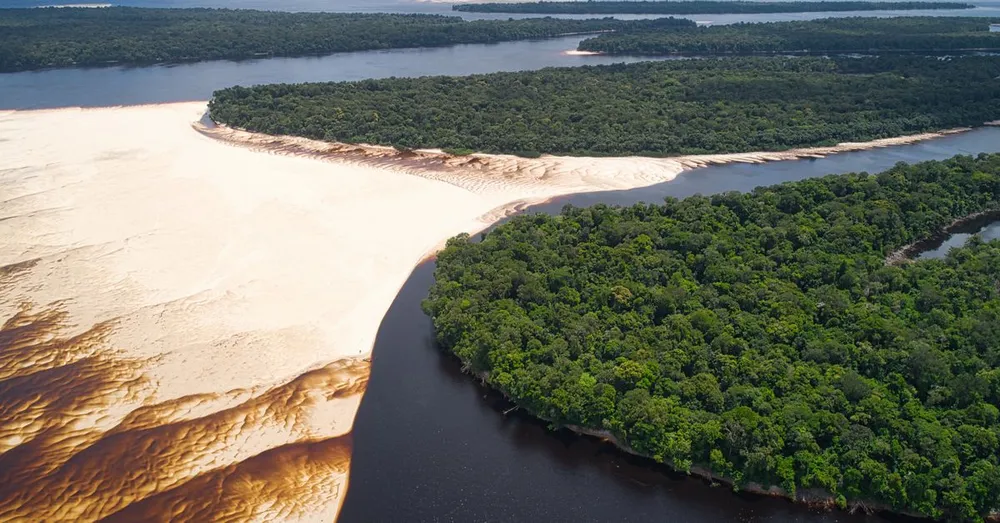
We always get the same question when our travellers drop their bags in Cayenne: “So, what is there actually to do in French Guiana beyond the rocket and the penal colony?” Good news: this Amazonian department, the size of Portugal and wedged between Brazil and Suriname, is packed with gems that the guidebooks barely touch. At Hostel Toucan, we host and guide visitors all year round. Here is our selection of 25 must-sees, grouped by mood, with the real on-the-ground info (prices, durations, distances) that we share with our guests over a coffee.
Before you go: what you need to know
French Guiana is a French overseas department: you pay in euros, French is spoken (along with Creole, Bushinenge and Amerindian languages), and the dialling code is +594. Expect a -5h time difference in winter and -6h in summer compared to Paris. You will land at Félix-Éboué airport in Matoury, 15 minutes from Cayenne.
Three things to keep in mind:
- Yellow fever vaccine required (make sure it is up to date before you leave).
- A car is essential: there is almost no public transport for tourism. Book early in the dry season.
- Best time to go: mid-July to mid-November (dry season). Tracks are passable, there is less rain, and turtle-nesting beaches are still active early in the period.
To plan your itinerary day by day, we have gathered our tips in the Hostel Toucan French Guiana guide.
Space and the islands: the grand spectacle
1 to 4. The Guiana Space Centre and Kourou
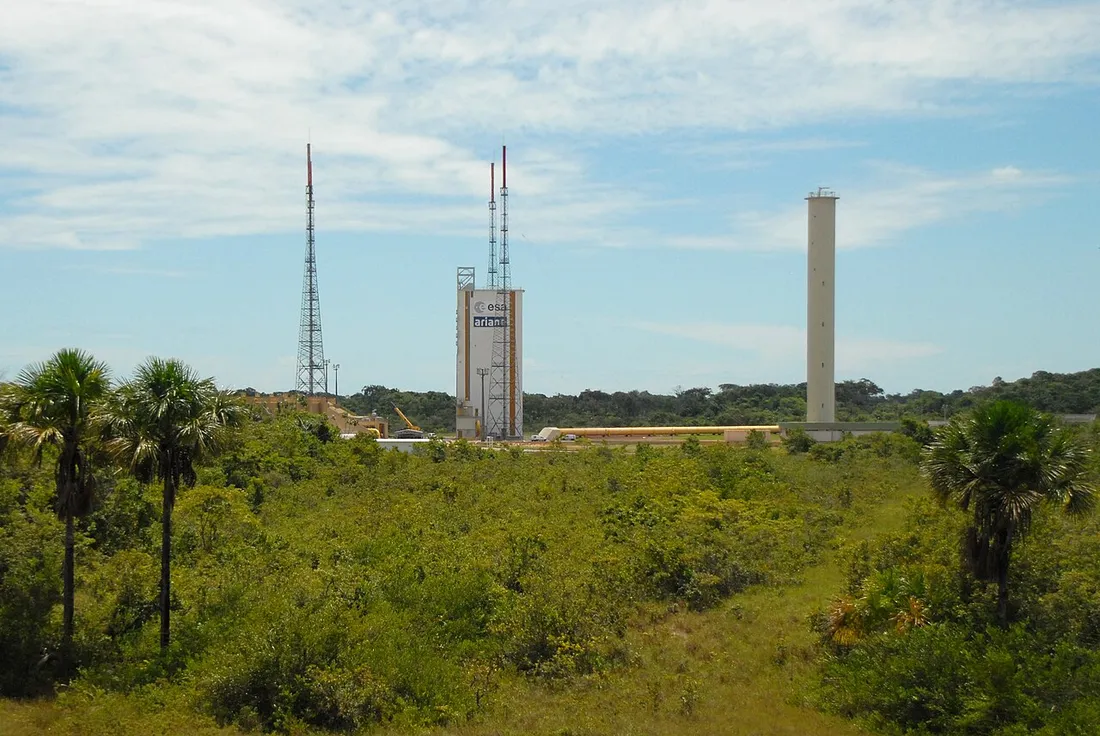
The CSG in Kourou (1h from Cayenne) remains the signature experience. The guided tour is free (around 3h, by reservation, ID required). If you time your stay around an Ariane 6 or Vega-C launch, book an observation site weeks in advance: watching a rocket tear across the Amazon sky is unforgettable. In Kourou itself, do not miss the Space Museum, Cocoteraie beach and the fishermen’s quarter.
5 to 7. The Salvation Islands
From Kourou, the catamaran shuttle (about 1h crossing, around 50-60 € round trip) takes you to the Salvation Islands (Îles du Salut): Royale, Saint-Joseph and Devil’s Island. Beyond the penal history, it is a landscape of coconut palms, hermit crabs and turquoise waters. Plan for a full day, or better still, a night at the Île Royale inn to catch the sunset once the day visitors have left.
Amazonian nature: the wild heart
8 to 10. The Kaw marshes
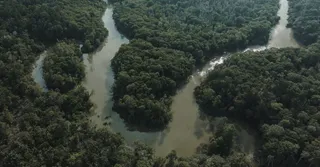
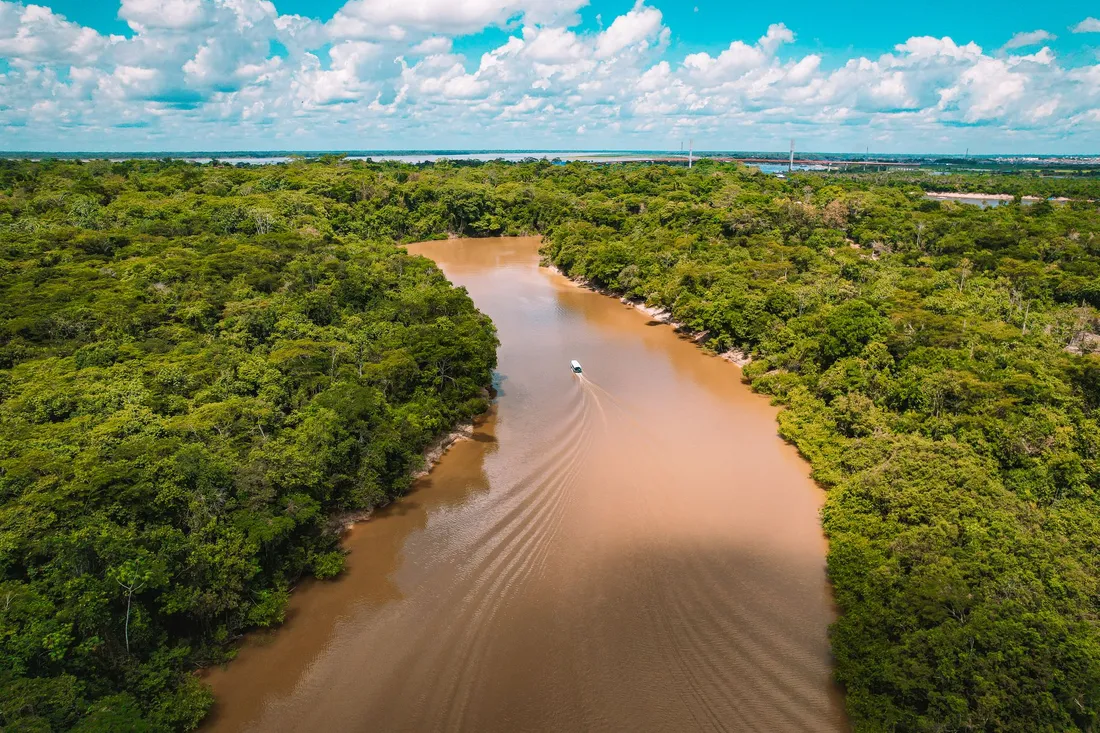
A 2-hour drive and track from Cayenne, the Kaw marshes are our absolute favourite. A night canoe trip (around 40-60 € depending on the operator) lets you spot black caimans, scarlet ibises and an incredible aquatic wildlife. Sleep in a floating carbet (open-air hut): waking up in the morning mist is guaranteed. The Kaw mountain also hides the very rare orange cock-of-the-rock.
11 to 13. Reserves and trails near Cayenne
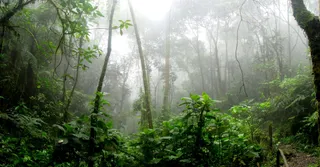
You do not need to go far for the jungle:
- The Trésor nature reserve (Kaw road): educational botanical trail, about 2h walk.
- The Rorota trail in Remire-Montjoly: an easy 4 km loop around a lake, ideal at the end of the day.
- Monkey Mountain (Montagne des Singes) in Kourou: a 1h climb to see free-roaming squirrel monkeys.
14 to 15. Waterfalls and carbets
The Gabrielle creek and the river rapids (sauts) offer natural swimming spots. On a longer stay, an expedition to Saut Maripa or to the villages of the interior plunges you into the real Amazon.
The Maroni and the west: the mixed-heritage soul
16 to 18. Saint-Laurent-du-Maroni and the penal colony
To the west, Saint-Laurent-du-Maroni (2h30-3h from Cayenne) is a major stop. The Camp de la Transportation (guided tour around 7-10 €, 1h30) tells the story of the penal colony with subtlety, far from the folklore. Then stroll through the official quarter with its colonial façades and old-world charm.
19 to 21. The Maroni River by canoe
The Maroni, the natural border with Suriname, is best experienced by canoe (pirogue). Heading downstream or upstream to the Bushinenge and Amerindian villages (Apatou, Maripasoula further up) is a rare immersion. Plan at least half a day with a local boatman; we can put you in touch. This is where French Guiana reveals its true blend of cultures: tembe (Bushinenge art), carved canoes, cross-border market.
Cayenne and the coast: Creole life
22. The Cayenne market
The central market (Wednesday, Friday and especially Saturday morning) is a feast for the senses: awara broth (bouillon d’awara), Chinese soup for breakfast, spices, rolls of fabric, Amazonian fruits. Go early, around 7-8am.
23. Place des Palmistes and old Cayenne
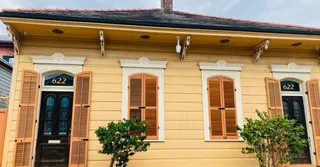
In the heart of the city, Place des Palmistes and its royal palms set the tone. All around: colourful Creole houses, Fort Cépérou, the cathedral. Perfect for a late-afternoon stroll on foot.
24. The Montjoly beaches and turtle nesting
In Remire-Montjoly, the sandy beaches (Montjoly, Gosselin) are the most beautiful on the coast. From March to July, the leatherback turtles come to nest at night: a moving spectacle, to be observed while respecting the guidelines of local associations.
25. Guianese gastronomy
Finish with the plate. Try the awara broth (bouillon d’awara) (the emblematic Easter dish), colombo, grilled coumarou fish, accras, and wash it all down with a maracudja (passion fruit) juice or a ti-punch. Cayenne’s evening food trucks are well worth the detour.
Our recommended 7-day itinerary
- Days 1-2: Cayenne (market, Place des Palmistes), Montjoly beaches, Rorota trail.
- Day 3: Kourou + Guiana Space Centre.
- Day 4: Salvation Islands (day trip or overnight stay).
- Days 5-6: Saint-Laurent-du-Maroni and a canoe trip on the Maroni.
- Day 7: Kaw marshes (floating carbet + night canoe trip).
Where to stay and how we support you
Sleeping well and having a local contact changes everything in French Guiana, where the unexpected is part of the journey. At Hostel Toucan, we offer characterful accommodation in Cayenne, Remire-Montjoly, Matoury, Kourou and Saint-Laurent-du-Maroni, managed by a local team.
By booking direct, you benefit from:
- No platform booking fees (you pay the fair price).
- Free cancellation up to 7 days before arrival.
- WhatsApp assistance 7 days a week: a postponed launch, a muddy track, a good boatman to find? We answer.
Discover our accommodation on the rentals in French Guiana page. And if you own a property here, let’s talk on our owners page: we take care of everything.
French Guiana is not visited like a rushed tourist, it is lived. Take your time, get up early, talk to people. And if you are unsure about what to do in French Guiana for your dates, write to us: we build your stay with you.
FAQ
What is the best time to visit French Guiana?
From mid-July to mid-November, during the dry season: passable tracks, less rain and ideal conditions for canoe trips and the islands. March to July also lets you see the leatherback turtles nesting on the Montjoly beaches.
Do you need a vaccine to go to French Guiana?
Yes, the yellow fever vaccine is mandatory to enter French Guiana. Make sure it is up to date before you leave. As French Guiana is a French department, no passport or visa is required for French nationals, an ID card is enough.
Is the visit to the Guiana Space Centre free?
No, the guided tour of the Guiana Space Centre in Kourou is free, by reservation and with ID required. It lasts around 3h. To attend an Ariane 6 or Vega-C launch from an observation site, book several weeks in advance.
Can you visit French Guiana without a car?
It is very difficult: tourist public transport is almost non-existent and the sites are far apart. A rental car is essential. Book it early, especially in the high season from July to November when demand is high.