Hostel Toucan — Apartments & Hotels
Menu

Settling in

Relocating to Martinique: 7 Housing Mistakes to Avoid

Published on July 30, 2026 · by Ismael Samuel

Relocating to Martinique: 7 Housing Mistakes to Avoid

A professional relocation to Martinique is a wonderful life project: a tropical climate, the sea within sight, a different rhythm. But between the moment you sign your posting in mainland France and the day you set down your bags in Fort-de-France or Le Lamentin, housing remains the number one headache. The local market has its own codes, its own seasons and its own traps, and many newcomers repeat the same mistakes, often expensive ones, sometimes hard to undo once you are on the island.

At Hostel Toucan, a concierge and para-hotel accommodation service in French Guiana and the French West Indies, we regularly support people who are relocating. Here are the 7 housing mistakes we see most often, and how to avoid them so your move to Martinique starts on the right foot.

Mistake no. 1: signing a lease remotely without having seen the island

This is the most frequent mistake, and the most understandable one: under pressure from the calendar, you want to lock down your housing before you even take off. You sign a three-year lease for a flat spotted in a listing, on the strength of a handful of photos alone.

The problem is that Martinique cannot be read on a map. Two neighbouring districts can have a radically different atmosphere, noise level, exposure to traffic jams and quality of life. A residence that looks ideal in photos can turn out to be noisy, poorly ventilated, or far from everything once you arrive.

Our recommendation: do not commit to a long-term lease until you have spent at least a few weeks on the island. Opt for temporary accommodation while you scout out neighbourhoods, test your home-to-work commute and get a feel for local realities. This is exactly the kind of transition we make easier with our properties.
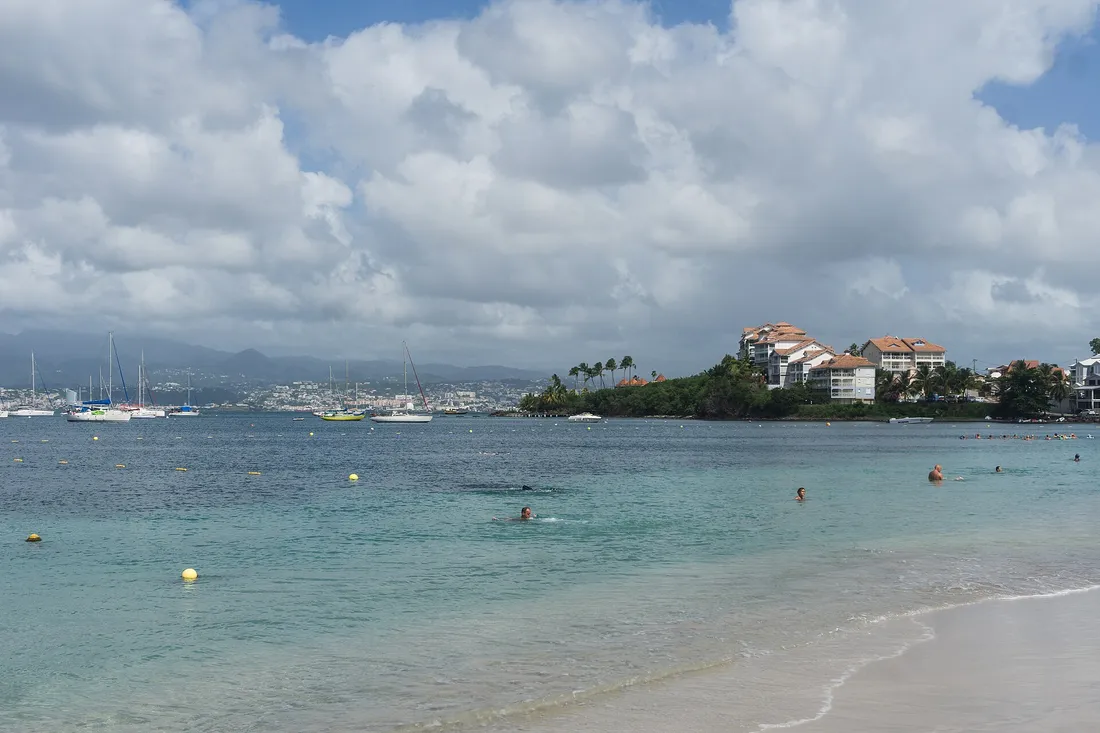
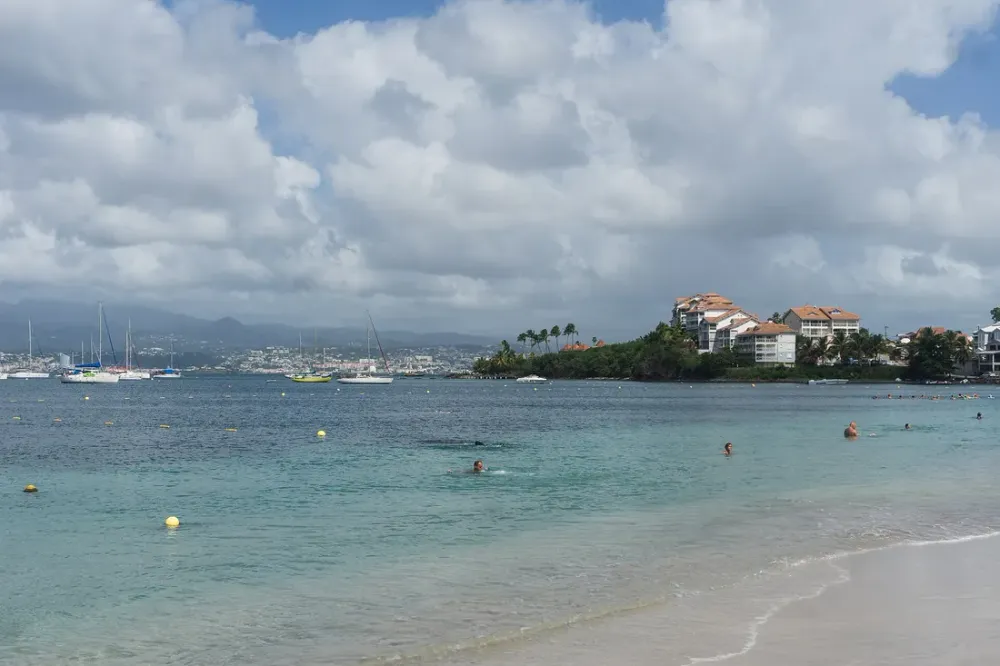
Front de mer des Trois-Îlets en Martinique, plage et voiliers avec les hauteurs de l'île en arrière-plan
Aux Trois-Îlets : bien choisir sa commune fait partie des premières décisions d'une mutation en Martinique. — © Alexey Komarov, via Wikimedia Commons

Mistake no. 2: choosing the wrong town and neighbourhood

Martinique is divided into several living areas, and the right location depends entirely on where you work and how you live.

  • Fort-de-France: the capital, dense and lively, convenient for those working in the city centre, but with sharply contrasting neighbourhoods.
  • Le Lamentin: the economic and administrative heart, close to the airport and to many business zones; often central for work commutes.
  • Schoelcher: neighbouring Fort-de-France, prized for its university and its beaches, a common choice for professionals and teachers.
  • Les Trois-Ilets, Sainte-Anne, Le Diamant (south): a sought-after seaside setting, but plan for the distance and the traffic if you work in the north.
  • La Trinite, Le Robert, Le Francois (Atlantic coast): quieter, with a different relationship to the sea and to nature.

The classic mistake is choosing a picture-postcard neighbourhood in the south without measuring the daily commute time to Le Lamentin or Fort-de-France. At peak hours, the routes around the central conurbation can become heavily congested.

Test your commute before committing

Before you sign, do the home-to-work journey at the actual time you will be doing it (morning and evening). Housing 15 km closer can win you a great deal of daily life back.

Mistake no. 3: underestimating the housing budget

Many newcomers reason using the benchmarks of their home town in mainland France. But rents in Martinique, particularly in sought-after areas and for quality properties, can be surprising, higher or lower depending on the sector.

A few benchmarks, purely indicative and variable according to the town, the condition of the property and the season:

  • Rents for recent, well-located properties often sit in a bracket comparable to that of large mainland conurbations.
  • The overall cost of living (imported food, energy, certain services) tends to be higher than in mainland France, which weighs on the monthly budget beyond rent alone.
  • Plan for starting cash to cover the security deposit, any agency fees and equipping the home.

The mistake to avoid: setting your budget on rent alone, without factoring in electricity (air conditioning can weigh heavily), water, insurance and setup costs. A budget checklist will save you from nasty surprises.

  • Monthly rent + building service charges
  • Security deposit and agency fees
  • Electricity consumption (air conditioning, water heater)
  • Home insurance suited to hurricane risk
  • Essential equipment and furniture
  • Safety margin for the first few weeks

Mistake no. 4: overlooking humidity, ventilation and orientation

In the tropics, a poorly designed home can quickly become hard to live in. Humidity is a constant reality: a badly ventilated flat encourages mould on the walls, in the cupboards and on textiles.

Points to watch during viewings:

  • Natural ventilation: facing windows that allow cross-breezes, ceiling fans already installed.
  • Orientation: a west-facing home can build up heat late in the day; the trade winds, on the other hand, naturally cool well-oriented properties.
  • Traces of damp: inspect wall corners, bathrooms, the backs of furniture, the ceiling.
  • Air conditioning: whether it is there, its condition and its running cost, since it directly affects your bill.

A property that catches the trade winds and stays naturally cool hugely improves daily comfort, and lightens the electricity bill.

Mistake no. 5: forgetting hurricane and environmental risk

Martinique is exposed to the hurricane season, which classically runs from June to November, generally peaking in late summer and early autumn. That is no reason to give up on the idea, but it is a factor to build into your choice of housing.

A few useful reflexes:

  • Find out where the property stands in relation to flood-prone areas or ravines.
  • Check the sturdiness of the openings and whether protections are fitted (shutters, louvres).
  • Take out home insurance that properly covers weather events.
  • Think about supplies (water, electricity) and the home’s self-sufficiency in the event of an intense episode.

The mistake would be to schedule your move-in right in the middle of hurricane season without having thought about it. If you can, keep your dates flexible and favour reassuring transitional accommodation for your first few weeks.

Cartons de déménagement étiquetés dans un logement, personne debout au milieu des affaires à ranger
Cartons prêts : une mutation réussie passe par un logement calé avant l'arrivée, pour éviter les erreurs de dernière minute. — © cottonbro studio, via Pexels

Mistake no. 6: arriving with no transitional solution

Going straight from the flight out of mainland France into a permanent home is rarely realistic. Between the time difference, travel fatigue, administrative formalities and the time it takes to find the right property, you need a buffer.

Without a transitional solution, two scenarios often play out:

  1. You fall back in a hurry on the first available home, even if you regret it afterwards.
  2. You pay a lot for a standard hotel room, poorly suited to a move-in that lasts several weeks.

Temporary furnished accommodation, with a kitchen and living space, is far more comfortable and economical for a stay of a few weeks to a few months. It lets you:

  • Unload your belongings and settle in calmly.
  • View long-term properties at your own pace, without rushing.
  • Open your accounts, handle formalities, enrol the children at school.
  • Receive your container or the belongings shipped from mainland France.

That is precisely what our para-hotel service offers: discover our properties designed for transitional stays. And if you own a property here that you would like to entrust to someone while you settle in, our concierge service can manage it for you.

The rule of three stages

Think of your move in three phases: arrival (temporary accommodation), exploration (scouting neighbourhoods and handling formalities), then anchoring (a long-term lease signed with full knowledge of the facts). Trying to do everything at once is the source of most bad choices.

Mistake no. 7: poorly anticipating formalities and shipping your belongings

Housing is not just about walls: it fits into a whole set of formalities that need to be synchronised. The mistake is to underestimate the timeframes.

  • Shipping your belongings: a shipping container from mainland France takes several weeks to arrive. Plan transitional accommodation that covers this delay, and carry the essentials in your luggage.
  • Administrative formalities: opening utility accounts, internet box, insurance, change of address. Some services can require connection lead times.
  • Schooling: if you have children, proximity and school catchment areas influence the choice of neighbourhood.
  • The vehicle: in many towns a car is all but indispensable; build parking into your housing criteria.

Anticipating these elements upstream, from mainland France, saves you precious time. A moving-in checklist will help you forget nothing:

  • Book temporary accommodation covering the container’s transit time
  • Plan the shipping of your belongings
  • Prepare utility account openings and the internet subscription
  • Anticipate school enrolment for the children
  • Plan a mobility solution (vehicle, parking)
  • Scout neighbourhoods before signing a long-term lease

Settling in well: the method in summary

Succeeding in your relocation to Martinique, housing-wise, comes down to one simple idea: do not rush anything. Take the time to arrive, observe, compare, and only then choose. Comfortable transitional accommodation turns a stressful move into a calm discovery of your new life.

The key points to remember:

  • Do not sign a long-term lease remotely.
  • Choose your town based on your real commutes.
  • Build an overall budget, beyond rent alone.
  • Check ventilation, humidity and orientation at every viewing.
  • Factor hurricane risk into your choices.
  • Always plan a transitional solution.
  • Anticipate formalities and the shipping of your belongings.

Frequently asked questions

Do you need a car to live in Martinique?

In most towns, yes: outside central Fort-de-France, public transport remains limited and a car makes daily life much easier. So build parking and journeys into your housing choice from the outset.

How long should you plan for in temporary accommodation?

It depends on your situation, but a bracket of a few weeks to a few months is common, the time needed to receive your belongings, complete formalities and find the right long-term home without rushing. A little margin is better than having to rehouse yourself in an emergency.

What is the best time of year to move in?

As a guide, many newcomers prefer to avoid the heart of hurricane season (generally late summer to early autumn) for their first few weeks. If your posting leaves you no choice, reassuring transitional accommodation is all the more useful.

Can you manage your property while settling in?

Yes. If you already own a property in Martinique, a concierge service can handle its rental management during your transition. Discover our concierge service to find out more.

How do you find reliable transitional accommodation?

Go through an established local operator who knows the neighbourhoods and offers move-in-ready furnished properties. You can browse our properties or contact us for personalised support tailored to your dates and your budget.

Ready to prepare your arrival?

Do not let housing spoil the excitement of your new life in Martinique. The best decision you can make is to give yourself a genuine settling-in buffer: furnished, comfortable and well-located accommodation, for as long as it takes to find the permanent home in the right place at the right price.

Book temporary accommodation now from our properties, and do not hesitate to contact us so we can build a stress-free move together. For more practical advice on life in the French West Indies and French Guiana, browse the blog.

🧭 Which stay suits you?

3 questions, 20 seconds.

Also read