Guadeloupe is as much a place to savor as it is to explore. Between the spices of colombo that perfume the markets, the sizzle of a bokit fresh out of the oil and the crunch of a cod accra, the archipelago is a true food lover’s destination. Here, eating well is never complicated: just follow your nose, push open the door of a small Creole eatery, or lay down your napkin with your feet in the sand. This guide offers a flavorful overview to help you figure out where to eat in Guadeloupe, which specialties to try first, and how to choose your table based on your area and budget. Get your taste buds ready, we’re heading into the Creole kitchen!
Guadeloupean Creole cuisine, a fusion to savor
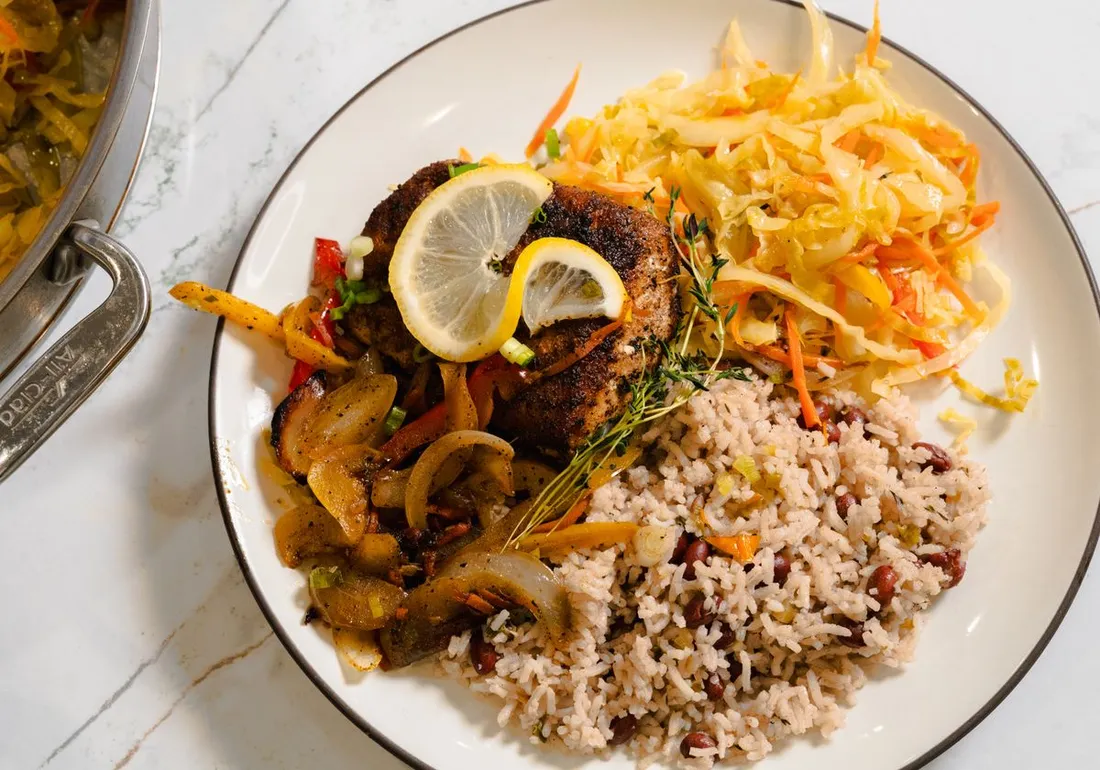
Guadeloupe’s gastronomy tells its whole story: African, Amerindian, French and Indian influences all came together in the cooking pot to create a generous, spicy and deeply convivial cuisine. You’ll find the taste of the sun, the freshness of seafood and the richness of Creole gardens.
A few must-tries to put on the menu:
- Cod accras: these golden, fluffy fritters are the ritual of any West Indian aperitif. They’re enjoyed piping hot, sometimes spiced up with a touch of chili.
- Colombo: this slow-cooked dish made with a blend of spices (the famous colombo powder) comes in chicken, goat or fish versions, served with rice and local vegetables.
- Fish court-bouillon: a preparation in a tomato, lemon and chili sauce, where the fresh catch of the day takes center stage.
- Bébélé: a specialty of Marie-Galante, this hearty dish made with tripe, breadfruit and green bananas is worth the detour for the curious.
- Crab matété: a crab rice traditionally prepared for the Easter celebration.
- Blaff: fish or ouassous (local crayfish) poached in a lemony, garlicky broth, light and fragrant.
Our tip: give in to the daily special at small local eateries. That’s often where you’ll find the most authentic cuisine, slow-cooked just like at home.

The bokit, star of Guadeloupean street food
You can’t talk about street food in Guadeloupe without mentioning the bokit. This fried bread, descended from the “johnny cake,” is filled to order: chicken, cod, ham and cheese, conch, tuna or a vegetarian version. Crispy on the outside, soft on the inside, it’s the ultimate quick lunch, both filling and affordable.
Where to find the best bokits?
- By the beaches and in the parking lots of tourist sites, where bokit trucks and stalls set up from midday onward.
- In the lively towns of Grande-Terre, where street vendors build a reputation season after season.
- On your way out of the market, to combine local shopping with a tasty break.
As for budget, the bokit remains one of the most affordable options on the archipelago: a complete combo leaves you with enough to treat yourself afterward to a fresh fruit juice (guava, passion fruit, sugarcane) or a coconut ice cream. Don’t hesitate to ask for the “fully seasoned” version with sauce chien, a fresh condiment made with onion, garlic, lime and chili that brings everything to life.
Where to eat in Le Gosier?
A lively seaside resort in Grande-Terre, Le Gosier boasts a wonderful variety of eateries, from the simplest to the most creative. It’s an ideal area if you want to mix things up without straying too far.
Bistro-style tables
Several spots in town bank on creative cooking that pairs local products with contemporary techniques: line-caught fish, tuna tataki, lobster, and variations on local vegetables. It’s the option to favor for a refined dinner, built around a seasonal menu. Be sure to book, as these tables fill up quickly in high season.
Family Creole eateries
To rediscover the taste of grandma’s cooking, head for the small family restaurants in the town: colombo, accras, fish fricassee and plantain are enjoyed there in a warm, no-fuss atmosphere. The value for money is generally excellent, perfect for a hearty lunch.
Bars and laid-back seaside spots
Le Gosier also has spots with a relaxed vibe, ideal at the end of the day: sharing platters, Creole tapas, house cocktails facing the sunset. A lovely way to extend a day at the beach.
Where to eat in Sainte-Anne?
Renowned for its beaches, among the most beautiful on the island, Sainte-Anne is also a culinary highlight of Grande-Terre. The town and its seafront are packed with eateries where you can eat just as well in the evening as right after a swim.
The Sainte-Anne market
The town market is a food destination in its own right. There you’ll find colombo spices, vanilla, local fruit jams, infused rums, exotic fruits and small Creole treats like sukak or coconut bars. It’s the perfect place to taste, chat with the producers and bring home a few flavorful souvenirs.
Tables facing the beach
Along the seafront, several establishments offer varied cuisine, from tapas to sushi by way of Creole classics, often almost with your feet in the sand. The atmosphere is festive and ideal for a dinner with a group.
Home cooking and original spots
Sainte-Anne is also home to more under-the-radar eateries that reinvent local products, such as cassava, with homemade preparations sometimes adapted to special diets. Perfect if you’re looking for authenticity with a touch of originality.
Where to eat elsewhere on the archipelago?
Beyond the two flagship resorts, every corner of Guadeloupe has its culinary gems. Here’s how to find your way around by area.
Grande-Terre and Saint-François
To the east of the island, Saint-François is a vibrant town with its marina, its sea-facing eateries and its fish and seafood restaurants. The Pointe des Châteaux and its surroundings also offer a few stalls where you can enjoy a bokit or some skewers facing the ocean.
Basse-Terre and the leeward coast
Basse-Terre, wilder and greener, is the kingdom of Creole garden produce and spices. Around Deshaies, Bouillante or Pointe-Noire, you’ll find seaside tables serving ouassous, grilled fish and slow-cooked dishes. It’s also cacao and orchard country: don’t miss a tasting of local chocolate or fresh fruit.
Pointe-à-Pitre and its market
The economic heart of the archipelago, Pointe-à-Pitre buzzes around its famous spice market (the Saint-Antoine market). Colors, scents of nutmeg, cinnamon and bay rum, stalls of fruit and infused rums: it’s an unmissable sensory immersion. Nearby, the small lolos (neighborhood restaurants) serve straightforward Creole cuisine, ideal for lunch.
What budget should you plan for eating in Guadeloupe?
The beauty of Guadeloupean dining is that it suits every wallet. Here are a few benchmarks to help you plan:
- Tight budget: bokits, accras, fresh fruit juices and the daily specials at the lolos. You’ll feast for a few euros, especially at the markets and near the beaches.
- Mid-range budget: family Creole eateries and seaside restaurants offer complete set menus (starter, main, dessert) at reasonable prices, especially at lunch.
- Treat-yourself budget: bistro-style and gourmet spots, more common in Le Gosier, Sainte-Anne and Saint-François, offer a refined experience for a special occasion.
Insider tip: lunch is often a better deal than dinner, with attractive midday set menus. And cooking a few meals yourself with market produce remains an excellent way to keep your budget in check while still treating yourself.
Rum, the art of the Creole aperitif
No Guadeloupean meal would be complete without a touch of rum. The archipelago is a land of agricultural rum, distilled directly from fresh cane juice. The ti-punch (white rum, cane syrup, lime) is the ultimate aperitif ritual: “everyone prepares their own death,” people say with a wink, meaning you dose it yourself, always in moderation.
To go further:
- Taste the homemade infused rums, where rum macerates with fruit, spices or vanilla, often available at the markets.
- Discover the aged rums matured in barrels, to be enjoyed like a fine spirit.
- Push on to the distilleries to understand how it’s made and taste it on site: we tell you more in our article on the rum estates and distilleries of Guadeloupe.
Our practical tips for eating well in Guadeloupe
To make the most of the culinary adventure, keep these few reflexes in mind:
- Book your table on weekends, during school holidays and in high season, especially for bistro-style spots.
- Dare to try the small local eateries and lolos: that’s often where the best cuisine hides, the most authentic and the most welcoming.
- Follow the Creole rhythm: many kitchens close early in the evening, and service takes its time. Relax, you’re on vacation!
- Eat seasonally: let the day’s arrivals guide you, particularly for fish and seafood.
- Ask for advice from the locals and your host: the best spots are passed along by word of mouth.
- Stay hydrated and savor the local fruit juices (soursop, passion fruit, guava) between two spicy tastings.
Where to stay to enjoy the best tables?
To easily reach the markets, the foodie towns and the beaches, it’s best to choose well-located accommodation in Grande-Terre. Hostel Toucan is expanding its range of accommodations in Guadeloupe to settle you as close as possible to the Creole atmosphere, with a fully equipped kitchen to prepare your market finds yourself. Also discover our accommodations across the West Indies to build your foodie itinerary.
Before booking your table, take the time to plan your days between swimming and gastronomy: our guide to the most beautiful beaches in Guadeloupe will help you pair each Creole lunch with a dream patch of sand.
Ready to feast? Book your stay with Hostel Toucan and let Guadeloupe tell you its story, one bite at a time. Enjoy your meal, or as they say here: bon apéti!
Spots and establishments mentioned for guidance only; hours, prices and names may change.