Every July, when night falls over the village of Sainte-Anne, you hear the ka before you see it. The drum rises up from the seafront, voices answer in Creole, and the whole town gravitates toward the stage. For anyone looking for a place to stay during Sainte-Anne’s Gwoka Festival, the challenge is simple: sleep close enough to walk home after a lewoz that ends at daybreak. Living on this limestone wing of the Guadeloupean butterfly, I’m sharing here the event’s schedule, the venues for the concerts and the lewoz, and the way I go about choosing a well-located place to stay.
The Gwoka Festival, Sainte-Anne’s Summer Highlight
The Gwoka Festival is the great cultural high point of Sainte-Anne, a seaside town in southern Grande-Terre. It takes place every year in July, usually over the course of a week, and turns this village known for its turquoise lagoons into the capital of the drum. The event has existed since the late 1980s and remains organized by and for the ka community: it is anything but a show calibrated for tourists.
In practical terms, the event blends several formats:
- evening concerts on the large seafront stage, featuring renowned ensembles of contemporary gwoka;
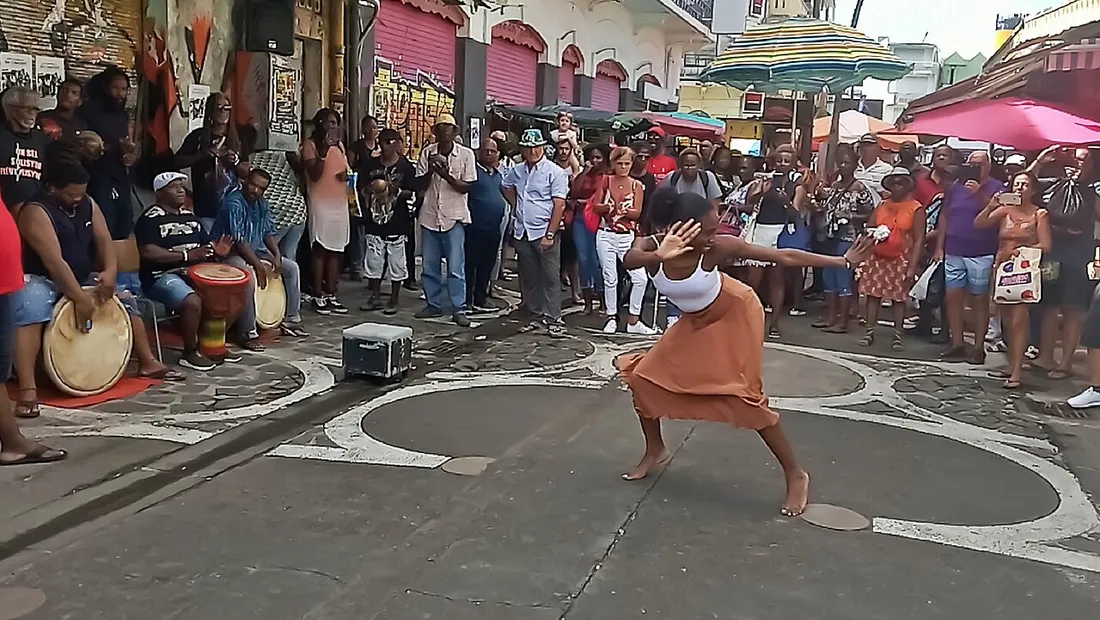
- lewoz (the traditional all-night dance gatherings) that take over once the main stage goes dark, often lasting until dawn;
- workshops and talks during the day: introduction to the seven rhythms, drum-making, dance, transmission;
- a craft and Creole market with lolos, local juices and instrument stalls.
Good to know: July falls within the rainy season, with short, warm showers in the late afternoon and mild evenings around 27-28 degrees. Pack a light rain jacket rather than an umbrella.
Why Gwoka, a UNESCO Heritage, Is Worth the Trip
If you’re not yet familiar with this music, know that gwoka has been inscribed on UNESCO’s Representative List of the Intangible Cultural Heritage of Humanity since 2014. This is no folkloric footnote: it is an art born on the sugar plantations, carrying the memory of slavery and of Creole resistance.
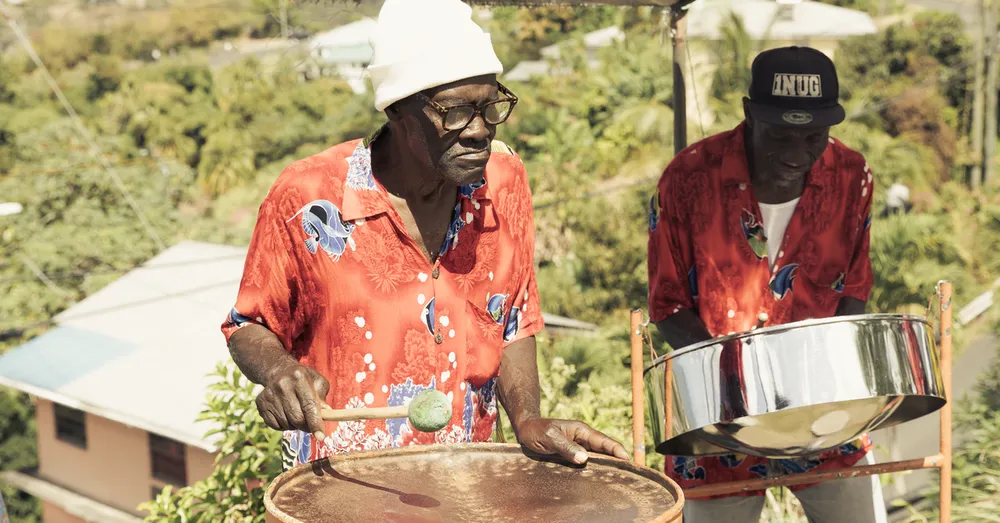
Gwoka rests on seven rhythms (kaladja, toumblak, graj, mennde, padjanbel, woule and lewoz), each tied to an emotion or a situation. Around the drums, the circle brings together the boula (the bass drum that holds the beat) and the makye (the soloist who dialogues with the dancer). It is this conversation between the body and the drumhead that makes each lewoz unique.
Understanding this foundation changes everything: you no longer watch a concert, you step into a living act of transmission. To place this event within the traditions of the archipelago, our complete guide to Guadeloupe provides useful context.
The Typical Schedule: Concerts, Lewoz and Workshops
The dates and the lineup change every year and are announced in spring. The structure of a festival day, however, is remarkably stable.
During the Day: Workshops, Market and Talks
- Morning (from 9-10am): introductory drum and dance workshops, often free or around 5 to 10 euros, to understand the rhythms before listening to them in the evening.
- Afternoon: talks on the history of gwoka, a UNESCO heritage, demonstrations of ka-making (goat skin over a wooden frame), craft market.
- Food: the lolos serve bokit (the local fried sandwich, 4 to 6 euros), accras and cane juice, that is 12 to 18 euros for a full meal.
In the Evening: The Big Seafront Stage
The concerts start around 8-9pm on the stage set up facing the sea. Admission is most often free, which explains the crowds: families, enthusiasts from all over Guadeloupe, musicians. Arrive early to be near the stage, or stay by the stalls to enjoy the sound while wandering.
In the Dead of Night: The Lewoz, the Beating Heart of the Festival
This is where the magic happens. The Sainte-Anne lewoz takes over when the main stage goes dark. A circle forms, the drums settle in, and anyone can step into the center to dance, sing or take on the soloist. No barrier between artists and audience. The lewoz can last until 4 or 5 in the morning.
Tip from experience: don’t try to film everything, a lewoz is felt. Stay on the edge of the circle at first, observe the codes, and let the rhythm take hold of you.
It is the nighttime nature of this July drum festival that makes the choice of accommodation decisive: walking home at 4 in the morning is the comfort that changes everything.
Where to Stay to Live the Festival on Foot
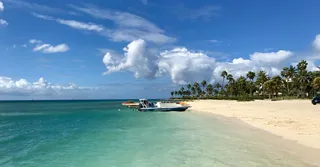
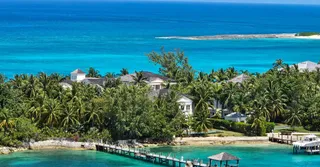
The village of Sainte-Anne is compact. Concerts and lewoz are concentrated around the seafront and the village beach, a stone’s throw from the church and the market. The goal of a good place to stay for the Sainte-Anne Gwoka Festival is therefore clear: stay within walking distance, avoid the car at night, and enjoy the beaches by day as well.
The Three Areas to Aim For
- The village and its immediate surroundings (0 to 800 m from the stage): the ideal spot. You walk home, you avoid the saturated parking, you’re at the heart of the atmosphere. The trade-off: noise until late, the festival’s assumed deal.
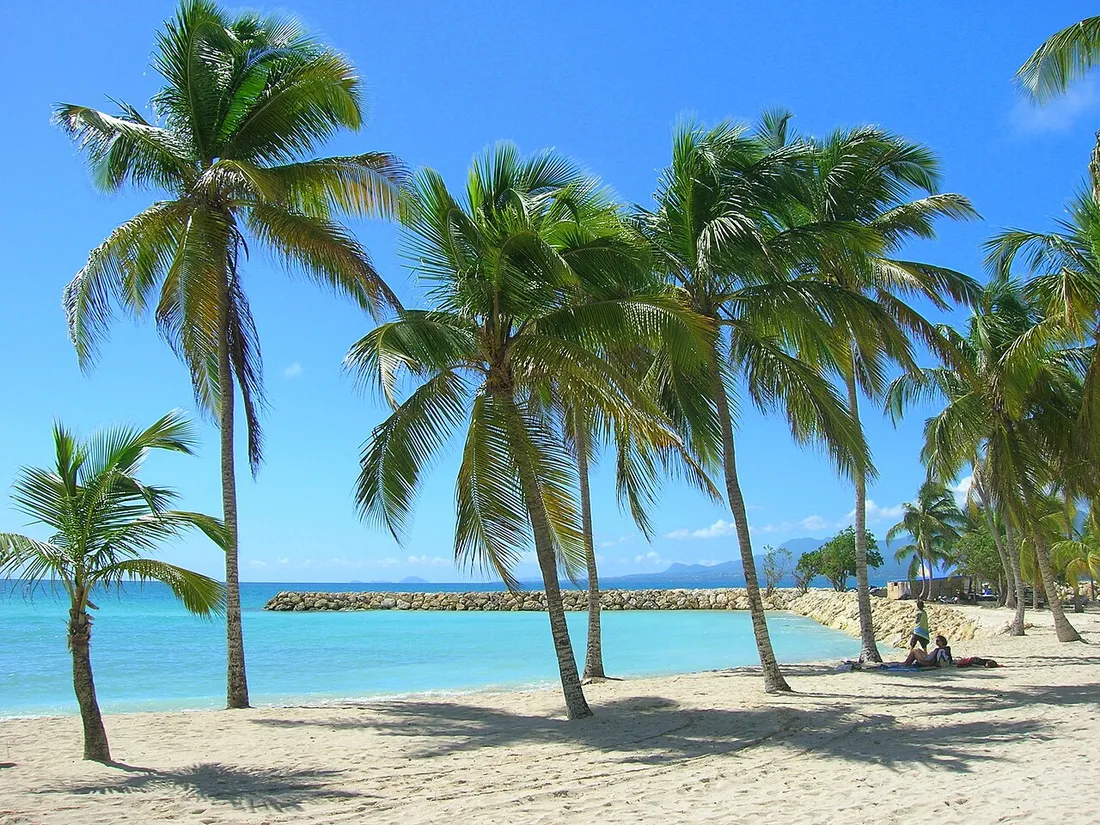
- The Caravelle area (1.5 to 3 km): quieter at night, with one of the island’s most beautiful turquoise lagoons within reach. Allow 5 to 10 minutes by car; for the late-night return, plan a carpool.
- Bois Jolan and the south of the town (4 to 6 km): a shallow lagoon ideal for families, but too far to walk home after a lewoz. Reserve this if you’re coming by car.
My Local Advice on Budget and Timing
- Book early. July is already busy (school holidays, diaspora returning home), and festival week drives demand even higher.
- Accommodation budget. For a well-located place in July, count on an average of 90 to 160 euros a night for a studio or a one-bedroom, more for a villa with a pool. The properties within walking distance go first, and a place with a kitchen makes all the difference after a night of lewoz.
To find a base within the right radius, browse our rentals in Guadeloupe: properties close to Sainte-Anne’s seafront, designed for stays where proximity is everything.
Combining the Festival with Discovering the Archipelago
The festival is lived at night and leaves your days free. Between two evenings of ka:
- The beaches of southern Grande-Terre: La Caravelle, Bois Jolan, or the Pointe des Chateaux for its wild panorama.
- A day trip to Les Saintes (Terre-de-Haut, its listed bay) departing from Saint-Francois, 20 minutes away.
- Head for Basse-Terre: the Cousteau Reserve at Malendure for snorkeling around the Pigeon islets, the Carbet Falls or the slopes of La Soufriere (1,467 m).
- Marie-Galante, the island of a hundred windmills and its rum distilleries (Bielle, Bellevue, Pere Labat).
Consider renting a car: you set up your nature days and keep your evenings for the drum.
Why Book with Hostel Toucan
At Hostel Toucan, we are residents and know the village of Sainte-Anne street by street, from the best lolo to the corner where the sound of the lewoz carries best. By booking directly, you benefit from:
- Direct booking with no platform fees: you pay a fair price, with no hidden commission.
- Free cancellation up to 7 days before arrival, with peace of mind even if the festival dates are confirmed late.
- WhatsApp assistance 7 days a week: a question about the program, the location of the stage, advice on getting home at night? We answer.
Are you an owner in Sainte-Anne or southern Grande-Terre? Discover our concierge offer on the owners page.
Sainte-Anne’s Gwoka Festival is the rare chance to experience music inscribed by UNESCO right where it was born. Well housed, within walking distance of the seafront, let the ka carry you until morning.
FAQ
When does the Gwoka Festival take place in Sainte-Anne?
The festival is held every year in July, most often over the course of a week. The exact dates and the lineup are announced in spring by the municipality and the ka associations.
Is gwoka really listed by UNESCO?
Yes, since 2014, on the Representative List of the Intangible Cultural Heritage of Humanity. This music, born on the sugar plantations, rests on seven rhythms and brings together the bass drum (boula) and the soloist (makye) around the circle of song and dance, the lewoz.
Where to stay to walk home after a lewoz?
Aim for the village and its surroundings, within a radius of 800 meters around the seafront, where concerts and lewoz are concentrated. The Caravelle (1.5 to 3 km) or Bois Jolan (4 to 6 km) areas are quieter but require a carpool for the late-night return.
What budget should I plan for accommodation during the festival?
Count on an average of 90 to 160 euros a night for a well-located studio or one-bedroom, more for a villa with a pool. With demand running high, book several months in advance and favor a property with a kitchen.