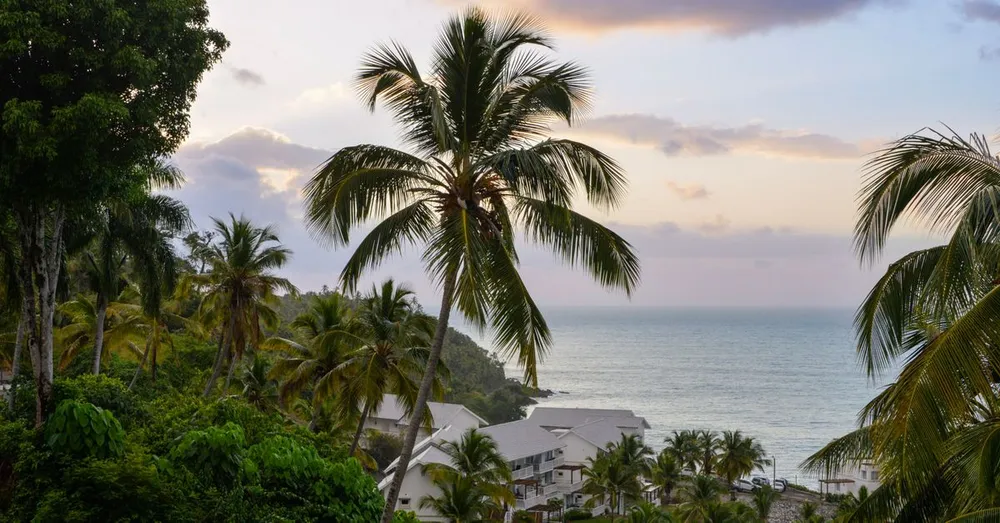
Martinique is home to a handful of distilleries still in operation, and every one of them produces what the island takes the greatest pride in: rhum agricole, the only rum in the world to hold an AOC (Appellation d’Origine Controlee, since 1996). Unlike industrial rum made from molasses, it is distilled directly from the juice of freshly pressed cane. After a dozen years criss-crossing the island and guiding our travellers, I’ve put together this hands-on itinerary: nine real stops, from the Caribbean north to the south, with opening hours, tasting prices, accessibility levels and, above all, where to stay so you don’t spend your days behind the wheel.
Before you set off: what you need to know
A car is essential. The distilleries are scattered across the whole territory and no public transport serves them properly. Allow roughly 1h15 of driving between the far north (Saint-Pierre) and the south (Sainte-Luce).
A few concrete pointers:
- Best time to go: the Careme (dry season), from December to April. Dry roads, crisp light over the cane fields.
- Entry: most distilleries are free and open access for the outdoor grounds and the shop. Only guided tours and museums are paid (from 8 to 15 EUR depending on the site).
- Tasting: often free in the shop, with no obligation to buy. Premium guided tastings (aged rums, vintages) run around 10 to 25 EUR.
- Golden rule: you taste, you don’t get drunk. The designated driver stays sober. The legal blood-alcohol limit behind the wheel is the same as in mainland France.
Local tip: don’t try to do all nine in a single day. Split them into two loops, north and south, over two days. You’ll really get to enjoy the scenery.
North Loop: Saint-Pierre, Le Carbet and Le Precheur
1. Distillerie Depaz (Saint-Pierre)
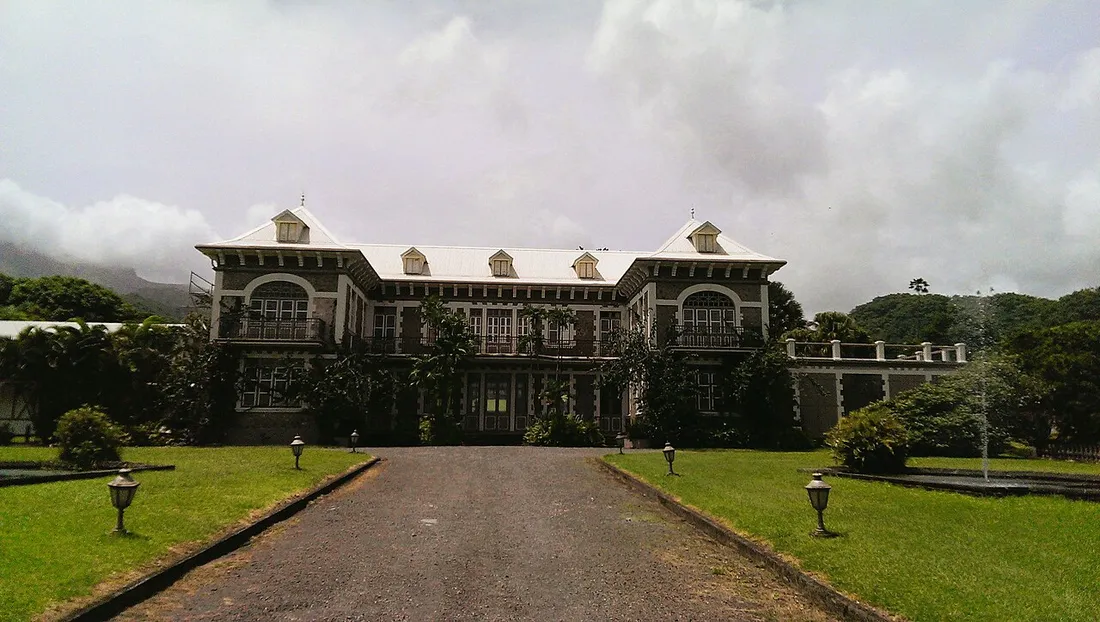
At the foot of Mount Pelee, the Depaz estate is arguably the most spectacular on the island. The colonial chateau, the terraced cane fields and the view over the Caribbean Sea are worth the trip on their own.
- Hours: daily, roughly 9am-5pm (shop).
- Prices: outdoor grounds free; guided tour of the chateau around 10 EUR.
- Accessibility: partly paved paths, sloping terrain. Bring closed-toe shoes.
- Worth a taste: the Plantation cuvee and the amber aged rums.
2. Habitation Saint-Etienne (Gros-Morne / Le Lorrain)
Less crowded, HSE charms visitors with its restored industrial architecture and award-winning cuvees. The former distillery has become a cultural venue.
- Hours: Monday to Saturday, roughly 9am-5pm.
- Prices: free open-access visit; tasting in the shop.
- Accessibility: relatively flat site, family-friendly.
3. Neisson (Le Carbet)
A small, independent family house, Neisson is the well-kept secret of connoisseurs. Limited production, absolute standards, a structured white rum that has become a cult favourite among bartenders.
- Hours: Monday to Friday, 9am-4pm; Saturday morning depending on the season.
- Prices: free on-site visit and tasting.
- Worth a taste: the 52.5% white, an essential reference for ti-punch.
The north loop pairs perfectly with the heritage-listed ruins of Saint-Pierre and a glimpse of Mount Pelee. Find the rest of the area’s essentials in our complete guide to Martinique.
Central Loop: the plain and Le Lamentin
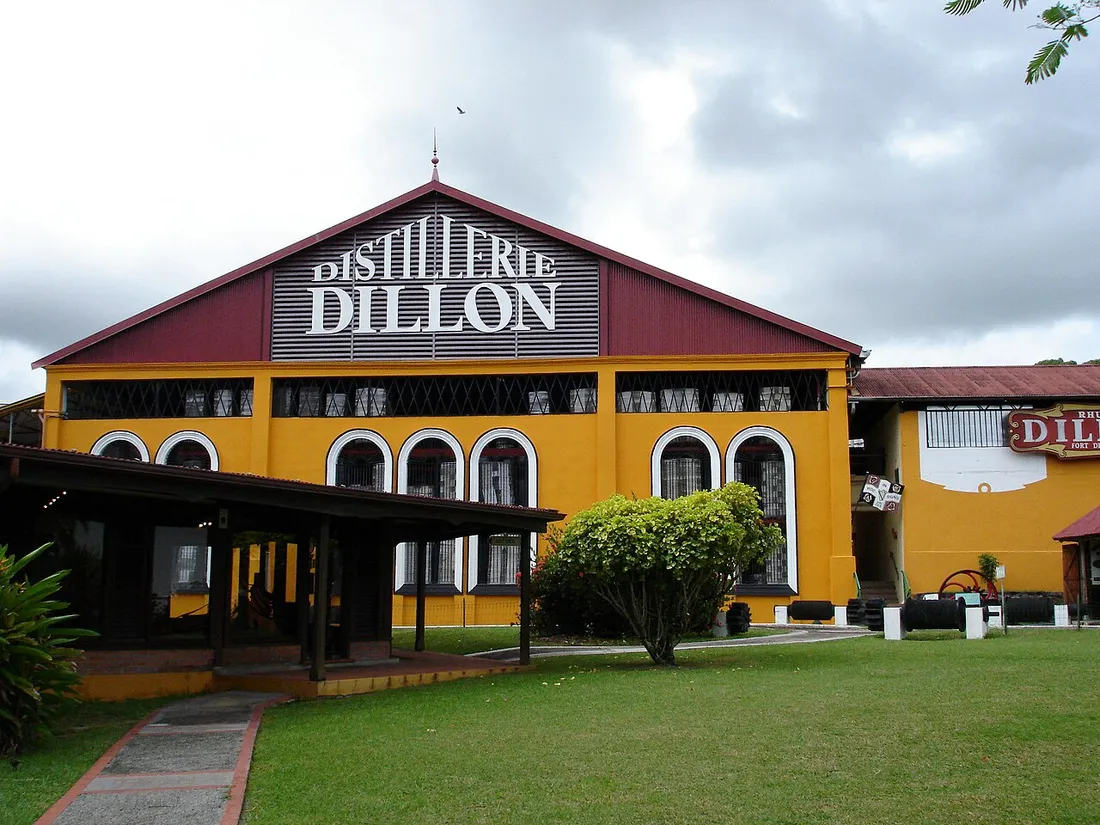
4. Distillerie Dillon (Fort-de-France)
Convenient because it’s close to the capital and Aime Cesaire airport, Dillon makes an easy stop at the start or end of your stay. Its red chimney is a well-known landmark.
- Hours: Monday to Friday, 9am-4pm.
- Prices: free visit, shop with tasting.
- Accessibility: urban site, flat, easy to reach.
5. Habitation Clement (Le Francois)
The unmissable stop in the south-east. Clement means a heritage-listed landscaped park, tropical gardens, an art gallery and a foundation. You can easily spend half a day here.
- Hours: daily, 9am-6pm (last entry around 5pm).
- Prices: entry ticket around 15 EUR including the park, the gardens and a tasting.
- Accessibility: wide paths, partly accessible to strollers and wheelchairs.
- Worth a taste: the Clement Selection Barrel cuvees and the XO aged rums.
South Loop: the rum coast
6. Distillerie La Mauny (Riviere-Pilote)
In the heart of a lush green valley, La Mauny offers a little tourist train to tour the estate. An ideal format with children.
- Hours: Monday to Saturday, 9am-5pm.
- Prices: little train tour around 8 to 10 EUR; tasting in the shop.
- Accessibility: very good, the little train avoids the walking.
7. Trois-Rivieres (Sainte-Luce)
The white windmill of Trois-Rivieres is one of the island’s most photographed images. Generous shop, renowned vintage cuvees.
- Hours: daily in season, 9am-5pm.
- Prices: free open-access visit; paid premium tastings.
- Worth a taste: the vintages and the Cuvee de l’Ocean.
8. Distillerie JM (Macouba, north-Atlantic)
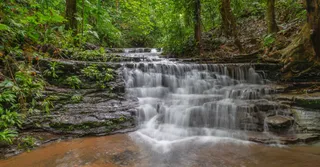
Tucked away in the humid north, JM produces in a lush tropical setting fed by a mountain spring. It is the northernmost and one of the most authentic.
- Hours: Monday to Friday, 9am-4:30pm.
- Prices: free visit; complimentary tasting.
- Accessibility: winding road up to the site, allow extra time.
- Worth a taste: the JM aged rums, among the most awarded in the Caribbean.
9. Saint-James (Sainte-Marie)
A major cultural stop: Saint-James is home to the Rum Museum, which traces the entire history of cane and Caribbean distillation. Educational and thorough.
- Hours: Monday to Friday 9am-5pm, reduced weekend hours.
- Prices: free access to the museum and distillery; paid guided tasting.
- Worth a taste: the Royal Ambre range and the hors d’age cuvees.
Quick dashboard
To organise your loops:
- North: Depaz, HSE, Neisson, JM, Saint-James (pair with Saint-Pierre and the Caravelle).
- Centre: Dillon, Clement.
- South: La Mauny, Trois-Rivieres (pair with Les Salines, the Diamond rock).
Allow 1h30 to 2h per distillery if you take the guided tour, 30 to 45 minutes for a simple shop-and-tasting.
Where to stay to optimise your rum trail
The secret to a good circuit is a central base that avoids long drives back at night. Depending on your priority loop:
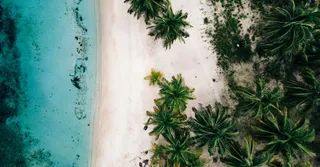
- South (Sainte-Anne, Le Diamant, Sainte-Luce): ideal for La Mauny and Trois-Rivieres, with the beaches of Les Salines and Anse Dufour within reach.
- Centre (Les Trois-Ilets, Le Francois): perfect for Clement and Dillon, a stone’s throw from the legacy of Josephine de Beauharnais.
- North (Saint-Pierre, Le Carbet): for Depaz, Neisson and JM, at the foot of Pelee.
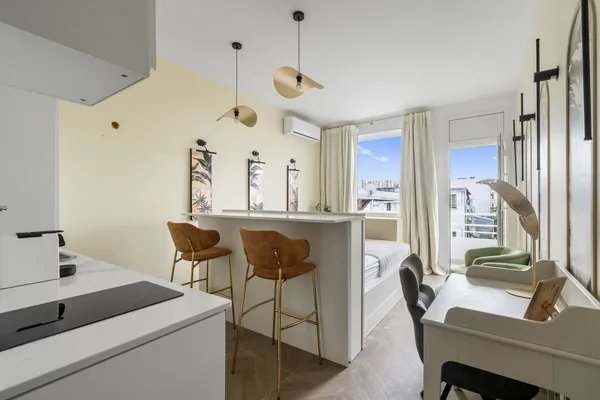
At Hostel Toucan, our properties are spread across these three key zones. Booking directly means zero platform fees, free cancellation up to 7 days before arrival, and 7-day-a-week WhatsApp support to adjust your itinerary in real time (a distillery closed unexpectedly, fickle weather). Discover our accommodation in Martinique to set up your base as close as possible to your favourite distilleries.
Do you own a property on the island and want to showcase it to travellers who love rum and heritage? Our concierge service is detailed on the owners page.
My end-of-trail advice
Keep a bottle of white agricole for the way home: a well-balanced ti-punch (lime, a dash of cane syrup, 50% white rum) remains the best liquid souvenir of Martinique. And keep customs limits in mind if you’re heading back to mainland France. Cheers, and drive gently between two tastings.
FAQ
Do Martinique’s distilleries charge admission?
Most distilleries offer free open access to the outdoor grounds and the shop, tasting included. Only guided tours, museums (like Saint-James) and certain premium tastings are paid, generally between 8 and 15 EUR. Habitation Clement charges an entry ticket of about 15 EUR giving access to the park and gardens.
What is the best time to do the rum trail?
The Careme, the dry season from December to April, is ideal: dry roads, clear skies and beautiful light over the cane fields. It’s also peak tourist season, so it’s best to book your accommodation in advance. Avoid local public holidays when some distilleries close.
Can you visit several distilleries in one day?
Yes, but limit yourself to two or three to make the most of it. Allow 1h30 to 2h per site with a guided tour, or 30 to 45 minutes for a shop-and-tasting. Split into geographic loops (north, centre, south) and appoint a sober driver, as Martinique’s roads are winding.
Do you need a car to visit the distilleries?
Yes, a car is strongly recommended. The distilleries are spread across the whole island and public transport does not serve them properly. Allow roughly 1h15 of driving between Saint-Pierre in the north and Sainte-Luce in the south. A central base, such as a Hostel Toucan property, greatly reduces travel time.