Are you preparing a job transfer or a move to French Guiana, and does the question of safety keep coming up in your research? That’s perfectly normal, and it’s actually a healthy instinct. French Guiana is an endearing territory, young and dynamic, but it is also a department where the choice of neighbourhood deserves serious thought, without dramatising or downplaying anything. The goal of this article is not to frighten you, but to give you concrete points of reference so you can arrive from mainland France and find a home with peace of mind, whether in Cayenne, Kourou, Saint-Laurent-du-Maroni or the communes of the Île de Cayenne.
The good news is that with the right method, a preliminary visit and a little time on the ground before signing a permanent lease, you avoid the vast majority of unpleasant surprises. Here’s how to go about it.
Understanding the human geography of French Guiana
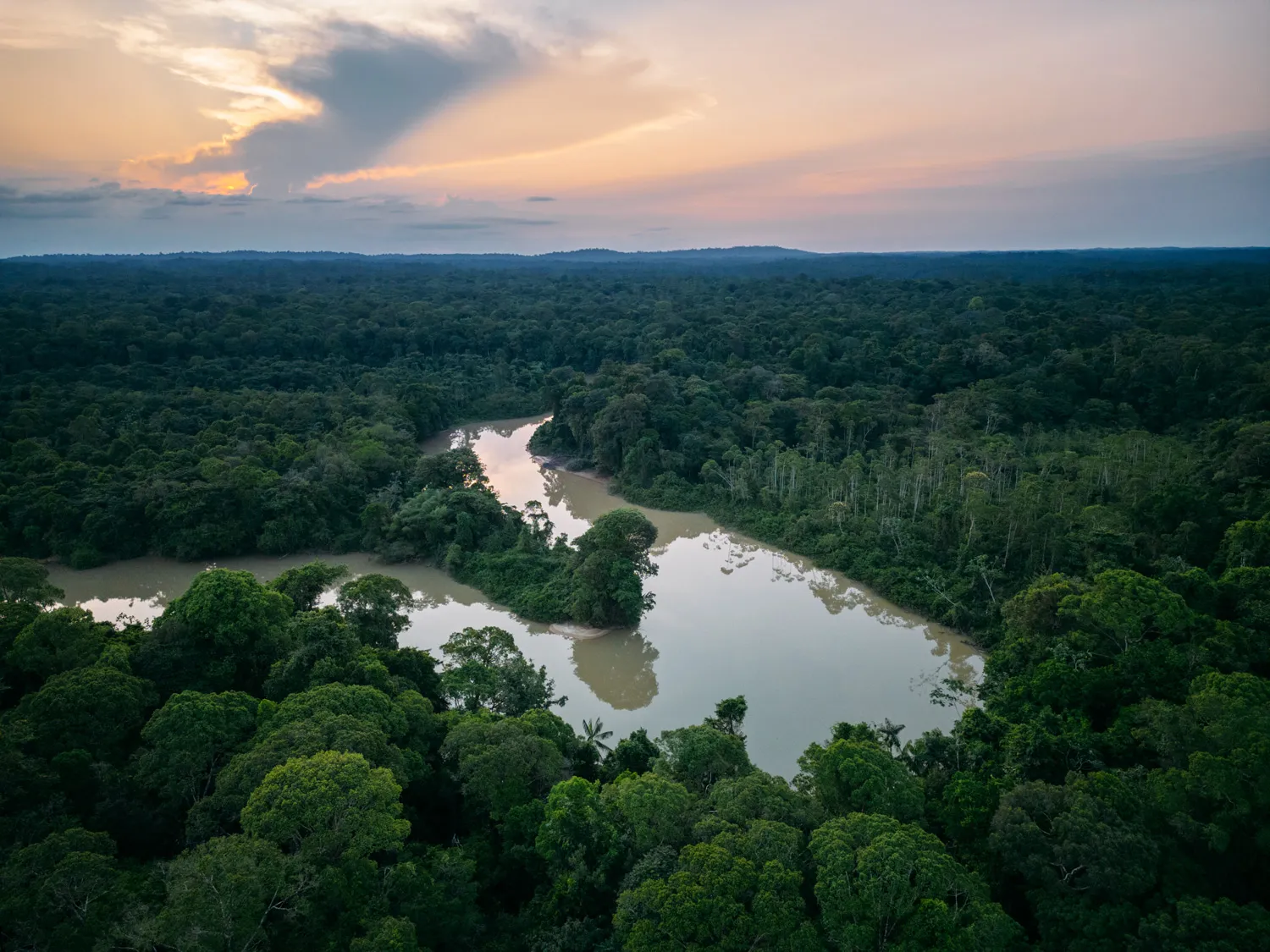
Before talking about neighbourhoods, you need to understand that French Guiana is nothing like a standard mainland department. It is the largest French department, but with a population concentrated along the coast. Most activity is spread across three main hubs:
- The Île de Cayenne (Cayenne, Rémire-Montjoly, Matoury): the economic and administrative heart, where the bulk of the population lives.
- Kourou: home of the Guiana Space Centre, with a population tied to the aerospace sector and its subcontractors.
- Western Guiana around Saint-Laurent-du-Maroni: a border area with Suriname, experiencing strong population growth.
Each of these hubs follows its own logic. A neighbourhood considered quiet in Rémire-Montjoly will not have the same profile as a district in Kourou or Saint-Laurent. Thinking “at the scale of French Guiana” therefore makes no sense: you need to reason commune by commune, then neighbourhood by neighbourhood, and even street by street.
The professional transfer reflex
If you are coming for a job (civil service, hospitals, national education, space sector, gendarmerie, private companies), always start by asking your future colleagues who are already there. They are your best sources of information. They know which neighbourhoods staff traditionally settle in, the real commuting times, and the areas to avoid for a family with children. This on-the-ground knowledge is worth a thousand anonymous opinions read on forums.
Cayenne: telling the districts apart
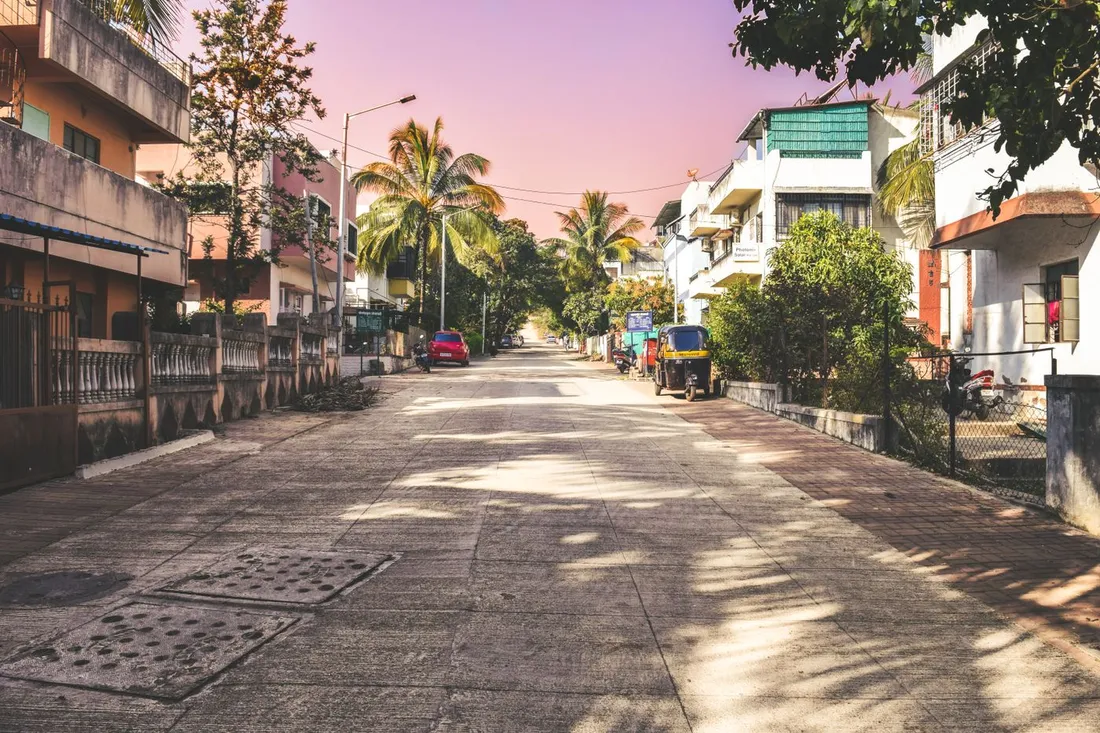
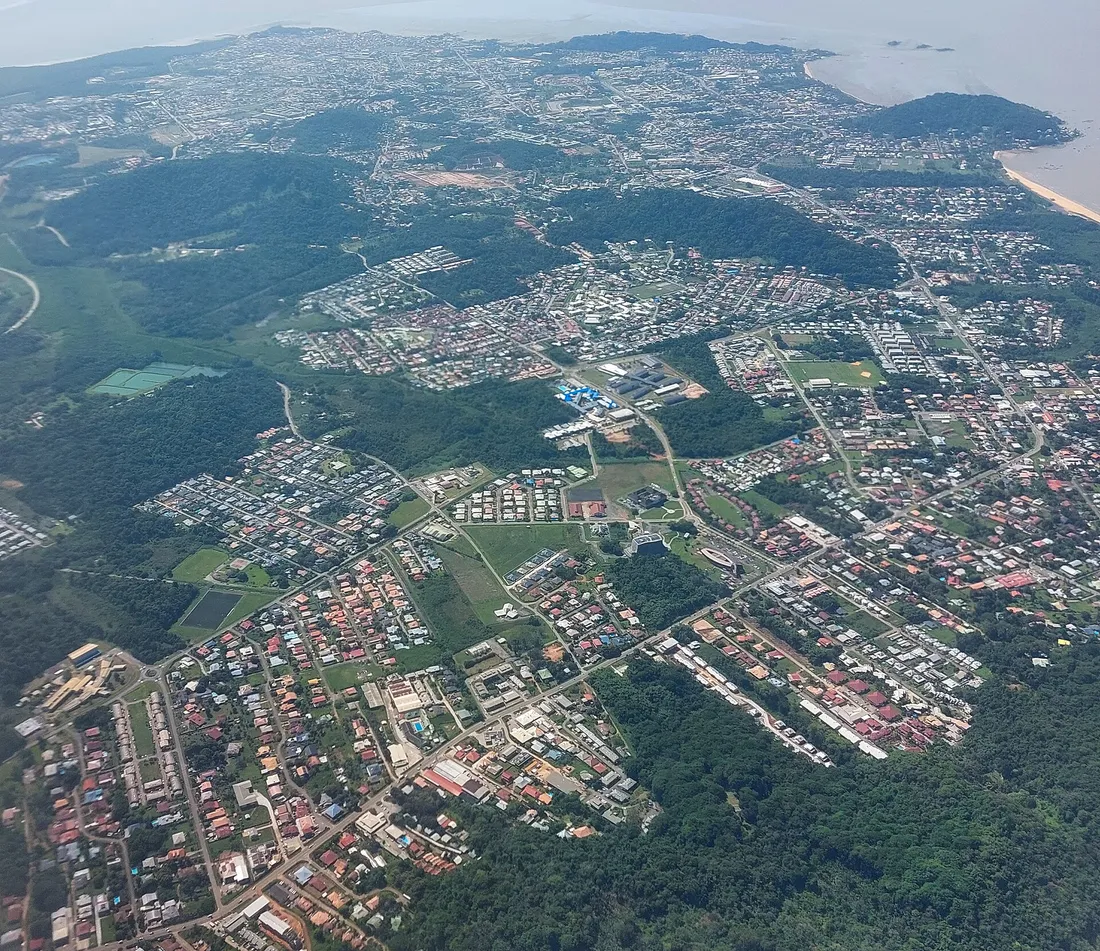
Cayenne is a city of contrasts. The historic centre, around the Place des Palmistes and the market, is lively and pleasant during the day, but some areas call for vigilance in the evening. Neighbourhoods change quickly and it would be unwise to set any reputation in stone. Here are a few common-sense pointers all the same.
The residential areas favoured by families are often on the outskirts, around Montabo, in zones close to the coast, or heading towards Rémire. The centre remains practical for anyone wanting to do everything on foot and enjoy city life, but parking availability and night-time quiet vary more from street to street.
A few useful principles in Cayenne:
- Make a point of visiting by day AND by night before committing.
- Note whether shops are open, how the street lighting works, and the general state of the roads.
- Check the fencing, gate, shutters or window bars of the property: in French Guiana, basic protections are standard, and this is not a warning sign but a local norm.
- Ask about parking: leaving your car in an enclosed yard is often preferable to the street.
Rémire-Montjoly, the family option
Rémire-Montjoly is frequently cited as the residential commune par excellence of the Île de Cayenne. You’ll find housing estates, beaches, well-regarded schools and a more relaxed atmosphere. As a rough guide, rents there are generally higher than in some parts of Cayenne, which reflects this search for peace and quiet. For a family relocating, it is often a sensible first instinct, to be confirmed according to your budget and your workplace.
Matoury, between practicality and diversity
Matoury, close to Félix Éboué airport and to major shopping areas, offers an interesting compromise: quiet suburban neighbourhoods coexist with more working-class districts. Here again, the rule is to drill down to the level of the specific neighbourhood rather than judging the commune as a whole.
Kourou and Saint-Laurent: different dynamics
In Kourou, the presence of the space centre shapes part of local life. The town has comfortable residential neighbourhoods, notably those historically linked to space-sector staff, along with other, more working-class districts. If your job is connected to the aerospace industry, your employer or your colleagues will naturally point you towards the usual areas.
In Saint-Laurent-du-Maroni, a rapidly expanding border town, the dynamic is different again. Fast growth and the proximity of the Maroni river create specific realities. The historic town centre, with its Camp de la Transportation, has real character, but settling here requires even more local research beforehand. Never commit from a distance without having seen the place.
The method: never sign blind
This is the most important point in this article. The main mistake newcomers make is renting a permanent home from mainland France, based on photos, before ever setting foot on the ground. You then find yourself tied to a lease in a neighbourhood you haven’t experienced, sometimes far from work or in an area that doesn’t match your expectations.
The right approach is to split your arrival into two stages:
- Temporary accommodation for the first few weeks, giving you time to settle in, visit and get to know the town.
- The permanent rental, signed only once you are there, after walking the neighbourhoods yourself.
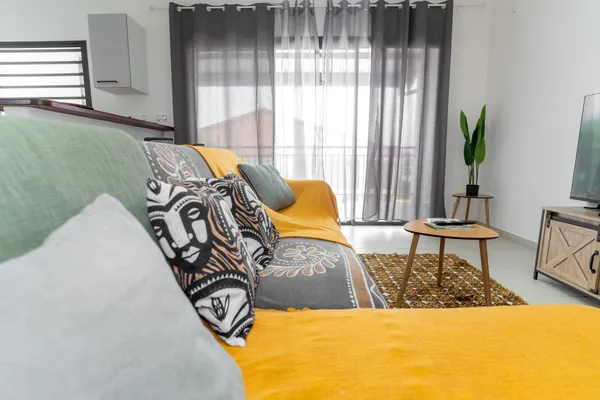
This buffer period changes everything. It lets you test the commutes, talk to residents, view several properties in person and choose with full knowledge of the facts. That is precisely why many people relocating opt for our rentals, furnished, while they settle in, rather than committing too quickly.
Checklist before choosing a neighbourhood
Here is a concrete list to run through for each neighbourhood you’re considering:
- I have visited the neighbourhood by day and by night.
- I have checked the real commuting time to my workplace at peak hours.
- I have located the local shops, pharmacies and schools.
- I have asked the opinion of at least two people living there.
- I have checked the state of the street lighting and the roads.
- I have inspected the property’s protections (gate, fencing, shutters, window bars).
- I have identified where to park my vehicle safely.
- I have looked into flood risk during the rainy season.