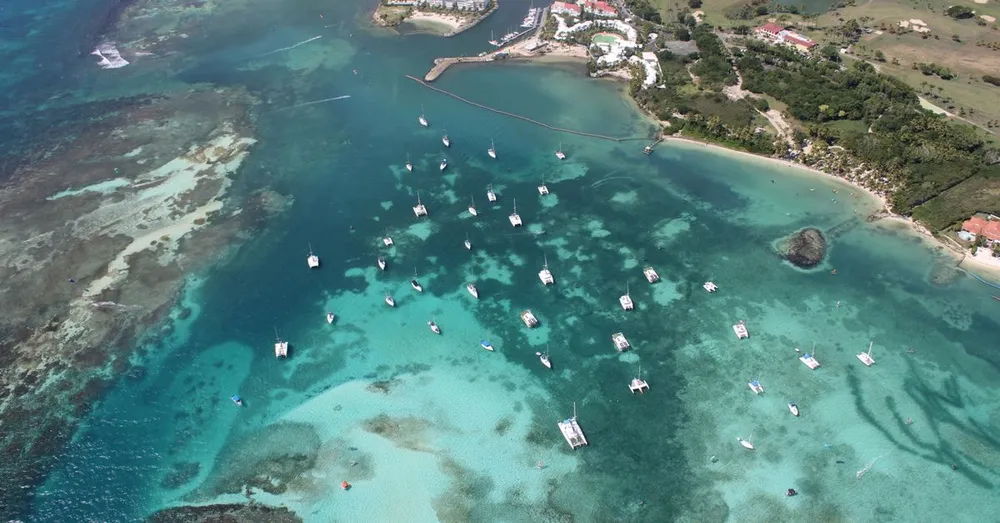
“Do I need vaccines for Martinique? And can I drink the tap water?” Along with the weather, these are the health questions travelers ask me most before packing their bags. The good news, after several years living on the island and hosting guests: Martinique is not a high-risk health destination. You travel here just as you would in any French department, with two or three extra reflexes. Here, without alarmism and straight from the field, are the essentials to prepare your Martinique travel health with peace of mind.
Vaccines for Martinique: what’s mandatory (and what isn’t)
Let’s start by clearing up the main worry. Since Martinique is a French overseas department and region (DROM), you remain on national territory: no vaccine is mandatory to travel there from mainland France or the European Union. No yellow fever, no malaria (the island is free of it), no special health formalities on arrival.
The question of a mandatory Martinique vaccine therefore comes down to a single thing: being up to date with your routine vaccinations, exactly as in Paris or Lyon.
- DTP (diphtheria, tetanus, polio): the baseline to check, especially for hiking and outdoor activities.
- MMR (measles, mumps, rubella): preferably up to date, particularly for children and young adults.
- Hepatitis A and B: sometimes advised depending on your profile and the length of your stay, to discuss with your doctor.
My local tip: review your vaccination record a month before departure, and if a booster is overdue, take the opportunity to get it. There’s no need to consult a specialized travel doctor as you would for an exotic destination: your regular GP is more than enough.
And for a stay with a stopover on a neighboring island?
If you combine Martinique with an excursion to a non-EU island (Dominica, Saint Lucia), check those destinations separately. But for a classic stay limited to Martinique, the vaccine matter boils down to: “be up to date, full stop.”
Mosquitoes and dengue in Martinique: the real precaution to take
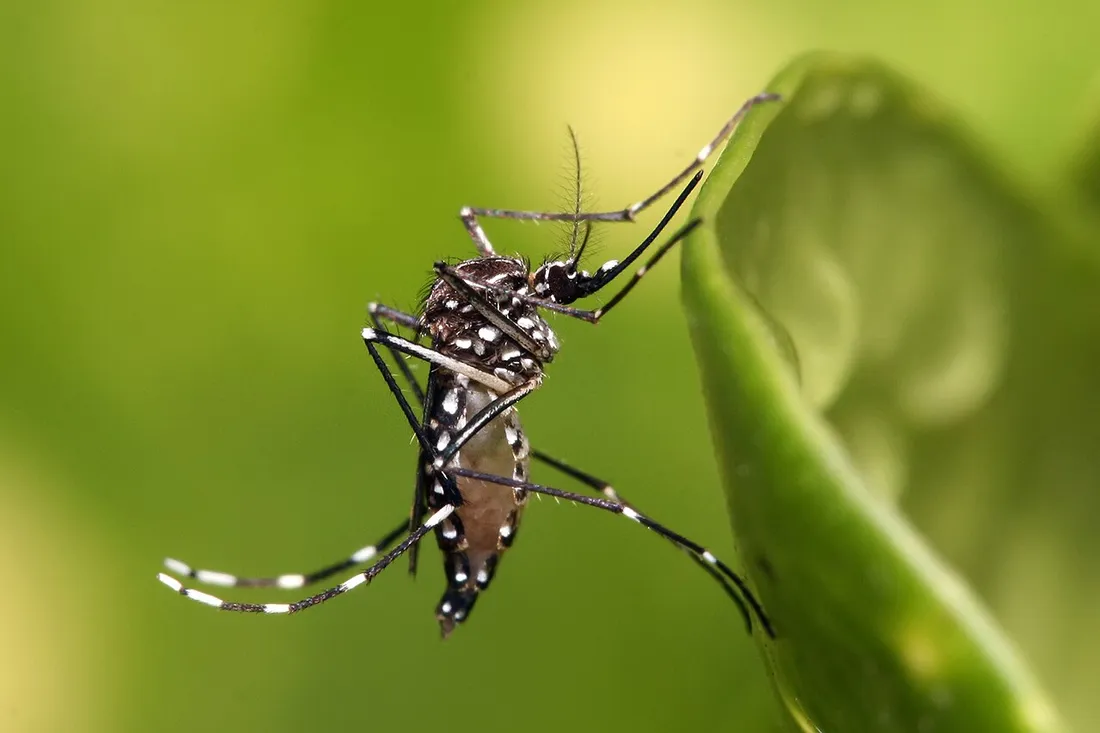
If there is one health topic to take seriously here, it’s not vaccines, it’s the mosquito. The tiger mosquito (Aedes aegypti) is present on the island and can transmit arboviruses: mainly Martinique dengue, but also chikungunya and Zika. These diseases circulate in waves, with more pronounced epidemic phases in some years, generally in the wet season (the hivernage, from June to November), when stagnant water multiplies.
No need to panic: the vast majority of stays go by without the slightest problem. Dengue manifests as a high fever, joint pain and headaches: if these symptoms appear during or shortly after your trip, see a doctor and avoid aspirin and ibuprofen (use paracetamol instead). Protection rests entirely on preventing bites.
My field-tested anti-mosquito reflexes
- Tropical skin repellent: a product with a concentration suited to arbovirus zones (DEET, IR3535 or icaridin), on exposed areas, especially early and late in the day.
- Covering clothing in the evening: long sleeves and light trousers at sunset, when the tiger mosquito bites most.
- Eliminate stagnant water around the accommodation (pot saucers, buckets, gutters): that’s where larvae develop.
- Fan or air conditioning: moving air bothers mosquitoes, a good reason to favor a well-equipped rental, or even a mosquito net if the room isn’t air-conditioned.
A repellent bought in mainland Europe before departure saves you from hunting for one on site: it’s the number-one health item for Martinique.
Is the tap water in Martinique drinkable?
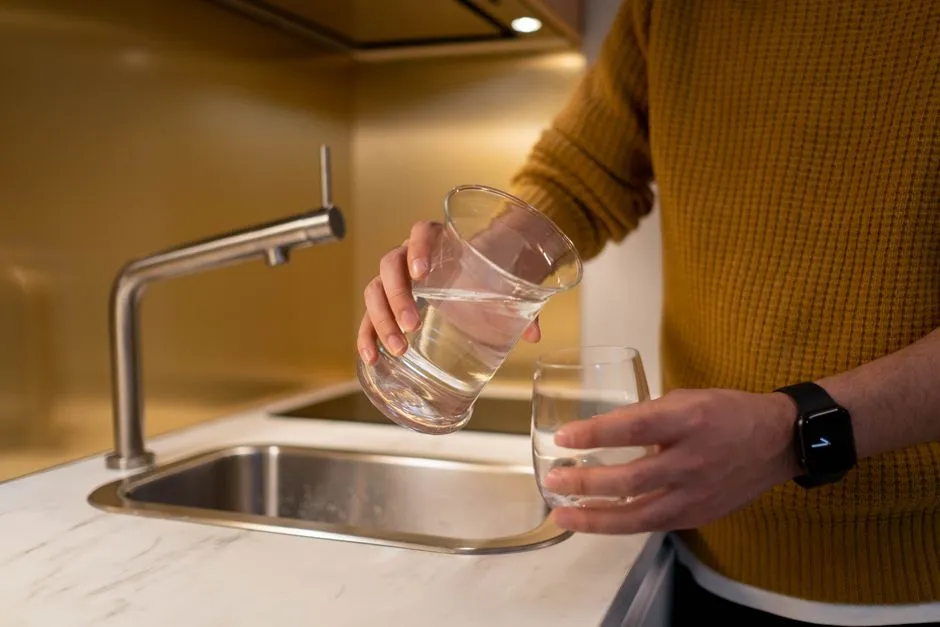
Here is the other big question, and the answer is reassuring: yes, the tap water in Martinique is drinkable and supplied by a public network monitored for safety, as everywhere in France. You can drink it, brush your teeth and cook with it without worry in the vast majority of towns: Fort-de-France (the capital), Les Trois-Îlets, Sainte-Anne, Le Diamant, Le François, La Trinité, Saint-Pierre.
That said, the matter of drinkable Martinique tap water deserves a few honest nuances that guides often forget:
- The taste may vary from one town to another (a slight presence of chlorine, essential for disinfection). A filter jug solves the problem for sensitive palates.
- Outages and water rotations sometimes occur in the dry season (the Carême, from December to April) in certain areas, due to limited resources. Your host will know whether the area is affected.
- In case of an exceptional event (heavy rain, works), a temporary no-consumption notice may be issued locally, relayed by the town and the Regional Health Agency: respect it for as long as it lasts.
My advice: on arrival, ask your host whether the water is normally drinkable in the accommodation. The answer is almost always “yes, no problem.” To limit plastic, favor a reusable bottle over packs of water, often expensive because of the octroi de mer (sea tax).
Not to be confused: the drinkability of tap water (the drinking-water network) has nothing to do with the chlordecone issue, which concerns certain agricultural soils and fishing areas, not the water supplied at the tap. These are two distinct topics.
The ideal tropical first-aid kit
No need for a field hospital: Martinique has well-stocked pharmacies, doctors, clinics and the Fort-de-France university hospital (CHU). You benefit from French health-insurance coverage (the carte Vitale is accepted), a major advantage over a foreign destination. Still, having the essentials on hand saves you from hunting for an open pharmacy on a Sunday in Sainte-Anne. My tried-and-tested list:
- Tropical mosquito repellent (the must-have, see above).
- SPF 50 sunscreen: the sun is strong, even under a hazy sky; choose a reef-safe formula for snorkeling.
- After-sun and soothing gel for sunburn and bites.
- Paracetamol (never aspirin or ibuprofen if dengue is suspected).
- Antidiarrheal and rehydration salts: a change of diet can upset the gut.
- Water shoes against sea urchins on certain rocky bottoms (Anse Noire, coves).
- Bandages, antiseptic, antihistamine and your personal medication in its original box.
Also slip in your carte Vitale and your supplementary insurance card: coverage works as it does in mainland France. The local dialing code is +596; 15 (SAMU) and 112 remain your emergency numbers.
Travel with peace of mind with Hostel Toucan
Good health preparation also means accommodation designed for the tropical climate and a responsive contact on site. That’s exactly what Hostel Toucan offers, a concierge service and specialist in seasonal rentals in the French overseas departments.
- Direct booking, no platform fees: a fair price, with no needless commission.
- Free cancellation up to 7 days before arrival: the flexibility to book with a light heart.
- WhatsApp support 7 days a week: a question about the water in your rental, the nearest on-call pharmacy or the right repellent to buy? A local answers quickly.
Because we live here year-round, we steer our guests toward well-ventilated or air-conditioned accommodations, and we know which towns to favor depending on the season. To prepare your trip, browse our complete guide to Martinique, explore our rentals in Martinique town by town, and if you own a property on the island, discover how we support owners, including the good maintenance practices that protect travelers’ comfort and health.
FAQ
Is a vaccine mandatory to go to Martinique?
No. Since Martinique is a French department, no vaccine is mandatory from France or the European Union: neither yellow fever nor antimalarial treatment (the island is free of malaria). It is simply recommended to be up to date with your routine vaccinations, notably DTP and MMR. A quick check with your regular GP before departure is enough.
Is there a risk of dengue in Martinique?
Yes, dengue circulates in waves via the tiger mosquito, especially in the wet season (June to November), as do chikungunya and Zika. The risk remains manageable through bite prevention (tropical repellent, covering clothing in the evening, eliminating stagnant water, ventilation). In case of high fever with body aches, see a doctor and take paracetamol, never aspirin or ibuprofen.
Can you drink the tap water in Martinique?
Yes, the tap water is drinkable in the vast majority of towns (Fort-de-France, Les Trois-Îlets, Sainte-Anne, Le Diamant, Saint-Pierre…), via a public network monitored as everywhere in France. The taste may vary slightly by area. Occasional outages occur in the dry season and a temporary no-consumption notice may rarely be issued: ask your host, the answer is almost always reassuring.
What should you put in your first-aid kit for Martinique?
The essentials: tropical mosquito repellent, SPF 50 sunscreen, after-sun, paracetamol, antidiarrheal with rehydration salts, water shoes against sea urchins, bandages and your personal medication. Bring your carte Vitale: you benefit from French health-insurance coverage, and the island has pharmacies, doctors and the Fort-de-France university hospital. Emergency numbers: 15 and 112.