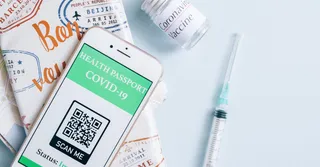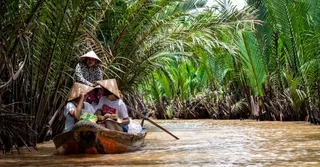
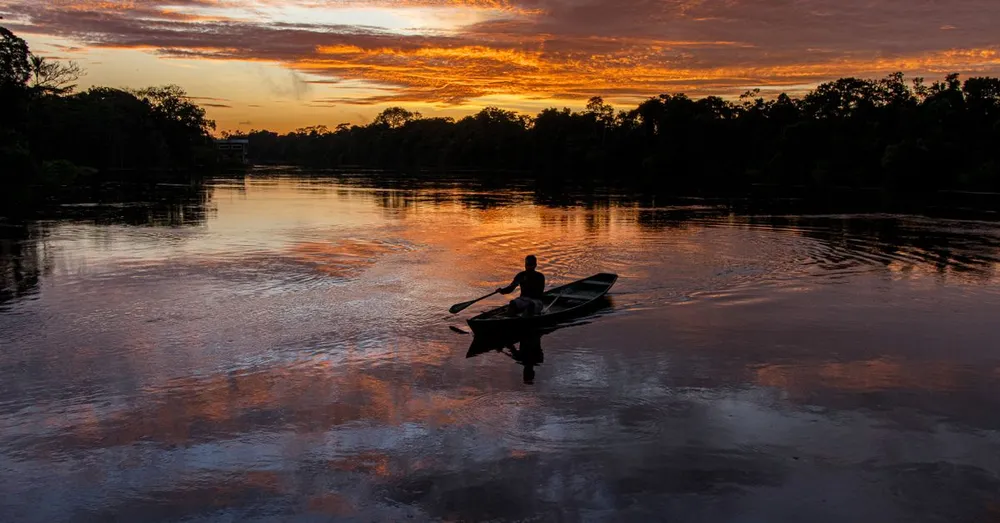
Planning a trip to French Guiana means anticipating something most other French destinations don’t ask of you: tropical health. This overseas department-region (DROM), wedged between Brazil and Suriname, sits under an equatorial climate, with Amazon rainforest covering more than 90% of its territory. The result is a specific health landscape, where some precautions aren’t options but legal obligations. After several years welcoming travellers between Cayenne and the Maroni River, here’s what you really need to know before packing your bags.
The yellow fever vaccine in French Guiana: a genuine obligation, not a recommendation
This is the most important and most misunderstood point. Unlike nearly every destination where yellow fever is merely “recommended,” in French Guiana it is mandatory for anyone aged 12 months and over living or staying in the territory. This obligation stems from the area’s status as a yellow fever endemic zone recognised under the International Health Regulations.
In practice, when you arrive at Félix-Éboué Airport in Matoury, you’ll almost never face a check as you step off the plane. But the obligation is very real, and some airlines or occasional inspections may verify it. Above all, not being vaccinated exposes you personally to a genuine risk.
How and when to get vaccinated
A few practical pointers from the field:
- The vaccine (Stamaril) is administered at an approved international vaccination centre, not at just any doctor’s office.
- It must be given at least 10 days before departure to be valid and effective.
- Since 2016, a single injection lasts a lifetime for most adults: no more boosters every 10 years.
- Budget roughly €40 to €60 per injection, excluding the consultation, depending on the centre.
- The certificate is recorded in the international yellow booklet: keep it safe, as it may be required for other trips.
Special cases: pregnant women, immunocompromised people, or anyone over 60 receiving the vaccine for the first time must absolutely consult a specialised doctor, as contraindications exist.
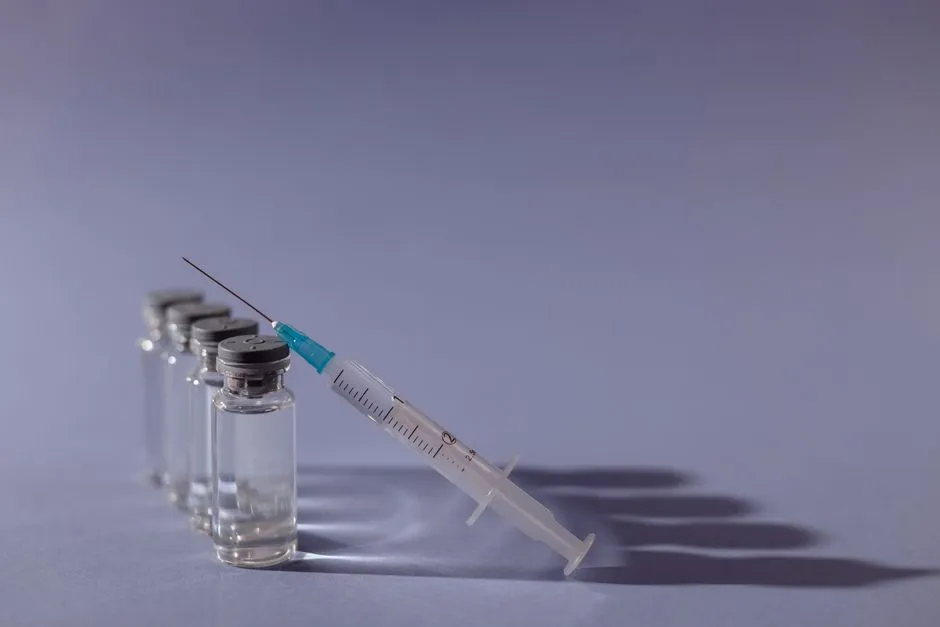
Malaria in French Guiana: a real but highly localised risk
Here’s the nuance many general guides miss. Malaria is not a uniform risk across the whole territory. If you stay on the coast, where the vast majority of the population lives, the risk is today considered low to negligible.
The zones where the risk truly exists
Malaria is concentrated inland, along the rivers and deep in the forest:
- The upper Maroni, heading up toward Maripasoula and Camopi.
- The isolated gold-mining areas, where transmission remains active.
- Extended stays in deep forest, such as an expedition to the Nouragues reserve.
Conversely, Cayenne, Rémire-Montjoly, Matoury, Kourou, Macouria or Saint-Laurent-du-Maroni generally don’t require antimalarial prophylaxis for a typical tourist stay. The Guiana Space Centre in Kourou, the Salvation Islands, the Cayenne market or the Place des Palmistes pose no significant malaria risk.
Should you take preventive treatment?
The answer depends entirely on your itinerary. If you’re planning a pirogue trip down the Maroni to Maripasoula or a trek inland, talk to a specialised doctor who can prescribe suitable chemoprophylaxis (often atovaquone-proguanil). For a typical coastal circuit, the absolute priority isn’t the tablet but mosquito protection, which also covers dengue, chikungunya and Zika, all far more common along the coast.
To map out your route based on your risk profile, our complete guide to French Guiana details the zones and the best time to visit (the dry season, from mid-July to mid-November).
The ideal health kit for the equatorial climate
In French Guiana, humidity hovers around 80-90% and temperatures stay steady at around 28-32 °C all year. This heat-humidity combination changes everything: wounds heal poorly, bites get infected fast, dehydration lurks. Here’s the kit I recommend, field-tested.
Mosquito protection (priority number one)
- A skin repellent with 50% DEET or 20-25% icaridin, the only kind truly effective in the tropics.
- An impregnated mosquito net if you’re staying in a carbet or in the forest.
- Long, light, pale clothing for outings at dawn and dusk, when mosquitoes are most active.
- A spray to treat clothing and fabrics (permethrin).
Basic care suited to humidity
- Skin antiseptic and breathable dressings: cuts get infected fast here.
- Antifungal cream: athlete’s foot between the toes is almost unavoidable in the rainy season.
- Sunscreen SPF 50+, as the equatorial sun is fierce even on overcast days.
- Oral rehydration salts to counter dehydration and digestive upsets.
- Antidiarrhoeal and antispasmodic.
- Antihistamine for reactions to bites.
Don’t forget
- Your personal medications in sufficient quantity: pharmacies become scarce as soon as you leave the coast.
- A water reserve or purification tablets for excursions to the Kaw marsh or Awala-Yalimapo.
- Your yellow vaccination booklet.
Water, food and good daily habits
On the coast (Cayenne, Kourou, Saint-Laurent), tap water is drinkable and the healthcare network is of good standard, with a hospital in Cayenne. It’s once you head inland that caution becomes essential: bottled or purified water, peeled fruit, well-cooked food.
A few simple habits that prevent 90% of problems:
- Stay hydrated continuously: humid heat masks the sensation of thirst.
- Avoid walking barefoot in mud or wet areas (parasites).
- Always protect small wounds.
- Adapt your outings to the local rhythm: early morning or late afternoon, avoiding the midday sun.
Also bear in mind the time difference (-5 h in winter, -6 h in summer compared to Paris): in the first few days, a tired body is less resistant to minor infections. Plan a gentle start.
Travel with peace of mind with Hostel Toucan
Health in French Guiana isn’t, in the end, a mountain to climb: a yellow fever injection in advance, good mosquito protection and a kit suited to the humidity are enough to enjoy the Salvation Islands, the Cayenne market or a pirogue on the Maroni with complete peace of mind. The rest is just tropical common sense.
For accommodation, it’s best to have a reliable, well-located base, close to a pharmacy and the main roads (a car being essential here). At Hostel Toucan, we offer accommodation through rentals in French Guiana with direct booking and no platform fees, free cancellation up to 7 days before arrival, and WhatsApp assistance 7 days a week to answer your questions, including practical and health matters, before and during your stay. A real local point of contact when discovering such a singular territory.
And if you own a property here and would like to make the most of it with well-supported travellers, discover our concierge offer for owners.
FAQ
Is the yellow fever vaccine really mandatory for French Guiana?
Yes. As French Guiana is a yellow fever endemic zone, the yellow fever vaccine is legally mandatory for anyone aged 12 months and over living or staying in the territory. It must be done at an approved international vaccination centre, at least 10 days before departure. Since 2016, a single injection generally lasts a lifetime.
Do you need preventive treatment against malaria to visit French Guiana?
Not for a typical coastal stay (Cayenne, Kourou, Saint-Laurent, the Salvation Islands), where the risk is today low to negligible. Preventive treatment only comes into question for an expedition inland, notably the upper Maroni toward Maripasoula, Camopi or the gold-mining areas. In that case, consult a specialised doctor before departure.
Which vaccines besides yellow fever for French Guiana?
Beyond the mandatory yellow fever vaccine, make sure your universal vaccinations are up to date (DTP, hepatitis B). Depending on your itinerary and the length of your stay, vaccines against hepatitis A, typhoid and rabies may be recommended, especially for extended stays in the forest. A travel doctor will tailor this advice to your route.
What should you put in your health kit for French Guiana’s equatorial climate?
Prioritise 50% DEET or icaridin mosquito repellent, long clothing and an impregnated mosquito net. Add antiseptic, breathable dressings, antifungal cream, SPF 50+ sunscreen, rehydration salts, antidiarrhoeal and antihistamine. Don’t forget your personal medications and water purification tablets for excursions.