A gastronomic trip to Martinique is not just a list of starred restaurants. Here, the meal begins at the market, passes through the AOC agricole rum distilleries, stops under a seaside paillote and ends around a ti-punch at sunset. After a dozen years living on the island and guiding our travelers, I built this seven-day food-lover’s itinerary with one goal in mind: to taste the real thing without spending your days on the road. A car is essential, an appetite mandatory, and a well-placed base to link the Caribbean south to the volcanic north.
Before you go: setting the table for a food-lover’s stay
A few concrete pointers before tackling this gastronomic itinerary in Martinique.
- When to come: the Careme (dry season), from December to April, offers dry roads and fully stocked markets. Carnival (February-March) adds a festive touch, but book early.
- Meal budget: count on 12 to 18 EUR for a main course at a lolo, 25 to 45 EUR for a set menu at a good Creole table, 8 to 12 EUR for a tray of accras and boudin at a market.
- Useful distance: about 1h15 of driving from the south (Sainte-Anne) to the north (Saint-Pierre). So we split the island into zones to keep travel short.
- The golden rum rule: you taste, you don’t get drunk. The driver stays sober; the drink-driving limit is the same as in mainland France.
Local tip: bring a soft cooler in the trunk. Between two stops, you’ll buy fruit, boudin and bottles of blanc agricole to take back to your rental.
Day 1: Fort-de-France, the school of taste
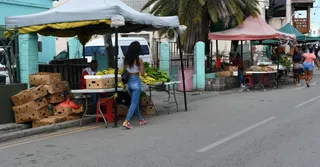
We start at the beating heart of Martinican gastronomy: the covered market of Fort-de-France. In the morning, the vendors offer spices (bois d’inde, massale colombo, vegetarian chili), jams, cane syrups and a wall of aromas that sets the scene. Taste a fresh passion fruit juice and leave with a bag of colombo to recreate at home.
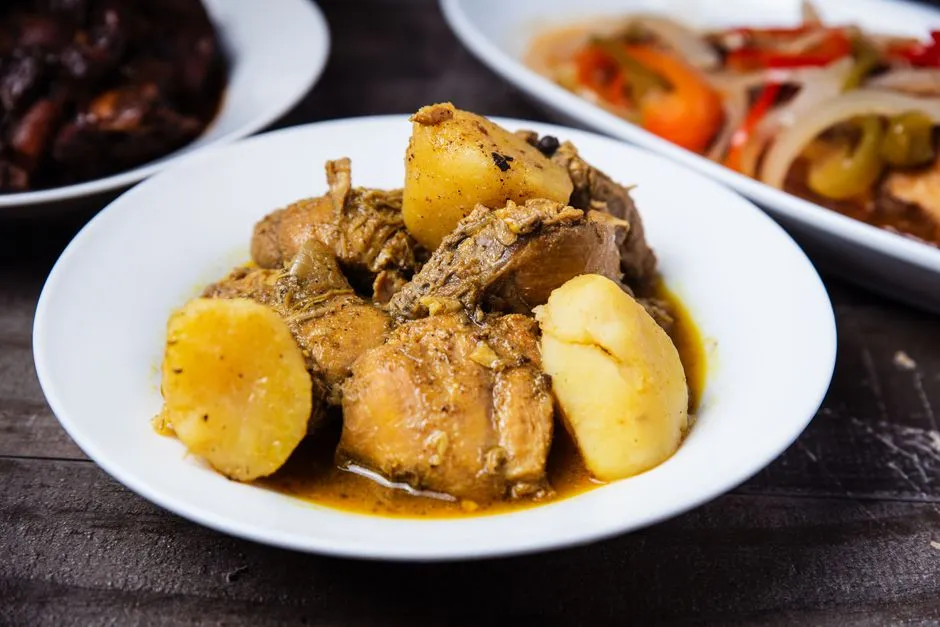
At midday, stay in town for a first real Creole meal: chicken colombo, salt cod accras, coconut blanc-manger. In the afternoon, stroll along the waterfront before heading to your accommodation. To place this day within the island as a whole, our complete guide to Martinique gives you all the bearings.
Day 2: Les Trois-Ilets, terroir and heritage
Head to the commune of Les Trois-Ilets, land of Josephine de Beauharnais and an ideal base to explore from. In the morning, visit an agricultural estate or a habitation, then dive into the heart of any rum road trip in Martinique: the Route des Rhums starts here, within reach of the Habitation Clement in nearby Le Francois (admission around 15 EUR, park, gardens and tasting included).
In the evening, settle in at one of the area’s reinvented Creole tables. Here they work with snapper, mahi-mahi and local vegetables (christophine, yam, breadfruit) with a finesse that surprises newcomers.
Day 3: the south of distilleries and lolos
Heading south, along the rum coast.
- Morning: a visit to La Mauny (Riviere-Pilote) aboard a little tourist train, around 8 to 10 EUR, ideal for families.
- Late morning: a stop at Trois-Rivieres (Sainte-Luce), whose white windmill is one of the most photographed images on the island. Taste an aged rum in the shop.
- Midday: the lolo ritual. These restaurant-paillotes serve grilled fish, Creole boudin, conch and fried plantains for 12 to 18 EUR, feet in the sand.
You thus follow the La Mauny, Trois-Rivieres and Saint-James distilleries further north. For the complete itinerary of the nine houses, see our article dedicated to the distillery route.
Day 4: Sainte-Anne, beach day and flavors of the sea
A gentler day, around Sainte-Anne and the famous Salines beach. In the morning, a swim; at midday, you settle into a lolo at Pointe Marin or in the village. It’s the chance to taste fish court-bouillon, chatrous (octopus) fricassee and a homemade planteur.
The afternoon lends itself to a workshop: a Creole cooking class (accras, colombo, around 60 to 90 EUR per session) or simply wandering the nearby Marin market. In the evening, ti-punch on the terrace of your rental: lime, a dash of cane syrup, white agricole rum at 50 degrees.
Day 5: the Caribbean north, Saint-Pierre and the Pelee
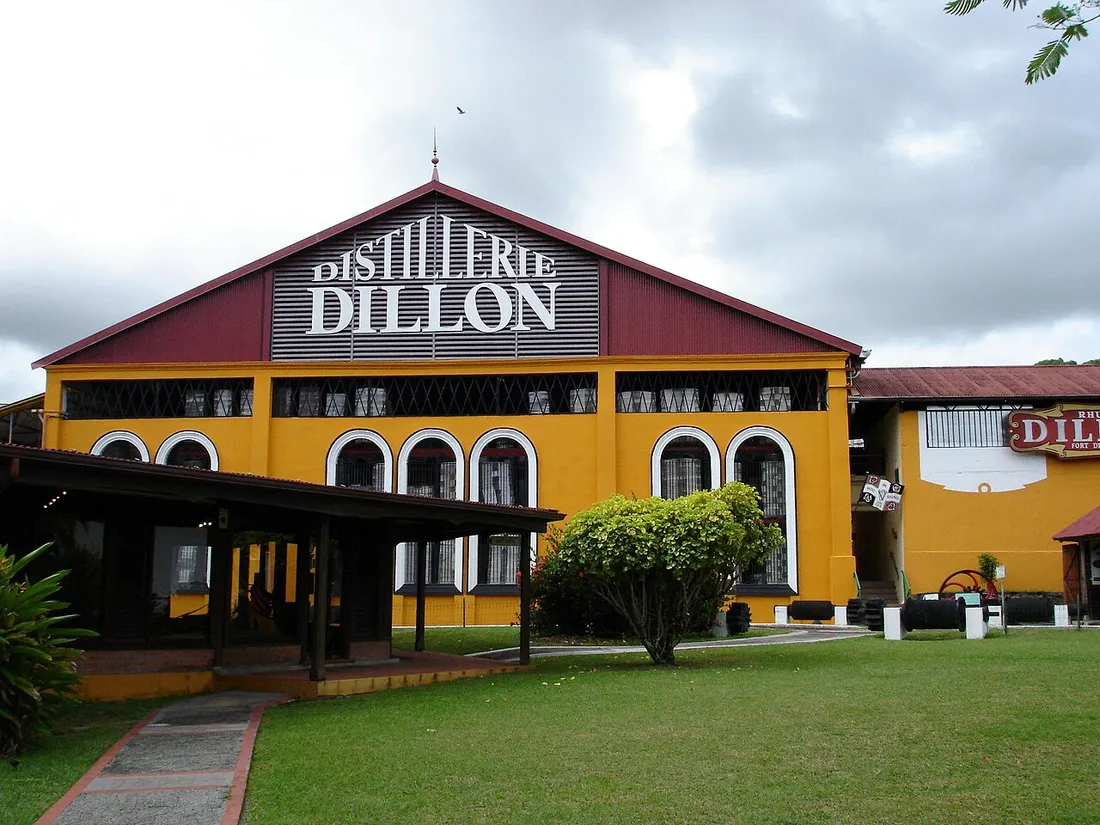
We switch to the north side, wetter and more dramatic. The Depaz distillery, at the foot of Mount Pelee, offers the most spectacular setting on the island: a colonial chateau, terraced cane fields, a sea view (guided tour around 10 EUR). Right next door, the listed ruins of Saint-Pierre tell the story of the 1902 eruption.
At midday, Saint-Pierre’s cuisine plays the card of fresh fish landed that very day. Just nearby, Neisson (Le Carbet), a cult little family house, offers a blanc agricole that has become a benchmark for bartenders. A perfect day to understand why Martinican rhum agricole is the only one in the world to hold an AOC (since 1996).
Day 6: the north-Atlantic market and Creole sweets
This day is dedicated to desserts and sweet traditions. Head to the north-Atlantic coast: Sainte-Marie is home to Saint-James’ Museum of Rum and a banana rum production that stands out. It’s the moment to fill your basket with Creole sweets: tourment d’amour, coconut flan, doucelette, hand-churned coconut sorbet.
Take the chance to bring back seasonal fruit according to the calendar: mangoes in summer, soursop, golden apple, quenettes, star apple. A prolonged gourmet weekend is in fact very easy to build around this single northern area, market and distillery leading the way.
Day 7: a final gourmet loop and shopping
Before heading back, fit in one last loop based on your home base. A final market for spices and jams, a stop at a distillery to complete the cellar, and one last lolo facing the sea. Keep customs limits in mind if you’re returning to mainland France: the rum allowance in the hold is limited, so it’s better to choose one or two fine aged cuvees rather than liters of blanc.
Where to stay to make your gastronomic itinerary a success
The secret to a good food trip in Martinique is a central base that avoids long return drives in the evening, with a full cooler and tired taste buds.
- South (Sainte-Anne, Sainte-Luce, Le Diamant): perfect for seaside lolos, La Mauny and Trois-Rivieres.
- Center (Les Trois-Ilets, Le Francois): ideal for Clement, the Fort-de-France market and the Creole tables.
- North (Saint-Pierre, Le Carbet): for Depaz, Neisson and the heritage of 1902.
At Hostel Toucan, our accommodations are spread across these three key zones. Booking direct means zero platform fees, free cancellation up to 7 days before arrival, and 7-day WhatsApp support to adjust your route in real time (a closed lolo, a distillery on holiday, a northern rain shower). Discover our accommodations in Martinique, ideally those with an equipped kitchen to cook your market purchases.
Do you own a property on the island and want to open it to food-loving travelers? Our concierge service is detailed on the owners page.
My end-of-trip advice
Don’t over-plan. Keep one empty slot each day for the unexpected: the vendor who offers you a fruit to taste, the lolo recommended by a neighbor, the tasting that drags on. It’s often there, off-program, that the best memory of a food-lover’s stay in Martinique hides. Cheers, and drive gently between two tastings.
FAQ
How many days do you need for a gastronomic trip to Martinique?
Seven days form the ideal format to link, without rushing, the markets, distilleries, lolos and Creole tables from the Caribbean south to the volcanic north. A gourmet weekend of three to four days remains possible by focusing on a single zone (the south around Sainte-Anne, or the north around Saint-Pierre), but you then sacrifice half the island and the diversity of its terroirs.
What meal budget should you plan per day in Martinique?
Count on 12 to 18 EUR for a main course at a lolo, 25 to 45 EUR for a set menu at a good Creole table and 8 to 12 EUR for a tray of accras and boudin at the market. By cooking part of your purchases in an equipped rental, a couple gets by comfortably at around 40 to 60 EUR of food per day, rum and market fruit included.
Do you need a car for a gastronomic itinerary in Martinique?
Yes, a car is essential. Markets, distilleries and lolos are scattered across the whole island and public transport doesn’t serve them properly. Count on about 1h15 of driving between Sainte-Anne in the south and Saint-Pierre in the north. A central base, like a Hostel Toucan accommodation, greatly reduces travel and lets you fully enjoy each tasting.
Can you do a rum road trip in Martinique while staying sober at the wheel?
Absolutely, and it’s even the rule. You taste small amounts in the shop, you designate a sober driver and you bring the bottles back to the rental to enjoy them in the evening. The legal drink-driving limit is the same as in mainland France. Split the rum road trip into geographic loops (north, center, south) to limit driving after tasting.