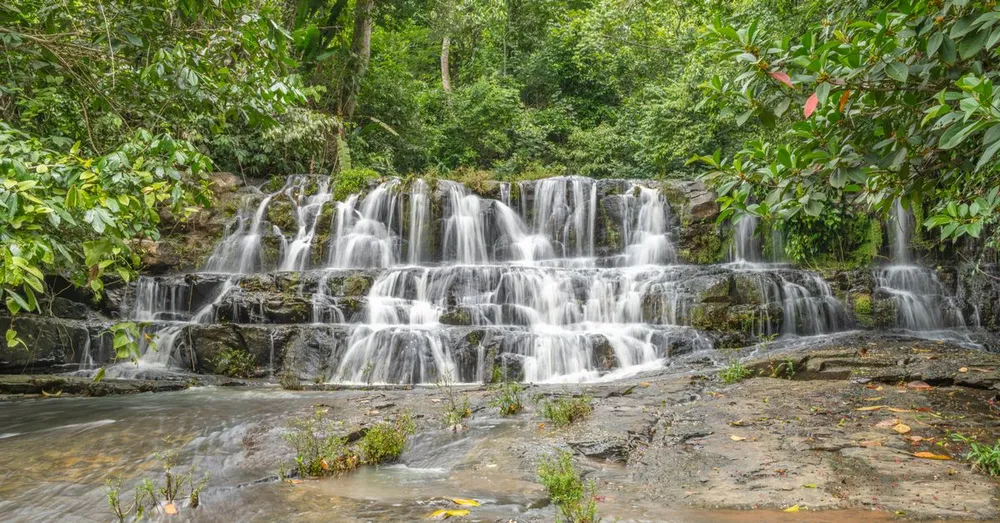
There are places in French Guiana that look like nothing you’ll find anywhere else. Petit-Saut Lake, about twenty minutes from the town of Sinnamary, is one of them. Picture a 365 km² stretch of water born from the Amazon rainforest, bristling with thousands of dead trunks, dotted with islets that were once hills, and home to wildlife rescued from the rising waters. After several outings on site, by pirogue as well as on foot along the dam, here’s what you really need to know before you come.
Sinnamary, gateway to the largest artificial lake in French Guiana
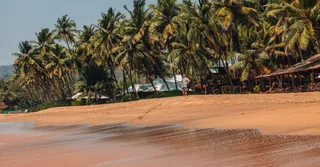
Sinnamary is a coastal town on national road 1, between Kourou and Iracoubo, about 1h15 drive from Kourou and 2h from Cayenne. It’s a quiet little town, known for its estuary beaches and its leatherback turtle nesting in season, but also for serving as a logistics base for the Petit-Saut hydroelectric dam, located about thirty kilometres upstream on the Sinnamary River.
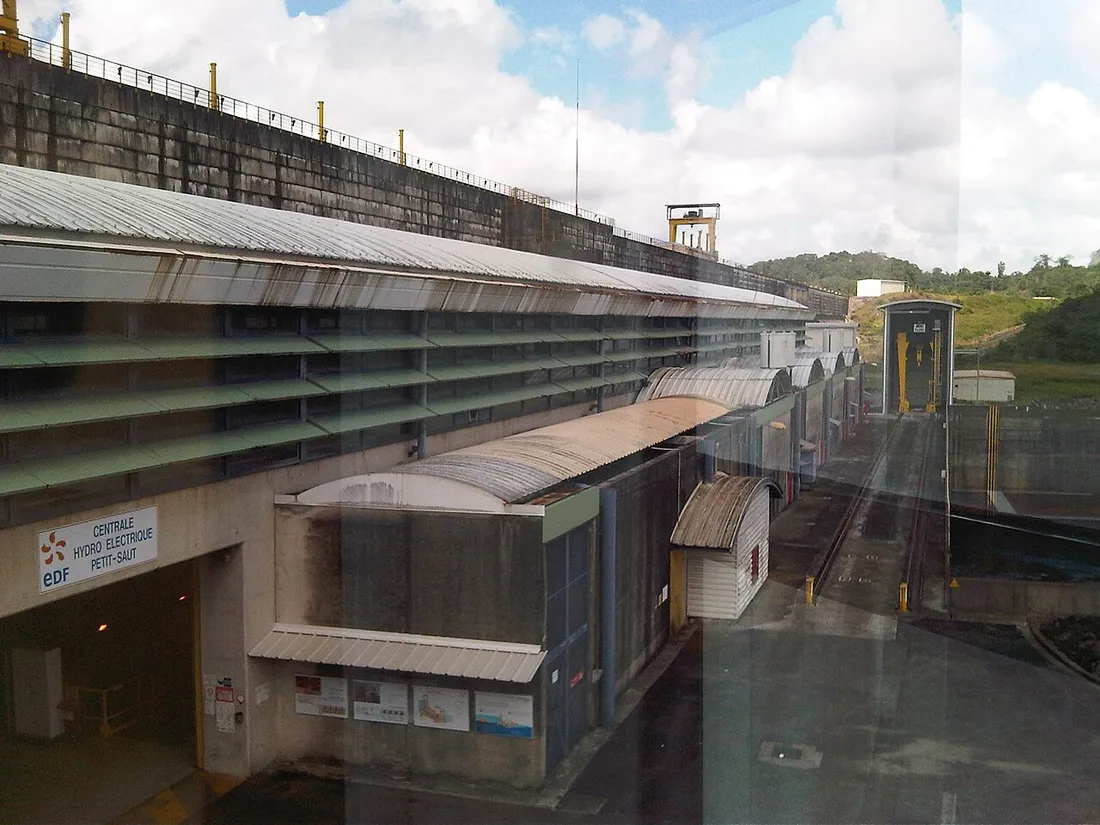
Flooded in the mid-1990s, the dam was built to supply French Guiana with electricity, notably the Guiana Space Centre. To build it, an immense portion of primary forest was submerged. The result is this unique Petit-Saut Lake: the largest artificial reservoir in the territory, with a surface area larger than many mainland French lakes.
A landscape of submerged forest
What strikes you when you reach the water are the trunks. Thousands of dead trees still emerge from the surface, silvery grey, sculpted by the years. Between them, islets (the famous “drowned islets”) correspond to the former hilltop ridges. Navigating here means crossing a forest graveyard turned sanctuary of life, where the silence is broken only by howler monkeys and the lapping of the pirogue.
The dam and its animal rescue
The dam itself can be visited from the viewpoint side, free of charge, from the welcome point. There you can understand how the hydroelectric structure works and the scale of the project. But the most striking story remains that of the wildlife rescue.
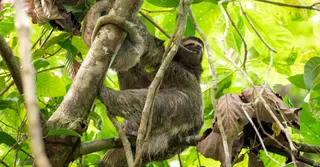
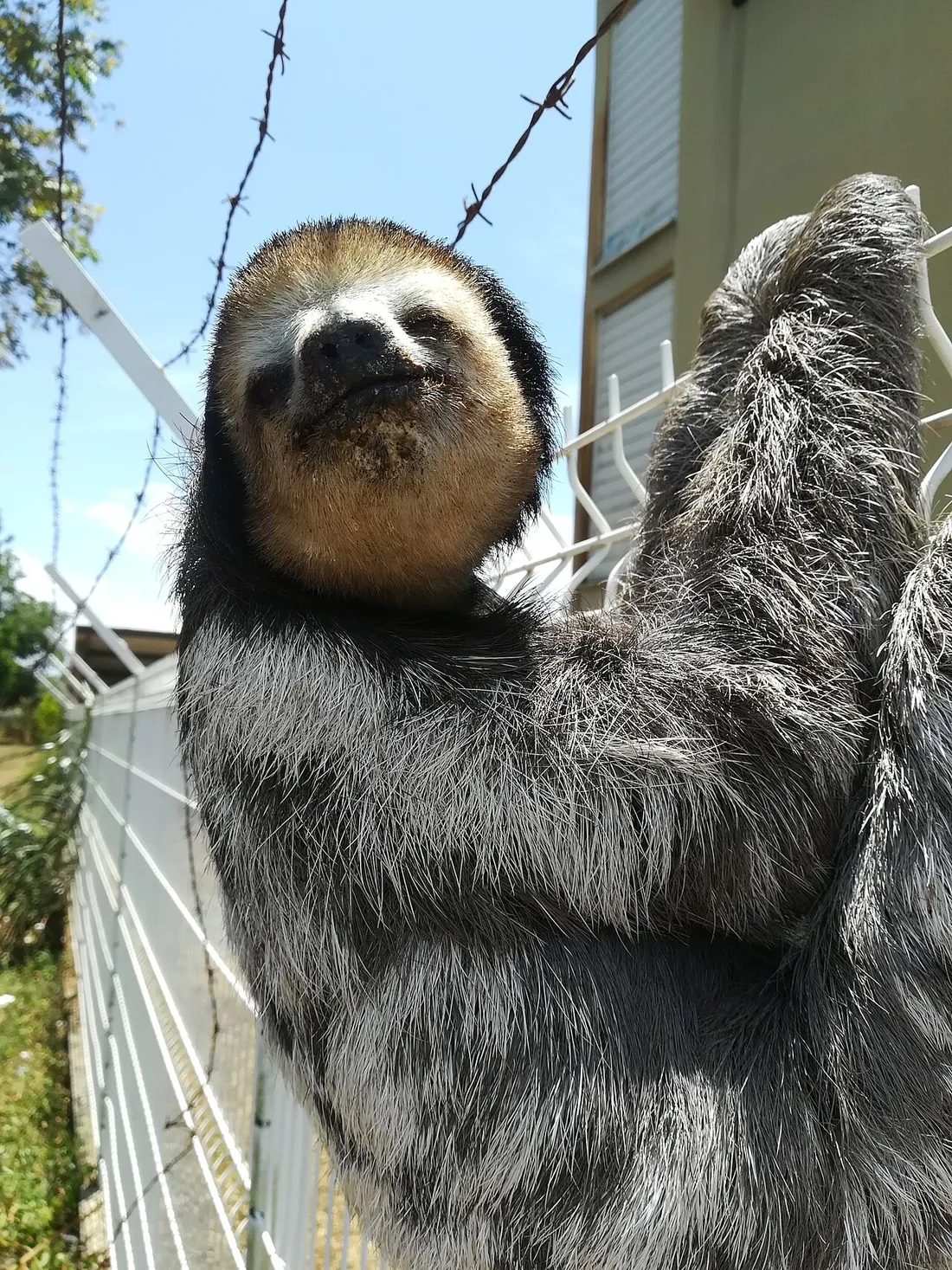
As the waters rose, an operation named “Faune Sauvage” (Wild Fauna) made it possible to recover thousands of animals trapped on the shrinking islets: sloths, monkeys, anteaters, snakes, turtles. Many were released on the banks and the large islets. That’s why the lake today concentrates a surprising density of refugee sloths, often visible, clinging to the low branches of the trees still alive.
What you can observe on the lake
- Two- and three-toed sloths, the great classic of the outings, sometimes just a few metres from the pirogue
- Red howler monkeys, heard well before they’re seen, especially at daybreak
- Sakis, tamarins and capuchins in the canopy of the wooded islets
- Caimans on the banks, late in the day
- Hoatzins, macaws and herons, for bird enthusiasts
- Giant otters, rarer but very much present in certain creeks
Pirogue outings: the only real way to discover the lake
You don’t visit Petit-Saut from the road: you have to climb into a pirogue. Local pirogue operators offer half-day or full-day outings, usually departing from a landing point near the dam.
What to expect
- Half-day (3 to 4h): around 45 to 70 € per person, ideal for a first approach and observing sloths
- Full day: often 90 to 130 €, with a lunch break on an islet
- Overnight bivouac in a carbet: from 110 to 160 € per person depending on the package, meals included
Rates vary depending on the number of participants and the operator. Book in advance, especially in high tourist season: the good pirogue operators fill up fast.
Tips for the outing
- Set off early in the morning: the wildlife is active, the light is soft and the heat bearable
- Bring water, a hat, sunscreen and above all an effective mosquito repellent
- Plan for closed shoes that won’t be ruined by water for the landings
- Slip your camera gear into a waterproof bag: splashes are guaranteed
- Bring binoculars: they transform the observation of sloths and birds
Sleeping in a carbet by the water
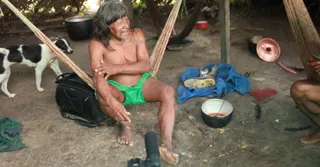
The experience that leaves the deepest mark is a night in a carbet, that traditional open shelter where you sleep in a hammock under a mosquito net. Some operators have carbets set up on islets or along the lakeshore.
Falling asleep to the sound of the forest, waking up in the morning mist drifting over the silvery trunks, listening to the concert of howler monkeys at sunrise: it’s a raw immersion, without superfluous comfort, but unforgettable. Bring your hammock and mosquito net (often provided in bivouac packages, to be confirmed), a headlamp, and something to cover up with, as the nighttime humidity cools the air.
When to come and how to organize
The best period to enjoy the lake runs from mid-July to mid-November, during the dry season: passable tracks, calmer water, easier observations. Outside this window, the rains can complicate access and disrupt the outings.
Practical
- Car essential: no public transport serves the dam. Allow about 2h from Cayenne, 1h15 from Kourou
- Yellow fever vaccine mandatory for any stay in French Guiana
- Currency: euro; bring cash, some pirogue operators don’t accept cards
- Time difference: -5h from Paris in winter, -6h in summer
- Phone code: +594
A stay at Petit-Saut combines ideally with the region’s other must-sees: the Guiana Space Centre in Kourou (free visit, sometimes an Ariane 6 or Vega launch to watch), the Salvation Islands offshore, or a trip up to Saint-Laurent-du-Maroni. To build a complete itinerary, check out our complete guide to French Guiana.
A 2-day itinerary around Sinnamary
- Day 1: drive to Sinnamary in the morning, settle in, then explore the town and beach at the end of the day
- Evening: comfortable night in accommodation or departure for a carbet bivouac on the lake
- Day 2: pirogue outing at daybreak on Petit-Saut Lake, sloth observation, lunch on an islet, return in the late afternoon
This sequence gives you time to savour the lake without racing against the clock, while keeping Sinnamary as a comfortable base.
Where to stay to explore with peace of mind
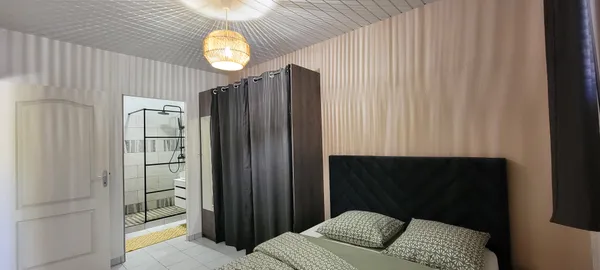
Petit-Saut is best experienced when you have a calm, well-located base to recover after a day on the water. Rather than an express round trip from Cayenne, it’s better to have accommodation in the Kourou–Sinnamary area, which cuts down the drive and lets you set off early in the morning.
At Hostel Toucan, we select accommodation in French Guiana designed for travellers who want to explore the territory without constraints: direct booking with no platform fees, free cancellation up to 7 days before arrival, and WhatsApp assistance 7 days a week to point you to the right pirogue operators and sort out your logistics. We know the terrain and share our local contacts.
Do you own a property in the region and want to make the most of it with travellers seeking authenticity? Discover our concierge offer for owners.
Petit-Saut Lake isn’t a smooth postcard: it’s nature reclaimed from humans, wild and moving. Come early, stay a night, keep your eyes open. The sloths are already waiting for you.
FAQ
How do I reach Petit-Saut Lake from Cayenne?
The lake is reached by car, essential in French Guiana. Allow about 2h from Cayenne and 1h15 from Kourou via the RN1 to Sinnamary, then the dam road. No public transport serves the site, and discovering the lake is then done only by pirogue with a local operator.
Can you really see sloths on Petit-Saut Lake?
Yes, it’s even one of the main reasons to come. When the dam was flooded, many sloths were rescued and released on the islets. Today they are frequently observed, clinging to the low branches, often just a few metres from the pirogue, especially in the morning.
What is the best time to visit Petit-Saut Lake?
The dry season, from mid-July to mid-November, is ideal: calmer water, passable tracks and better conditions for wildlife observation. Favour outings early in the morning, when the animals are active and the light is soft.
How much does a pirogue outing on the lake cost?
Allow about 45 to 70 € per person for a half-day, 90 to 130 € for a full day with lunch on an islet, and from 110 to 160 € for an overnight bivouac in a carbet, meals included. Rates vary depending on the operator and the number of participants.