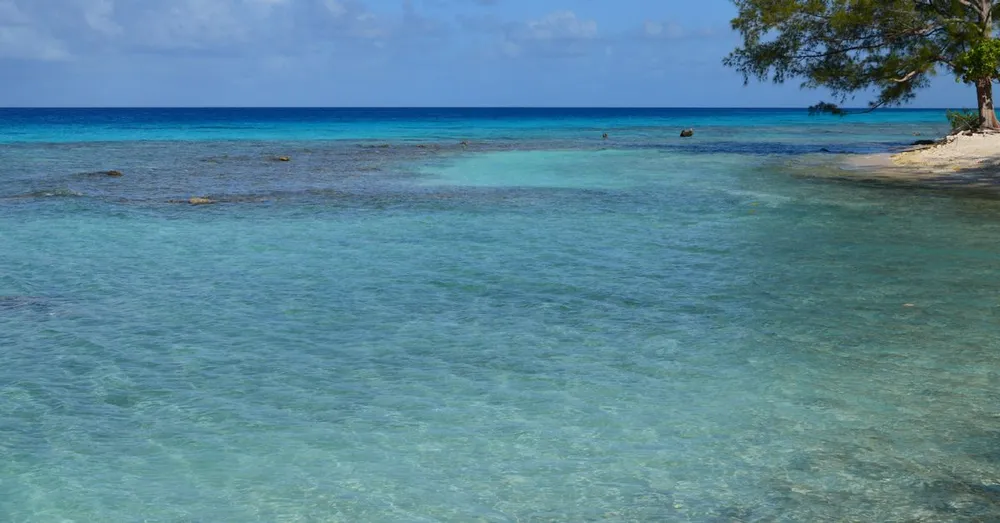
Snorkeling at Petite Terre is arguably the most striking marine experience you can have in Guadeloupe: an enclosed lagoon, one to three metres deep, where dozens of juvenile lemon sharks patrol among green turtles and spotted eagle rays. No cage, no staging — just a mask, a snorkel and a nature reserve protected since 1998. I regularly take the travellers we host in Saint-François out there, and the reaction on the way back is always the same: “we never thought it was possible without a tank.” Here’s what you’ll actually see in the water, how to choose your trip, and the rules that keep this paradise exactly that.
Petite Terre, a nature reserve unlike anywhere else in Guadeloupe
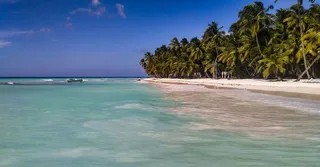
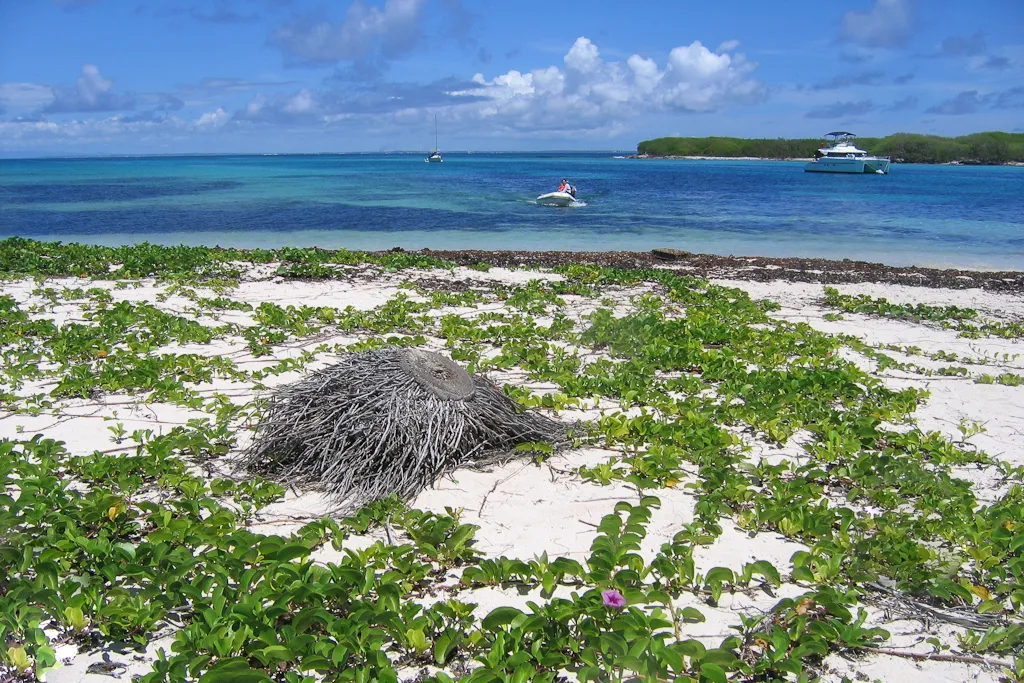
Petite Terre is in fact two uninhabited coral islets, Terre de Bas and Terre de Haut, lying about ten kilometres south of La Désirade and roughly 12 km offshore from Saint-François. Together they form a national nature reserve of around 990 hectares, including 840 hectares of marine area, co-managed by the Office National des Forêts and the Ti Tè association.
Three things make the site unique:
- A nursery lagoon: the stretch of water between the two islets, sheltered from the swell, serves as a nursery for lemon sharks. The water is so shallow and so clear that you can spot them from the boat.
- The largest iguana colony in the Lesser Antilles: there are an estimated 10,000 endemic iguanas on Terre de Bas. They literally stroll between the beach towels.
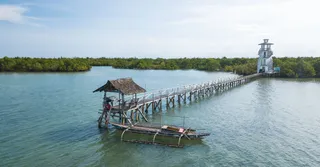
- A historic lighthouse from 1840, one of the oldest in the French Antilles, overlooking the landing beach.
Access is tightly controlled: landings only with a licensed operator, and a daily cap on visitors. Restrictive, but it’s exactly what preserves the density of underwater life you came to find.
Snorkeling at Petite Terre: what do you really see in the lagoon?
Let’s be honest: the coral isn’t the most spectacular in the archipelago (for the drop-offs, head to the Cousteau reserve in Bouillante). The magic of snorkeling at Petite Terre is the wildlife, its density and how close it comes.
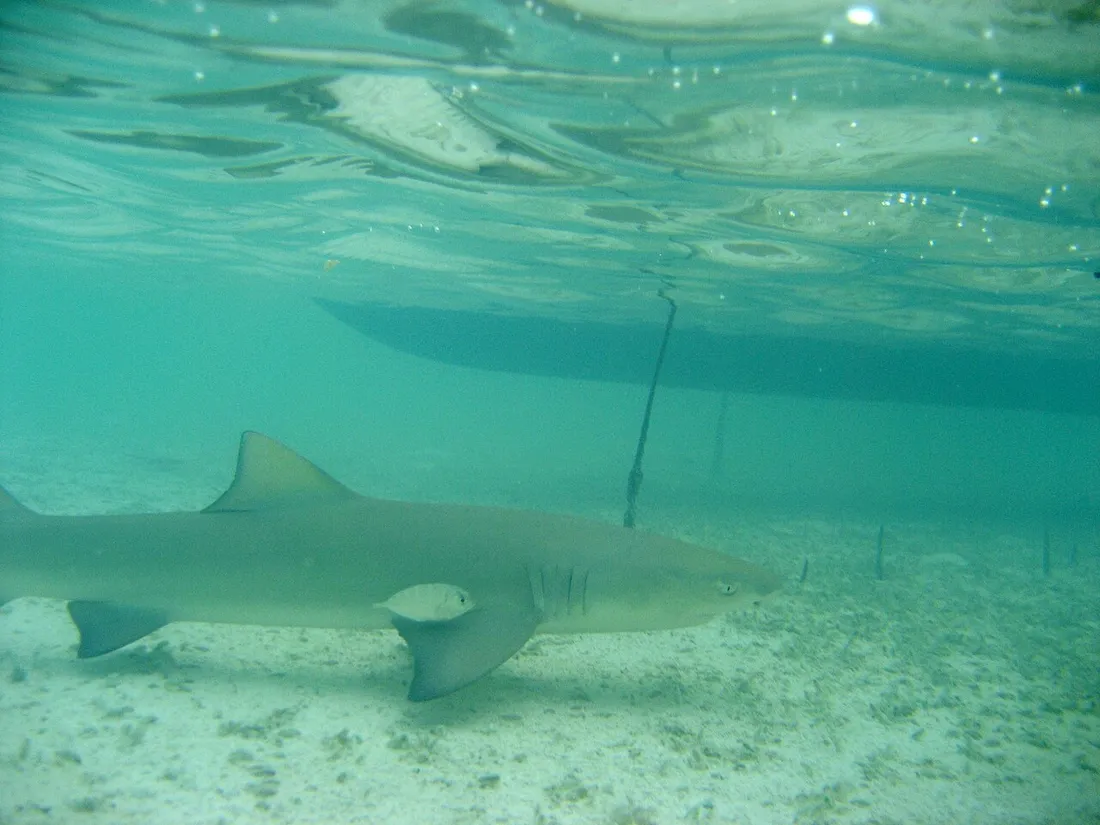
Lemon sharks: the star attraction, and harmless
The lagoon’s lemon sharks are mostly juveniles from 60 cm to 1.5 m, spending their first years here safe from predators. To swim with peace of mind:
- They are completely indifferent to swimmers: no incident has ever been recorded in the reserve.
- They often move through very shallow water, sometimes just 50 cm deep along the beach.
- Golden rule: observe without chasing or touching. Keep 2-3 metres of distance and they’ll come back around on their own.
Turtles, rays and the rest of the cast
In an hour of mask-and-snorkel, you’ll very likely come across:
- green and hawksbill turtles grazing the seagrass beds (eastern side of the lagoon);
- spotted eagle rays and stingrays gliding over the sandy bottom;
- barracudas hanging motionless beneath the anchored boats;
- schools of parrotfish, sergeant majors, trumpetfish and, with a bit of luck, a spiny lobster under a coral head.
Plan on two snorkeling sessions during the day, marked out by the crew, who know the wildlife corridors depending on the tide.
Petite Terre day trip from Saint-François: prices, durations, operators
Every trip leaves from the Saint-François marina, at the eastern tip of Grande-Terre. The crossing takes 45 minutes to 1 hour depending on the boat and the state of the sea — the channel can be lively, more on that below.
Catamaran or speedboat?
- Sailing catamaran: the most comfortable and sociable option. A full day of about 8 am to 5 pm, Creole lunch served on board or on the beach (often grilled chicken or fish, rice, accras), ti-punch on the way back, snorkeling gear provided. Budget: €110 to €135 per adult, around €70-90 per child.
- Motorboat: a faster crossing (35-45 min), smaller groups, more time on site. Budget: €95 to €120 per adult.
- In every case, the reserve access fee (a few euros per person) is normally included — check before you book.
Three things to do before booking
- Plan ahead: in the dry season (December to April), the good operators fill up 1 to 2 weeks in advance, sometimes more during school holidays.
- Check the operator’s reserve licence: it guarantees a legal landing and a crew trained in the environmental guidelines.
- Look at the weather policy: trips are cancelled or postponed when the channel is too rough; a good operator refunds you or offers a new date at no cost.
If you stay with Hostel Toucan, our 7-day WhatsApp support can point you to the companies our travellers rate highest and check availability for you — the kind of detail that makes or breaks a week on the spot. To build the rest of your itinerary, our complete Guadeloupe guide lays out our sample days between Grande-Terre and Basse-Terre.
The reserve’s rules: what’s forbidden (and why)
The Petite Terre reserve applies one of the strictest sets of regulations in the French Antilles. Follow them to the letter:
- Touch nothing, feed nothing: not the sharks, not the turtles, not the iguanas (even when they come begging at lunchtime).
- Take nothing: shells, sand, corals, even dead ones.
- Sunscreen: opt for a mineral filter without oxybenzone, or better still a UV-protective rash guard — the lagoon is enclosed, and anything that dissolves stays there.
- No fishing, no drones, no amplified music on the islets.
- Stay on the marked trails on land: the vegetation shelters iguana and seabird nests.
- Rubbish leaves with the boat, no exceptions.
These rules are repeated at the departure briefing, and reserve wardens really do patrol. That protocol is exactly why you still see so many animals 30 cm from your mask.
A regular’s tips for a perfect day
- Seasickness is no myth: the channel is exposed to the easterly swell. If you’re prone to it, take a tablet 30 minutes before boarding and go out early in the morning, when the sea is calmer.
- Best time of year: December to April for visibility (often 15-20 m) and a manageable sea. Summer is still doable, with more weather cancellations.
- In your bag: UV rash guard, hat, a 1.5 L water bottle per person (no water source on the islets), water shoes and a waterproof camera.
- With children: the lagoon is ideal from age 6-7, with water at 27-29 °C and no current in the swimming zone.
- Sleep in the east the night before: boarding is between 7 am and 8 am. Count on 20 minutes’ drive from Sainte-Anne, 35-40 from Le Gosier — better to stay in Saint-François itself.
Where to stay for the trip: the ideal base in Saint-François
It’s precisely for these early departures that we developed our accommodation on the Riviera du Levant. By booking a rental in Saint-François or Sainte-Anne with Hostel Toucan, you’re less than 10 minutes from the marina, you book directly with no platform fees, with free cancellation up to 7 days before arrival — handy when you’re juggling a weather-dependent trip — and 7-day WhatsApp support provided by our team on the ground.
Own a property on Grande-Terre? Our owner concierge service handles the full rental management, from listings to cleaning.
FAQ
Are the lemon sharks at Petite Terre dangerous?
No. The lagoon is home mostly to juveniles under 1.5 m, naturally shy. No incident has ever been recorded in the reserve; the guidelines (distance, no feeding or chasing) ensure a calm coexistence.
Can you go to Petite Terre without an organised trip?
Only boaters holding an anchoring permit issued by the reserve may come by private boat, in limited numbers. For everyone else, going through a licensed operator from Saint-François is mandatory — and honestly simpler.
How much does a trip to Petite Terre cost?
Count on €95 to €135 per adult for a full day (roughly 8 am to 5 pm) including the crossing, the Creole lunch, snorkeling gear and the reserve fee. Children’s rates run around €70-90. Book 1 to 2 weeks ahead in high season.
Do you need to be a strong swimmer for snorkeling at Petite Terre?
A basic swimming level is enough: the lagoon is shallow (1 to 3 m), sheltered from the swell and free of current in the swimming zone. The crews lend pool noodles or buoyancy vests, and some of the sightings (sharks, iguanas) can even be done from the beach edge.