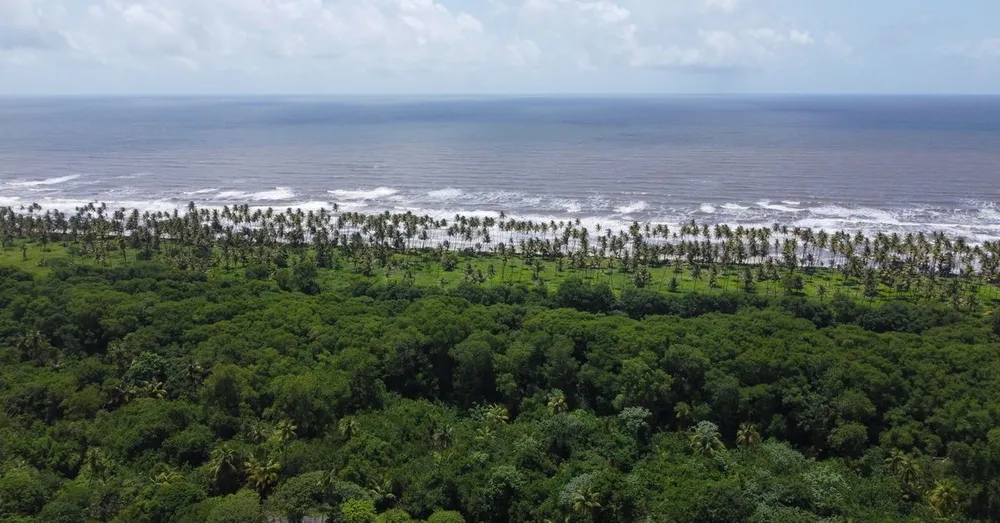
On the Caribbean coast of southern Martinique, the town of Anses-d’Arlet strings together a series of sheltered bays that rank among the most photogenic on the island. Three of them attract the bulk of the visits: Grande Anse, Petite Anse (the village) and Anse Dufour. You can do all three in one well-paced day, provided you know the ideal order to visit them and, above all, the afternoon parking trap. Here is a route tested and fine-tuned for travelers staying in the South.
Why Anses-d’Arlet deserves a full day
The town sits about 35 km from Fort-de-France, a 45-minute to 1-hour drive depending on traffic from the capital, and only 15 to 20 minutes from Le Diamant or Les Trois-Îlets. The road winds down through a series of bends in dense vegetation before opening onto turquoise waters. There’s no big seaside resort here: it’s a fishing-village vibe, with colorful yoles hauled up on the sand and a few Creole snack stands.
The area’s main appeal lies in its density: within a few kilometers you’ll find a world-famous spot for sea turtles, several snorkeling sites along rocky drop-offs, a church facing a pier that has become an Instagram icon, and family beaches with pale sand. All of this during the dry season (the Carême, December to April), the most stable period for swimming and underwater visibility.
Good to know: Martinique is a French department (DROM). You pay in euros, speak French (and hear Creole), and the phone code is +596. The time difference with Paris is -5h in winter and -6h in summer.
Stage 1: Anse Dufour, swimming with turtles in the morning
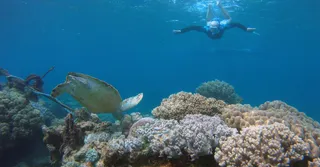
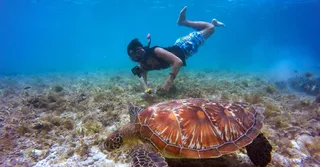
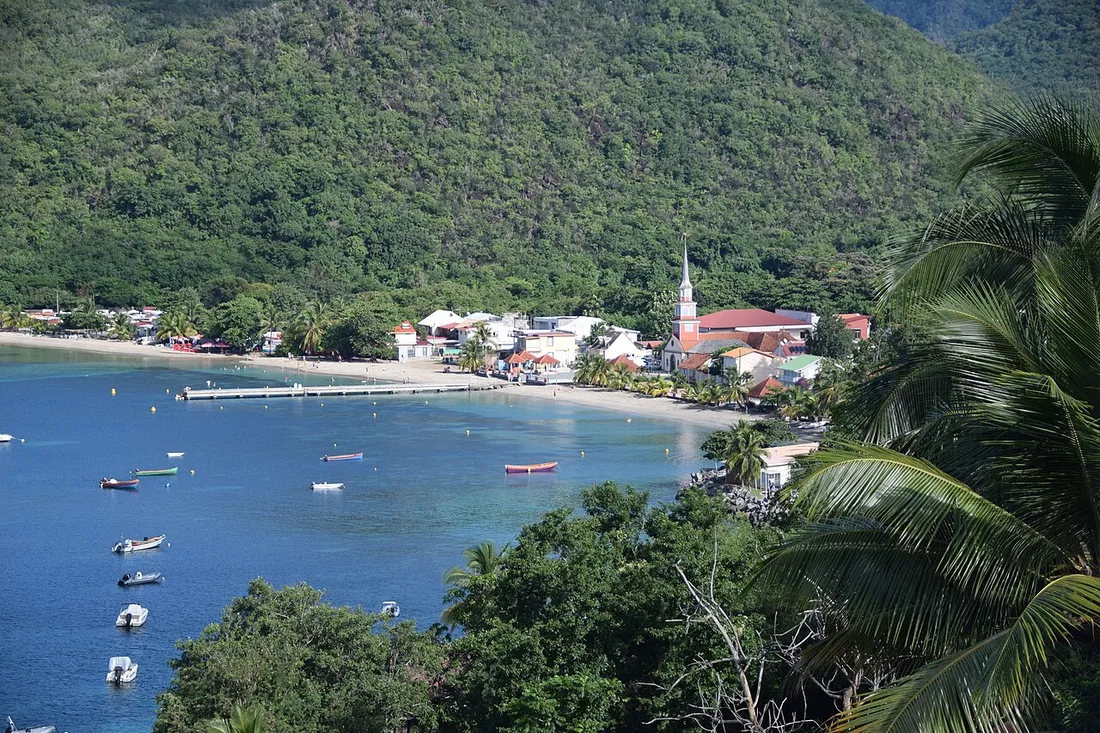
This is the stage to put first, ideally before 9 a.m. Anse Dufour is the star spot for watching the green turtles that come to graze the seagrass beds just a few meters from shore. In the morning the water is calmer, the light is better and, above all, the tiny parking lot isn’t full yet.
How to see the turtles without disturbing them
- Stay at the surface, with fins-mask-snorkel, and leave at least 3 to 5 meters between you and the animal.
- Never touch a turtle or block its path to the surface: it needs to breathe.
- The best sightings are on the right-hand half of the bay, along the seagrass beds, in 2 to 4 meters of water.
- Avoid conventional sunscreens: prefer a UV-protective rash guard or a “reef-safe” cream.
On foot, a coastal trail of about ten minutes links Anse Dufour to Anse Noire, famous for its black volcanic sand that contrasts with the pale sand next door. It’s a worthwhile detour for snorkeling along the rocks, where you’ll often see parrotfish and sometimes turtles here too.
Stage 2: Petite Anse and the village’s iconic church
Get back in the car to reach the village of Anses-d’Arlet, located on Petite Anse. It’s the heart of the town and the most recognizable postcard image of southern Martinique: the Saint-Henri church, white and ochre, lined up along the axis of a long wooden pier that reaches out into the sea. The classic framing is taken from the end of the pier, looking back toward the bell tower.
What to do in the village
- Snorkeling at the pier: the pilings and rocks on each side shelter a surprisingly rich underwater life, accessible to beginners.
- Lunch break: the seafront snack stands and restaurants serve accras, grilled fish and bokits. Expect around €12 to €20 per dish, a little more for a full fish menu.
- Church photo: early morning or late afternoon to avoid the crowds and the harsh midday light.
- Family swimming: the village beach slopes gently, ideal with children.
The village also has restrooms, showers and a few shops to stock up on water and ice. It’s the right place for a proper break before the final stage.
Stage 3: Grande Anse, relaxing and watching the sunset
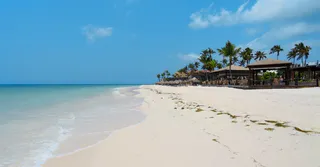
A few minutes north of the village, Grande Anse is the largest of the three beaches. Lined with sea grapes and coconut palms, it offers wide shaded areas, calm water and a lively seafront with bars, kayak rentals and boat excursions. This is the beach where you settle in for the afternoon.
Boat trips also depart from Grande Anse to the neighboring Anses-d’Arlet and the Diamant bay, along with guided snorkeling outings. Generally expect €30 to €50 per person for a half-day depending on the operator and the package (drinks, equipment included or not).
Grande Anse faces due west: it’s one of the best sunset spots in the southern Caribbean. Ending the day here, ti-punch in hand, is the logical conclusion to the route.
The afternoon parking trap
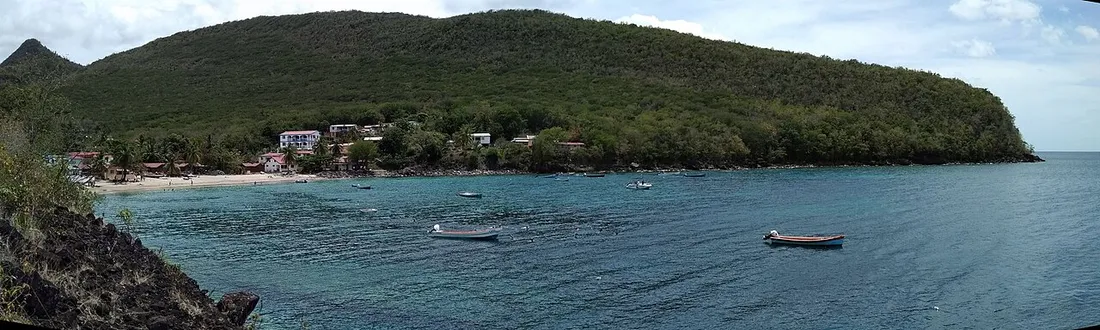
This is THE point that can ruin a poorly planned visit. The parking lots of the three anses are small, often dirt, and fill up by 10–11 a.m. in high season (school holidays, weekends, Carnival in February–March). Anse Dufour is the most constrained: its access road is narrow and illegal parking is regularly ticketed or blocks emergency services.
Our rules for not driving around in circles
- Arrive early: before 9 a.m. at Anse Dufour guarantees a spot.
- Do the route in the right direction: Anse Dufour in the morning, village/Petite Anse at lunchtime, Grande Anse in the afternoon as some people leave.
- Never park in a bend, in front of a gate or on the roadway: risk of towing and a fine.
- Have a plan B: if Anse Dufour is full, switch to the village and come back late afternoon.
- A car is essential: there is no practical public transport to link the three anses.
Planning your route: a practical checklist
- When: December to April (Carême) for the calmest sea and best visibility.
- Duration: plan a full day, 8 a.m. to 5 p.m., to enjoy it without rushing.
- What to bring: mask and snorkel, UV rash guard, 2 liters of water per person, water shoes for the rocks, cash for the snack stands.
- Distances: approx. 35 km from Fort-de-France, 15–20 min from Le Diamant or Les Trois-Îlets.
- Car: Martinique is 80 km long, the North is winding; a rental is strongly recommended to get around.
To go further and plan the rest of your stay, check out our complete guide to Martinique, which covers Mount Pelée and the ruins of Saint-Pierre (UNESCO-listed), the Rum Route (Clément, Depaz, Saint-James, La Mauny, Trois-Rivières), the Balata Garden and the Caravelle peninsula.
Where to stay to explore Anses-d’Arlet
The best base camp is in the South: Le Diamant, Les Trois-Îlets or Sainte-Anne put the three anses within 30 minutes, while keeping easy access to Les Salines and the distilleries. Staying nearby lets you reach Anse Dufour before the crowd and enjoy the sunsets without watching the clock for the drive back.
At Hostel Toucan, we offer vacation rentals in southern Martinique designed for this kind of itinerary, with direct booking and no platform fees, free cancellation up to 7 days before arrival and 7-day WhatsApp support for your logistics questions (car rental, the day’s spots, sea conditions). Our local hosts give you the right time slots to avoid parking saturation.
Own a property in the area? Discover our concierge service for owners and delegate rental management with complete peace of mind.
Anses-d’Arlet rewards those who plan ahead: turtles in the morning, church and lunch at midday, relaxing and sunset in the afternoon. With this tempo, you’ll cross the three most beautiful bays in the town without ever hunting in vain for a parking spot.
FAQ
Where can you best see turtles at Anses-d’Arlet?
Anse Dufour is the go-to spot for watching green turtles graze the seagrass beds near shore. Come early in the morning, stay at the surface and keep at least 3 to 5 meters of distance. Anse Noire, reachable on foot via a 10-minute trail, also offers good sightings along the rocks.
What is the best time to visit Anses-d’Arlet?
The dry season, or Carême, from December to April, offers the calmest sea and the best snorkeling visibility. During the day, arrive before 9 a.m. at Anse Dufour: the parking lots are small and fill up by 10–11 a.m. in high season and on weekends.
How do you avoid the parking problem at Anses-d’Arlet?
Do the route in the right direction: Anse Dufour early in the morning, the village of Petite Anse at midday, then Grande Anse in the afternoon. Never park in a bend or on the roadway, or you risk a fine or being towed. Have a plan B if Anse Dufour is full.
Can you do the three anses without a car?
It’s very difficult. There is no practical public transport linking Anse Dufour, Petite Anse and Grande Anse. A rental car is strongly recommended to link the three bays and reach the rest of the South, such as Les Salines or the distilleries of the Rum Route.