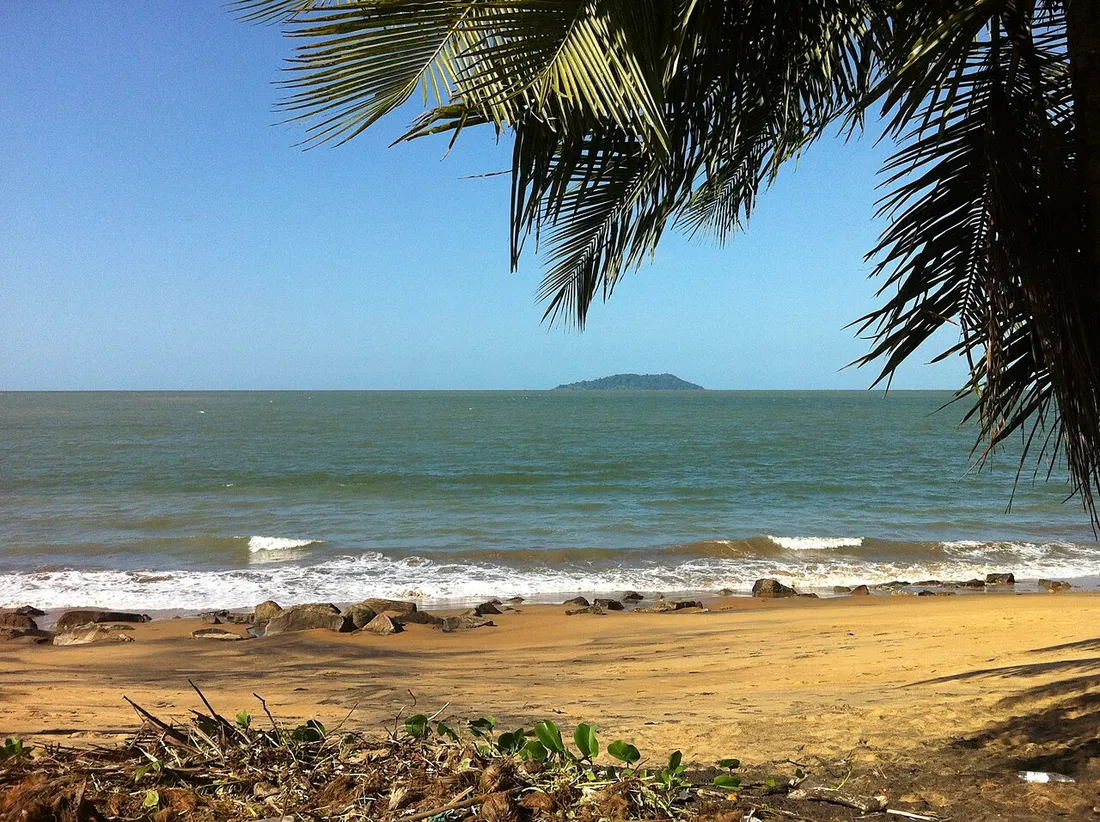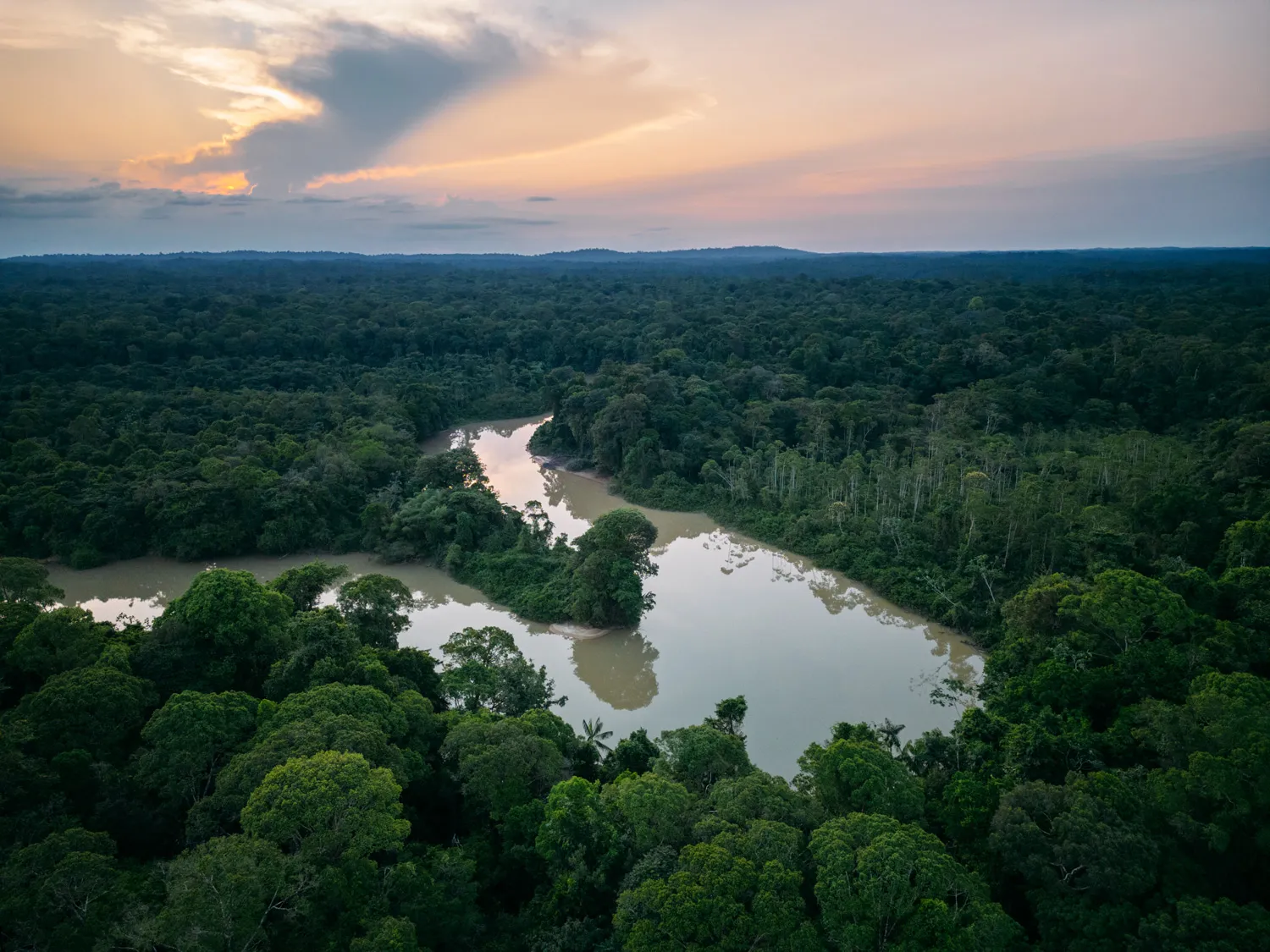

The tourist season in French Guiana for short-term rentals is unlike any other in France’s overseas territories. There is no single Christmas peak as in the West Indies: bookings are driven by three distinct engines — Carnival (from January to the “jours gras”), the dry season (July to late November), and the rocket launches from the Guiana Space Centre, which fill up Kourou within hours. After several years managing properties in Cayenne, Rémire-Montjoly and Kourou, here is how to build a concrete pricing strategy around these windows, backed by real numbers from the field.
Understand the Guianese calendar before setting your rates
French Guiana is a French department of roughly 290,000 inhabitants, on the euro, with an international airport (Félix-Éboué, in Matoury, 15 km from Cayenne) served almost exclusively from Paris-Orly. The consequence for an owner: demand rests on three profiles, each with its own calendar.
- Visiting friends and relatives: families and friends of residents, who come during school holidays and Carnival. Stays of 10 to 21 days, price-sensitive.
- Professionals on assignment: CSG (Space Centre), construction, healthcare, military. Bookings from 1 week to 3 months, all year round.
- “Nature” tourists: the Kaw marshes, the Maroni river by pirogue, the Nouragues reserve, leatherback turtles at Awala-Yalimapo. They overwhelmingly target the dry season.
The first reflex to drop: copying the rate grid of a West Indian holiday let. In French Guiana, a well-managed August can earn more than a February… unless your property is in Cayenne during the “jours gras”.

Carnival: the longest peak season in the world
Guianese Carnival runs from Epiphany (early January) to Ash Wednesday, i.e. 6 to 9 weeks depending on the year. It is the period when demand for accommodation in Cayenne explodes, driven by the diaspora returning home and by a growing event tourism.
What actually happens on the ground
- Every Sunday afternoon, the big parades march through Cayenne (sometimes Kourou or Saint-Laurent-du-Maroni); the streets around the Place des Palmistes close from 1 p.m.
- The touloulous’ masked balls sell out: €10 to €15 entry, and short nights for your guests.
- Paris–Cayenne flights climb from €700-800 to €1,200-1,500 round trip during the “jours gras”: anyone paying that price for their ticket will accept premium accommodation.
Our typical rate grid for a one-bedroom flat in Cayenne or Rémire-Montjoly
- Low season (March-June): €55 to €70 per night, discounts of 20-30% by the month for long assignments.
- Carnival Sundays (January-February): +25 to 40% from Friday to Monday.
- “Jours gras” (Carnival Saturday to Ash Wednesday): €110 to €150 per night, minimum 4 nights — up to 8-10% of the annual turnover over these 5 days.
A classic mistake: opening February at the standard rate. Regulars book as early as September; without raising rates in time, you sell your best nights at €60 instead of €130.
Dry season: the weather window that makes renting in French Guiana
From July to late November, rain becomes rare, the tracks become passable again and the light is superb: it is the best time to discover the territory, and therefore the second peak season for renting in French Guiana. It partly overlaps with the metropolitan summer holidays (July-August), which creates a double demand effect.
Why travellers target this period
- The Îles du Salut can be visited by calm sea (shuttle from Kourou, around €50-60 round trip per adult).
- Pirogue trips on the Kaw marshes (€45-60 for a half-day from Roura) and trips up the Maroni from Saint-Laurent-du-Maroni run at full capacity.
- The free tour of the Guiana Space Centre in Kourou (by reservation, around 3 h) combines with the beaches of Rémire-Montjoly.
- The Cayenne market and the Hmong village of Cacao (1 h 15 drive from Cayenne) round out the weekend programme.
To brief your guests: a car is essential (€35-50/day to rent), the yellow fever vaccine is mandatory, with a time difference of -5 h in winter / -6 h in summer compared to Paris. This information in your welcome booklet prevents 80% of questions on arrival — our French Guiana guide compiles it for you.
Adjusting prices and minimum stays
In the dry season, stays are longer (7 to 14 nights) and travellers roam: a property in Cayenne, Matoury or Macouria serves as a base camp. Our usual settings:
- July-August: +15 to 25% on the base rate, minimum 3 nights.
- September-October: peak-season rate maintained but the minimum brought down to 2 nights; this is the period of local long weekends and child-free travellers.
- Awala-Yalimapo and the West: the leatherback turtles’ nesting (April-July) creates a mini-season for the properties of Saint-Laurent-du-Maroni, 250 km / 3 h from Cayenne.