The Guiana Space Centre (CSG) in Kourou is more than just a French Guiana curiosity: it is Europe’s spaceport, the site from which Ariane and Vega rockets have been launching for more than forty years. If you are planning a trip to French Guiana, stepping through the gates of this strategic site, or even looking up at the exact moment a rocket tears off the ground, ranks among the most memorable experiences you can have in the region. The good news: the visit is accessible, free, and easier to organise than you might think, as long as you know a few rules. Here is your complete guide to visiting the CSG, understanding how to attend a launch, and combining this stop with the rest of your stay.
Why the Guiana Space Centre is unique in the world
French Guiana was not chosen by chance to host Europe’s space activities. Its proximity to the equator offers a valuable physical advantage: the Earth’s rotation is faster there, which gives rockets a natural boost and helps save fuel. Add to that a wide coastline facing east towards the Atlantic (ideal for safe trajectories over the ocean) and a sparsely populated area sheltered from cyclones.
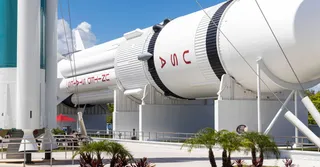
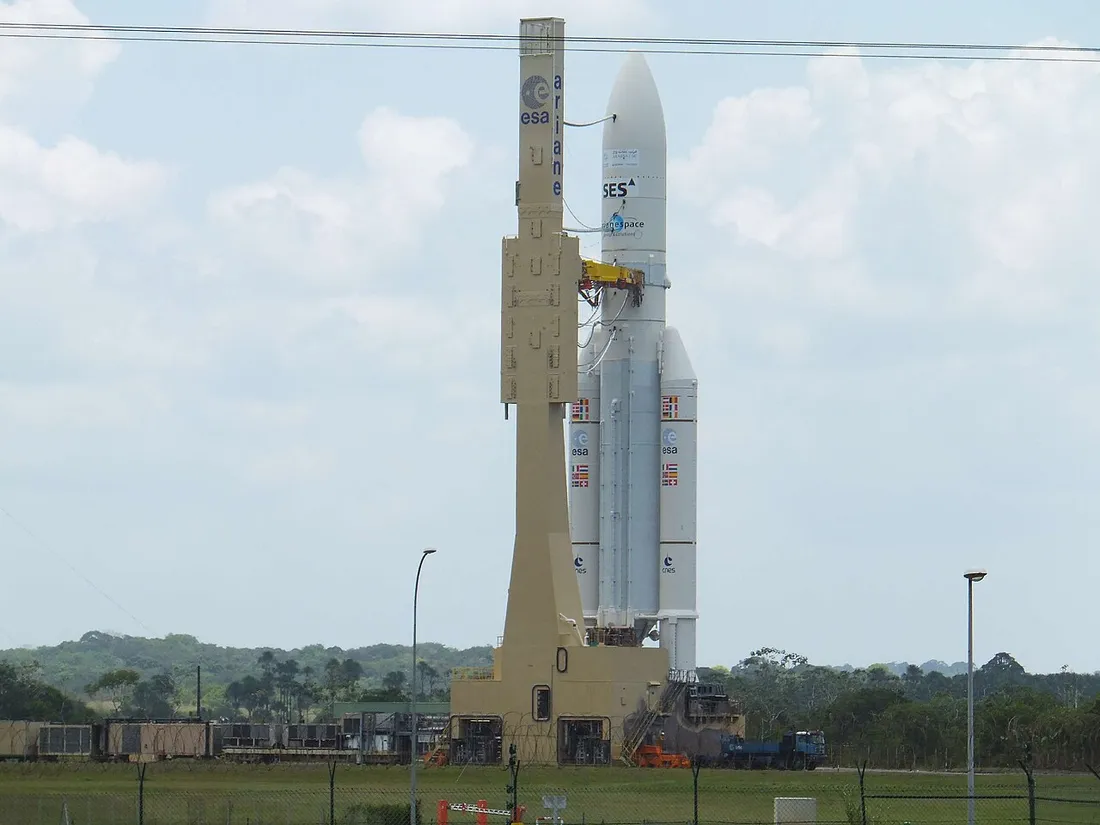
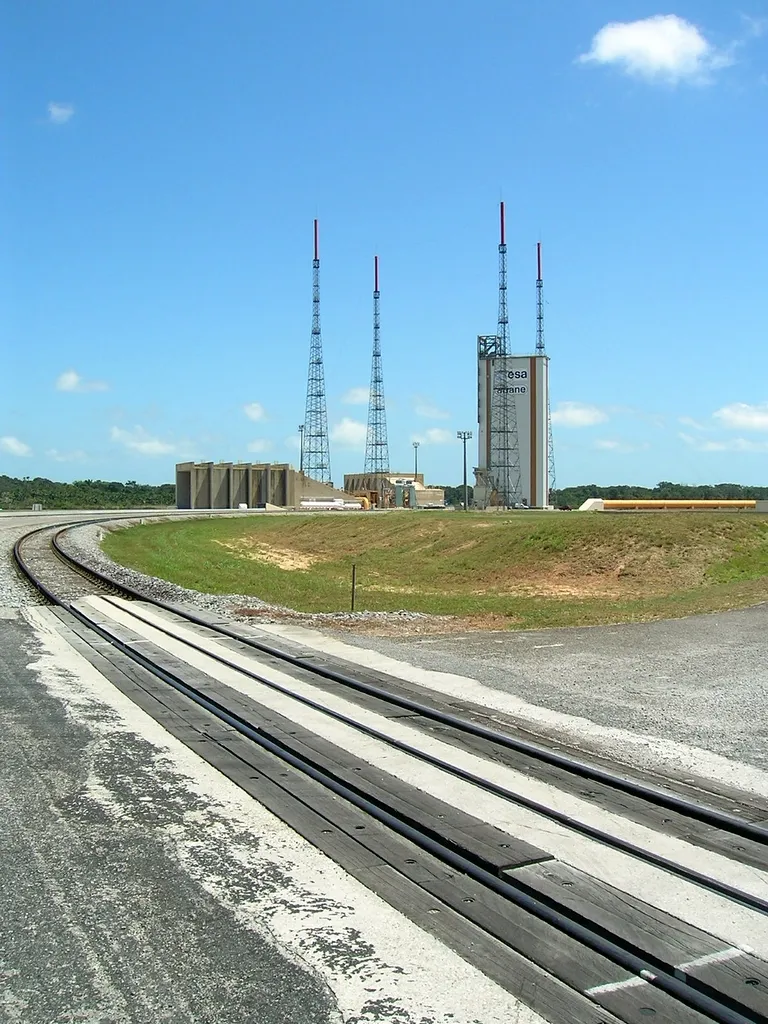
The CSG spreads across a vast territory between Kourou and Sinnamary. It houses the launch pads, the assembly buildings, the control centre, and a museum dedicated to the space adventure. Visiting this place means getting a hands-on feel for cutting-edge technology while discovering a little-known chapter of French and European industrial history.
How to visit the Guiana Space Centre
The CSG offers free guided tours, available with prior booking. This is the heart of the experience for most travellers, as it gives access to areas normally closed to the public.
A few key points to keep in mind:
- Booking is mandatory and must be arranged in advance through the CSG visitor service. Spots are limited and fill up quickly during the high tourist season.
- A valid ID is required on the day, for you and for every member of your group. No document, no entry: checks are strict, since this is a sensitive site.
- The tour lasts about half a day (allow around 3 hours). It usually takes place by bus, accompanied by a guide.
- It is held several days a week, outside of launch or maintenance periods when access may be suspended.
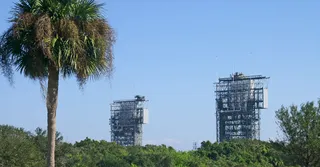
The usual programme includes discovering the Ariane and Vega launch sites, passing by the technical installations, and often a stop at the Space Museum. The exact content may vary depending on what is happening at the centre.
Practical tip: book your slot as soon as your travel dates are set, ideally several weeks in advance. Always check the current conditions and timetables directly with the CSG, as they change according to the operations schedule.
Minimum age and accessibility
Access to the guided tour is subject to a minimum age (often around 8 years, to be confirmed with the centre when booking). Very young children are generally not admitted on the bus tour for safety and logistical reasons. If you are travelling as a family with young children, the Space Museum remains an excellent alternative, more fun and with no age restriction.
The Space Museum: not to be missed
Alongside the guided tour, the Space Museum is well worth the trip on its own. There you can explore the history of space exploration, how launchers work, life-size models, authentic objects, and interactive spaces that appeal to enthusiasts and children alike.
It is the ideal option if:
- you are travelling with young children who are not admitted on the guided tour;
- you were unable to book a slot for the launch site;
- you want to dig deeper before or after your visit.
Allow 1 to 2 hours to enjoy it at your own pace. Check the opening days and times, which may differ from those of the guided tours.
Can you watch a rocket launch?
Yes, and it is undoubtedly the most powerful memory you will bring back from Kourou. Watching an Ariane or Vega rocket lift off, feeling the rumble rise in your chest a few seconds after the burst of light, is an emotion that is hard to put into words.
There are several ways to watch a launch:
- From the CSG’s official observation sites, closer and more supervised, with prior registration. These spots are in very high demand and subject to conditions (a minimum age is often required, and ID is checked).
- From public viewpoints around Kourou (seafronts, beaches, high points), freely accessible but further away.
- From a distance, from Cayenne or the coastal road, where you can catch the rocket’s ascent on a clear day.
How to maximise your chances
- Keep an eye on the launch schedule, published in advance by the space operators. Never plan your entire trip around a single date.
- Register early for the official sites as soon as registration opens, as demand often exceeds supply.
- Build in flexibility: a launch can be postponed by a few hours, a few days, or even longer, for weather or technical reasons. This is common and perfectly normal.
- Keep a night or two of margin in your itinerary around the announced date, to absorb any shift.
Important: we deliberately give no specific dates, times, or prices here, as this information changes constantly. Always refer to the official CSG channels for up-to-date details.
When and how to get there from Cayenne
Kourou is about a 1-hour drive from Cayenne via the RN1, an easy and fairly pleasant journey along the coast. From Félix Éboué airport, allow a little more time depending on traffic.
The most practical option is the car. Public transport exists but remains limited and poorly suited to a flexible tourist schedule, especially if you want to string together the museum, the guided tour, and the viewpoints. Booking a car rental will give you the freedom you need to explore the coast at your own pace, including early-morning departures or late returns after a launch.
When you arrive in Kourou, locate in advance:
- the meeting point for the guided tours (provided when you book);
- the Space Museum;
- the departure point for the Îles du Salut, if you are combining the two.
To combine: the Îles du Salut and Cayenne
One of Kourou’s great strengths is its location. The town is the departure point for the catamaran shuttles to the Îles du Salut, this history-laden archipelago, with its former penal colony, Devil’s Island, preserved nature, and waters where turtles and dolphins sometimes swim. Many travellers devote one day to the CSG and another to the islands, from the same base in Kourou.
On the culture and food side, do not leave without exploring Cayenne: its colourful market, Creole architecture, blended cuisine, and unique atmosphere are the perfect complement to Kourou’s scientific dimension. In just a few days, you go from cutting-edge rockets to the history of the penal colony, then to Caribbean flavours: a striking snapshot of everything French Guiana has to offer.
A 3-day itinerary idea from Kourou or Cayenne:
- Day 1 — Space Museum + guided tour of the CSG (if you booked a slot).
- Day 2 — Excursion to the Îles du Salut departing from Kourou.
- Day 3 — Discovering Cayenne and its market, keeping some margin in case a launch is announced.
Practical tips for a successful visit
- Book early for the guided tour and, where applicable, your spot at a launch observation site.
- Bring your ID: essential to access the site.
- Dress light but covering: it is hot and humid, but a cap, sunglasses, sunscreen, and water are your best allies. Pack insect repellent too.
- Arrive early at the meeting point: latecomers are not waited for.
- Check the day before for any timetable changes linked to ongoing operations.
- Stay flexible about launches and keep smiling if a date slips: it is part of the space adventure.
- Think of families: if your children are too young for the guided tour, go for the museum.
Where to stay to visit Kourou
To make the most of Kourou without rushing, it is best to sleep nearby. You have two options:
- Stay on the Cayenne side and make the day trip, handy if you also want to explore the capital and its nightlife.
- Stay further west, towards Sinnamary and the coast, to be as close as possible to the space centre and the departures for the islands.
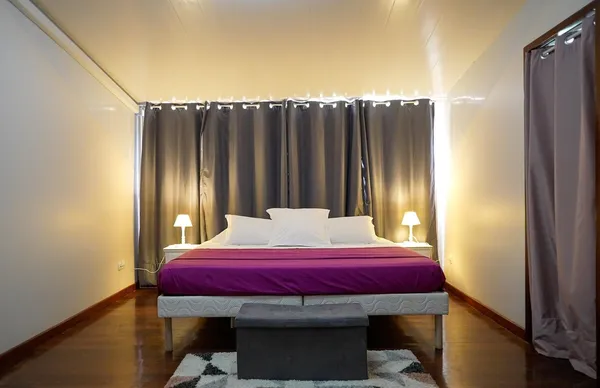
Hostel Toucan offers comfortable and well-located accommodation in French Guiana for easily moving between Kourou, Cayenne, and the Îles du Salut. Whether you are travelling as a couple, a family, or with friends, you will find a pleasant base to combine rockets, history, and beaches.
Ready to live the French Guiana space adventure? Book one of our accommodations with Hostel Toucan now, set down your bags in the heart of French Guiana, and let yourself be carried from the lift-off of an Ariane to the shores of the Îles du Salut. See you soon in French Guiana!