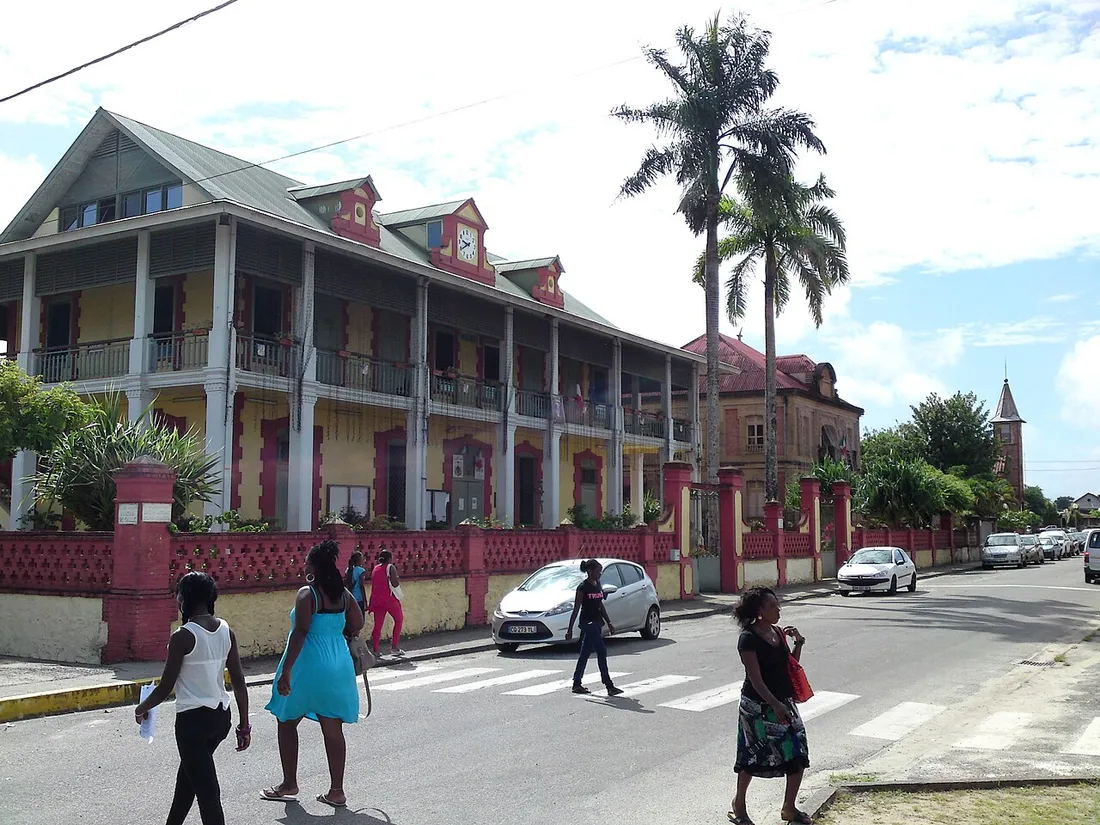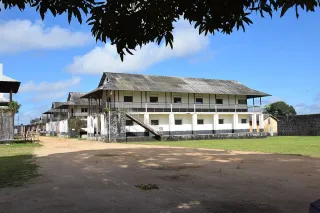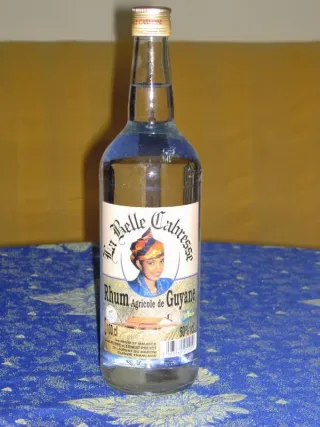
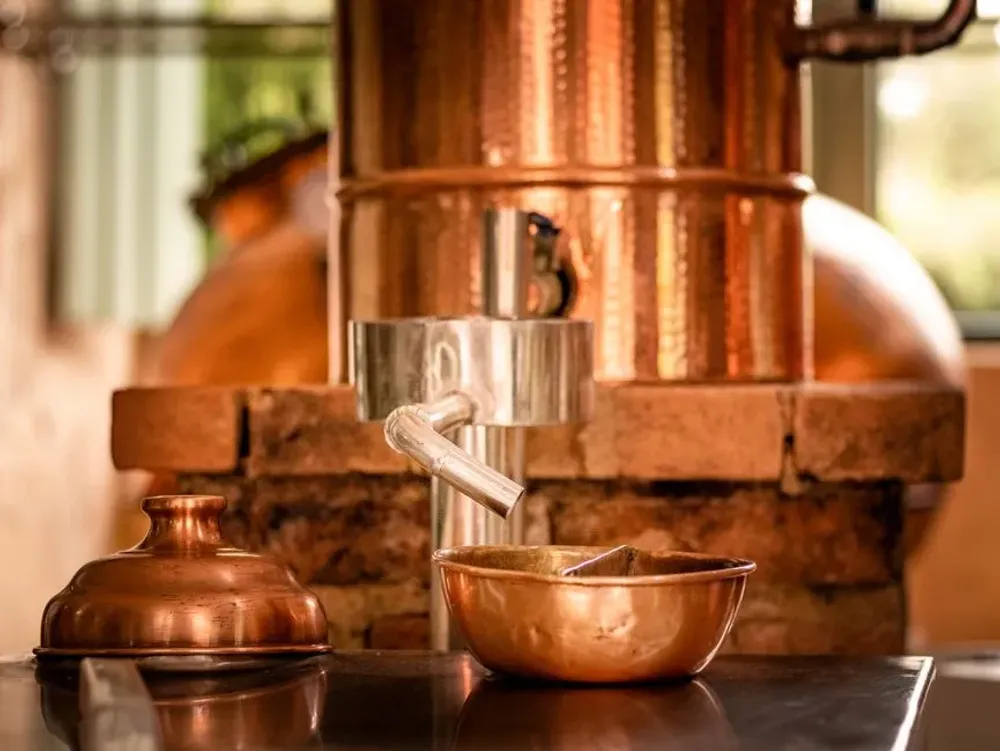
If you’re heading down into western French Guiana, the Saint-Maurice distillery is one of those stops that surprises even the most seasoned travellers. The last working rum distillery in the territory, it produces the famous “La Belle Cabresse” rum and “Cœur de Chauffe,” two staples found on every table in French Guiana. Just a few minutes from the centre of Saint-Laurent-du-Maroni, it pairs perfectly with a visit to the Camp de la Transportation and offers a genuine sensory discovery. Here’s our practical guide, drawn from several visits on site, to help you make the most of your Saint-Maurice distillery visit with no unpleasant surprises.
Why the Saint-Maurice distillery is worth the detour
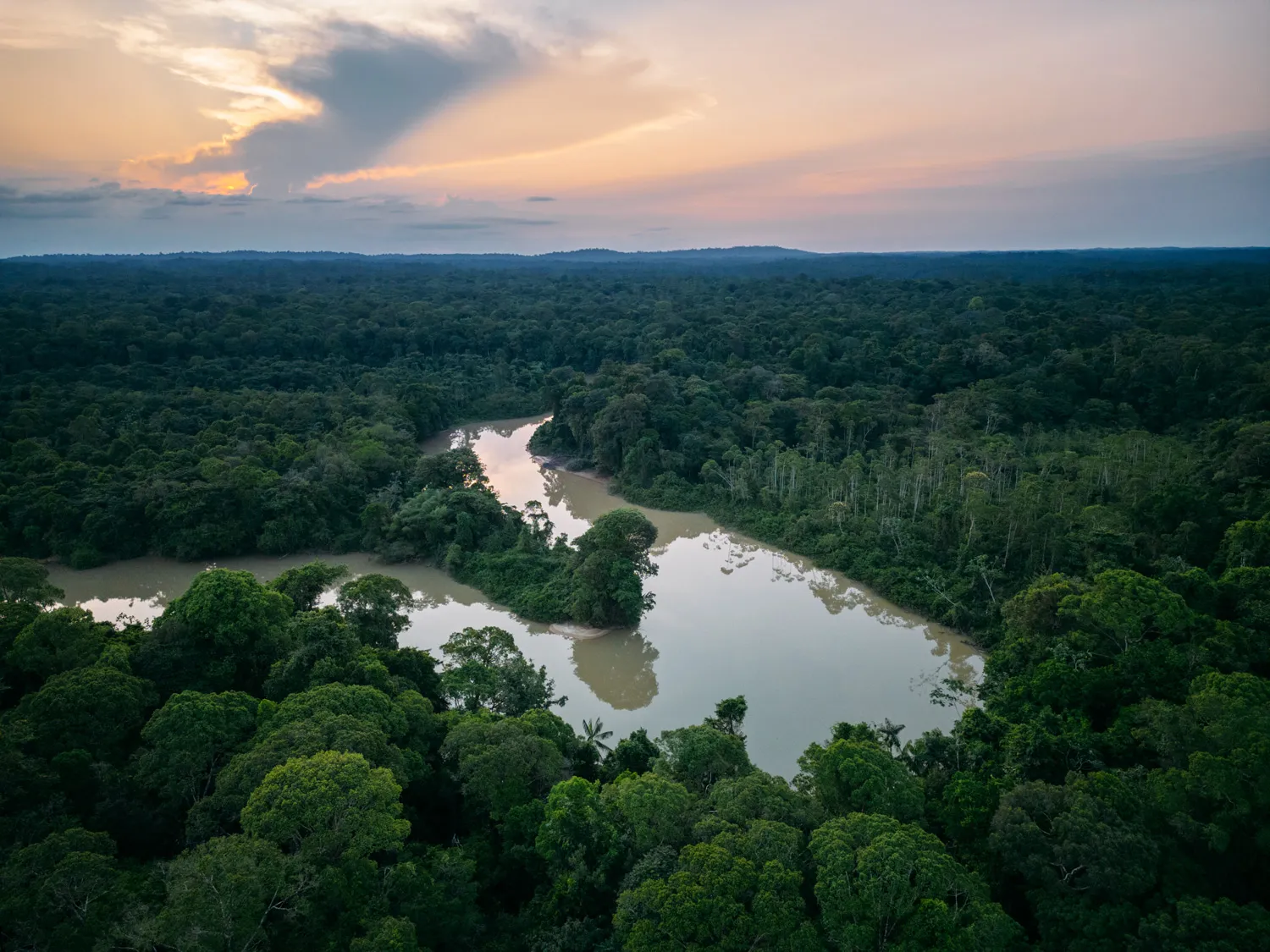
French Guiana, a French overseas region of nearly 294,000 inhabitants, isn’t only a land of rockets and rainforest. It also has a genuine agricultural rum culture, distilled directly from freshly pressed cane juice (the “vesou”) rather than from molasses. Saint-Maurice is today the only distillery still operating in the department, making it living heritage as much as a tasty stop.
On site, you’ll grasp the whole cycle:
- the cutting and transport of cane during the harvest,
- the milling and extraction of the vesou,
- fermentation,
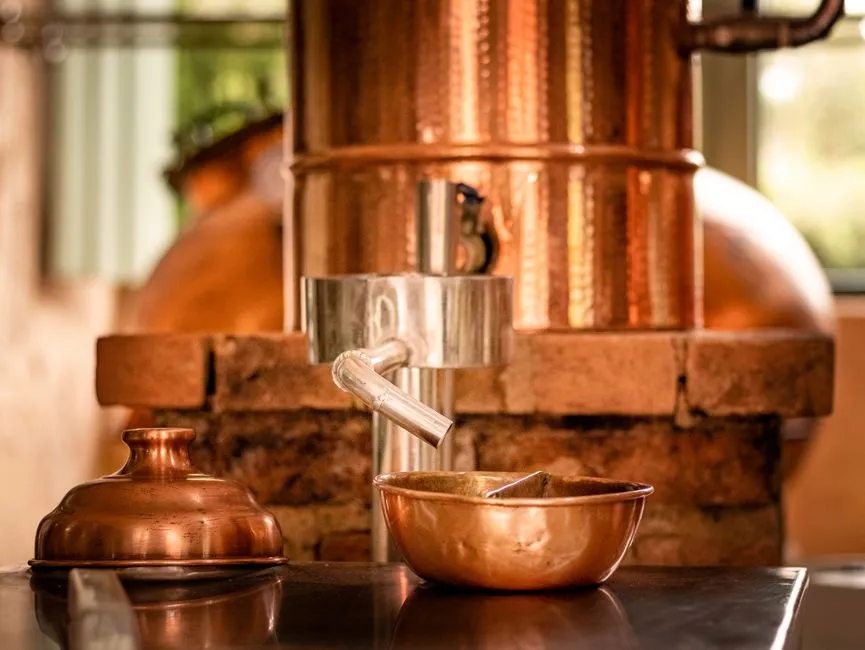
- distillation in a Creole column still,
- ageing in oak barrels for the amber cuvées.
The smell of warm cane, the sound of the machines running at the height of the sugar harvest and the tropical heat give the experience an authenticity no air-conditioned museum could ever reproduce.
A respected agricultural rum
La Belle Cabresse (white agricultural rum) and Cœur de Chauffe (traditionally very high-proof, around 50 to 55% ABV) are the local pride. You’ll also come across aged cuvées and infused “rhum arrangé” preparations, ideal to bring home. It makes an excellent souvenir, far more representative of French Guiana than an airport fridge magnet.
Getting there: how to reach the distillery
The distillery sits in the commune of Saint-Laurent-du-Maroni, at the western edge of the territory, bordering Suriname across the Maroni River.
From Cayenne, expect around 250 km via the RN1, roughly 3 to 3.5 hours of driving depending on traffic and checkpoints. The road is generally good, but a car is essential in French Guiana: there’s no practical public transport network for this kind of excursion.
From the centre of Saint-Laurent-du-Maroni, the distillery is just a few minutes away by car, in the Saint-Maurice estate area. If you’re staying in town, it’s a perfect nearby stop to combine with a visit to the former penal colony.
A few practical pointers:
- Time difference: -5 h in winter and -6 h in summer compared with Paris; keep that in mind if you call to confirm.
- Dialling code: +594.
- Currency: the euro (French Guiana is a French department).
- Languages: French, but also Creole, Bushinengue and Amerindian languages in the west.
Local tip: distillation mainly takes place during the cane harvest, generally from the end of the dry season to the start of the rainy season. That’s when you’ll see the machines running. Outside the harvest the visit is still interesting, but without the magic of the equipment in action. Always call before making the trip.
Hours, prices and how the visit unfolds
Visiting conditions change with the seasons and production activity. Here are some realistic ballpark figures to confirm directly with the distillery or the Saint-Laurent-du-Maroni tourist office:
- Length of the visit: allow roughly 45 min to 1 h, tasting included.
- Price: the visit is often free or low-cost (a few euros), and shopping in the boutique is of course optional.
- Opening days: usually weekdays, with reduced hours at the weekend; always check ahead.
- Tasting: included for adults, to be enjoyed in moderation.
What you’ll see on site
- The surrounding cane fields, which set the agricultural context.
- The milling workshop and the extraction of the vesou.
- The fermentation vats and the distillation column.
- The ageing cellar, for lovers of amber rum.
- The tasting boutique, the highlight of the visit.
Making the most of the tasting
- Taste the white agricultural rum first, before the amber, to appreciate the purity of the cane juice.
- Ask to compare La Belle Cabresse and Cœur de Chauffe: the latter is noticeably more powerful.
- If you buy infused rhum arrangé, check the proof for transport in the hold.
- Appoint a designated driver: the road back demands attention, especially at nightfall.