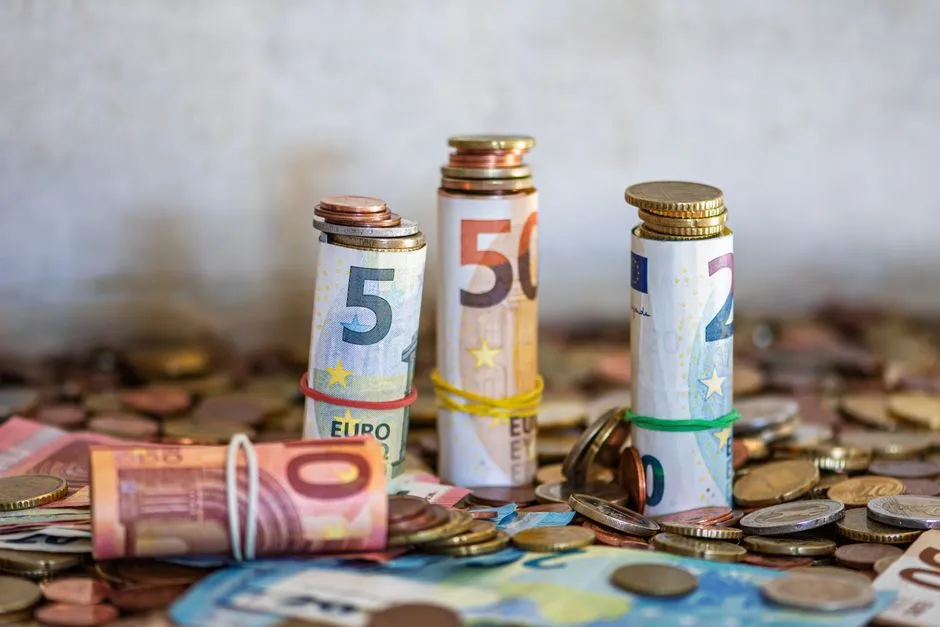
Good news before you even pack your bags: figuring out how to pay in Guadeloupe is one of the easiest parts of planning your trip. The archipelago is a French overseas department and region (DROM): the currency here is the euro. No currency exchange, no rate to track, no commission if you’re coming from mainland France. There’s just one on-the-ground reality the guidebooks often forget: here, cards and cash aren’t used for the same things. After several years welcoming travellers between Sainte-Anne and Deshaies, here’s exactly how to handle your money on the spot, town by town.
The euro in Guadeloupe: zero exchange fees for European travellers
6,700 km from Paris, you pay in euros. In practice, for a traveller coming from mainland France or the eurozone:
- No exchange fees: your card works just as it does at home, with no “outside the eurozone” commission.
- Same notes, same coins: ATMs dispense the usual 10, 20 and 50 € bills.
- Same banking limits: your usual withdrawal and payment limits apply (often 300 to 500 € of withdrawals per 7-day period on a standard card — check before you leave).
- Cheques accepted but increasingly rarely; don’t count on them.
The only useful precaution: let your bank know about your trip through its app. Some anti-fraud systems still block cards on a first payment in the Caribbean, right after landing at Pôle Caraïbes airport.
Paying in Guadeloupe by card: where it works (almost) everywhere
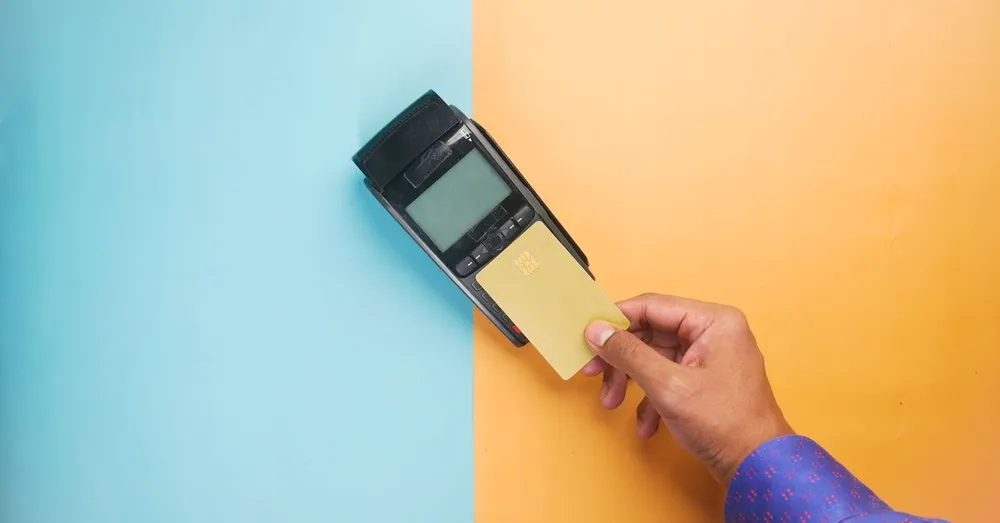
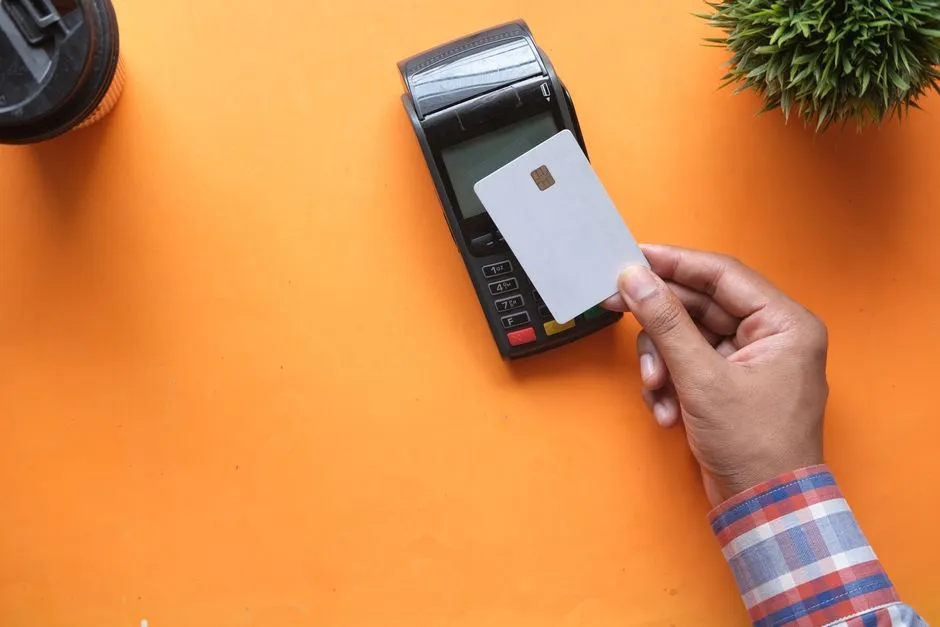
Cards are widely accepted in Guadeloupe, and contactless has become standard over the past few years, including for small amounts.
Where the card is king
- Supermarkets and big stores (Carrefour, Leader Price, Super U in Le Gosier, Saint-François or Le Moule): cards taken everywhere, with contactless and mobile payment (Apple Pay, Google Pay) accepted.
- Petrol stations (Vito, Rubis): cards accepted at the till; the 24/7 pumps work with cards, handy for filling up before returning a rental car.
- Established restaurants, hotels, pharmacies: no problem at all, sometimes with a 10 to 15 € minimum for card payments.
- Organised tourist activities: dive clubs at the Cousteau Reserve in Bouillante (intro dives around 60-70 €), excursions to Petite-Terre (90-110 € for the day), car hire: everything is settled online or by card.
- Ferries to Les Saintes or Marie-Galante: tickets payable by card at the counters and online (expect 25 to 45 € return depending on the company and crossing).
The limits to keep in mind
- American Express cards are rarely accepted outside hotels; stick to Visa or Mastercard.
- On Terre-de-Haut in Les Saintes or on La Désirade, some small shops switch back to “cash only” when a temperamental terminal loses signal. Always keep 40 to 50 € on you when spending a day on the islands.
- A few food trucks and beach snack bars display a terminal that… “isn’t working today.” It’s not ill will: 4G coverage is patchy along Basse-Terre’s leeward coast.
Cash in Guadeloupe: essential at the market and the lolos
This is the angle nobody tells you clearly enough: bring cash for everything that gives the trip its flavour. Authentic Guadeloupe is often paid for in notes.
- The markets: at the seafront market in Sainte-Anne, the spice market in Pointe-à-Pitre (Saint-Antoine market) or the Basse-Terre market, the stalls of fruit, spices and rum punches are paid in cash. Expect 2 to 3 € for a bag of colombo spices, 5 € for a sugarloaf pineapple, 10 to 15 € for a bottle of homemade coconut punch.
- The lolos, those small creole restaurants by the beach: a smoked chicken with rice and christophine gratin will cost you 12 to 15 €, a full bokit 6 to 8 €, almost always in cash.
- The street vendors: hand-churned coconut sorbet (2.50 to 3 € a scoop), freshly pressed cane juice, accras as you leave Caravelle beach.
- Small tips and services: a baggage porter at the pier, a local guide on the Carbet Falls trail, the lady watching over the informal car park at Pointe des Châteaux (1 to 2 € as is customary).
Our resident’s rule: withdraw 100 to 150 € at the start of your stay, then top up once a week. For a week’s stay for two, 200 to 250 € in cash easily covers markets, lolos and little pleasures; everything else goes on card.
ATMs in Guadeloupe: where to withdraw, town by town
Cash machines (ATMs) are plentiful on Grande-Terre and along the east coast of Basse-Terre. The networks present: Crédit Agricole, BRED, BNP Paribas Antilles-Guyane, LCL, Société Générale, Caisse d’Épargne CEPAC and La Banque Postale (often the shortest queue).
- Pointe-à-Pitre: the highest density of ATMs in the archipelago, in the town centre and at the Milénis shopping centre; ideal after a visit to the Mémorial ACTe.
- Le Gosier, Sainte-Anne, Saint-François: several machines in the town centres and commercial zones; in Sainte-Anne, withdraw early in the morning on market days, as the town-centre machine empties fast on Sundays.
- Basse-Terre (town) and Bouillante: ATMs in the town centre and near the villages; on the west coast, plan ahead before heading down to Malendure for diving.
- Deshaies: a limited number of machines in the village; if you’re staying near Grande Anse, withdraw before you arrive or during a supermarket run.
- Les Saintes and Marie-Galante: ATMs exist at Terre-de-Haut, Grand-Bourg and Saint-Louis, but they sometimes break down or run out of cash at the weekend. Withdraw before boarding — that’s the tip we repeat most often to travellers.
No specific “overseas” withdrawal fee applies: only your card’s terms matter (an out-of-network withdrawal costs 1 € at some banks after 3 or 4 withdrawals a month, just as in mainland France).
Travellers from outside the eurozone: Swiss, Canadian, American
If you’re coming from Switzerland, Canada or the United States, Guadeloupe is treated like any other eurozone destination:
- Always pay in euros at the terminal: refuse the dynamic currency conversion (DCC) sometimes offered, as its rate is 3 to 5 % unfavourable.
- A card with no exchange fees (Revolut, Wise, N26 or equivalent) saves 1.5 to 3 % over the whole stay.
- There is almost no currency exchange office on the spot: arrive with euros or withdraw at an ATM right from Pôle Caraïbes airport.
Smart budgeting: what it changes for your accommodation
The line where you lose the most money in Guadeloupe is neither the market nor the restaurant: it’s the booking platform service fees, which commonly add 12 to 17 % to the price of a rental. By booking your accommodation directly from our selection of rentals in Guadeloupe, you pay the owner’s price, with no traveller commission, with free cancellation up to 7 days before arrival and WhatsApp assistance 7 days a week — handy when a Deshaies ATM is out of order. On a 900 € week, the saving pays for your crossings to Les Saintes for two.
To plan the rest of your stay (transport, seasons, itineraries between Grande-Terre and Basse-Terre), our complete guide to Guadeloupe gathers all our on-the-ground tips. And if you own a property in the archipelago, find out how our concierge service supports owners day to day.
FAQ
What currency is used in Guadeloupe?
The euro, exclusively. Guadeloupe is a French overseas department: notes, coins and prices work exactly as in mainland France, with no exchange fees whatsoever for eurozone travellers.
Can you pay for everything by card in Guadeloupe?
Almost everything: supermarkets, restaurants, petrol stations, activities and rentals accept Visa and Mastercard, often contactless. Do bring cash, however, for markets, beach lolos, street vendors and the smaller islands such as Les Saintes or La Désirade.
How much cash should you bring for a week in Guadeloupe?
For two people, 200 to 250 € in cash is more than enough to cover markets, beach snacks, tips and unexpected expenses. Withdraw 100 to 150 € on arrival, then top up during your stay in the town centres of Sainte-Anne, Saint-François or Pointe-à-Pitre.
Are there ATMs on Les Saintes and Marie-Galante?
Yes, at Terre-de-Haut, Grand-Bourg and Saint-Louis in particular, but they are few and sometimes run out of cash at the weekend or in high season. The local reflex: withdraw on Grande-Terre or Basse-Terre before boarding the ferry.