“Do I need to exchange money before I leave?” That’s one of the first questions travellers send me on WhatsApp, a few days before take-off. The answer is reassuring straight away: no. Martinique is a French overseas department and region (DROM), you pay in euros there, and everything works just like in mainland France — or almost. Behind that simplicity hide a few very local subtleties: spots where cards work everywhere, others where only cash is king, sometimes temperamental ATMs, and fees to anticipate if your bank isn’t in the euro zone. After years of living here and advising our guests, here’s the essential guide to paying in Martinique, with no nasty surprises when it’s time to settle up.
Paying in Martinique: the euro and the SEPA zone, nothing to change
Martinique uses the euro, exactly like mainland France. You have no currency to buy, no exchange bureau to track down, no rate to keep an eye on: the banknotes and coins are the same as the ones in your wallet in Paris.
Better still, the island is part of the SEPA zone (Single Euro Payments Area). For a traveller living in a euro-zone country, this means:
- No exchange fees: you pay in euros from a euro account, with no conversion.
- No exchange commission when withdrawing from ATMs.
- Transfers and direct debits treated as domestic operations (handy for paying a rental or a deposit).
For someone from mainland France, paying in Martinique works out exactly the same as at home on the banking side. Good news from the French West Indies, where neighbouring Saint Lucia or Dominica switch over to the Caribbean dollar.
What about travellers outside the euro zone?
If you’re coming from Switzerland, Canada or the United Kingdom, the logic changes. Your bank applies its foreign-payment fees, generally 2 to 3% per transaction, sometimes with a flat fee per withdrawal. Go for a low-fee travel card (a neobank type) and, if a terminal offers you the choice of currency, always pay in euros: declining dynamic conversion avoids an unfavourable rate.
Bank cards in Martinique: where they work (and where they don’t)
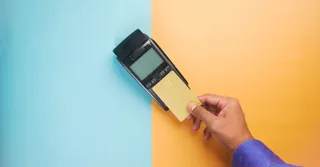
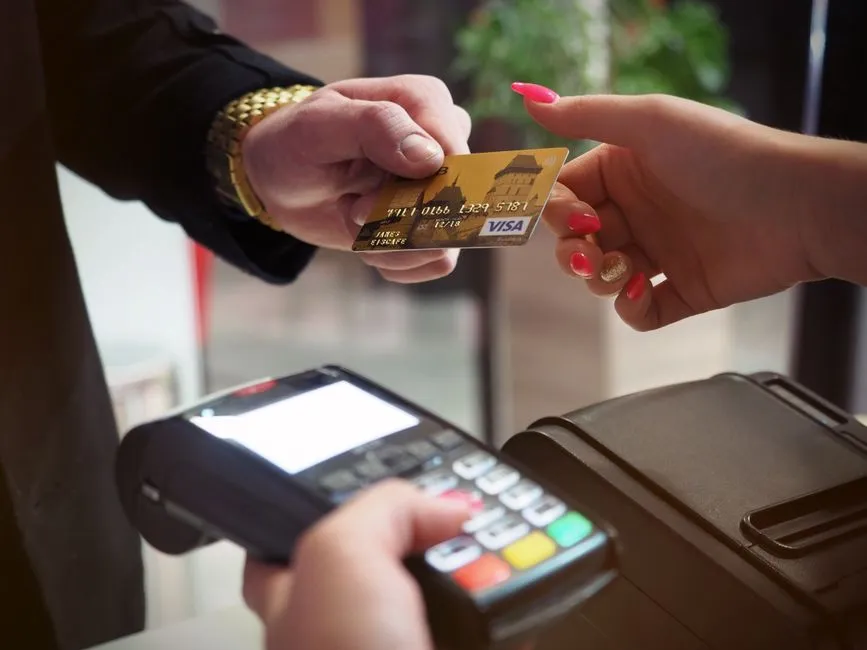
The bank card in Martinique is widely accepted, and contactless has been standard for a long time. Visa and Mastercard work without difficulty in the vast majority of shops. American Express, on the other hand, is far less commonly taken: don’t count on it outside a few hotels and big chains.
Where cards work without a hitch:
- Supermarkets and hypermarkets (the Lamentin, Génipa in Ducos, Fort-de-France areas), with contactless across the board.
- Petrol stations, including 24/7 automated pumps — handy on Sundays and at night.
- Restaurants, hotels, car-rental agencies, distilleries along the Rum Route (Clément, Depaz, Saint-James, La Mauny, Trois-Rivières).
- Shops, pharmacies, tourist sites such as the Jardin de Balata.
Where it gets trickier is in the local and seafront economy: modest lolos (beach-shack restaurants), beach street vendors (coconut sorbet, fruit, accras), fishermen selling at the landing, and above all the markets, where most stalls prefer — or even require — cash.
One last technical point: in the mountainous North (Montagne Pelée, Grand-Rivière) and at certain remote sites, the mobile network can falter and cause a card payment to fail. A little cash in your pocket then keeps you from getting stuck.
ATMs: where to withdraw cash
The ATM in Martinique (cash machine) is easy to find in inhabited and tourist areas: near the banks (BNP Paribas Antilles-Guyane, BRED, Crédit Agricole, La Banque Postale), in supermarket arcades and in the town centres. You’ll come across them in Fort-de-France (plenty downtown), in the tourist towns of the South (Trois-Îlets, Sainte-Anne, Le Diamant, Sainte-Luce, Le Marin) and right on arrival at Aimé Césaire airport (Le Lamentin).
A few on-the-ground habits that make the difference:
- Withdraw before heading off to remote spots. The Caribbean North (Saint-Pierre, Le Carbet), the Caravelle peninsula at Tartane or the wild Far South have ATMs few and far between: stock up in a well-equipped town before setting off.
- At the weekend, some small-town ATMs run out of notes and aren’t refilled until Monday. Plan your Friday withdrawals ahead.
- Check the fees. Withdrawals carry no exchange fees for a euro-zone card, but your bank may charge for out-of-network withdrawals, and independent ATMs sometimes display a commission: read the screen and decline the conversion if it’s offered.
- Always keep €40 to €80 in small notes for the lolos, the markets and tips.
Cash in Martinique: where banknotes still rule
Even in the contactless era, cash remains essential across a whole part of local life — and that’s often where the best experiences are hiding. Keep notes and coins for:
- The market, my secret anti-budget weapon: local fruit, Creole vegetables, spices, fish. At the covered market in Fort-de-France as in the town markets, you pay in cash.
- Lolos and food trucks: a grilled fish or a colombo at €12–18 is often settled in cash.
- Beach vendors: coconut sorbet, a bag of mangoes, hot accras.
- Roadside producers (North and centre) selling cane juice, honey, jams and local vegetables.
- Tips and the occasional parking fee at certain sites.
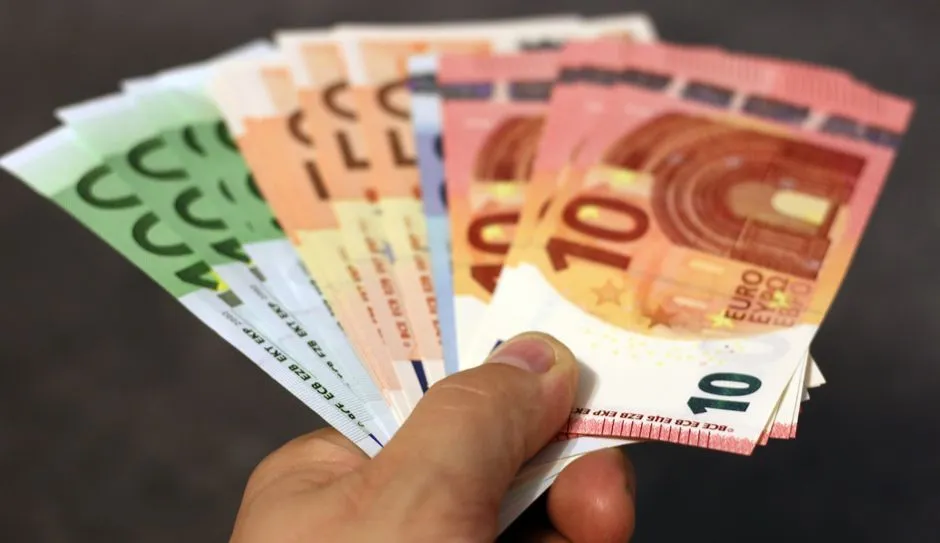
How much should you plan for? For a couple, always keep €40 to €80 in cash, favouring 5, 10 and 20-euro notes: a 50-euro note for two ti-punchs at a lolo, and you can spend a long while waiting for change.
Tipping in Martinique: customs and good practice
Tipping in Martinique follows the French logic, a world away from the North American model. It’s neither compulsory nor systematically expected, since service is in principle included in the prices. But it remains a lovely gesture, one that the warm welcome of Martinicans often deserves. My on-the-ground pointers:
- At a restaurant: if you were well looked after, leave €1 to €2 per person or round up the bill; 5 to 10% for truly attentive service is generous.
- At a lolo and in a taxi: rounding up or leaving the small change is more than enough.
- Excursion guides (fonds blancs, diving, hiking): a few euros per person reward a passionate guide.
A golden rule: tips are given in cash. Many local terminals don’t offer a “tip” line on screen — so keep a few coins handy.
Smart money habits for a relaxed stay
The advice I give our travellers before they arrive:
- Tell your bank about your trip to the West Indies if you travel rarely, to avoid a card being blocked “for security”.
- Travel with two means of payment: a main card and a backup card, stored separately.
- Decline conversion into your home currency on terminals and ATMs: always pay in euros.
- Note down your card’s emergency hotline before leaving (Martinique dialling code: +596) in case of loss or theft.
- Keep your cash somewhere safe: never leave money or valuables in plain sight in a rental car, especially in beach car parks like Les Salines.
To prepare the rest of your trip, from the climate to the must-sees, browse our complete guide to Martinique, designed to help you live the island like a local.
Booking smart with Hostel Toucan
The best way to avoid needless fees starts even before you reach an ATM: managing the heaviest cost of the trip well, namely accommodation. At Hostel Toucan, a concierge service and short-term rental specialist in the DROM, booking is done directly, with no platform fees: no hidden commission, you pay a fair price. Cancellation is free up to 7 days before arrival, ideal for booking early without stress, and our WhatsApp support 7 days a week answers all your questions — including “where’s the nearest ATM?” or “does this lolo take cards?”. We live here, we know the answers.
Compare our rentals in Martinique town by town, all fitted with a kitchen so you can keep a better grip on your budget. And if you own a property on the island, find out how we support owners with full management, from guest payments to collecting deposits.
FAQ
Can you pay everywhere by card in Martinique?
Almost everywhere, yes. The bank card in Martinique (Visa and Mastercard, contactless included) works in supermarkets, petrol stations, restaurants, hotels, rental agencies and tourist sites. Keep cash, though, for the lolos, the markets, beach vendors and fishermen, who don’t always take cards. American Express is rarely accepted.
Are there bank fees for paying in Martinique?
For a traveller from the euro zone (France, Belgium…), no: Martinique pays in euros and is part of the SEPA zone, so no exchange fees. Just check the withdrawal fees specific to your own bank outside its network. Outside the euro zone (Switzerland, Canada…), your bank applies its usual exchange fees: go for a low-fee travel card and always pay in euros.
Is tipping compulsory in Martinique?
No. As in mainland France, service is included in the prices and tipping in Martinique isn’t compulsory. It’s still appreciated: rounding up the bill or leaving €1 to €2 per person at a restaurant, a few euros for an excursion guide. Give it in cash, as local terminals generally don’t display a “tip” line.
Are ATMs easy to find?
Yes in inhabited areas: in Fort-de-France, in the tourist towns of the South (Trois-Îlets, Sainte-Anne, Le Diamant, Le Marin), in supermarket arcades and at Aimé Césaire airport. ATMs in Martinique do become scarcer, however, in the Caribbean North and the Far South: withdraw before these excursions, and plan your withdrawals on Friday, as some small-town cash machines run out of notes at the weekend.