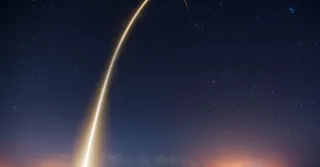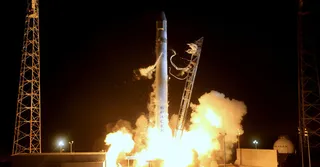
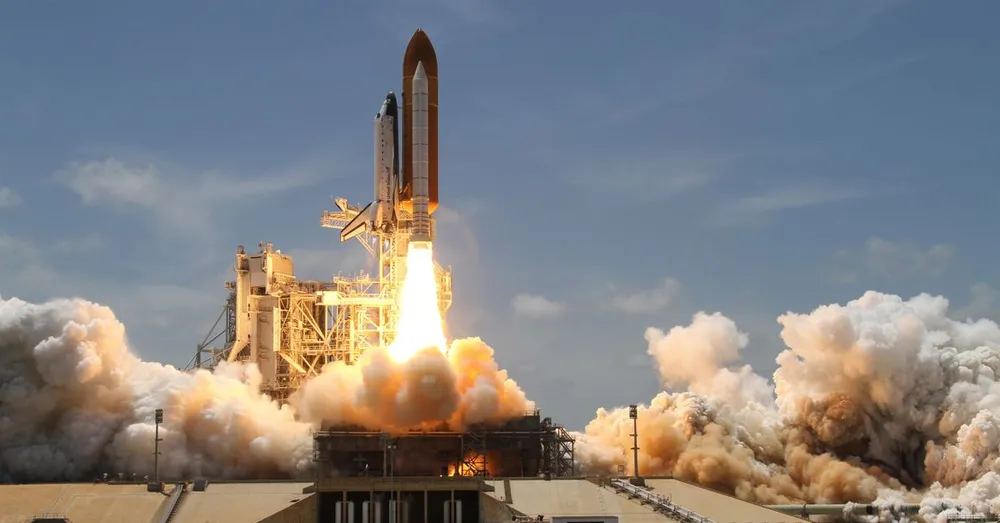
Watching a liftoff from the Guiana Space Centre (CSG) remains one of the most striking experiences French Guiana has to offer. The rumble rising from the ground, the glow tearing through the equatorial sky, the white smoke stretching out above the forest: it stays with you. In 2026, with Ariane 6 ramping up its cadence and Vega-C resuming its rhythm, the opportunities are multiplying. You just need to know how to read the calendar and build your trip around the right slot. Here’s our resident method for not missing the launch.
Why 2026 is a pivotal year for Kourou
After years of transition, the Guianese launch pad is back to a busy schedule. Ariane 6, the new heavy-lift European launcher, is now stringing together its operational flights after its inaugural launch. In parallel, Vega-C handles the lighter missions, ideal for Earth-observation satellites and constellations.
In concrete terms, this means that over a year like 2026, several launch windows are spread out across the months. For a traveller, that’s good news: your chances of catching a launch during a two-week stay rise sharply compared with the quieter years.
Ariane 6: the heavy-lift launcher
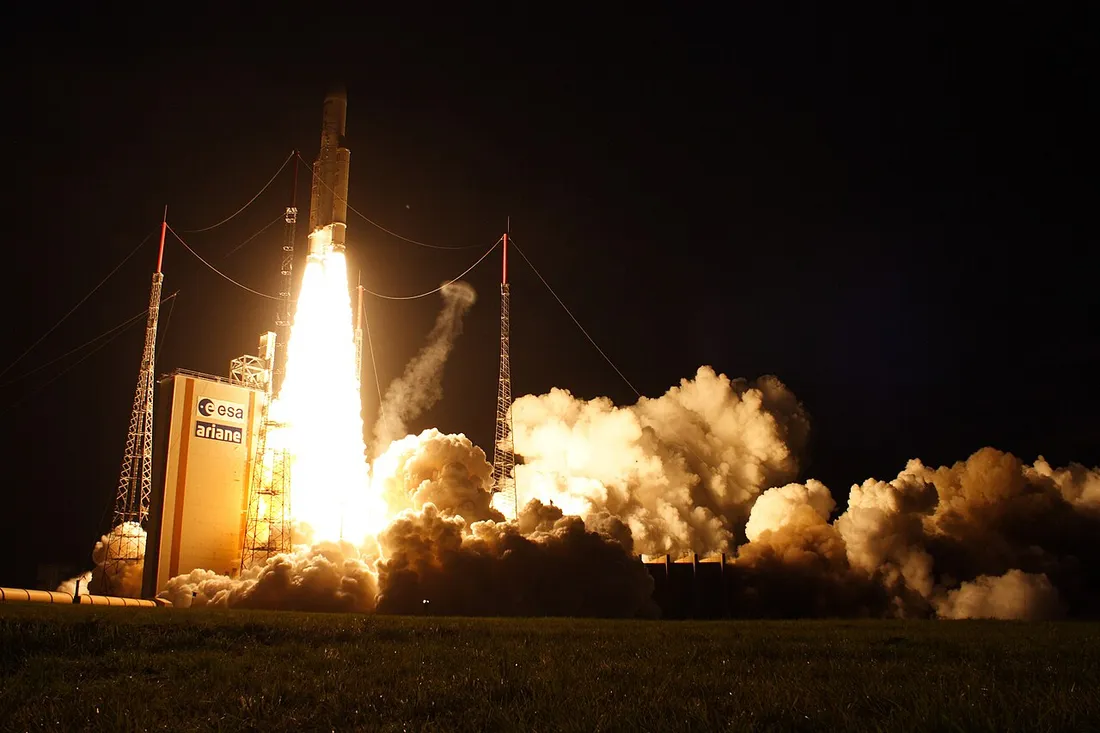
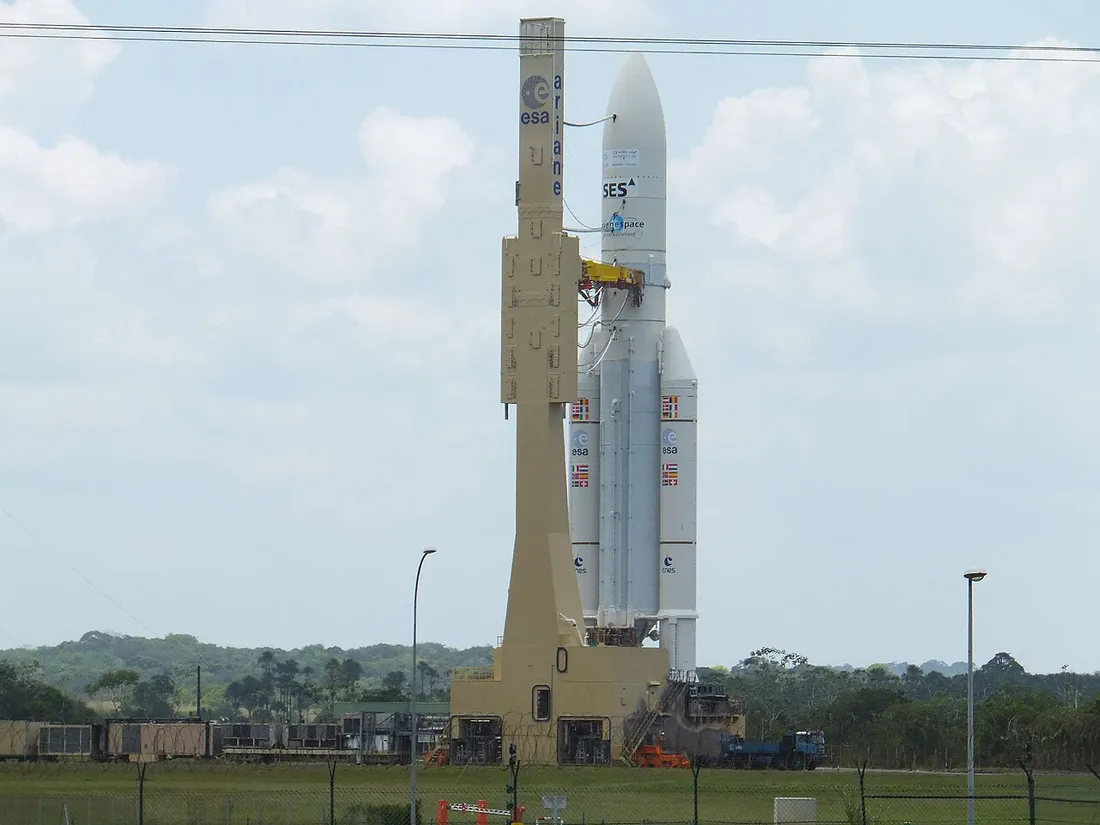
Ariane 6 lifts off in its two- or four-booster version (A62 and A64) from the ELA-4 launch complex. Its missions mainly target geostationary orbit (telecommunications satellites) and certain low orbits. It’s the most spectacular launch: the thrust from the strap-on boosters generates an impressive plume and roar, even several kilometres away.
Vega-C: the lightweight format
Vega-C, smaller in size, mainly serves low and sun-synchronous orbits. The liftoff is briefer and more vertical, but just as photogenic, especially during a night launch. Vega-C missions are often tied to environmental observation, a theme that resonates particularly well under the Amazonian sky.
How to read and anticipate the launch calendar
Kourou’s launch calendar is never 100% set in stone. That’s the most important point to understand before you lock in your dates.
- Windows are announced quarter by quarter, then refined month by month. A precise date is usually confirmed a few weeks before the launch.
- Postponements are common: weather, technical checks, customer satellite availability. A slip of a few days, or even a week, is the norm rather than the exception.
- The exact date often locks in at L-3 or L-2, with a liftoff time sometimes adjusted at the last minute (the famous “launch window” of a few minutes to a few hours).
Our field tip: never build an entire trip around a single launch date. Instead, aim for a period when one or two launches are scheduled, and keep some flexibility once you’re there.
Where to check reliable dates
To follow the calendar’s evolution in real time, cross-check several sources:
- The official Arianespace site and the CNES / Guiana Space Centre site, which publish the mission manifests.
- Operator statements (status updates like “GO,” postponements).
- The official social media accounts, often the most responsive in case of a last-minute postponement.
At Hostel Toucan, our travellers regularly ask us for a hand decoding these announcements. Our complete guide to French Guiana covers the right reflexes season by season.
Planning your stay around a launch: the step-by-step method
Here’s the approach we recommend to visitors who absolutely want to see a liftoff.
- Spot the active quarters. Identify two or three potential windows in the year and note the months involved.
- Favour the dry season. From mid-July to mid-November, the sky is clearer: less risk of weather postponement and better observation conditions. It’s also the best time to discover the rest of French Guiana.
- Book flexible accommodation. In case of a postponement, you need to be able to extend or shift your dates without penalty. That’s exactly why we offer free cancellation up to 7 days before arrival.
- Sign up early for the official observation sites. The CSG-supervised spots (the closest to the launch pad) fill up fast and require advance registration.
- Plan a 4-to-5-day margin around the announced date, to absorb any potential slip.
How long should you stay?
For a comfortable stay including a launch and the Guianese must-sees, count on 10 to 14 days. That gives you room in case of a postponement while covering the major sights: the Salvation Islands, the Kaw marshes, the Maroni River, Saint-Laurent-du-Maroni and its penal colony, or Cacao and its Hmong community.
Where to watch the rocket lift off
Several viewpoints exist around Kourou, about 60 km from Cayenne (an hour’s drive):
- Official CSG observation sites: the closest, reserved and supervised, 5 to 15 km from the launch pad. Registration is mandatory and free, but spots are limited.
- Roche Bleue beach in Kourou: a free-access classic, very popular with locals.
- Kourou’s seafront and the surrounding heights: comfortable, no reservation needed, with a clear view of the trajectory.
- From a boat or the Salvation Islands: for the lucky few whose stay coincides, an unforgettable angle.
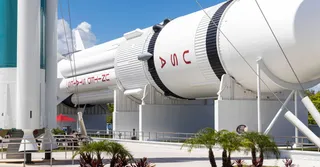
The visit to the Guiana Space Centre itself is free (by reservation and with photo ID), even outside a launch day. It lasts about half a day and offers insight into the behind-the-scenes of a launch.
Good to know before the big day
- The time difference: French Guiana is 5 hours behind Paris in winter and 6 hours in summer. A launch scheduled for late afternoon local time can fall in the middle of the night for your loved ones back in mainland France.
- A car is essential: there’s no practical public transport to reach the viewpoints. Budget around €40 to €60 per day for a rental.
- Arrive early: the best spots fill up one to two hours before the announced time.
- Health formalities: the yellow fever vaccine is mandatory to enter French Guiana.
A few practical pointers about French Guiana
French Guiana is a French overseas department and region (DROM): you pay in euros, French is the official language (alongside Creole, Bushinenge and Amerindian languages), and the phone code is +594. The capital, Cayenne, is home to a share of the territory’s roughly 290,000 inhabitants. You arrive via Félix-Éboué airport in Matoury, about twenty minutes from Cayenne.
For a “launch special” stay, we recommend basing your accommodation between Kourou (closest to the launch pad) and Cayenne / Rémire-Montjoly (to enjoy the restaurants, the market and the Place des Palmistes). Macouria and Matoury also offer good halfway compromises.
Booking smart with Hostel Toucan
Because a trip paced by a launch window demands flexibility, we’ve designed our accommodations for travellers who want to experience a launch stress-free:
- Direct booking with no platform fees: you pay the fair price.
- Free cancellation up to 7 days before arrival, ideal in case of a major postponement.
- WhatsApp assistance 7 days a week: we let you know if the launch date moves and point you to the best viewpoint.
Discover our accommodation in French Guiana and pick the town closest to your launch. Do you own a property here and want to host these passionate travellers? Our concierge service for owners handles everything for you.
One last word from a resident: even if the rocket is postponed, French Guiana will never disappoint you. Between the Amazon rainforest, the leatherback turtles of Awala-Yalimapo and the dugout canoes of the Maroni, the trip is more than worth it, launch or no launch.
FAQ
Is the Kourou 2026 launch calendar reliable far in advance?
Launch windows are announced quarter by quarter, then refined month by month. The precise date is often confirmed only a few weeks, or even a few days, before liftoff. Postponements due to weather or technical checks are common: always plan a 4-to-5-day margin around the announced date and flexible accommodation.
Can you watch an Ariane 6 or Vega-C liftoff for free?
Yes. Several viewpoints are free to access around Kourou, such as Roche Bleue beach or the seafront. The official CSG observation sites, closer to the launch pad, are free but require advance registration as spots are limited. The visit to the Guiana Space Centre is also free by reservation.
What’s the best time to combine a launch with discovering French Guiana?
The dry season, from mid-July to mid-November, offers a clearer sky: less risk of weather postponement and better observation conditions. It’s also the ideal period to visit the Salvation Islands, the Kaw marshes or the Maroni River. Count on 10 to 14 days of travel to absorb any potential postponement.
How can I make sure I don’t miss the launch if the date changes?
Never build your whole trip around a single date. Aim for a period with one or two scheduled launches, follow the official statuses from Arianespace and the CSG, and choose accommodation with flexible cancellation. At Hostel Toucan, our WhatsApp assistance 7 days a week alerts you to changes and points you to the best viewpoint.