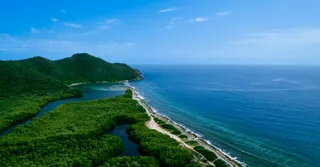
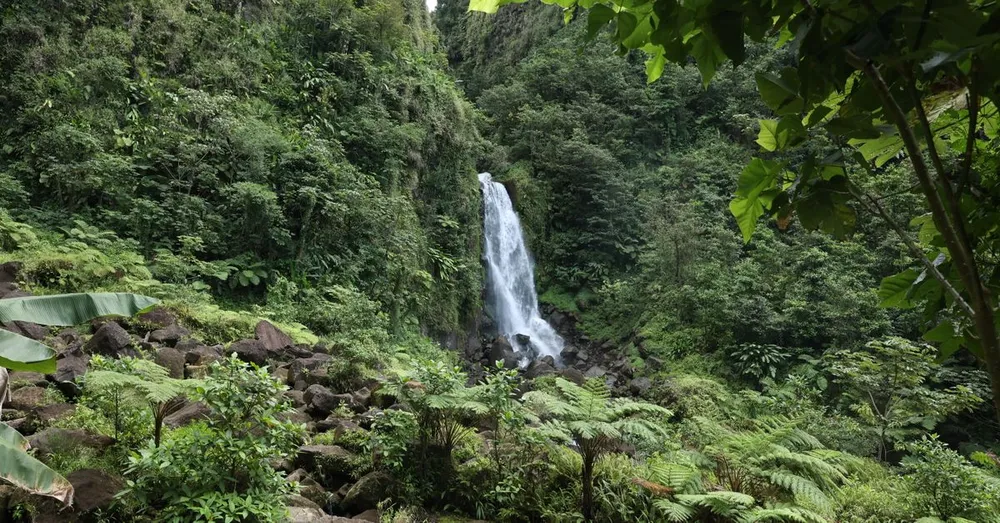
When you picture Martinique, you probably think first of the turquoise beaches of the South, Les Salines in Sainte-Anne or the black sand of Anse Noire. But if you’re staying more toward the North of the island, a whole different playground awaits: that of vertical adventures in the heart of the tropical rainforest. Canyoning in Martinique and via ferrata take place in the gorges of the Pitons du Carbet, where rivers tumble down volcanic rock between waterfalls, pools and vines. Here’s a hands-on, field-tested guide to choosing your route, your operator and, above all, your weather window.
Why the North is the spot for vertical activities
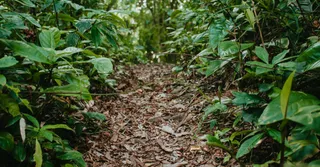
Martinique’s landscape changes dramatically the moment you leave the South. In the center-north, the Pitons du Carbet rise to more than 1,100 m and rainfall is far heavier. The result: rivers with a steady flow, deep, narrow canyons and lush rainforest vegetation. It’s here, just 20–30 minutes’ drive from Fort-de-France, that the guided offering is concentrated.
The Absalon River, reached from the Balata road (above the Jardin de Balata), is the island’s historic gateway to canyoning. You’ll find sections suited to beginners as well as the experienced, set among tree ferns and clear-water pools. The other sought-after areas cluster around Fonds-Saint-Denis, Morne Rouge and the foothills of Montagne Pelée.
Short distances but a demanding road
Martinique is only 80 km long, but the North is winding and slow. Allow:
- Fort-de-France → Absalon start point: 25 to 35 minutes
- Les Trois-Îlets → Pitons du Carbet: 45 minutes to 1 hour (via the bypass)
- Sainte-Anne (South) → northern canyons: 1 hr 15 to 1 hr 30
A car is strongly recommended: meeting points are often at the end of a forest track, with no public transport service. Plan for an approach walk of 15 to 40 minutes depending on the canyon.
Canyoning: levels, durations and realistic prices
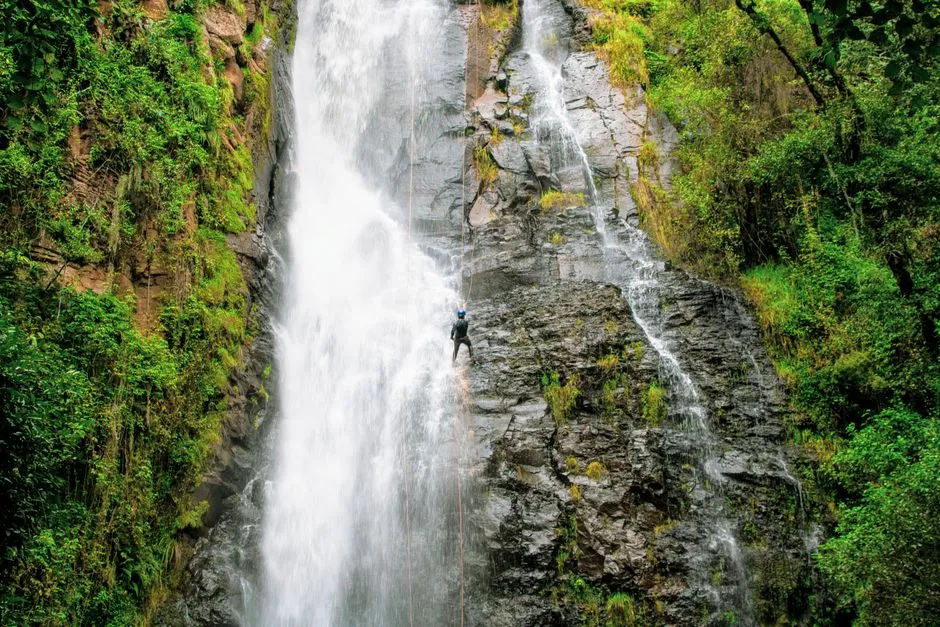
Canyoning combines abseiling, jumps (optional), natural water slides and swimming through pools. In Martinique the water stays mild (22–25 °C), which makes the activity enjoyable even over several hours.
Three levels to find your footing
- Discovery (family / beginner): short abseils of 5 to 10 m, optional jumps, little walking. Accessible from age 8–10 depending on the operator. Half a day. Ideal for a first time on the Absalon.
- Intermediate: abseils up to 15–20 m, more sustained sequences, a longer approach walk. Good physical fitness recommended.
- Sporty / committing: high waterfalls, narrow and technical sections in the gorges of the Pitons. Reserved for those comfortable in the water and at height, over a full day.
How much it costs and how long it takes
| Package | Duration | Indicative price/person |
|---|---|---|
| Discovery canyon (Absalon) | 3–4 hrs | €60–80 |
| Intermediate canyon | 4–5 hrs | €80–100 |
| Sporty full-day canyon | 6–7 hrs | €100–130 |
Technical gear (neoprene wetsuit, helmet, harness, descender) is always provided by the operator. On your side, bring: a swimsuit to wear under the wetsuit, closed sport shoes such as trainers that can get wet, a towel and a change of clothes.
Via ferrata: going vertical without rope technique
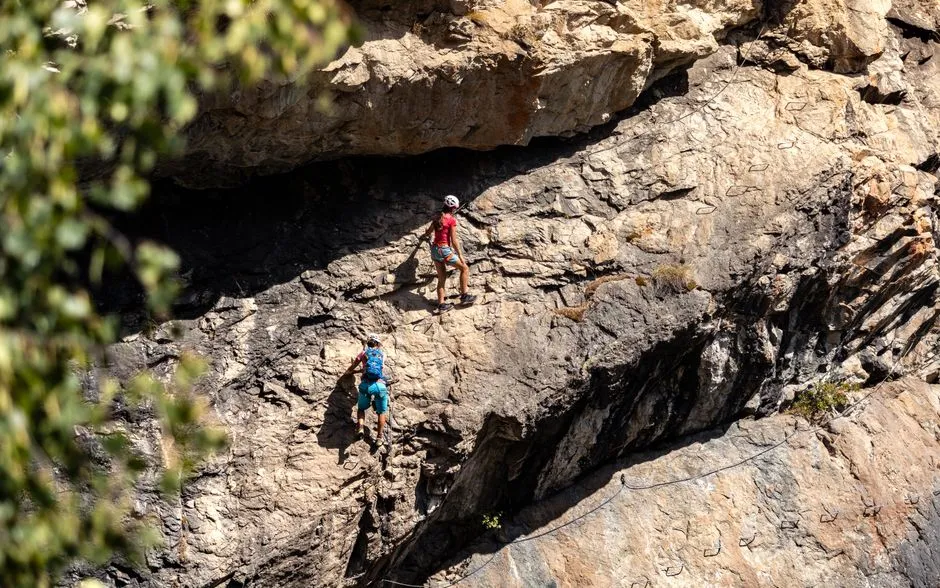
Less well known than canyoning, Martinique’s via ferrata lets you make your way along a cliff face fitted with cables, rungs and footbridges, while staying secured at all times by a double lanyard. No need to know how to climb: you simply clip and unclip your carabiners. Some northern routes mix monkey bridges, ziplines over the river and passages right up against the waterfalls — an excellent compromise for families who want a guided thrill without the technical commitment of abseiling.
Expect generally €45 to €75 per person for a half-day, gear included. It’s also a great way in before tackling a real canyon.
Choosing a state-certified operator (the non-negotiable point)
This is the single most important criterion in this article. In France — and therefore in this overseas department (DROM) that is Martinique — leading canyoning and climbing/via ferrata for payment is regulated. Your instructor must hold a state diploma (BPJEPS climbing in natural environments, DEJEPS canyoning, or high-mountain guide). Never hesitate to ask: a serious professional displays it.
My checklist before booking
- Verifiable state diploma and a valid professional card.
- Professional civil liability insurance clearly stated.
- Limited groups (ideally 6 to 8 participants per guide).
- Recent, certified equipment (ropes, harnesses, EN/CE helmets).
- Clear safety briefing at the start of the outing and adjustment of the route to the group’s actual level.
- Transparent weather policy: what happens if the trip is cancelled due to flooding?
Be wary of abnormally low offers or “guides” without a diploma you come across on social media: in a confined aquatic environment, improvising costs dearly.
Weather: the variable that decides everything
Here’s the classic traveler’s mistake: booking your canyoning at the last minute without checking the sky. In the gorges, the number-one risk isn’t falling — it’s a flash flood. A downpour upstream, invisible from the bottom of the canyon, can raise the water level within minutes.
The ideal calendar
- Dry season (Carême), December to April: the best period, controlled flows, less slippery trails. This is the window I recommend.
- May to November (wet season): possible but unpredictable, with frequent postponements. The cyclone season (August–October) calls for maximum caution.
Even during Carême, the North stays wetter than the South: a sunny morning in Sainte-Anne guarantees nothing on the Absalon. Trust the local operator who reads the weather of the heights and postpones an outing when needed. A guide who cancels because of flooding is a good guide.
My booking tips
- Book your canyoning early in your stay: that way you keep a margin to reschedule in case of rain.
- Aim for the morning, when the risk of a convective shower is lower than in the afternoon.
- Keep a fallback activity ready (a distillery on the Route des Rhums, the Jardin de Balata, the UNESCO-listed ruins of Saint-Pierre) in case the outing falls through.
Organizing your vertical day from your accommodation
A successful outing starts with good logistics. Early wake-up, coffee, mountain road and a return in late morning or early afternoon: ideally you’ll be staying a reasonable distance from the Pitons du Carbet, on the Fort-de-France, Schœlcher or Les Trois-Îlets side. That way you combine quick access to the North with the South’s beaches within driving range.
At Hostel Toucan, we look after active travelers exactly like this: our accommodations are chosen for their strategic location on the island, and our team points you toward the right time slots. Direct booking comes with no platform fees, plus free cancellation up to 7 days before arrival — handy when tropical weather means keeping things flexible. And our WhatsApp assistance 7 days a week helps you slot in your canyoning outing at the right moment, or find a plan B if the sky clouds over.
To plan your whole stay, check out our complete guide to Martinique, browse our rental accommodations, and if you own a property on the island, discover our concierge services for owners.
In summary
Canyoning and via ferrata turn a Martinique stay into a complete adventure: the South for the beaches, the North for going vertical. Keep the essentials in mind — a state-certified operator, a slot in the dry season, a booking early in your stay and an attentive ear for local weather advice. With these markers, the Absalon River and the gorges of the Pitons du Carbet will give you one of the island’s finest memories.
FAQ
Do you need to know how to swim to go canyoning in Martinique?
Yes, a minimum of comfort in the water is essential, because the routes include sections of swimming through pools. For non-swimmers or those who feel uneasy, via ferrata is an excellent alternative: you stay secured by a lanyard above the water without having to swim.
What’s the best time of year for canyoning in Martinique?
The dry season, known as the Carême, from December to April. Flows are controlled, trails less slippery and the risk of a flash flood lower. The wet season remains possible but leads to frequent postponements, especially during the cyclone season from August to October.
How can I check that an instructor is qualified?
Ask for their state diploma (BPJEPS, DEJEPS canyoning or high-mountain guide) and a valid professional card. As Martinique is a French department, leading these activities for payment is regulated. A serious professional shows their qualifications and insurance without any difficulty.
How much does a canyoning or via ferrata outing cost?
Expect around €60 to €80 per person for a half-day discovery canyon on the Absalon River, €100 to €130 for a sporty full day, and €45 to €75 for a via ferrata. Technical gear (wetsuit, helmet, harness) is always provided by the operator.