
When a friend asks me where to set down their bags to experience carnival differently from Pointe-a-Pitre or Basse-Terre, I tell them about Le Moule. This former capital of Guadeloupe, perched on the windward coast of Grande-Terre, keeps a carnival on a human scale, lively and deeply local, all just steps from the ocean. Choosing a well-placed Le Moule carnival rental means treating yourself to the best of both worlds: drums in the streets at night, and the beach of Autre Bord when you wake up. Here, as a Grande-Terre local, is what you need to know to book wisely, follow the Le Moule Grande-Terre parade and avoid ending up stuck behind closed streets on a carnival day.
Why choose Le Moule for carnival
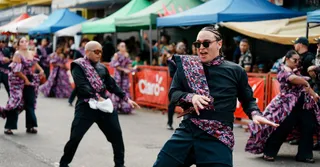
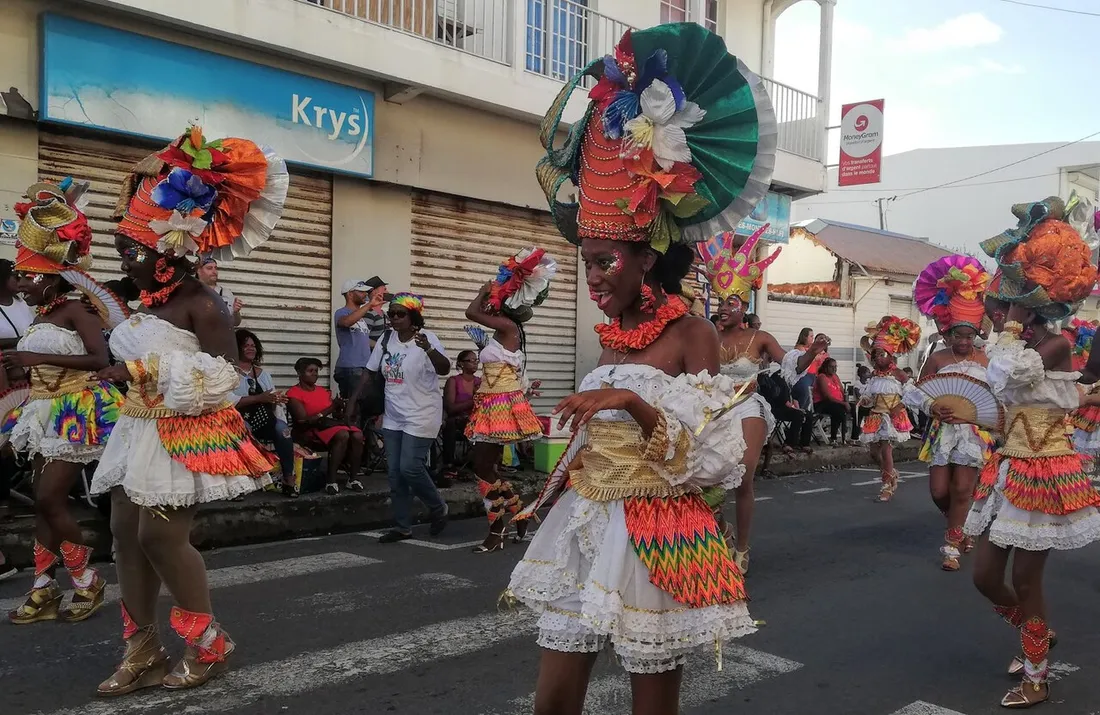
Le Moule is the flip side of the postcard carnival. No giant grandstands, no tourist crush: here you are in a town on the Atlantic side, facing the swell, where the celebration belongs first to the families of the village. The groups parade along the seafront and around the Place de la Victoire, carried by the percussion, in a neighbourhood atmosphere where everyone knows everyone.
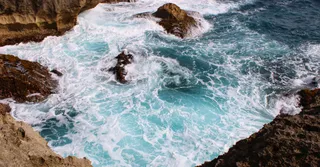
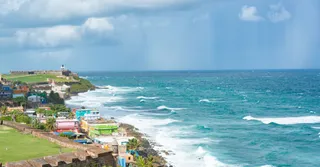
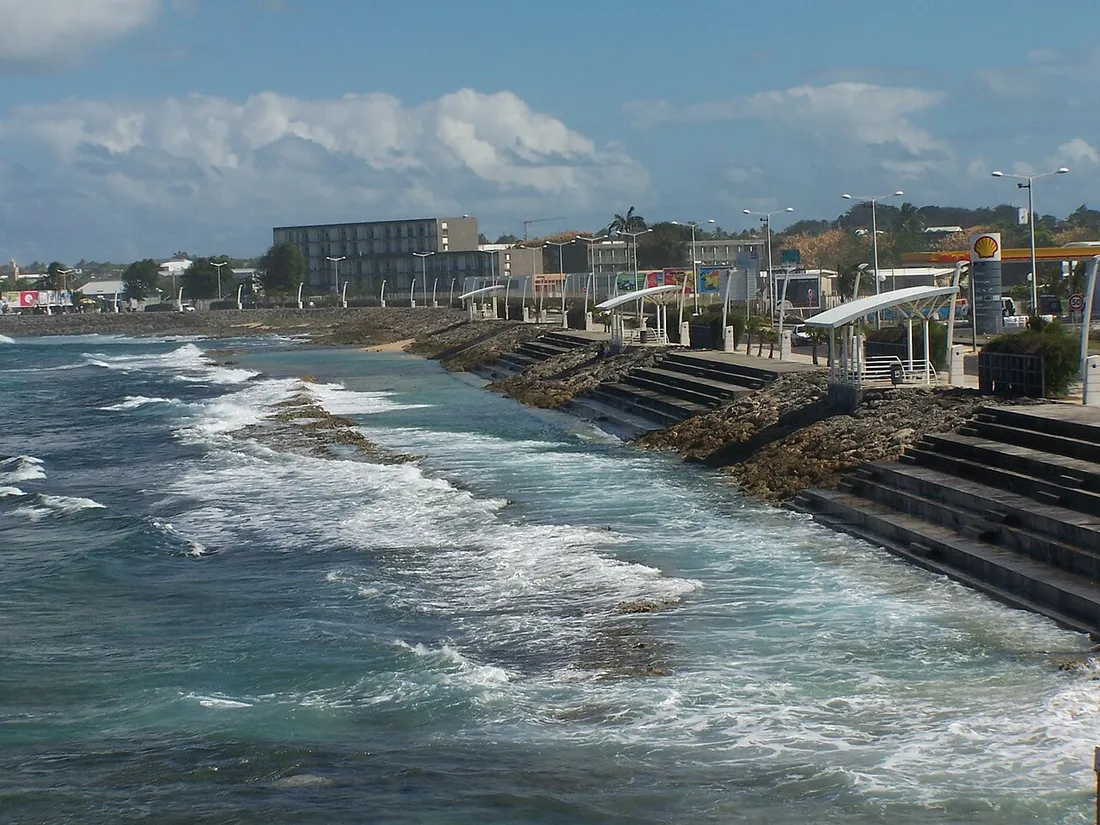
The decisive advantage of a Le Moule carnival rental is the sea. The beach of Autre Bord, sheltered by its coral reef right in the centre, awaits you a few minutes’ walk from the route. You can move straight from the night’s “deboule” parade to a morning swim without taking the car. On the windward coast the trade wind blows more freshly than in Sainte-Anne: the February evenings here are pleasant, never stifling.
Another geographical advantage: Le Moule is central for getting around. Count on 25 to 35 minutes to Saint-Francois and the Pointe des Chateaux, 20 minutes to the beaches of Sainte-Anne along the coast, and 40 to 50 minutes to Pointe-a-Pitre if you also want to sample the “mas a po” of the big city. You stay somewhere quiet, but nothing is far.
Where to aim for a rental in Le Moule
It all comes down to your distance from the route and from parking. Here is how I rank the areas, from the most immersive to the most restful:
- The town centre and the seafront: around the Place de la Victoire and the Saint-Jean-Baptiste church, in the heart of the parades. You experience carnival from your doorstep, but you put up with late noise and closed car access on carnival days.
- The Autre Bord neighbourhood: 5 to 10 minutes’ walk from the beach and the route, quieter at night. My favourite area for combining celebration and rest.
- The residential sections (Boisripeaux, Sergent, Damencourt): 5 to 10 minutes by car, perfect for families who want to sleep in peace with easy parking.
- Towards Gros Cap and the coast: a little out of the way, combining carnival with nature escapes, ideal for those renting a vehicle.
My local advice: don’t try to be right on the podium. A Le Moule February stay 10 minutes’ walk from the seafront, with private parking, beats a town-centre apartment where you can neither sleep nor get the car out on a carnival night. To place the town and plan your days between parades, our complete guide to Guadeloupe gives the overview of the butterfly-shaped archipelago.
Budget: what to expect in February
Carnival is a tight period locally, in the middle of the tourist careme (the dry season from December to April). Properties near the water go early. Realistic ranges observed in Le Moule and along the Atlantic coast:
- Studio or one-bedroom for 2 people: 65 to 100 euros a night during the carnival days.
- House or villa for 4 to 6 people: 140 to 260 euros a night, often with a minimum of 3 to 4 nights on the carnival days.
- Deposit: generally 300 to 600 euros depending on the property, returned after the check-out inspection.
- Tourist tax: from a few tens of cents to 2-3 euros per person per night depending on the tourism rating of the rental.
For the same budget, you stay larger and closer to the sea in Le Moule than in the Sainte-Anne / Saint-Francois seaside triangle the same week. Ideally book 2 to 3 months ahead for the February carnival days, more if your stay falls during school holidays.
The parade in Le Moule: route and closed streets
Guadeloupean carnival starts at Epiphany, the first Sunday after 6 January, and builds in intensity from one Fat Sunday to the next until the carnival days of February, just before Ash Wednesday. In Le Moule the calendar follows this national framework, but with the colour of the village: confirm the exact dates beforehand, as they shift each year with the liturgical calendar.
A few on-the-ground markers for the Le Moule Grande-Terre parade:
- The route runs along the seafront and loops around the Place de la Victoire and the streets of the centre, as close as possible to the beach of Autre Bord.
- Fat Sunday concentrates the big daytime parade, the densest and most family-friendly, perfect for discovering carnival with children.
- Ash Wednesday closes the festivities: Vaval, the king of carnival, is burned, and the crowd dresses in black and white to mourn his death by the water.
- The streets of the centre are closed several hours before and during the parades, and parking becomes impossible to find from late afternoon.
In practice, if your accommodation is within the centre perimeter, park the vehicle outside the zone from the morning, over by the residential sections, or choose a property with private parking. That is the golden rule of parking on a parade day: plan before noon, or risk driving around for an hour.
Experiencing the parades up close without a misstep
Carnival in Le Moule stays good-natured, but a few local codes are worth knowing to enjoy it fully:
- Step back with a smile when a group charges: pushing the crowd back is part of the game, especially with the “mas” smeared in cane syrup.
- Protect your light-coloured clothing: molasses, roucou and paint stain for good, and ask before photographing up close the groups with strong symbolic charge.
- Bring water, closed shoes and earplugs for the children: the sound of the goatskin drums is felt in the chest.
- Keep cash on you: the street stalls (bokit 4 to 6 euros, fresh cane juice, agoulou) rarely take cards.
The advantage of a rental with a kitchen: you make breakfast after a short night and save the budget for the evenings. To spot the right base near the seafront, browse our rentals in Guadeloupe.
Between two parades: the Atlantic coast within reach
The mistake would be to see only the parade evenings. Le Moule is also an ideal base for exploring the east side of Grande-Terre, the wildest. From your rental, you are within reach of:
- The beach of Autre Bord, right in the village, calm and protected by its coral reef: family swimming a stone’s throw from the route.
- The Damoiseau distillery, a Le Moule institution, for a visit and a tasting of agricultural rum without driving far.
- The Pointe des Chateaux and the wild coast towards Saint-Francois, less than 30 minutes away, for a coastal hike facing the Atlantic swell.
- Sainte-Anne and its turquoise beaches, about twenty minutes away, to alternate windward ocean and sheltered lagoon.
A swim in the morning, a nap in the shade of the sea grapes, then a parade in the cool of the evening: that is the ideal tempo of a carnival stay in Le Moule. One thing to know about the windward coast: sargassum can reach certain exposed beaches depending on the season; Autre Bord, sheltered, remains one of the most reliable in the area.
Why book with Hostel Toucan
We live in Guadeloupe and we know Grande-Terre street by street, from the parades of Le Moule to the “mas a po” of Pointe-a-Pitre. By booking directly with us, you benefit from:
- Direct booking with no platform fees: you pay the fair price, with no added commission.
- Free cancellation up to 7 days before arrival, even with carnival dates still to be confirmed.
- WhatsApp support 7 days a week: a parade time, a closed street, an address for bokit or for swimming? We answer fast, as locals.
Are you the owner of a property in Le Moule or on the Atlantic coast, and is carnival demand of interest to you? Discover our support on the owners page.
Staying in Le Moule for carnival means choosing authenticity on the ocean side: the popular celebration in the streets of the village, the coral reef that calms the swell, and the simple luxury of walking from the beach to the parade.
FAQ
Why stay in Le Moule rather than Pointe-a-Pitre for carnival?
Le Moule offers a more intimate, family carnival, in a town on the Atlantic coast where the celebration belongs to the village, with the beach of Autre Bord a few minutes’ walk away as a bonus. You avoid the crush of the big city while staying 40-50 minutes from Pointe-a-Pitre if you also want to see the “mas a po”. It is the ideal choice for combining parades, swimming and calm.
How much does a rental for carnival in Le Moule cost?
During the carnival days, count on around 65 to 100 euros a night for a studio or one-bedroom, and 140 to 260 euros for a house for 4 to 6 people, often with a minimum of 3 to 4 nights. Add a deposit of 300 to 600 euros and the tourist tax. Ideally book 2 to 3 months ahead, sooner if your stay falls during school holidays.
Where do you park on parade days in Le Moule?
The town centre and the seafront are closed to traffic several hours before and during the parades, and parking becomes impossible to find from late afternoon. Park from the morning over by the residential sections (Boisripeaux, Sergent), or choose accommodation with private parking to stay free all evening.
Is there sargassum in Le Moule during carnival?
Carnival falls in the dry season (December to April), generally more favourable. On the windward coast, certain exposed beaches can receive sargassum depending on the arrivals, but the beach of Autre Bord, sheltered by its coral reef right in the village, remains one of the most reliable in the area for swimming between two parades.