At the market, in front of a beautiful display of local vegetables, one of my guests slipped me this question the other day: “Can we really buy that, with the chlordecone?” The question is legitimate, and it comes up on nearly every stay. After several years living on the island and welcoming travelers, I’ve learned it’s better discussed with facts than with fears. So here, without beating around the bush or scaremongering, is what you need to understand about chlordecone in Martinique when you come on vacation: what this pesticide really is, which products and fishing zones deserve caution, and above all how to keep savoring Creole cuisine with complete peace of mind.
What is chlordecone in Martinique?
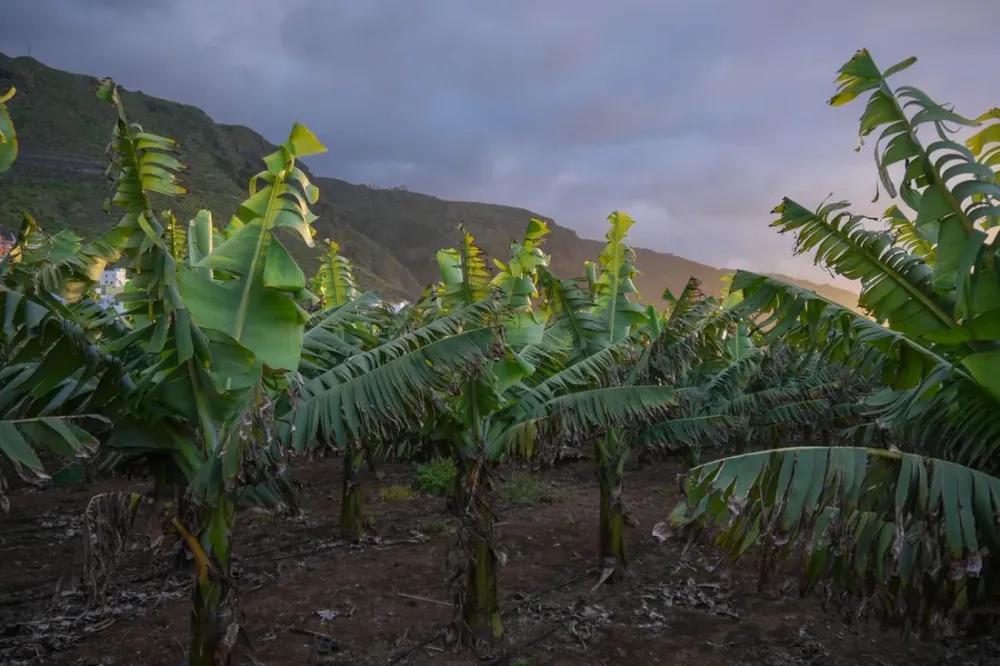
Chlordecone is an organochlorine pesticide used in the banana plantations of the French West Indies between 1972 and 1993 to fight the weevil. Banned for more than thirty years, it still poses a problem: it is an extremely stable molecule that barely degrades. Scientists estimate it will remain present in certain soils for several decades, even several centuries. It is a serious public health issue, recognized by the State, which has launched several action plans.
For a traveler, the essential point comes down to one sentence: chlordecone is a pollutant of the land, not of the sea or the air. You don’t breathe it in, you don’t catch it while swimming. The only exposure route identified by health authorities is food — and even then, only for certain products from specific areas. So everything that matters for you plays out on your plate, and it’s very simply managed.
How contamination reaches (or doesn’t reach) your plate
The molecule clings to soils and sediments, especially where the banana plantations were located (the center and northeast of the island, on the volcanic lands). It migrates slowly toward the rivers and then toward certain coastal river mouths. The products potentially affected are therefore:
- root vegetables grown in contaminated soil: yam, dachine (taro), sweet potato, malanga, cassava;
- certain bottom-dwelling fish and crustaceans living in polluted coastal areas or rivers, which accumulate the molecule in their flesh;
- the water of certain rivers located downstream of the former plantations (never tap water, which is treated and monitored).
Conversely, the vast majority of what you’ll eat during your stay — offshore fish, tropical fruits, imported products, restaurant dishes — is not affected. The question is not “should I be afraid of everything,” but “which two or three habits are enough.”
Can you eat fish in Martinique?
This is the number-one question, and the answer is reassuring: yes, fish sold through official channels is safe. Professional fishermen work in authorized zones and their catches are monitored. At a restaurant, the covered market, or a registered fishmonger, you can eat without worry.
The key to answering “can you eat fish in Martinique” comes down to one word: pelagic. Offshore fish don’t frequent the sediments where the pesticide in Martinique lodges, so they pose no chlordecone problem whatsoever. Favor them — they are in fact the heart of local gastronomy:
- tuna and mahi-mahi (the “dorade” on menus, or dolphinfish);
- wahoo (the king of Creole court-bouillon);
- marlin (often smoked), bonito, and snapper bought through official channels.
Expect to pay roughly 15 to 25 € per kilo of tuna or mahi-mahi depending on the season and the catch, a bit less in the early morning straight from the fishermen on the docks of Le Robert, Le François, or Sainte-Luce. A wahoo court-bouillon, cod fritters, a fish colombo: these everyday dishes pose absolutely no concern.
The fish and products to stay vigilant about
The real vigilance concerns bottom and river fishing in the zones polluted by chlordecone. Prefectural orders there prohibit or regulate the catch, mainly along the Atlantic coast (from Le Robert to Galion bay) and in the rivers of the north. The species that accumulate the most of the molecule are those that root through the sediments:
- the bottom-dwelling fish of certain eastern bays;
- the spiny lobsters and crustaceans of regulated zones;
- above all the ouassous (large freshwater shrimp) caught in contaminated rivers.
The rule is simple: don’t buy fish or crustaceans on the roadside from an amateur fisherman, and if you fish on vacation, find out about the authorized zones before casting your line in a river or river mouth. By going through the markets, fishmongers, and registered lolos, you’re safe. As for the neighboring question of swimming — which presents no chemical risk at all — I covered the topic in detail in our article dedicated to chlordecone and swimming in Martinique.
Local vegetables and markets: the right habits
On the land side, root vegetables are the most closely monitored products, because they are the ones that grow in direct contact with the soil. But here too, no need to panic: the agricultural sector is monitored, and producers in at-risk areas have their land analyzed. My on-the-ground advice for shopping the market with a light heart:
- Buy at the covered market or from an identified market gardener rather than at random. The Fort-de-France market, and those of Le Marin, Sainte-Anne, or La Trinité, bring together registered producers. To prepare your visit well, see our guide to the Fort-de-France market.
- Vary your sources and the types of produce. Tomatoes, salads, chayote, fruits (mango, pineapple, breadfruit) grow outside contaminated soil or don’t store the molecule: no concern at all.
- Tropical fruits are not affected. Mango, banana, guava, passion fruit, soursop: enjoy them with no second thoughts.
- If you rent accommodation with a kitchen and like to cook your purchases, peel generously the root vegetables — a common-sense gesture that costs nothing.
Be aware too that support programs exist locally to help residents with a garden have their soil analyzed and adapt their crops. It’s a sign that the issue is taken seriously on the ground, well beyond the length of a stay — and that the channels you use as a visitor are, for their part, safe.