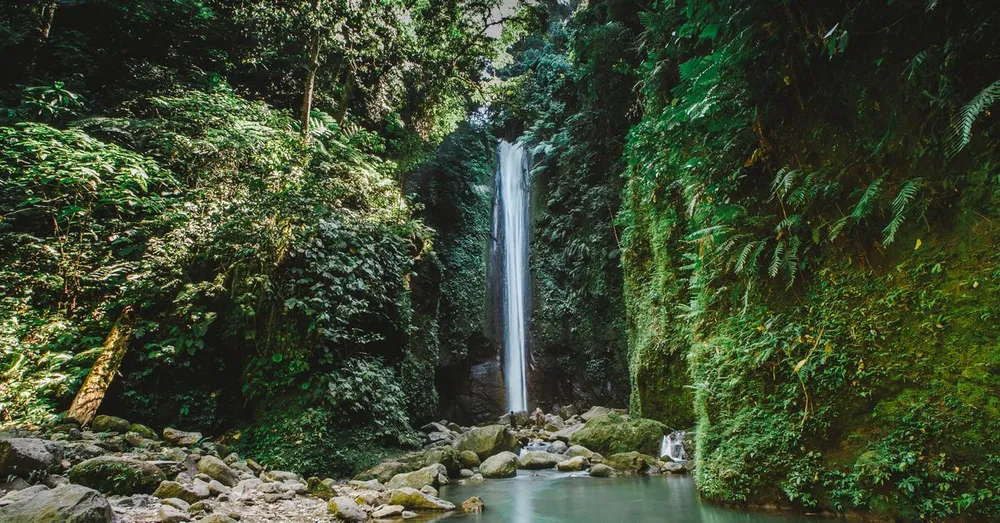
Deep in the Amazon rainforest, a few dozen kilometres from Mana, Voltaire Falls is one of those places that leave a lasting mark on a trip to French Guiana. Far from the bustle of Cayenne, this waterfall in western French Guiana rewards travellers willing to take a forest track, scramble along a shaded trail, then cool off in a brown-water pool ringed by rocks. After several visits in different seasons, here is our complete guide to planning this excursion without any unpleasant surprises.
Why Voltaire Falls is worth the detour
French Guiana is full of spectacular natural sites, but Voltaire Falls holds a special place in the local imagination. Located in the municipality of Mana, it is one of the few truly developed and accessible waterfalls in the west, an area often overshadowed by the must-sees of the coastal strip such as the Guiana Space Centre in Kourou or the Îles du Salut.
What makes the spot unique is the way it combines several atmospheres in a single outing:
- a forest track that plunges into the Amazonian scenery from the very first kilometres;
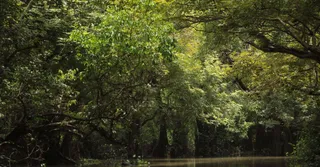
- a woodland trail where light filters through the canopy;
- a natural pool at the foot of the waterfall, perfect for a swim;
- rich flora and fauna, often with electric-blue morpho butterflies crossing your path.
It is an ideal excursion for discovering “green” French Guiana without a heavy expedition, perfect as a complement to a visit to Saint-Laurent-du-Maroni and its Transportation Camp.
Where Voltaire Falls is located
Voltaire Falls lies in the hinterland of Mana, at the far west of the department, not far from the border with Suriname marked by the Maroni River. As French Guiana is a French overseas department, you remain on European soil: the euro currency, the +594 dialling code, and a time difference of -5h in winter (-6h in summer) compared with Paris.
A few distance markers from the main arrival points:
- From Saint-Laurent-du-Maroni: allow about 1 hour of road and then track to reach the start of the trail.
- From Cayenne: plan a good half-day of travel (more than 250 km via the RN1), which makes the excursion more sensible if you spend a night nearby.
- From Kourou: about 2h30 to 3h of road to Saint-Laurent, before the final stretch.
In French Guiana, a car is essential: no regular line serves this kind of site. Be sure to rent a vehicle as soon as you arrive at Félix-Éboué airport (Matoury).
4x4 access: what you need to know
The final stretch of access is on a laterite track (that red earth so characteristic of French Guiana). This is the step that requires the most attention.
Which vehicle to bring
In the dry season (mid-July to mid-November, the best time to visit French Guiana), the track is generally passable with a sturdy regular vehicle if you drive carefully. However, as soon as the first rains arrive, the ruts fill up and the muddy stretches can become treacherous: a 4x4 or a raised vehicle then becomes strongly recommended, even necessary.
Our practical tips for the track:
- drive slowly and anticipate the water-filled potholes, whose depth is deceptive;
- avoid setting off alone just after heavy rain;
- leave with a full tank: petrol stations become scarce as you approach Mana;
- check that you have a spare tyre in good condition.
Parking and the trailhead
At the end of the track, a basic parking area lets you leave your vehicle. From there the trail to the waterfall begins. As a simple precaution, leave no valuables visible in the car.
The woodland trail to the waterfall
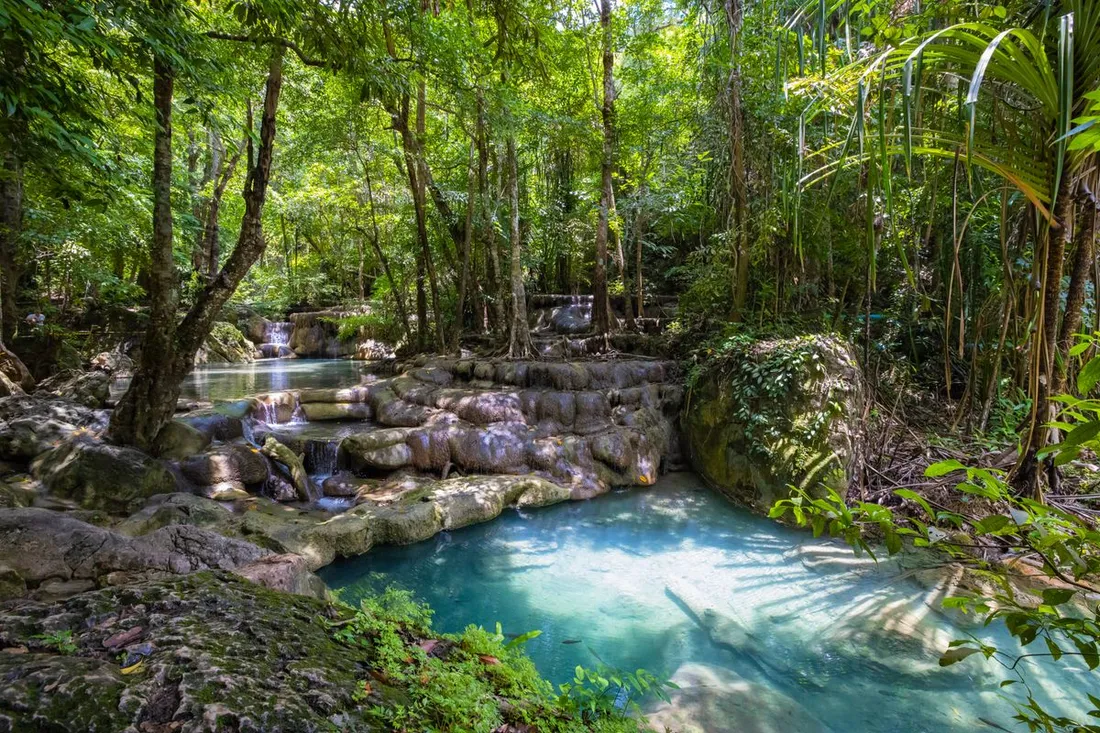
From the car park, the trail winds beneath a dense forest canopy over a short distance: allow about 15 to 25 minutes of walking depending on your pace, on a moderate gradient. Nothing strenuous, but the terrain can be slippery, especially on the root-covered sections and the damp stretches.
To pack in your bag:
- closed shoes with good grip (flip-flops are out of the question on this terrain);
- plenty of water: the air is hot and very humid;
- an effective insect repellent, essential in the undergrowth;
- a swimsuit and a quick-dry towel;
- something to protect your phone (a waterproof pouch).
All along the way, keep your eyes open: you regularly come across signs of Amazonian wildlife, columns of leafcutter ants carrying their leaves, and the ever-present song of birds. It is also a chance to take in the incredible density of the Guianese forest.
Swimming in the pool
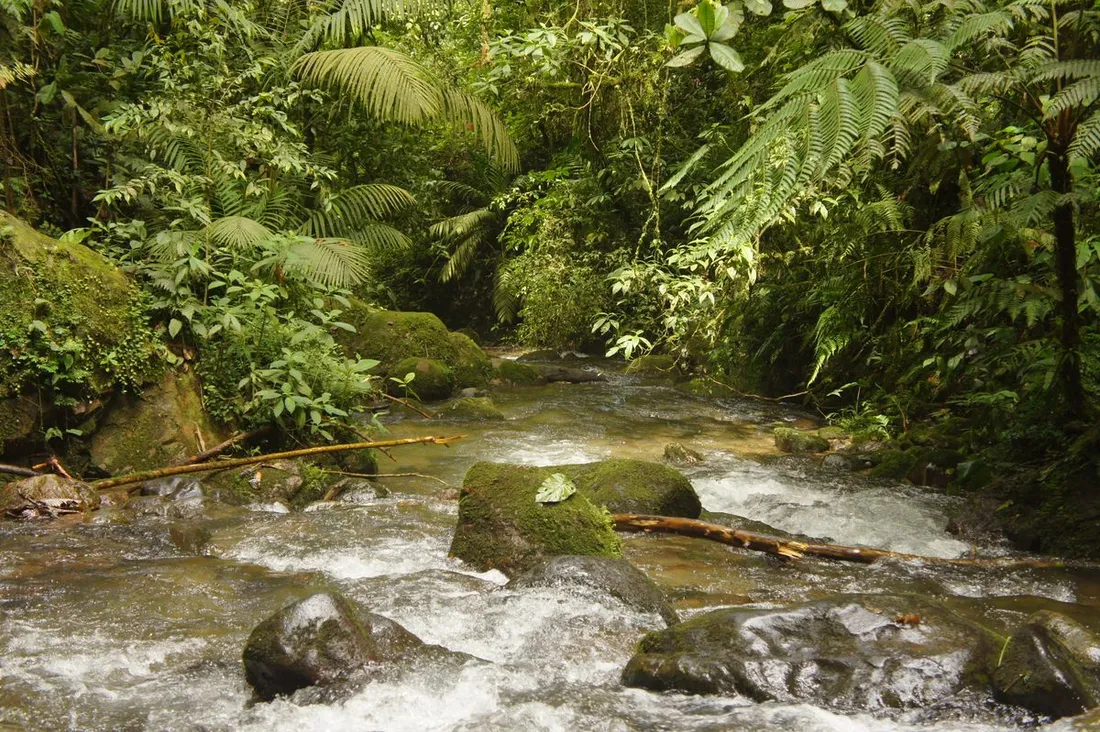
At the end of the trail, the reward: the waterfall tumbles over the rock and feeds a natural pool with brown waters, tinted by the tannins of the vegetation. This tea colour is nothing to worry about; it is a feature of forest rivers.
Swimming here is one of the great pleasures of the excursion. The water, cool and invigorating after the walk in the humidity, invites you to settle in beneath the curtain of water. A few common-sense recommendations:
- adapt to the flow: in the rainy season, the current at the foot of the falls can be powerful; stay clear of the direct fall zone;
- watch children at all times, as the bottom is uneven and slippery;
- never dive without first checking the depth;
- take all your rubbish with you: the site has no organised waste collection, so let’s protect it.
The best time to enjoy the pool is the morning, when the light pierces the canopy and visitor numbers remain low.
When to go and how to organise your visit
The dry season (mid-July to mid-November) is by far the most comfortable period: a passable track, a less muddy trail, safer swimming. In the rainy season, the sight of the waterfall in spate is impressive, but access becomes harder and swimming calls for greater caution.
An idea for organising 1 to 2 days in the west:
- Day 1: drive to Saint-Laurent-du-Maroni, visit the penal colony and the Transportation Camp, stroll along the Maroni waterfront.
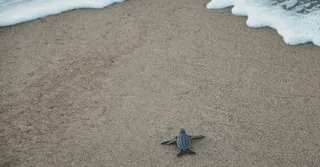
- Day 2: excursion to Voltaire Falls in the morning, a swim, then return or continue on to Awala-Yalimapo (leatherback turtle nesting in season).
Also think about the formalities: the yellow fever vaccine is mandatory to stay in French Guiana, and a good insect repellent remains your best ally on the ground.
To deepen your preparation, see our complete guide to French Guiana, which details the territory’s must-sees, from the Kaw marshes to the Hmong village of Cacao.
Where to stay as a base for Voltaire Falls
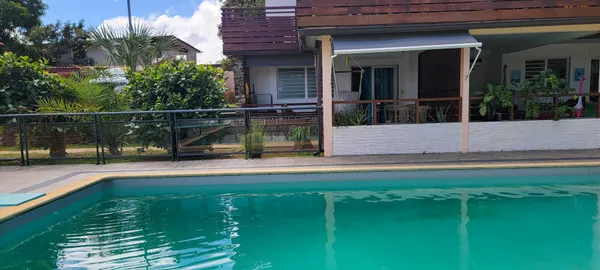
To explore the west with peace of mind, it is better to settle nearby than to keep making round trips from Cayenne. A well-located holiday rental saves you precious time and gives you the comfort of a real base after a day in the forest.
At Hostel Toucan, we offer accommodation in French Guiana selected for its location and comfort, with a simple promise:
- direct booking with no platform fees: you pay the fair price;
- free cancellation up to 7 days before arrival, so you can book with peace of mind;
- WhatsApp support 7 days a week for your logistical questions, including itinerary advice for sites such as Voltaire Falls.
Do you own a property in French Guiana and want to make the most of it with travellers seeking authenticity? Discover our concierge service for owners.
Voltaire Falls captures, on its own, all the magic of a journey through French Guiana: a touch of adventure on the track, immersion in a living forest, and the pure sensation of a swim at the foot of a waterfall in the middle of nowhere. Enough to leave you with a head full of memories and the urge to discover all the rest of western French Guiana.
FAQ
Do you absolutely need a 4x4 to reach Voltaire Falls?
Not always. In the dry season (mid-July to mid-November), the laterite track is generally passable with a sturdy regular vehicle driven carefully. After heavy rain, however, the muddy stretches and ruts make a 4x4 or a raised vehicle strongly recommended.
Can you swim in the Voltaire Falls pool?
Yes, swimming in the natural pool at the foot of the waterfall is one of the site’s great attractions. The brown water, tinted by forest tannins, is harmless. Still, stay clear of the direct fall zone when the flow is strong, and watch the children, as the bottom is uneven and slippery.
How long is the walk from the car park to the waterfall?
Allow about 15 to 25 minutes of walking on a woodland trail with a moderate gradient. Nothing strenuous, but the terrain can be slippery on the root-covered and damp sections: bring closed shoes with good grip.
When is the best time to visit Voltaire Falls?
The dry season, from mid-July to mid-November, offers the best conditions: a passable track, a less muddy trail and safer swimming. In the rainy season, the waterfall in spate is spectacular but access becomes considerably harder.