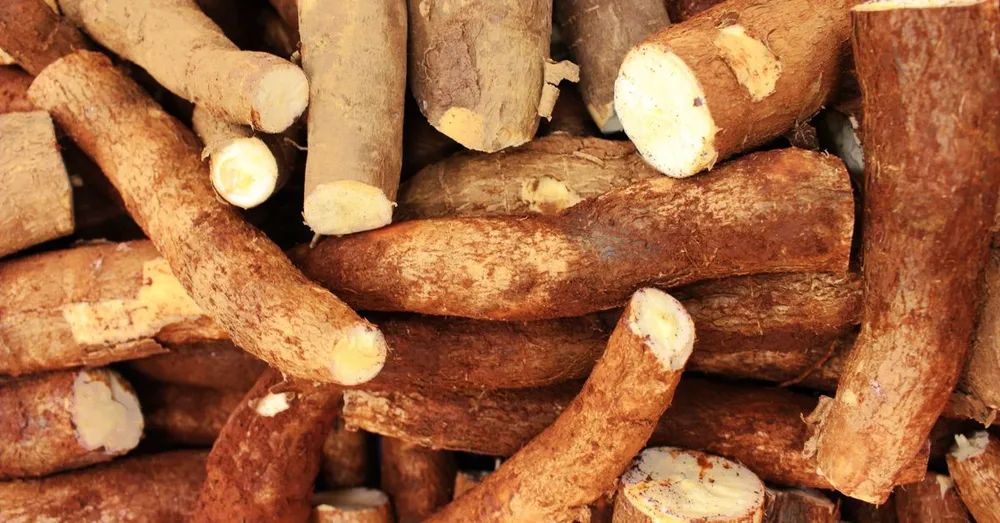
If you had to remember a single ingredient to understand French Guianese cooking, it would be cassava. Not yam, not plantain: cassava. This unassuming root, transformed into couac and cassava bread, has fed French Guiana for thousands of years and remains, to this day, the heart of the Amerindian and Bushinenge table. When you live here, you end up measuring every meal against this golden grain that crunches between your teeth. Here is everything you need to know before you taste it, and above all before you understand it.
Cassava, French Guiana’s founding root
Cassava is no ordinary plant. Cultivated in Amazonia for more than 7,000 years, it is one of the continent’s earliest agricultural domestications. In French Guiana, a French overseas region of roughly 290,000 inhabitants where you pay in euros and where French, Creole, Bushinenge and Amerindian languages coexist, cassava remains a powerful marker of identity.
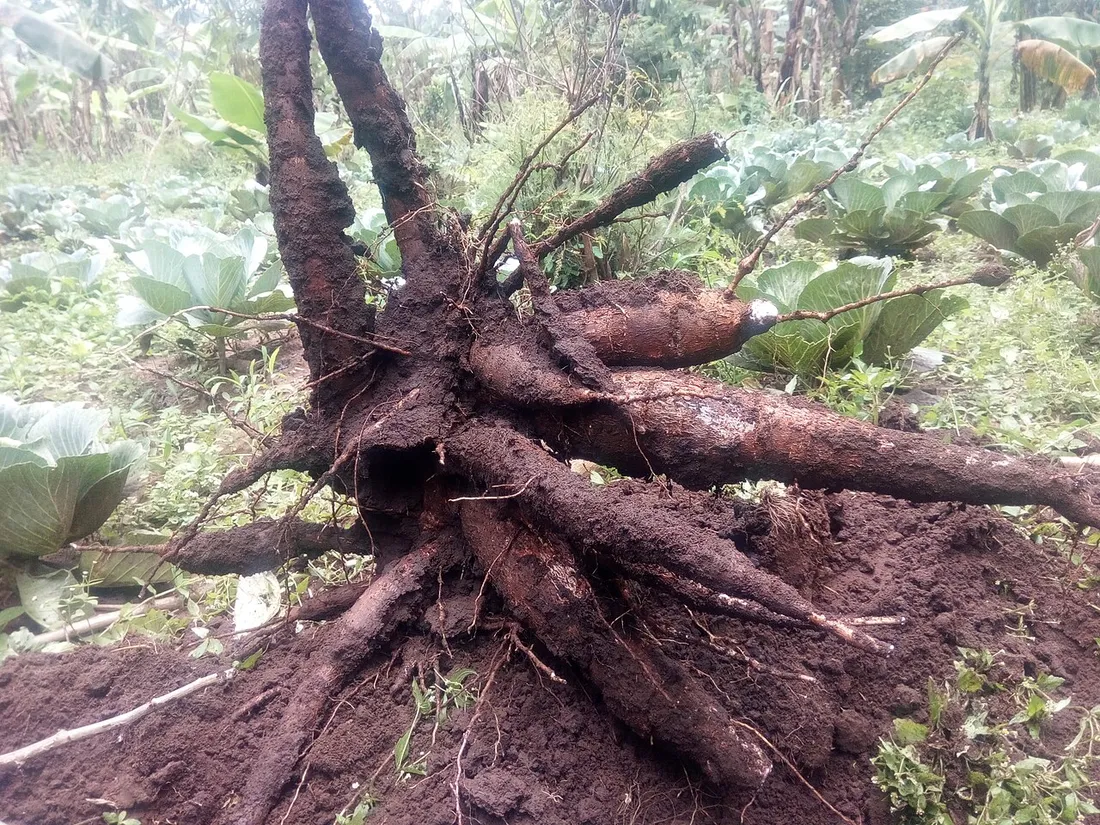
There are two main families: sweet cassava, which is simply cooked like a potato, and bitter cassava, far more widely used for processing. And this is where things get fascinating: bitter cassava contains naturally toxic cyanide compounds. Eating it raw or poorly prepared is dangerous. The whole genius of the Amazonian peoples lies in the know-how that makes this root not only edible, but delicious and able to keep for months.
The abattis, the starting point of everything
It is impossible to talk about cassava without mentioning the abattis. This is the traditional farming system: a plot of forest cleared, burned, then cultivated for a few years before being left to rest. Cassava is planted there, but also yams, bananas, taro and chilies. The abattis is not just a field: it is a way of life, a family transmission, often handed down by women, that structures the communities of the Maroni River and the interior.
When you travel up the Maroni River by pirogue from Saint-Laurent-du-Maroni, you catch sight of these abattis along the banks. It is there, far from any road, that the artisanal making of couac lives on.
From bitter cassava to couac: the transformation
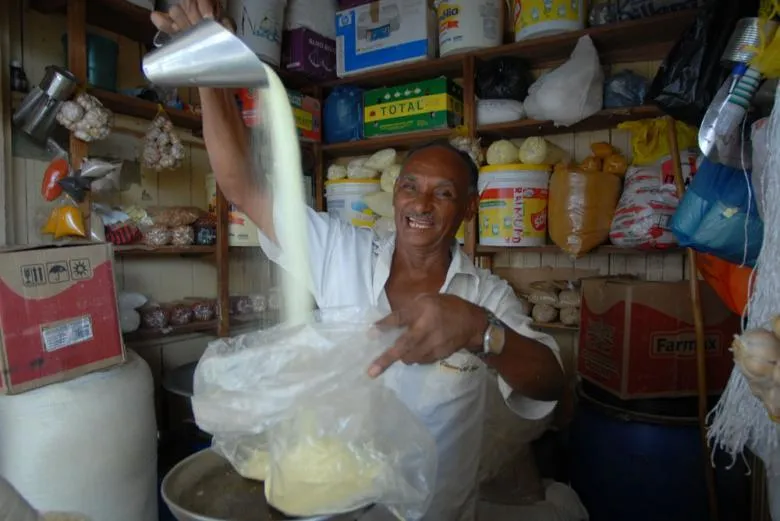
French Guianese couac (also spelled couaque or kwak) is a grilled cassava semolina, crunchy, with a slightly smoky and tangy flavor. Making it is a long process that detoxifies the root.
Here are the main traditional steps:
- Harvesting and peeling the bitter cassava tubers.
- Grating the flesh into a moist pulp.
- Pressing in a couleuvre (a long tube woven from plant fibers, the matapi) that squeezes out the toxic, cyanide-laden juice.
- Sifting the dried pulp to obtain a coarse flour.
- Roasting on a large metal griddle, where the semolina is stirred constantly until the grains turn golden and dry.
The result keeps for a very long time, which made couac a precious reserve for long journeys upriver. It is eaten sprinkled over a broth, mixed into juice, or simply with smoked fish and chili sauce.
Cassava bread, the flatbread that goes with everything
Cassava bread is the other great cassava product: a flat, dry flatbread, cooked on the same griddle as couac. Crisp and neutral, it replaces bread. You dip it in awara broth, top it, or nibble it on its own. In Bushinenge communities, cassava bread remains an everyday food, and some thicker versions come close to a true meal-sized flatbread.
Couac and cassava bread thus come from the same root, transformed in two ways: one into grains, the other into a flatbread. To understand this duo is to understand the logic of an entire cuisine.
Where to taste and buy couac in French Guiana
Good news: there is no need to travel up the Maroni to discover these products. The markets do the job perfectly.
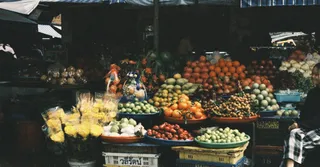
- Cayenne market: the unmissable spot, especially on Wednesday, Friday and Saturday mornings. You will find bagged couac (count on roughly 4 to 7 euros a kilo depending on quality and the fineness of the grain), cassava bread, chilies and prepared broths.
- Saint-Laurent-du-Maroni market: closer to Bushinenge and Amerindian production, often the most authentic for artisanal couac.
- The Hmong community of Cacao (in the commune of Roura), famous for its Sunday morning market: here you encounter another agricultural side of French Guiana, complementary to the traditional abattis.
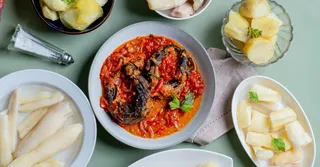
For restaurants, look for Creole and Bushinenge tables around Cayenne, Remire-Montjoly, Matoury and Kourou. Ask for an awara broth (the emblematic Easter dish that simmers for 24 to 48 hours) served with couac, or smoked fish with cassava bread. Locals say that whoever eats awara always returns to French Guiana.
A few pairings to try without fail
- Couac + fish broth + vegetarian chili
- Cassava bread + local fruit jam at breakfast
- Savory couac with Sinnamary prawns
- Cassava flatbread topped river-style as a meal
Cassava and discovering the territory: planning your stay
Discovering couac is also a gateway to an entire territory. French Guiana is experienced by car (essential), starting from Félix-Éboué airport in Matoury. Remember the mandatory yellow fever vaccine, and ideally plan your visit during the dry season, from mid-July to mid-November.
Between two tastings, the country offers more than enough to fill an entire stay:
- The Guiana Space Centre in Kourou (free visit, with the chance to watch Ariane 6 and Vega launches).
- The Salvation Islands and the Saint-Laurent penal colony (Camp de la Transportation).
- The Kaw marshes, the Nouragues reserve, the Maroni River by pirogue.
- Awala-Yalimapo and its leatherback turtles, the Place des Palmistes in Cayenne.
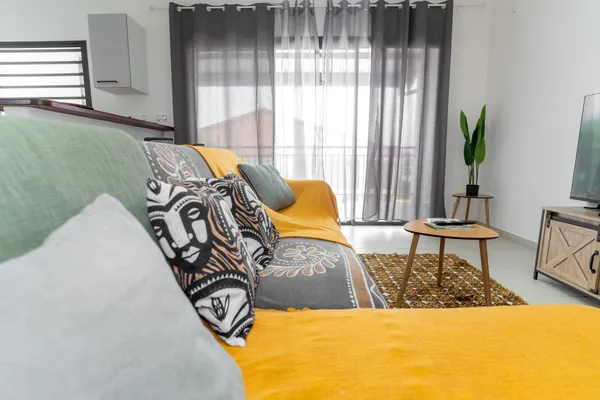
For these excursions, it is best to have a comfortable, well-located base. At Hostel Toucan, a local concierge and seasonal rental service, we offer accommodation in Cayenne, Remire-Montjoly, Matoury, Kourou or Macouria, with direct booking and no platform fees, free cancellation up to 7 days before arrival and WhatsApp assistance 7 days a week for your practical questions (time difference of -5h in winter and -6h in summer compared to Paris, dialing code +594, good market addresses, and more).
Discover our accommodation on our French Guiana rental page, plan your itinerary with our complete guide to French Guiana, and if you own a property here, see how we make the most of it on our owners page.
Why couac deserves your attention
Beyond gastronomy, tasting couac and cassava bread means getting a feel for Amazonian history: the mastery of a dangerous root turned staple food, the work of the women of the abattis, the movement along the rivers, the meeting of Amerindian, Bushinenge, Creole and Hmong cultures. Few dishes tell the story of a territory so well. In French Guiana, cassava is not a detail: it is the common thread. Pull on it, and an entire culture unfolds on your plate.
FAQ
What is the difference between couac and cassava bread?
Both come from transformed bitter cassava. Couac is a grilled semolina of golden grains, crunchy and slightly tangy, sprinkled over dishes or broths. Cassava bread is a flat, dry flatbread, cooked on the same griddle, that replaces bread. Same root, two complementary preparations.
Is bitter cassava dangerous to eat?
Raw or poorly prepared, yes: bitter cassava contains toxic cyanide compounds. That is the whole point of the traditional transformation. Grating, pressing in the couleuvre that drains the juice, then roasting all eliminate the toxicity. The couac and cassava bread sold at markets are perfectly safe to eat.
Where to buy couac in French Guiana?
The Cayenne market (Wednesday, Friday and Saturday mornings) and the one in Saint-Laurent-du-Maroni are the best addresses. Count on roughly 4 to 7 euros a kilo depending on the fineness of the grain. Couac keeps for a very long time, making it an excellent gourmet souvenir to bring home.
When to come to French Guiana to discover its cuisine?
The dry season, from mid-July to mid-November, is the most comfortable time to travel and get around by car. To taste awara broth served with couac, aim instead for the Easter period, the high point for this emblematic dish that simmers for one to two days.