Wassaï, Comou and Amazonian Fruits: French Guiana's Superfruits to Taste
Published on June 3, 2026 · by Ismael Samuel
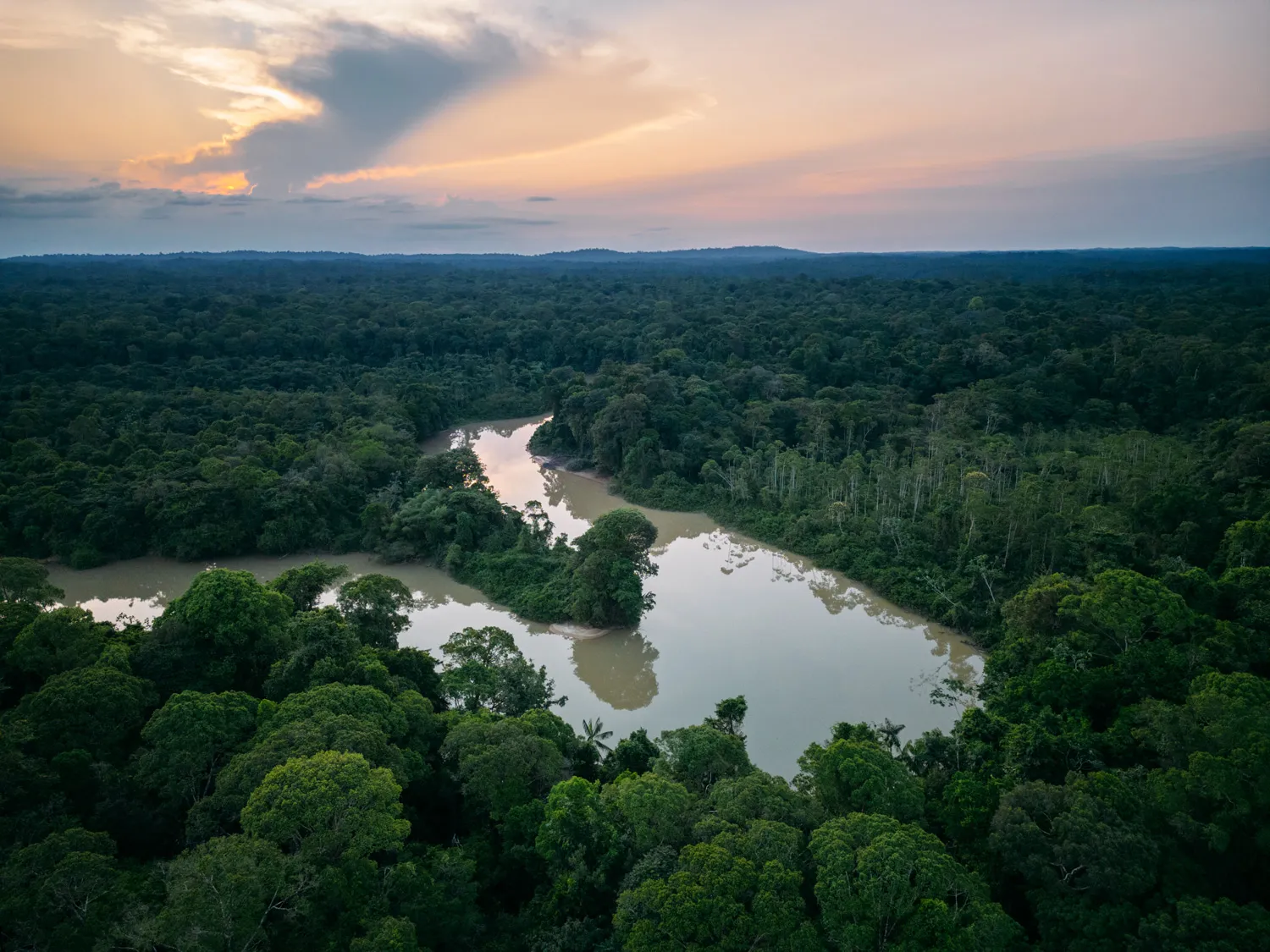
When you land at Matoury’s Félix-Éboué airport, your mind often jumps to the Ariane rocket, the Maroni River or leatherback turtles. It’s easy to forget that, above all, French Guiana is a forest: 96% of the territory is covered by the Amazon. And this forest can be eaten, or rather, drunk. Wassaï in French Guiana isn’t just one more exotic word: it’s an institution, a thick purple juice you’ll find at the markets, in neighbourhood snack bars and at the smallest village festival. Here is our insider tour of the Guianese Amazonian superfruits and the best spots to taste them as juices, ice creams or sorbets.
Wassaï, king of Guianese superfruits
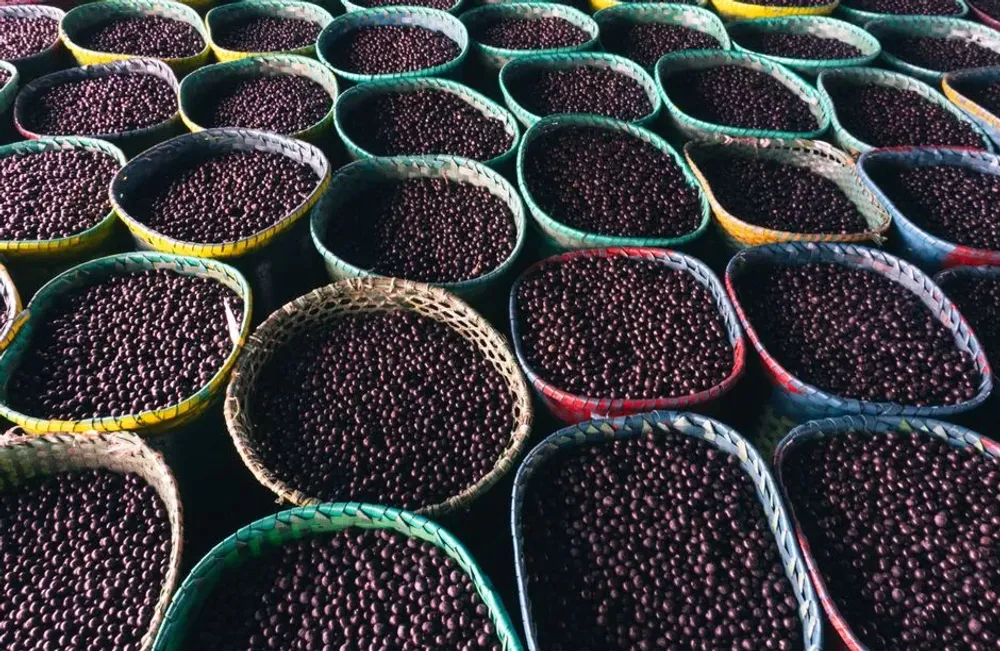
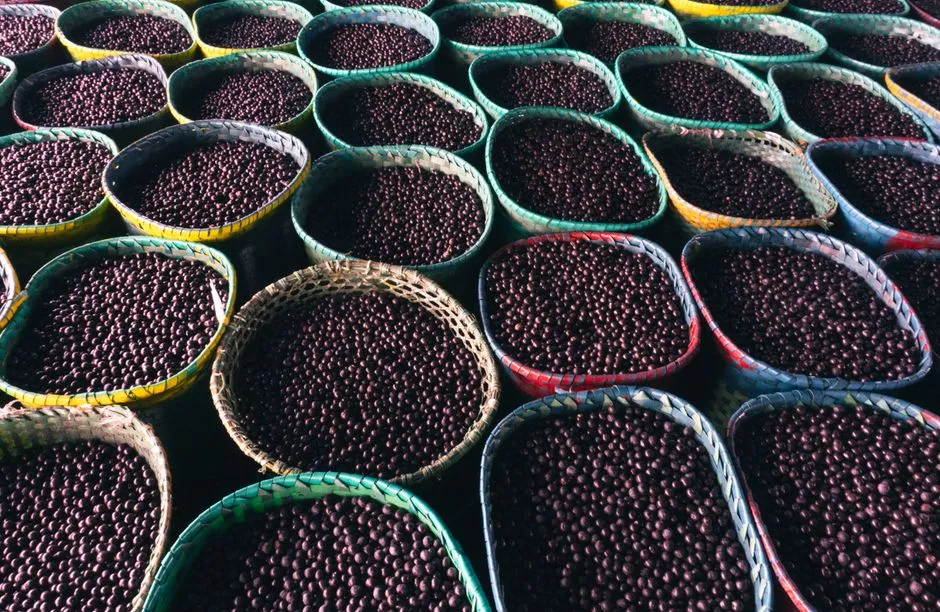
Wassaï is the Guianese version of Brazilian açaí: it’s the fruit of the pinot palm (Euterpe oleracea), a small purple-black berry that grows in clusters on slender palms in wetland areas. Its thin pulp coats a large seed. To extract it, you soak the berries in lukewarm water and then knead them: the result is a thick paste, almost chocolate-like to the eye, with a woody and very lightly sweet flavour.
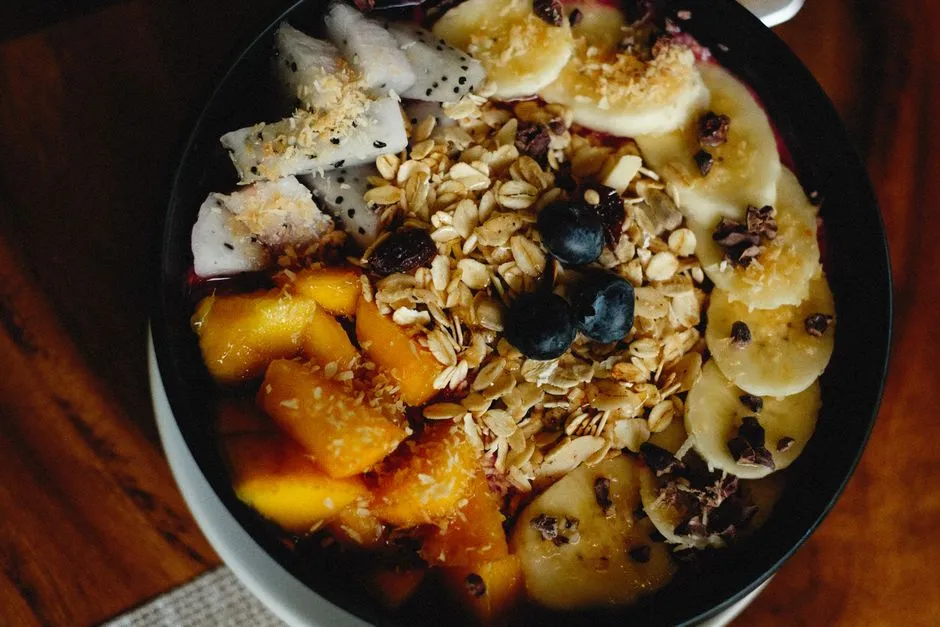
Unlike the sugary açaí bowls found in trendy mainland cafés, real Guianese wassaï is drunk plain, barely sweetened, sometimes salted. The elders enjoy it with couac (toasted cassava semolina) or smoked fish. It is an everyday food as much as a treat.
Why we call it a superfruit
Wassaï is rich in anthocyanins (the antioxidant pigments that give it its colour), in fibre and in healthy fats. Locally, it is believed to have invigorating properties, and Guianese athletes swear by it after exercise. As for the budget, expect around €3 to €5 for a glass of fresh juice at a market, and €4 to €6 for an artisanal ice cream or sorbet.
Where to taste wassaï
The Cayenne market (place du Coq, Wednesday, Friday and Saturday morning): several stalls offer fresh juice prepared in front of you.
The Creole snack bars of Rémire-Montjoly and Matoury often serve it as an iced juice.
The village festivals (Roura, Cacao, Macouria) where wassaï flows freely, especially in season.
All three are clustered around Cayenne and its outskirts: staying in town — in Tropikana, a two-bedroom house in Cayenne, for instance — is enough to string them together in a single morning without eating up mileage.
Less known outside French Guiana, comou (the fruit of the Oenocarpus bacaba palm) is wassaï’s milder big brother. Its pulp yields a creamier, richer juice with a brown-purple colour and notes reminiscent of hazelnut and chocolate. Many Guianese prefer it to wassaï for its smoothness.
Comou is prepared the same way, by soaking and kneading. It is enjoyed as a thick juice, sometimes thinned with milk and sweetened like an “Amazonian milkshake.” It is a staple of riverside tables, among the Bushinenge communities of the Maroni as well as among the Amerindians.
Comou: rounder, richer, more “indulgent.” Perfect for beginners.
Our tip: taste them side by side at the same market and you’ll immediately feel the difference.
Parepou, the fruit you eat savoury
Here’s the big surprise for visitors: parepou (or parépou, the fruit of the peach palm Bactris gasipaes) isn’t drunk, it’s eaten cooked and salted. These bright orange little fruits, sold in clusters, are boiled in salted water for 30 to 45 minutes. You peel them, remove the seed, and savour a firm, mealy flesh with a flavour somewhere between chestnut and sweet potato.
At the markets, you’ll see mountains of parepou for around €2 to €4 per bag in season (often February to April, then at the end of the year). It’s the quintessential Guianese snack, nibbled on a bench at the place des Palmistes in Cayenne, in the shade of the tall royal palms that give the square its name.
The Amazonian palette doesn’t stop there. A few flagship fruits worth knowing:
Awara: the orange fruit of the Astrocaryum palm, the base of the famous awara broth, an emblematic Easter dish in French Guiana that sometimes simmers for 24 to 48 hours. Legend has it that whoever tastes awara broth always returns to French Guiana.
Maripa: a large drupe with a coconut-and-apricot flavour, sucked like a sweet.
Cupuaçu and Guianese cacao: grown notably around Cacao, the Hmong village south of Roura, where the Sunday morning market overflows with exotic fruit juices.
Maracudja (passion fruit) and the Cythère plum (ambarella): everywhere in fresh juices and sorbets.
Ice creams and sorbets: the indulgent version
French Guiana has a genuine culture of artisanal sorbet. Several ice cream makers and snack bars in Cayenne, Rémire-Montjoly and Kourou turn these fruits into flavours found nowhere else: wassaï sorbet, comou ice cream, maracudja sorbet, Cythère plum. Expect €2.50 to €4 per scoop. In our opinion, it’s the simplest and most refreshing way to tour the Amazonian flavours when it’s 32 °C in the shade.
Our weekend tasting itinerary
For travellers who want to taste it all without rushing, here is a mini-circuit tried and approved. A car is essential in French Guiana: the distances between towns are rarely covered by public transport.
Saturday morning – Cayenne market: fresh wassaï and comou juice, parepou purchase. Breakfast on the place des Palmistes (15 min walk).
Saturday afternoon – Rémire-Montjoly: an artisanal sorbet break after Montjoly beach (about 15 min from Cayenne).
Sunday morning – Cacao: Hmong market, exotic juices, fritters and rare fruits (about 1 hr drive from Cayenne via Roura).
All for a very reasonable tasting budget, around €20 to €30 per person for the weekend.
When to come to enjoy them
Each fruit has its season, but the dry season, from July to late November, remains the best time to travel in French Guiana: passable roads, lively markets, and the chance to combine tastings with must-sees like the Guiana Space Centre (free tour in Kourou), the Salvation Islands or the Kaw marshes. Remember the yellow fever vaccine, which is mandatory to enter the territory.
Practical tips from locals
Taste it plain first. Authentic wassaï is barely sweet: let it surprise you before asking for a sweetened version.
Ask for the day’s fresh batch. Fresh wassaï and comou keep only 24 to 48 hours chilled; at a market, buy and consume quickly.
Parepou is always cooked. Never bite into a raw parepou, it is inedible before cooking.
Stay hydrated. These fruits are rich: perfect after a hike at the Nouragues reserve or a canoe trip on the Maroni.
After a day exploring the Cayenne market or the trails of the interior, there’s nothing like a well-located place to drop your bags. At Hostel Toucan, we support our travellers with direct booking and no platform fees, free cancellation up to 7 days before arrival and WhatsApp assistance 7 days a week to whisper the best juice and sorbet addresses of the moment. Discover our accommodations via our rental in French Guiana and plan your stay with our complete guide to French Guiana. And if you own a property here, our concierge service for owners takes care of everything.
French Guiana is discovered as much through the taste buds as through the eyes. Between a glass of purple wassaï, a comou ice cream and a handful of warm parepou, you already hold a piece of the Amazon. Safe travels, and happy tasting.
FAQ
What is the difference between Guianese wassaï and Brazilian açaí?
Wassaï and açaí come from the same type of palm (genus Euterpe). The difference is mainly cultural: in French Guiana, wassaï is drunk plain or lightly sweetened, often salted and served with fish or couac, whereas Brazilian açaí is generally served very sweet in an iced bowl. Wassaï’s flavour is woodier and less processed.
Is wassaï eaten or drunk?
Wassaï is consumed mainly as a thick, almost creamy juice obtained by kneading the pulp of the berries. It can also be found as an artisanal ice cream or sorbet. It is drunk plain, lightly sweetened or salted depending on local habits.
Where can I taste wassaï and comou in Cayenne?
The Cayenne market (place du Coq, on Wednesday, Friday and Saturday morning) is the surest place to find fresh wassaï and comou juice, prepared in front of you. The Creole snack bars of Cayenne, Rémire-Montjoly and Matoury also offer it in iced form, as do the village festivals in season.
What is the best season to discover Amazonian fruits in French Guiana?
The dry season, from July to late November, is the ideal time to travel in French Guiana: the roads are passable and the markets lively. Some fruits like parepou have their own season (often February-April and the end of the year), but wassaï and comou can be found for much of the year.
Nous utilisons des cookies de mesure d'audience et de publicité pour améliorer votre expérience
et nos campagnes. Vous pouvez accepter ou refuser. Voir notre
politique de confidentialité.