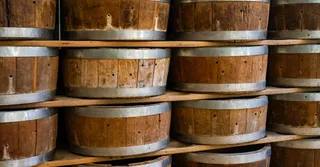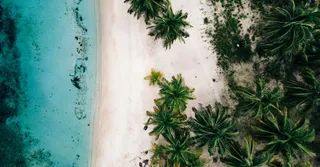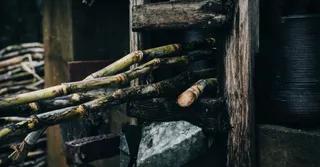
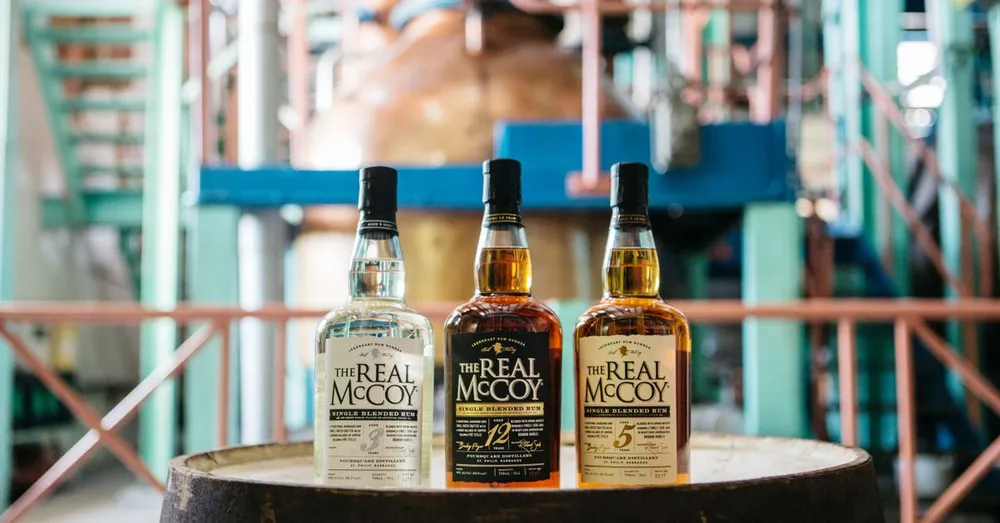
In Guadeloupe, rum isn’t just a drink: it’s liquid geography. Every distillery tells the story of its terroir, its cane, its volcano or its plain. On this butterfly-shaped archipelago set in the heart of the Lesser Antilles, what’s distilled is agricultural rum, made from fresh sugarcane juice (vesou) rather than molasses like most of the world’s rums. It’s this distinctive trait, protected by an AOC (controlled designation of origin) since 1996, that makes the archipelago one of the planet’s great rum destinations.
After several years roaming the roads of Grande-Terre, Basse-Terre and Marie-Galante, here is our tour of the Guadeloupe rum distilleries you absolutely must add to your 2026 itinerary: access, tastings and, above all, buying direct from the producer — often far cheaper than at the airport shop.
Understanding agricultural rum before you go
Guadeloupean agricultural rum stands out thanks to one clear label: pressed cane juice, fermented and then distilled in a Creole column still. There are three main families you’ll come across in every tasting cellar:
- White rum: bottled without ageing, often at 50% to 59% ABV. It’s the backbone of the ti-punch (rum, lime, cane sugar).
- Amber rum (or “paille”): a short stay in the cask gives it its golden colour and vanilla notes.
- Aged rum (VO, VSOP, XO): a minimum of 3 years in oak for “vieux,” up to 6 years and more for exceptional cuvées.
Good to know: the dry season, from December to April, remains the best time to visit. The cane harvest (the “sugar campaign”) usually starts in February; visiting then lets you see the machines running and breathe in the sweet smell of warm vesou.
On the Basse-Terre side: rum at the foot of the volcano
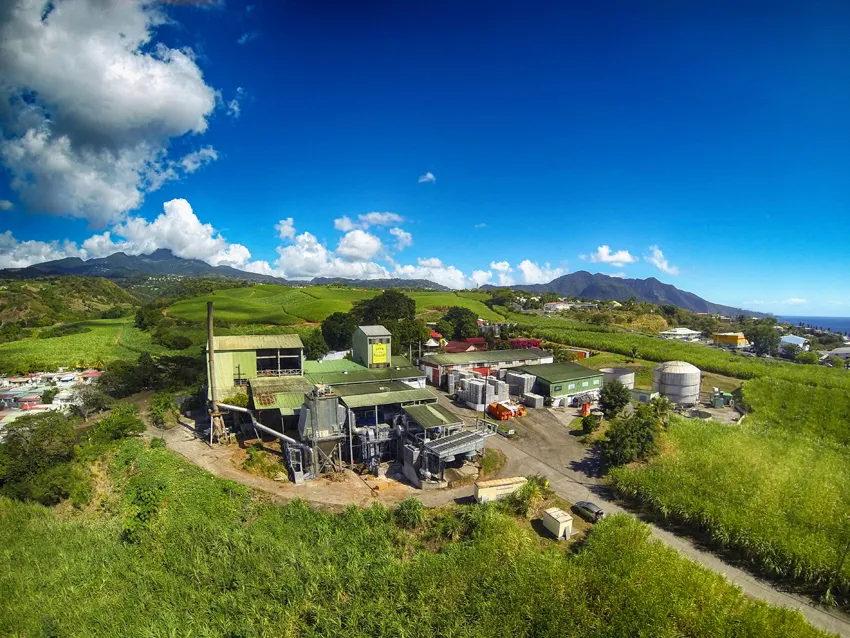
The western wing of the butterfly, Basse-Terre, is home to fertile volcanic soil dominated by La Soufrière (1,467 m) and the National Park. This is where the most fragrant cane grows.
1. Bologne Distillery (Basse-Terre)
Right at the foot of the volcano, on the heights above the town of Basse-Terre, Bologne is one of the oldest distilleries in the archipelago (its origins date back to the 17th century). Its signature: a white rum made from a rare black cane, with a recognisable roundness.
- Access: about 5 minutes by car from the centre of Basse-Terre, ideal to combine with the climb up La Soufrière or the Carbet Falls.
- Visit: free shop and tasting area; guided tours of the facilities depending on the season (budget €8 to €12).
- What to bring back: the 50% white rum and the aged cuvées, often 20 to 30% cheaper than in supermarkets.
2. Séverin Distillery (Sainte-Rose)
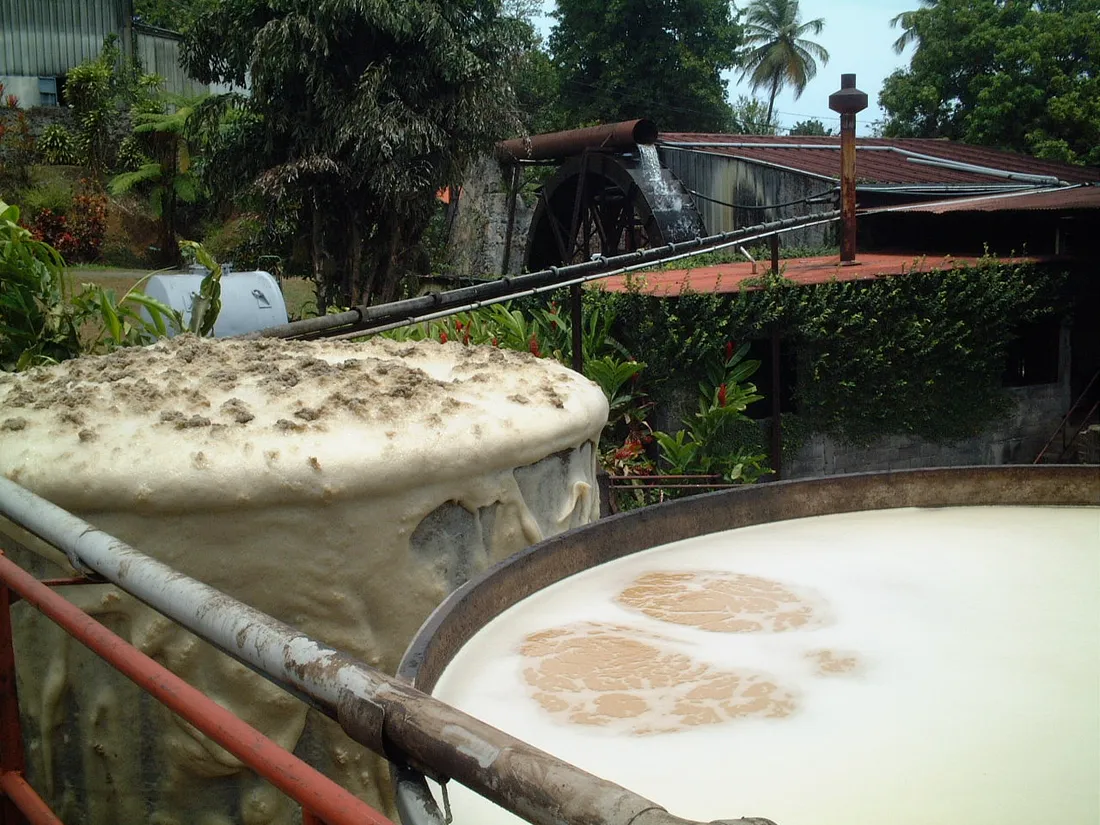
Tucked into a lush tropical setting with its historic water wheel and crayfish ponds, Séverin is the most family-friendly and most educational distillery in Basse-Terre. A real favourite for family visits.
- Access: in Sainte-Rose, in the north of Basse-Terre, 45 minutes from Pointe-à-Pitre.
- Little tourist train through the cane fields (around €12 for adults, reduced rate for children).
- On site: Creole restaurant, shop, tasting of house punches (coconut, passion fruit, ginger).
3. Reimonenq Distillery / Rum Museum (Sainte-Rose)
Still in Sainte-Rose, Reimonenq is home to a Rum Museum paired with a surprising collection of insects and model ships. It’s the perfect stop to understand the history of Caribbean rum before tasting.
- Access: a few minutes from Séverin; the two can be visited in the same half-day.
- Museum entry: around €10 for adults, free for the youngest.
- Tasting: a wide range of aged Reimonenq rums and punches to take away.
On the Grande-Terre side: the cane plain and the giant Damoiseau
The eastern wing, Grande-Terre, is limestone, flatter, devoted to turquoise beaches (Caravelle in Sainte-Anne, Pointe des Châteaux) and to large-scale cane growing.
4. Damoiseau Distillery (Le Moule)
It’s impossible to talk about Guadeloupe rum distilleries without Damoiseau, the heavyweight of the archipelago and one of the most exported rums. The distillery, in Le Moule, unfolds with vast vats and an impressive still column.
- Access: in Le Moule, on the Atlantic coast of Grande-Terre, about 30 minutes from Sainte-Anne and 40 minutes from Pointe-à-Pitre.
- Free self-guided visit of the site and tasting area; paid guided tours in season.
- Local star: the famous 55% white rum, the essential base of the Guadeloupean ti-punch, and the highly sought-after vintage “Subprime” cuvées.
Local’s tip: buy your bottles directly here rather than at Pôle Caraïbes airport. The price difference on an aged cuvée can top €15, and the choice of vintages is incomparable.
Heading to Marie-Galante: “the island of 100 mills”
A 1-hour boat ride from Pointe-à-Pitre (or 20 minutes by plane), Marie-Galante is THE sanctuary of Guadeloupean agricultural rum. Three distilleries produce powerful rums there (often 59% ABV), reputed to be among the best in the world. One day isn’t enough: we recommend spending a night.
5. Bielle Distillery
Perched on the heights of Grand-Bourg, Bielle charms with its photogenic setting, its adjoining pottery workshop and its multi-award-winning aged rums.
- Access: 15 minutes from the Grand-Bourg landing dock by rental car.
- Visit: free and self-guided, with a generous tasting.
- To taste: the aged Bielle rums and the artisanal liqueurs.
6. Poisson Distillery – Père Labat Rum
The Père Labat 59% rum is a legend, arguably the most mythical white rum of the archipelago. The Poisson distillery, in Saint-Louis, retains a vintage industrial charm.
- Access: north-west of Marie-Galante, a scenic route along the coast.
- Direct purchase: a must, as some cuvées are impossible to find in mainland France.
7. Bellevue Distillery
Modernised and organic-certified on part of its production, Bellevue closes this tour with its elegant rums and its restored old windmill, a symbol of the island.
- Access: in the centre of Marie-Galante, easy to combine with Bielle.
- Visit: free, with a superb panorama over the cane fields.
Planning your rum route in practice
To make the most of these Guadeloupe distilleries, a few concrete pointers:
- A rental car is essential: no distillery is well served by public transport. Budget €30 to €50 per day.
- Designate a sober driver: drink-driving is strictly enforced, and the mountain roads of Basse-Terre demand attention.
- Ideal 3-day itinerary: Day 1 Grande-Terre (Damoiseau + beaches), Day 2 Basse-Terre (Bologne, Séverin, Reimonenq + La Soufrière), Day 3 Marie-Galante (Bielle, Père Labat, Bellevue).
- Tasting budget: most tastings are free; plan for €10 to €12 for museums and little trains.
- Customs: from an overseas department, the quantities of rum you can bring back to mainland France are regulated; check the rules before heading home.
Between two distilleries, don’t forget that the archipelago is about far more than cane: the Cousteau Reserve at Malendure for snorkelling, Les Saintes and their listed bay, or the Grande Anse de Deshaies are well worth a pause. Our complete guide to Guadeloupe details all these must-sees to build a well-balanced stay.
Where to stay to reach the distilleries
The secret to a great rum route is a well-placed base. A rental between Grande-Terre and Basse-Terre (around Le Gosier or Sainte-Anne) puts you less than an hour from most of the sites, and 15 minutes from the boarding dock for Marie-Galante.
At Hostel Toucan, a local concierge and seasonal rental service, we select accommodation designed for travellers who want to explore the archipelago. By booking direct, you avoid platform fees, enjoy free cancellation up to 7 days before arrival and WhatsApp assistance 7 days a week — handy for lining up your distillery visits or booking the boat to Marie-Galante. Discover our accommodation in Guadeloupe.
Do you own a property on the archipelago and want to showcase it to rum and nature lovers? Our team is here to help: see our owners offer.
One last connoisseur’s tip: never leave without a bottle of 59% white from Marie-Galante and an aged rum from Basse-Terre. The first for your ti-punches with friends, the second for the evenings when you’ll dream of coming back. Safe travels, and cheers — or rather, as they say here, à la tienne.
FAQ
When is the best time to visit the rum distilleries in Guadeloupe?
The dry season, from December to April, is ideal. The cane harvest (the sugar campaign) usually starts in February: that’s when the distilleries run at full capacity and you can see production in action and breathe in the smell of warm vesou.
What’s the difference between agricultural rum and traditional rum?
Agricultural rum, a Guadeloupean speciality protected by an AOC, is distilled from fresh cane juice (vesou). Traditional rum, on the other hand, is made from molasses, a by-product of sugar making. Agricultural rum offers more vegetal and fruity aromas.
Can you taste and buy rum directly at the distillery?
Yes. Most distilleries (Damoiseau, Bologne, Séverin, Bielle, Bellevue…) offer a free tasting and a shop. Buying direct from the producer is often 15 to 30% cheaper than at the airport shop, with a far wider choice of vintages.
Do you need a car to tour the distilleries?
Yes, a rental car is essential because no distillery is properly served by public transport. Budget €30 to €50 per day. Remember to designate a sober driver: breathalyser checks are frequent and the roads of Basse-Terre are winding.