You taste a Martinican rum for the first time and the sensation takes you by surprise: it’s vibrant, vegetal, almost herbaceous, a world away from the sweet rum you knew. This is no accident. Martinique’s agricultural rum is protected by an Appellation d’Origine Contrôlée found nowhere else, the only rum AOC in existence to this day. Here, on the island where I live and where I tour the distilleries all year round, I’ll explain what hides behind those three letters and why they change everything in your glass.
The Martinique AOC: a founding 1996 decree
The crowning moment came on 5 November 1996, when a decree granted Martinique’s agricultural rum its Appellation d’Origine Contrôlée. To this day, no other rum-producing region, not Cuba, not Jamaica, not Barbados, has obtained an equivalent status. Martinique remains the only place on earth where rum enjoys an AOC, a label usually reserved for great French wines and cheeses.
Why such recognition? Because Martinique, a French overseas department and region (DROM), has a rum-making tradition rooted since the 17th century and a know-how that producers wanted to protect against any imitation. The AOC is not a mere marketing argument: it is a legally binding set of specifications, monitored by the INAO (the French National Institute of Origin and Quality).
Why this appellation matters to the traveler
In practical terms, when you buy a bottle bearing the AOC Martinique mention, you have a guarantee of origin, method and terroir. It’s the equivalent of Champagne for sparkling wines: the name cannot be usurped. For a visitor, it’s also a fascinating key to reading the landscape, because every distillery tells a piece of this story.
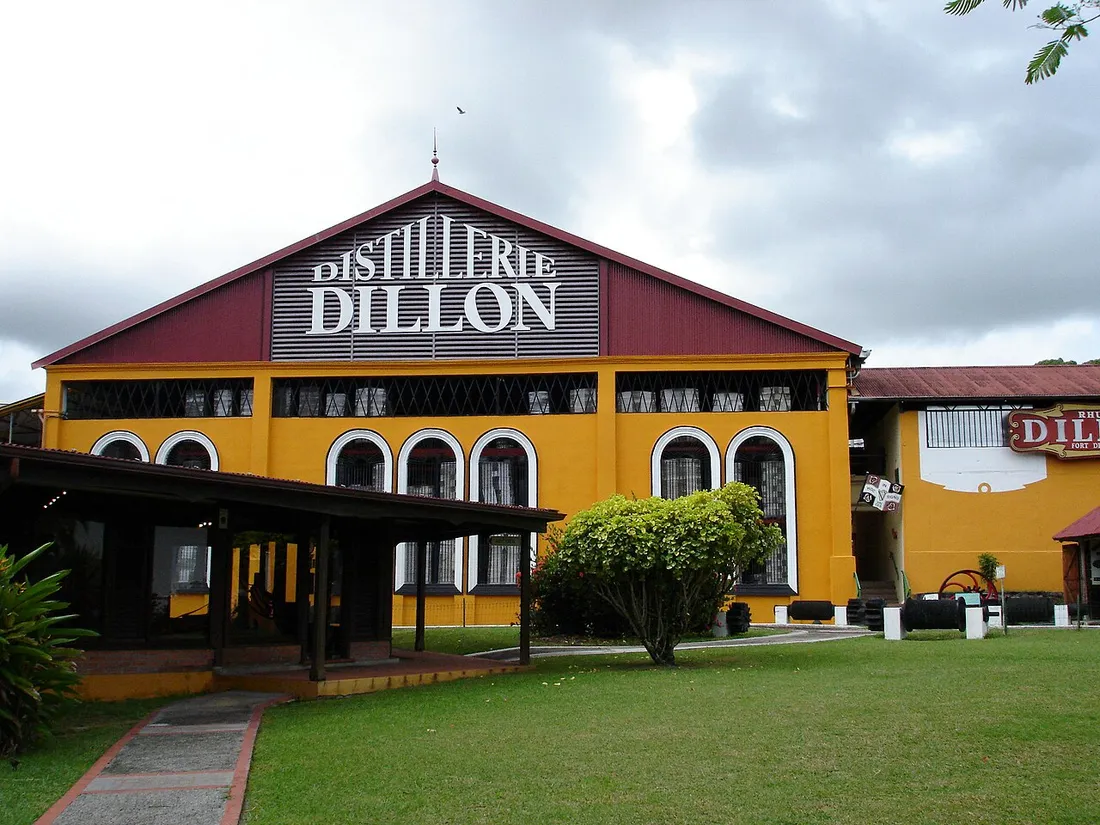
Agricultural rum versus industrial rum: the real difference
The most common confusion concerns the raw material. Here is the essential distinction, the one every enthusiast should know before pushing open the door of a Martinican distillery.
- Agricultural rum: distilled from pure, freshly pressed sugarcane juice (known locally as “vesou”). It is Martinique’s signature.
- Industrial rum (or molasses rum): distilled from molasses, a syrupy residue from sugar production. It is the dominant process across the Caribbean and the world.
This difference in raw material explains everything. Agricultural rum keeps the living aromas of the cane: herbaceous, vegetal, sometimes floral or fruity notes. Molasses rum offers rounder, vanilla-tinged, caramelized profiles. Neither is superior in absolute terms, but they don’t play the same tune.
The cane calendar
Agricultural rum imposes a strict seasonal rhythm. The cane must be crushed fresh, within hours of cutting, because the juice oxidizes quickly. The harvest and distillation are therefore concentrated from roughly February to June, in the heart of the dry season (the local Carême, from December to April). If you visit the island during this period, you’ll have the chance to see the distilleries in full swing, machines turning and the smell of warm cane in the air. A sensory experience I recommend to all my travelers.
The specifications: what the AOC actually requires
Behind the appellation lies a long list of requirements. Without diving into technical jargon, here are the pillars of the AOC Martinique specifications.
- Raw material: exclusively fresh sugarcane juice, never molasses.
- Varieties and zone: the cane must be grown in delimited municipalities of Martinique, on approved plots.
- Short fermentation: the vesou ferments naturally over a regulated period, generally a few days.
- Creole column distillation: the rum leaves the still at a precise degree, preserving the cane aromas.
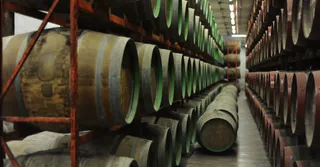
- Controlled ageing for the “élevé sous bois” (wood-aged), “vieux” (aged, minimum three years in oak barrels) or vintage mentions.
- Independent controls validating every step, from the plot to the bottling.
Decoding a Martinican label
A few mentions will help you choose with full knowledge:
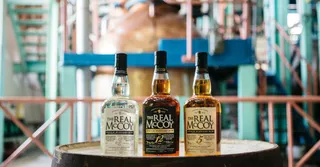
- Blanc (white): unaged, ideal for the ti-punch, the island’s emblematic cocktail.
- Élevé sous bois / paille (wood-aged / straw): a few months in cask, rounder.
- Vieux (old): at least three years of oak, for sipping neat.
- Hors d’âge, XO, vintages: the collector’s gems.
A tip from the field: order your first ti-punch “à votre goût” (to your taste). They’ll bring you white rum, lime and cane syrup, and you’ll measure it out yourself. It’s the welcome ritual par excellence.
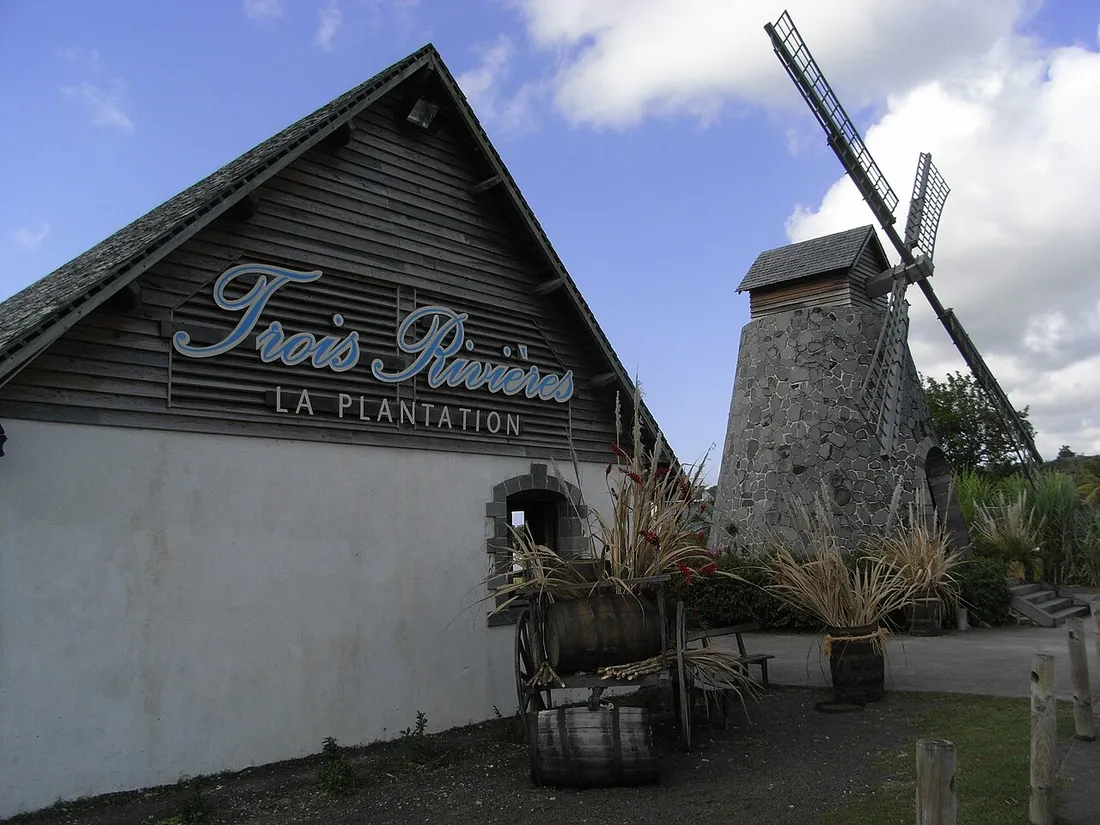
Mapping the cane terroirs and the Rum Route
Martinique counts a handful of active distilleries, spread across terroirs with distinct characters. This is what producers call the Route des Rhums (Rum Route), an itinerary I regularly introduce my guests to.
The north, volcanic land
At the foot of Montagne Pelée, in Saint-Pierre, the Depaz distillery grows its cane on volcanic soils of rare richness. Don’t miss, just steps away, the ruins of Saint-Pierre, listed and bearing witness to the 1902 eruption; the visit combines dramatic history and great rums. Saint-James, in Sainte-Marie, boasts an unmissable rum museum and a little train that crosses the cane fields.
The center and south, lowland terroirs
- Habitation Clément at Le François: a sublime estate blending rums, contemporary art and a botanical garden. Allow half a day.
- La Mauny and Trois-Rivières, in the south, near legendary beaches such as Les Salines at Sainte-Anne or the Diamond Rock.
Planning your Rum Route
A few concrete pointers for a successful stay:
- The distilleries are scattered across the whole island; a rental car is strongly recommended (budget 35 to 55 € per day).
- Basic visits are often free; guided tastings or workshops range from roughly 8 to 25 €.
- Allow 30 minutes to 1 hour of driving between Fort-de-France and most estates.
- Moderation is mandatory if you’re driving: arrange a designated driver or spread the tastings over several days.
The best period to combine active distilleries and fine weather remains the dry season, from December to April, possibly avoiding the frenzy of carnival (February-March) if you’re after tranquility.
Extending the experience beyond the distilleries
A rum-focused stay pairs ideally with the island’s other treasures: the black-sand beaches of Anse Noire, the Caravelle peninsula at Tartane for surfing, the Jardin de Balata or Les Trois-Îlets in the footsteps of Joséphine de Beauharnais. The island moves to a tropical rhythm, at -5h from Paris in winter, -6h in summer, with the euro in your pocket and French as the language (Creole as a warm bonus).
To roam freely between the volcanic north and the southern beaches, the choice of accommodation makes all the difference. At Hostel Toucan, our lodgings are designed for explorers: you book direct, with no platform fees, enjoy free cancellation up to 7 days before arrival, and benefit from WhatsApp assistance 7 days a week for all your questions, including our best distillery addresses. Discover our accommodations in Martinique and plan your getaway with our complete guide to Martinique. Do you own a property on the island? Our concierge service for owners takes care of everything.
Martinique AOC agricultural rum is not just one drink among others: it is a living heritage, the fruit of a terroir, a climate and a know-how protected by law. To understand it is already to begin traveling. On your arrival, a ti-punch awaits you.
FAQ
Why is Martinique’s agricultural rum the world’s only rum AOC?
Because a decree of 5 November 1996 granted Martinique’s agricultural rum an Appellation d’Origine Contrôlée, monitored by the INAO. No other rum-producing region in the world currently holds an equivalent AOC status, making it a unique exception, comparable to Champagne for wines.
What is the difference between agricultural rum and industrial rum?
Agricultural rum is distilled from pure, freshly pressed sugarcane juice (the vesou), which gives it vibrant, herbaceous and vegetal aromas. Industrial rum is made from molasses, a residue of sugar production, and offers rounder, vanilla-tinged and caramelized profiles.
What is the best time to visit the distilleries in Martinique?
The dry season, from December to April (the local Carême), is ideal for the weather. To see the distilleries in full distillation activity, aim instead for February to June, the harvest and crushing season of fresh cane. Possibly avoid the February-March carnival if you’re seeking quiet.
Do you need a car to do the Rum Route?
Yes, a rental car is strongly recommended because the distilleries are scattered across the whole island, from the volcanic north of Saint-Pierre to the south near the beaches. Budget 35 to 55 € per day for the rental and 30 minutes to 1 hour of driving from Fort-de-France. Remember a designated driver for the tastings.