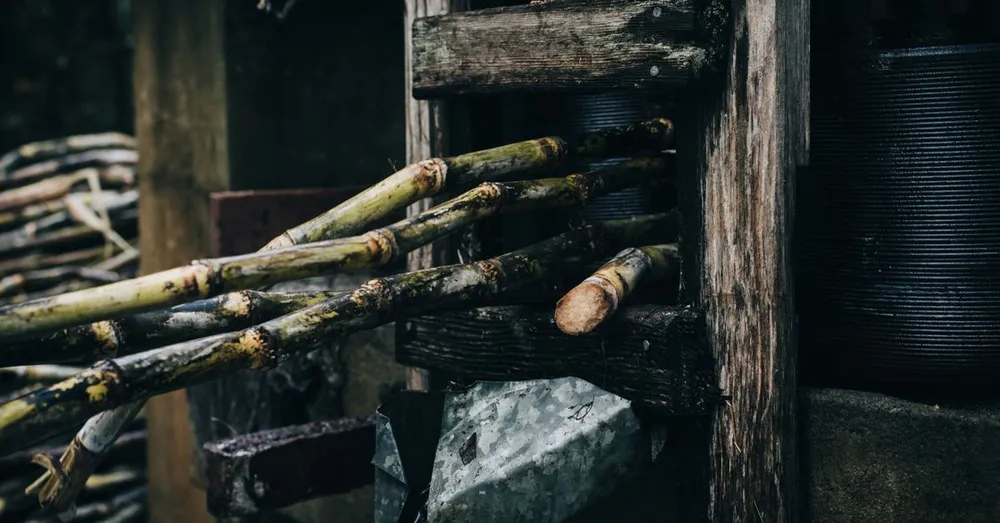
Guadeloupe owes part of its identity to sugarcane and agricultural rum. From colonial estates to family-run distilleries still in operation, this heritage can be visited, tasted and told. If you’re planning your stay, the “rum route” is the perfect thread for crossing the archipelago in a different way: along the way you’ll encounter the island’s history, landscapes of cane fields, century-old mills and a craftsmanship recognised by an appellation of origin. Here’s our complete guide to visiting Guadeloupe’s distilleries and estates, understanding how rum is made and tasting responsibly.
AOC agricultural rum, a Guadeloupe specialty
Every island in the Caribbean produces rum, but Guadeloupe and Martinique stand apart with their agricultural rum, made directly from pure fresh cane juice (the “vesou”), rather than from molasses like so-called “traditional” or industrial rum. This more demanding method gives the very distinctive vegetal, fruity and herbaceous aromas.
Since 2015, Guadeloupe has held an AOC (Appellation d’Origine Contrôlée) “Rhum de la Guadeloupe”, an official mark of quality that governs cane cultivation, distillation and ageing. A few useful markers before you go:
- White rum: unaged or barely aged, ideal for ti-punch and cocktails.
- Amber or “oak-rested” rum: time in a barrel gives it its colour and woody notes.
- Aged rum (rhum vieux): aged several years in oak casks, to be sipped slowly, like a fine spirit.
Understanding this distinction transforms your visits: you’ll know why each distillery champions its own terroir and style.
How is agricultural rum made?
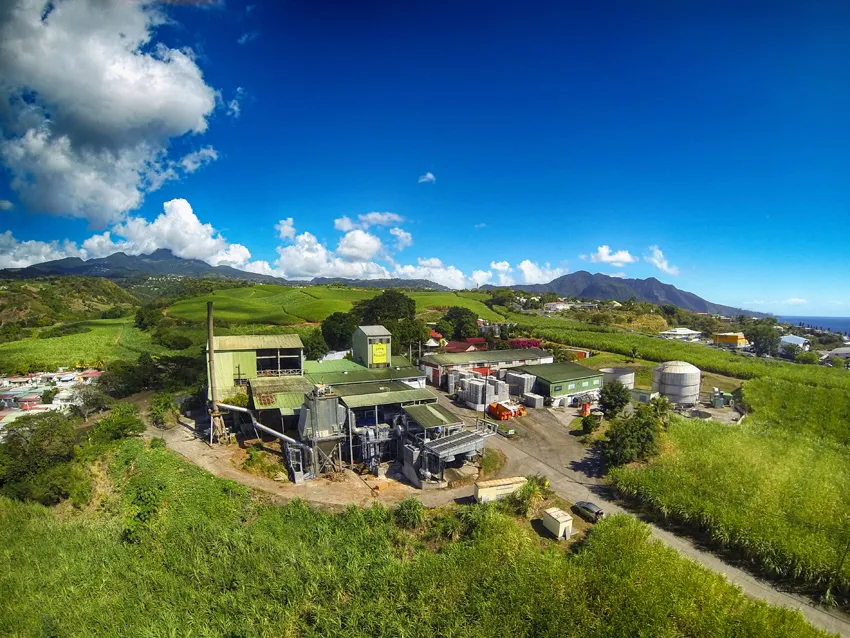
Following the production process on site is often the highlight of the visit. The journey is much the same everywhere:
- The cane harvest, generally from February to June, the period when distilleries run at full capacity. This is the best season to see the machines in action.
- Crushing: the cane passes through mills to extract the juice, the vesou.
- Fermentation: the juice rests in large vats where yeasts turn the sugars into alcohol.
- Column distillation, which concentrates the aromas and produces white rum.
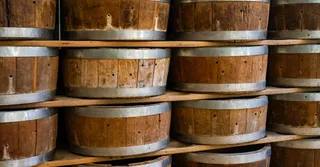
- Ageing, where applicable, in cellars, in oak barrels, for amber and aged rums.
Good to know: if you visit outside the harvest period (the off-season), the workshops may be idle. The site remains fascinating for its history and tastings, but ask at reception whether production is running on the day of your visit.
Which distilleries to visit in Grande-Terre and Basse-Terre?
Butterfly-shaped Guadeloupe is split between two wings, and each has its addresses.
In Grande-Terre
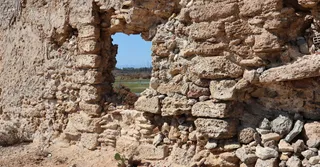
- Damoiseau Distillery (Le Moule) — the only distillery in Grande-Terre, in the east of the island, and one of the best known in the archipelago. Family-run since it was taken over in the 1940s, it offers a tour built around the production process and preserves an old windmill, a witness to the sugar era.
In Basse-Terre
- Reimonenq Distillery & Rum Museum (Sainte-Rose) — a living museum that retraces the history of cane, distilleries and Caribbean rum, with educational staging ideal for a first introduction with the family.
- Longueteau Distillery (Capesterre-Belle-Eau) — a family institution founded in the 19th century, on the windward coast. It grows its own cane around the estate, a guarantee of a terroir rum much appreciated by connoisseurs.
- Séverin Distillery (Sainte-Rose) — a picturesque estate set in lush greenery, long renowned for its waterwheel and its family setting.
- Montebello Distillery (Petit-Bourg) — one of the island’s oldest houses, discreet and authentic, prized for its full-bodied white rums.
- Bologne Distillery (Basse-Terre) — at the foot of La Soufrière, one of Guadeloupe’s oldest estates, whose volcanic soils give a singular aromatic profile.
The names and the atmosphere vary, but the spirit stays the same: family houses proud of their history and happy to share it.
Sugar estates, the memory of cane
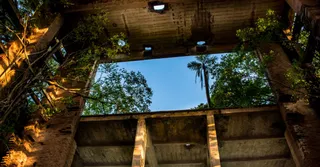
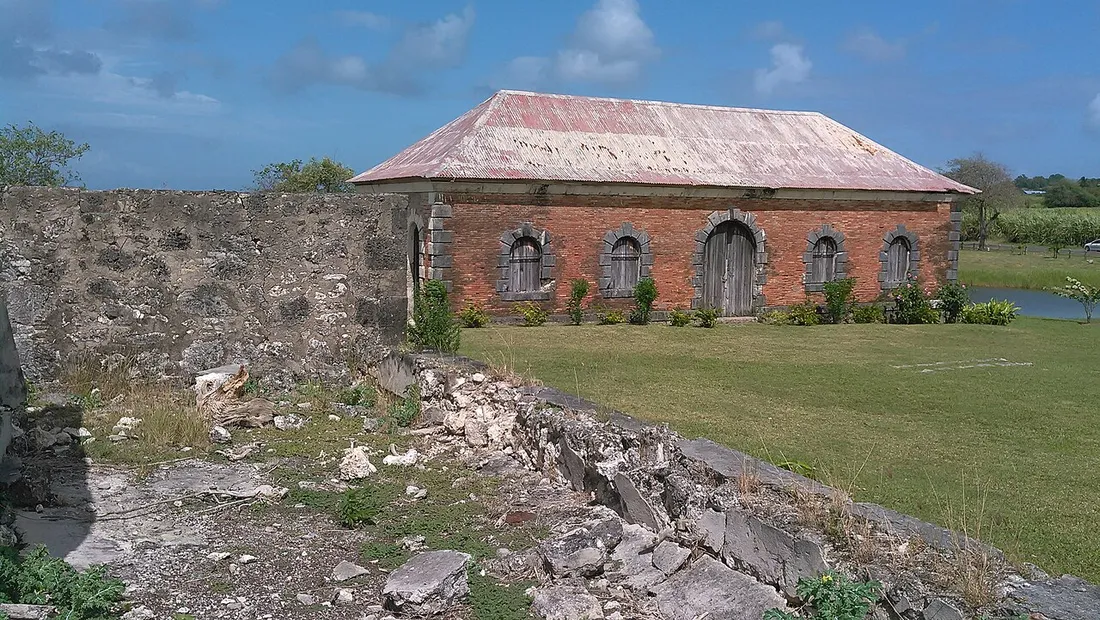
Before rum, there was sugar. From the 17th to the 19th century, Guadeloupe’s economy rested on large sugar estates, those domains where cane was grown and processed. To visit these places is also to confront a dense history, marked by slavery and forced labour, whose memory is today passed on with care. Two major sites are worth the detour:
- La Grivelière Estate (Vieux-Habitants) — a superb witness to colonial architecture at the heart of a coffee- and cocoa-growing valley: production sheds, the master’s house and former workers’ cabins are revealed over the course of an immersive guided tour.
- The Beauport sugar mill (Port-Louis) — a former factory converted into a cultural centre, with a trail dedicated to the cultivation and processing of cane, sometimes enhanced by a little train through the old plots.
These visits give meaning to the tasting that follows: you no longer simply drink a rum, you taste the fruit of a long history.
Our 2-to-3-day “rum route” itinerary
To make the most of it without rushing, spread out your visits. Here’s a flexible framework to adapt:
- Day 1 — Grande-Terre: tour of Damoiseau in Le Moule in the morning, then relax on a beach at the eastern point in the afternoon.
- Day 2 — Northern Basse-Terre: Reimonenq Rum Museum and Séverin around Sainte-Rose, with a swim break in Deshaies or a gentle hike.
- Day 3 — Southern Basse-Terre: Longueteau or Montebello on the windward side, then La Grivelière in Vieux-Habitants to round things off with the history of the estates.
If you have more time, Marie-Galante is worth an escape all on its own: nicknamed “the island of a hundred mills,” it preserves many traditional distilleries and an exceptional sugar heritage. We tell you more in our Marie-Galante guide, and more broadly in our Guadeloupe travel guide.
Tips for a responsible visit and tasting
A few recommendations so the experience stays a pleasure:
- Call before you come: distilleries are working production sites; opening days and guided tours vary by season.
- Favour morning visits, when the air is pleasantly cool and production is often active during the harvest period.
- Dress simply: closed shoes are recommended in the workshops, which can be slippery or noisy.
- Allow half a day per site, factoring in the road, sometimes winding in Basse-Terre.
- Taste in moderation: tastings offer small quantities, precisely so you can appreciate the aromas without excess.
Alcohol abuse is dangerous for your health
Tasting is part of the trip, but it should be done in moderation. Never get behind the wheel after drinking: designate a driver, alternate with water and keep in mind that the goal is to taste, not to consume. Selling alcohol to minors is prohibited. Enjoy the aromas, and rather take a bottle home to savour quietly.
How to get around and where to stay?
A car is essential to connect Grande-Terre and Basse-Terre and to reach the distilleries, often located away from the towns. Favour the dry season (December to May), which partly overlaps with the cane harvest period, for passable roads and active workshops. Remember to book your car rental in advance, especially in high season.
As for accommodation, it’s best to choose a central base, or alternate one night on the Grande-Terre side and one on the Basse-Terre side to limit driving. Discover our accommodation in Guadeloupe and all of our places to stay across the archipelago to build the itinerary that suits you.
Ready to follow the rum route?
Between century-old mills, fragrant cellars and estates steeped in history, Guadeloupe also tells its story in a glass of AOC agricultural rum. At Hostel Toucan, we help you turn this desire into a successful stay: well-located accommodation, itinerary advice and local tips. Get in touch to plan your Guadeloupe getaway and explore the rum heritage at your own pace. Safe travels, and here’s to you, in moderation.