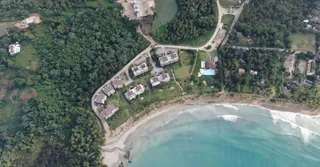

On the south-eastern tip of Grande-Terre, Saint-François has a double personality that few visitors anticipate. By day, it’s a quiet seaside village built around its golf course and turquoise beaches; but the moment an event takes over the waterfront, the town becomes one of the liveliest spots in Guadeloupe. In all the years I’ve been guiding travellers through the area, the same question keeps coming back: how do you plan your trip around the events in Saint-François, Guadeloupe and find a rental in the right place, at the right time? Marina regattas, nautical festivals, Creole celebrations, night markets — here’s my season-by-season guide to miss nothing and choose your accommodation wisely.
Saint-François, the festive capital of the south-eastern tip
Saint-François is a town in Grande-Terre, the limestone, beach-fringed wing of the butterfly-shaped archipelago that is Guadeloupe. About fifty minutes from Pôle Caraïbes airport in Pointe-à-Pitre, the town is organised around three hubs that concentrate almost all the action:
- The Saint-François marina, a modern pleasure port lined with restaurants and the departure point for shuttles to La Désirade and Petite-Terre
- The waterfront and Avenue de l’Europe, where craft markets and open-air concerts take place
- The nearby Pointe des Châteaux, a protected natural site that serves as a backdrop for many sporting events
This trio explains why Saint-François lives to the rhythm of the sea. Most of the major gatherings are nautical celebrations, and the marina is their beating heart. A few useful markers before you start planning: the currency is the euro, French and Creole are spoken, the dialling code is +590, and the time difference with Paris is -5h in winter and -6h in summer.
The marina’s nautical events
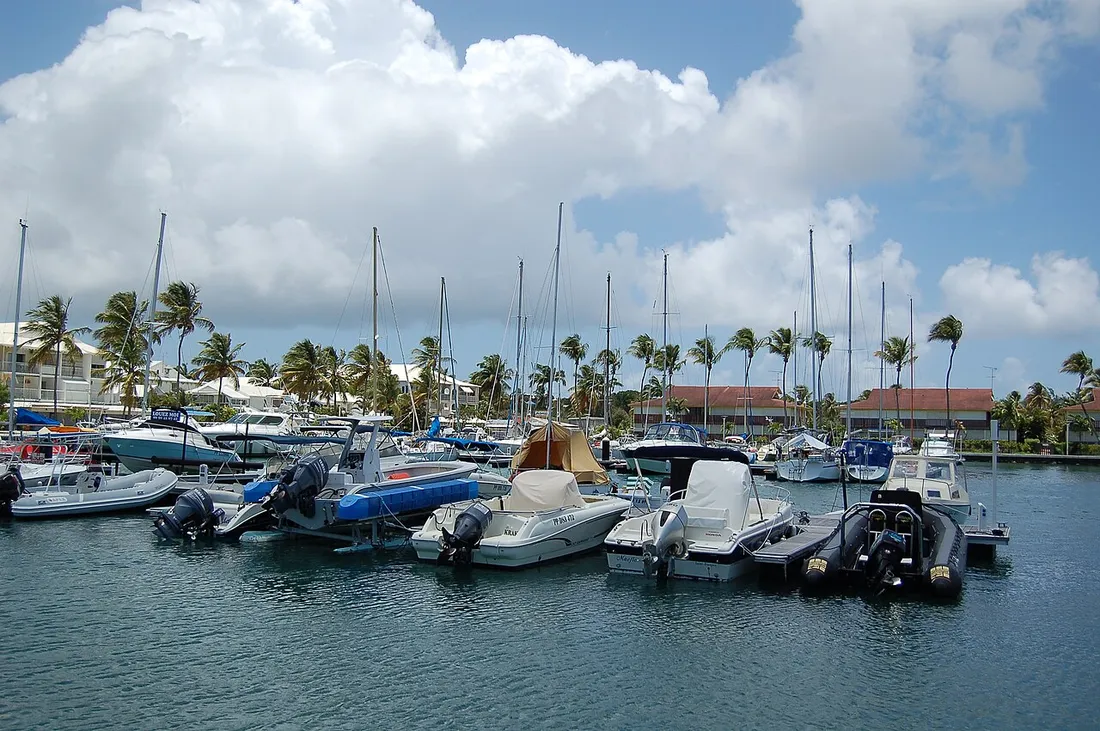
This is the town’s defining identity. The Saint-François marina hosts sailing and sea events all year round that set the pace of local life and draw a crowd from well beyond Grande-Terre.
Regattas and offshore races
The dry season, from December to April, is the great period for regattas. The steady trade winds and manageable sea make the bay an ideal stretch of water. You’ll find cruising yacht races, catamaran gatherings and round-the-island stages. During these weekends, the atmosphere on the pontoons is electric: prize-givings set to music, food trucks and impromptu concerts carry on late into the night.
The yole and the traditional boat
The Grande-Terre nautical festival also celebrates Creole maritime heritage. Races of yoles rondes — these traditional craft sailed and balanced by the crew’s own bodies — make for a striking spectacle from the seawall. Several coastal towns compete, and Saint-François regularly ranks among the most closely followed stages.
Patron saint’s feast and blessing of the sea
Like many coastal towns, Saint-François celebrates its patron saint’s feast, usually in late summer, with a blessing of the sea: dressed-up boats parade in front of the marina, followed by dances and gwo ka evenings. It’s one of the most authentic moments of the year, far from mass tourism.
The cultural and culinary calendar
Beyond sailing, Saint-François offers a continuous cultural life that alone justifies settling in for several days.
- Night markets: in high season, the waterfront comes alive several evenings a week with artisans, makers of rhum arrangé, accras and bokits, set to live musicians
- Carnival (January to March): walking groups parade down Avenue de l’Europe on the dimanches gras, in an energy of drums and costumes
- Cooks’ Festival: this Guadeloupean tradition honouring Saint Lawrence, patron of cooks, gives rise to colourful parades and shared Creole feasts
- Concerts and Creole evenings: marina restaurants and developed beaches regularly programme zouk, biguine and gwo ka
For an overview of the archipelago’s calendar and the best weather windows, I always point my travellers to our complete guide to Guadeloupe, which helps line up events with the ideal season.
When to come depending on the events
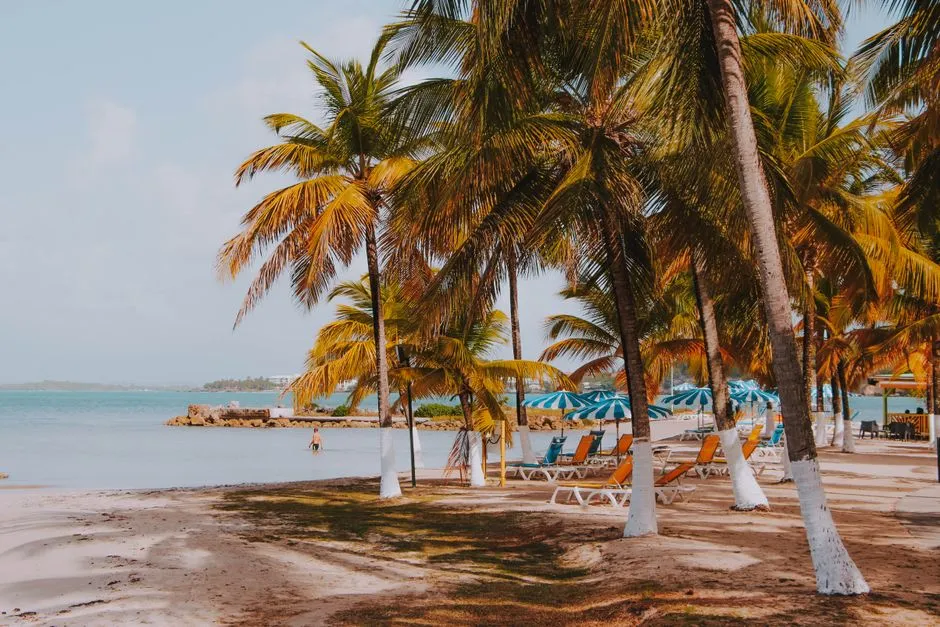
Planning your trip means weighing crowds, climate and budget. Here’s how I advise you to think it through.
- December to April (dry season): best overall period, peak of regattas and carnival, calm sea. It’s also high season, so prices are high and rentals fill quickly: book two to three months ahead
- May to June: a pleasant shoulder season, mild temperatures, nautical events still active and falling prices. My favourite window for value for money
- July to August: patron saint’s feasts, summer atmosphere and the presence of the diaspora; rentals are in demand despite the start of the rainy season
- September to November: a quieter, rainier season to plan around weather-wise, but ideal for anyone seeking calm and the best prices
A piece of field advice: during a big regatta or carnival weekend, the streets near the marina are closed off and parking becomes a headache. Better to choose accommodation within walking distance of the waterfront than an isolated villa that requires a car.
Choosing your accommodation in Saint-François
The choice of accommodation in Saint-François depends directly on your plans. Three areas stand out:
- Around the marina and the town centre: ideal for enjoying the festivities on foot, getting home late without driving and making the most of the restaurants. Best during events
- The golf and beach district (Anse à la Gourde, Raisins Clairs): more residential and quiet, perfect with family, a few minutes’ drive from the festivities
- Towards Pointe des Châteaux: nature and tranquillity, for those who want to alternate events with wide-open spaces
Think about logistics too: a rental with a kitchen lets you save on meals after an evening at the night market, and a terrace becomes precious for stretching out Creole apéritifs. If sailing really appeals to you, aiming for a place with a marina view turns every regatta into a show from your balcony.
Book your event-season stay with Hostel Toucan
To make the most of the events in Saint-François, the smart move is to stay as close to the action as possible, in a rental booked early and with no nasty surprises. At Hostel Toucan, we hand-pick seasonal rentals in Saint-François and across Grande-Terre, from a studio near the marina to a family villa on the beach side.
By booking directly, you benefit from:
- A booking with no platform fees, meaning a better price than on classified-ad sites
- Free cancellation up to 7 days before arrival, handy when an event might be postponed because of the weather
- WhatsApp support 7 days a week, to share the up-to-date schedule of regattas and nautical festivals and point you to the right neighbourhood
Discover our accommodation in our selection of rentals in Guadeloupe, plan your whole trip with our complete guide to Guadeloupe, and if you own a property in Saint-François, entrust its management to our concierge service via the owners page. The best rentals go fast during event season: get ahead of the game.
FAQ
What are the main events in Saint-François, Guadeloupe?
Saint-François concentrates mainly nautical gatherings around its marina: regattas and yacht races in the dry season, yoles rondes races during the Grande-Terre nautical festivals, and the blessing of the sea for the patron saint’s feast. To these are added carnival, the Cooks’ Festival, night markets and many Creole concerts on the waterfront.
When is the best time to watch a regatta at the Saint-François marina?
The dry season, from December to April, is ideal: the steady trade winds and calm sea favour the races, and it’s the period when regattas and sailing gatherings concentrate. It’s also peak tourist season, so it’s best to book your accommodation two to three months in advance.
Where to stay in Saint-François to enjoy the festivities?
To experience the events on foot, opt for accommodation around the marina and the town centre. For a quieter family stay, the golf and beach district (Anse à la Gourde, Raisins Clairs) is still a few minutes’ drive from the festivities, while Pointe des Châteaux offers nature and tranquillity.
Do you need a car to stay in Saint-François during the events?
For evenings at the marina, accommodation within walking distance of the waterfront avoids the parking headache, since the streets are often closed off during big weekends. A car is still recommended, however, to explore the rest of Grande-Terre and reach the more distant beaches during the day.