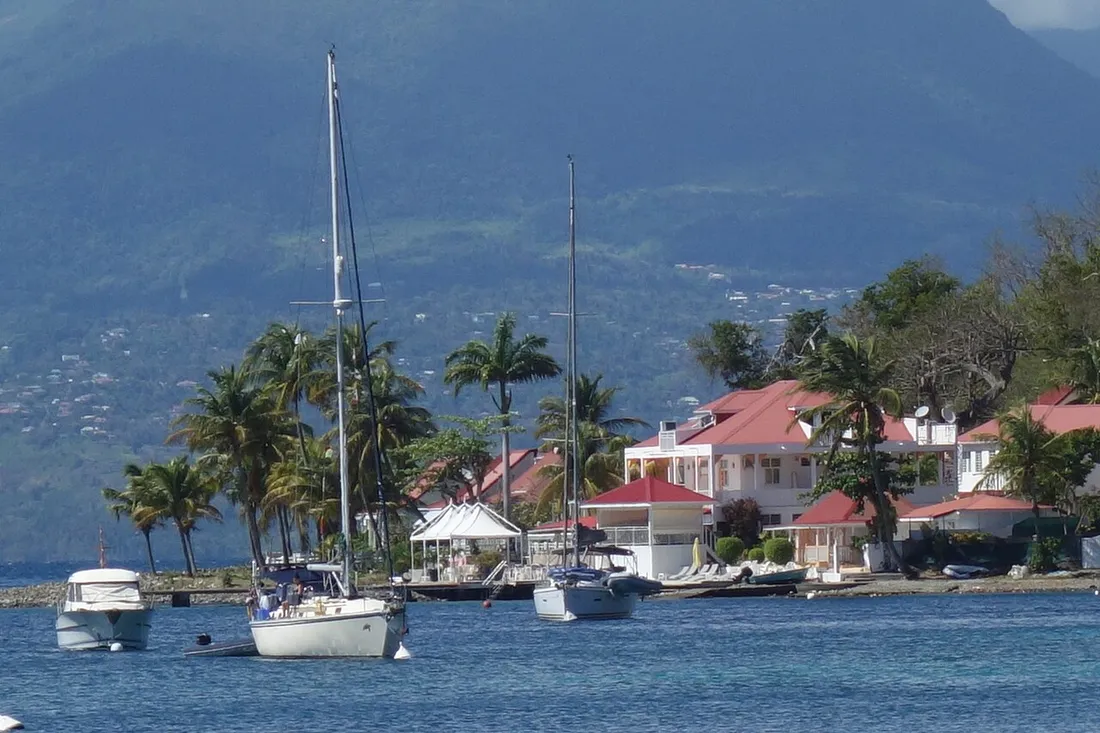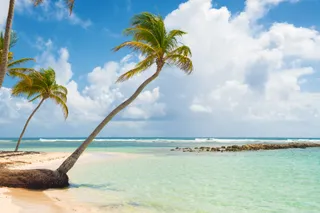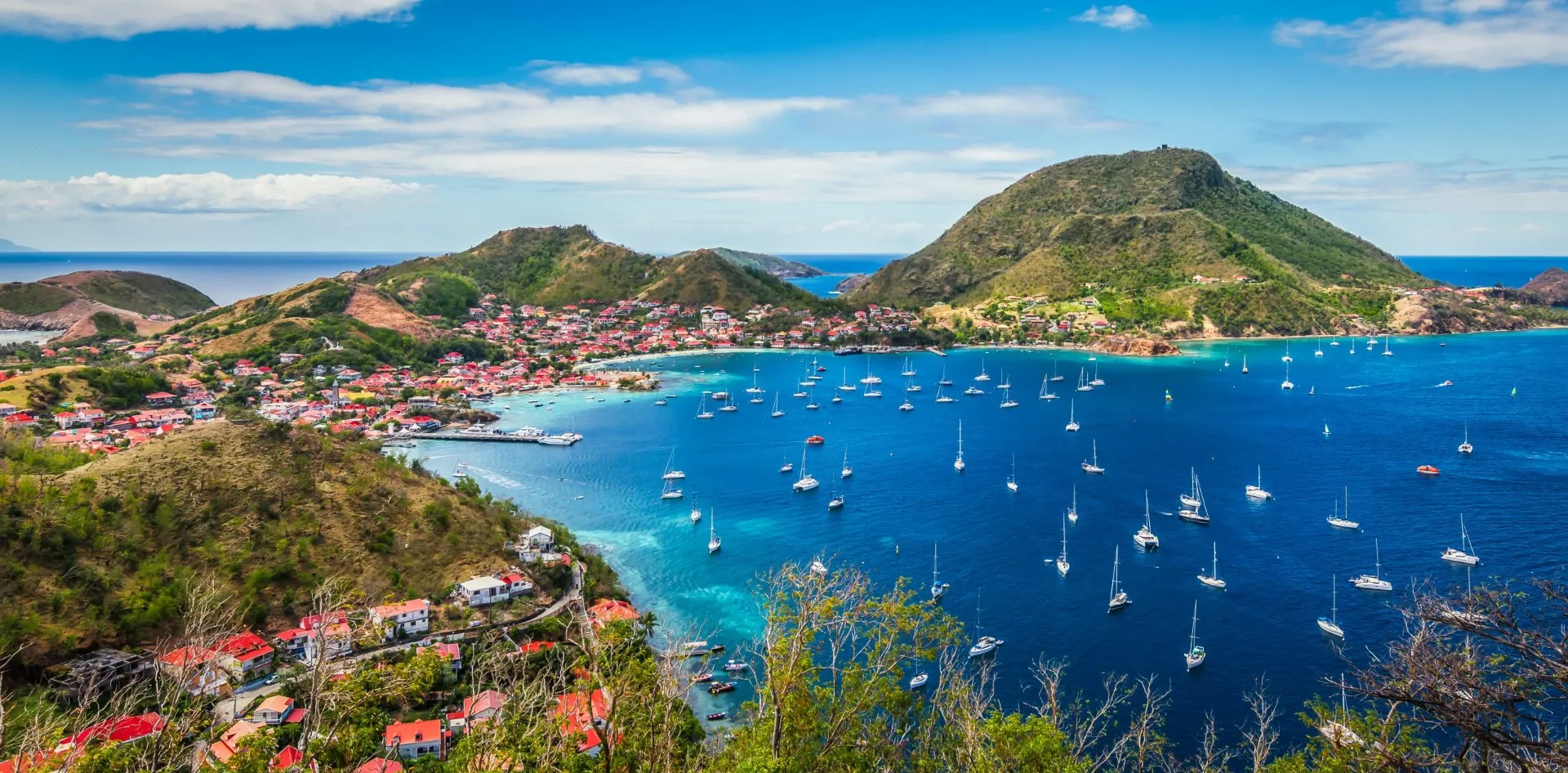
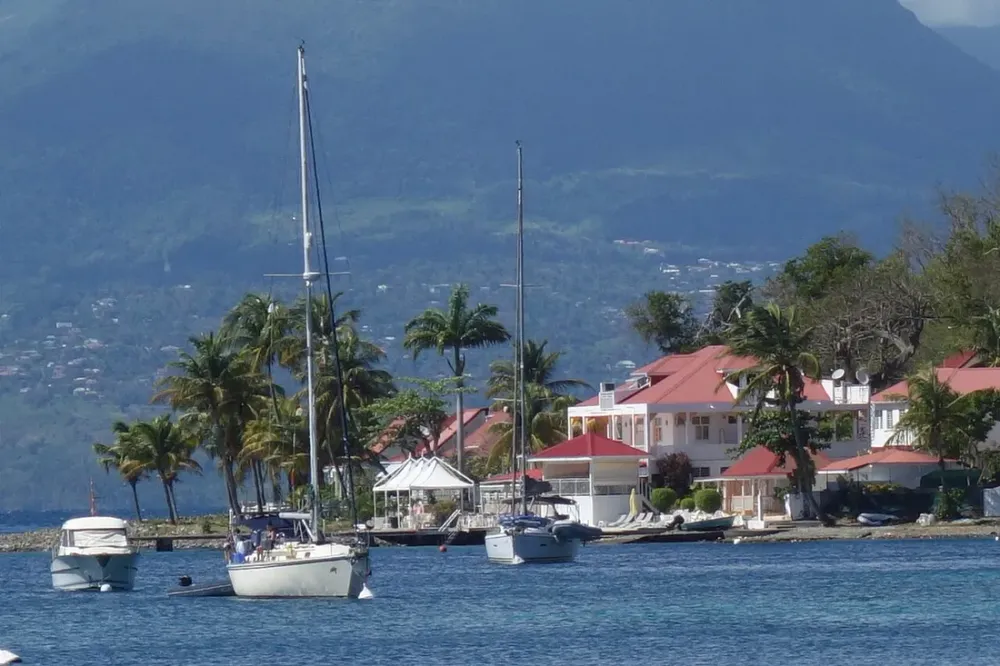
Planning your first trip to Guadeloupe and wondering where to start? Do you need a passport? Do they drive on the right? When is the best season? As a resident of the archipelago, every year I welcome dozens of travelers who land at Pôle Caraïbes with the same questions. Here are the 15 essential pointers to set off with peace of mind and make the most of the Caribbean butterfly.
Understanding where you’re setting foot
1. Guadeloupe is a French department, not a foreign country
Guadeloupe is a DROM (overseas department and region). You’re therefore still in France: same administration, same public services, same social security. The archipelago is shaped like a butterfly, with Basse-Terre as its prefecture (the volcanic side) and Pointe-à-Pitre as its economic hub. About 380,000 people live here, spread across the two wings and the neighboring islands.
2. An ID card is enough
Here’s the first piece of good news for your logistics budget: for a French citizen, a simple valid national identity card (CNI) is enough to travel, just like a trip within mainland France. No passport or visa needed. Still, check the expiry date for every family member, children included, several weeks before departure.
3. You pay in euros
No currency exchange to plan for: the currency is the euro. Bank cards are accepted everywhere in supermarkets, gas stations and most restaurants. Keep some cash for the markets, the small lolos (Creole beachside snack bars) and certain island rentals.
4. French and Creole
The official language is French: you’ll be understood everywhere. Guadeloupean Creole is the language of daily life and culture. No obstacle for you, but dropping a “Sa ka maché?” (“How’s it going?”) will always earn you a big smile.
5. The time difference to anticipate
Guadeloupe is ahead of… no, behind Paris: count on -5 h in winter (dry season) and -6 h in summer. In practical terms, when it’s noon in Paris in January, it’s 7 a.m. here. Plan a buffer day on arrival to set your rhythm, especially with children. The phone code is +590.
The climate: when to go
6. The carême, the best time
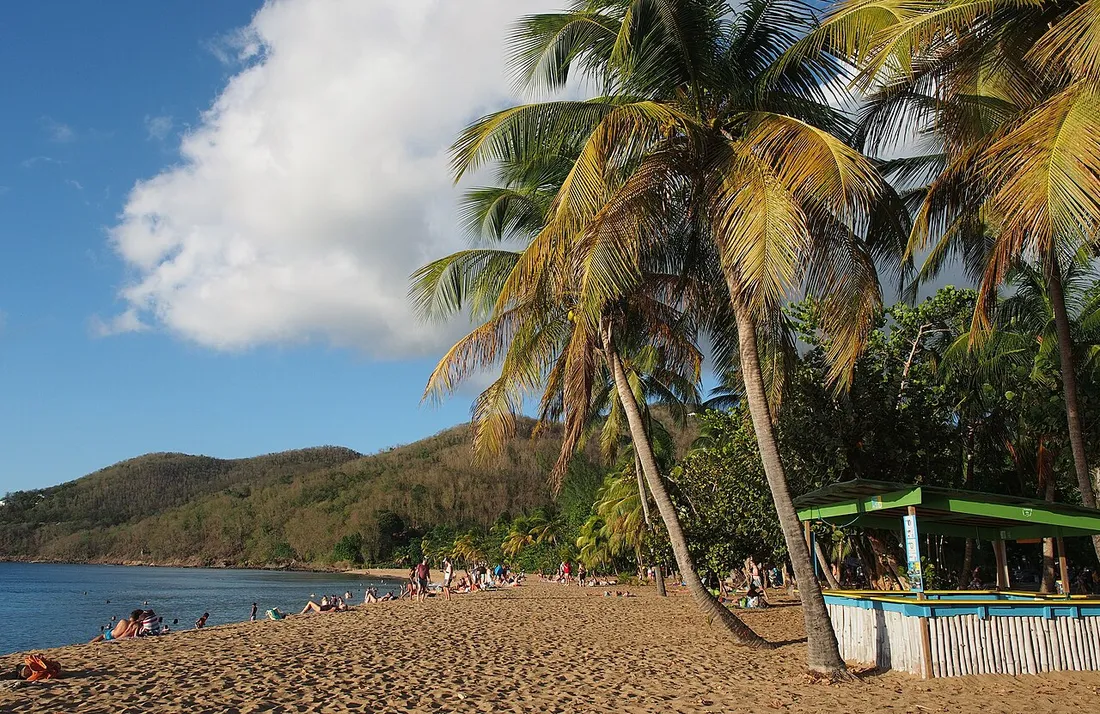
The dry season, locally called the carême, runs from December to April: it’s the ideal period, with clear skies, a calm sea and bearable heat around 28-30 °C. From July to November comes the hivernage (rainy season): more humid, hotter, and the season when cyclones may occur (peak in September).
7. The hivernage isn’t to be avoided
Traveling during the hivernage is entirely possible: the vegetation is lush, prices are softer and the showers, often brief, quickly give way to the sun. Just keep an eye on the weather and take out cancellation insurance if you’re traveling in the heart of cyclone season.
8. Mosquitoes, your real travel companion
This is the point guides often overlook. Mosquitoes are present all year round, especially at sunrise and sunset, and more so near the mangrove. Bring an effective repellent, light covering clothing for the evenings, and choose accommodation equipped with mosquito nets or air conditioning. It’s the basic rule of comfort on the ground.
Getting around the archipelago
9. A rental car, almost essential
People drive on the right, the French license is valid, the road signs are identical to mainland France. But public transport is limited: to explore freely, rent a car right from the airport. Count on about €35 to €55 per day depending on the season and the model. Book ahead in high season, as stock goes fast.
10. The distances are short, the roads winding
The archipelago is compact, but don’t trust the mileage. A few rough estimates from Pointe-à-Pitre:
- Sainte-Anne (Grande-Terre, beaches): ~30 min
- Saint-François / Pointe des Châteaux: ~45 min to 1 h
- Deshaies (Basse-Terre, botanical garden): ~1 h
- Malendure / Réserve Cousteau: ~1 h
- Soufrière / Chutes du Carbet: ~1 h 15 to 1 h 30
The roads of Basse-Terre wind through the forest: drive carefully and allow plenty of time.
11. Two wings, two atmospheres
Organizing your stay well means understanding the geography of the butterfly:
- Grande-Terre (limestone, flat): turquoise beaches, seaside life, lively towns like Le Gosier, Sainte-Anne, Saint-François, Le Moule. The famous Caravelle beach in Sainte-Anne is here.
- Basse-Terre (volcanic, mountainous): the Soufrière (1,467 m) volcano, the Chutes du Carbet, the National Park, the tropical forest and the sublime Grande Anse beach in Deshaies.
Many first-time travelers stay on the Grande-Terre side for the beaches and make day trips to Basse-Terre.