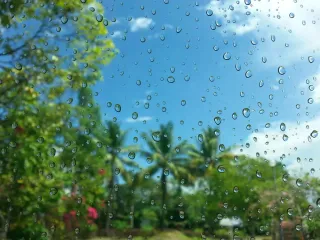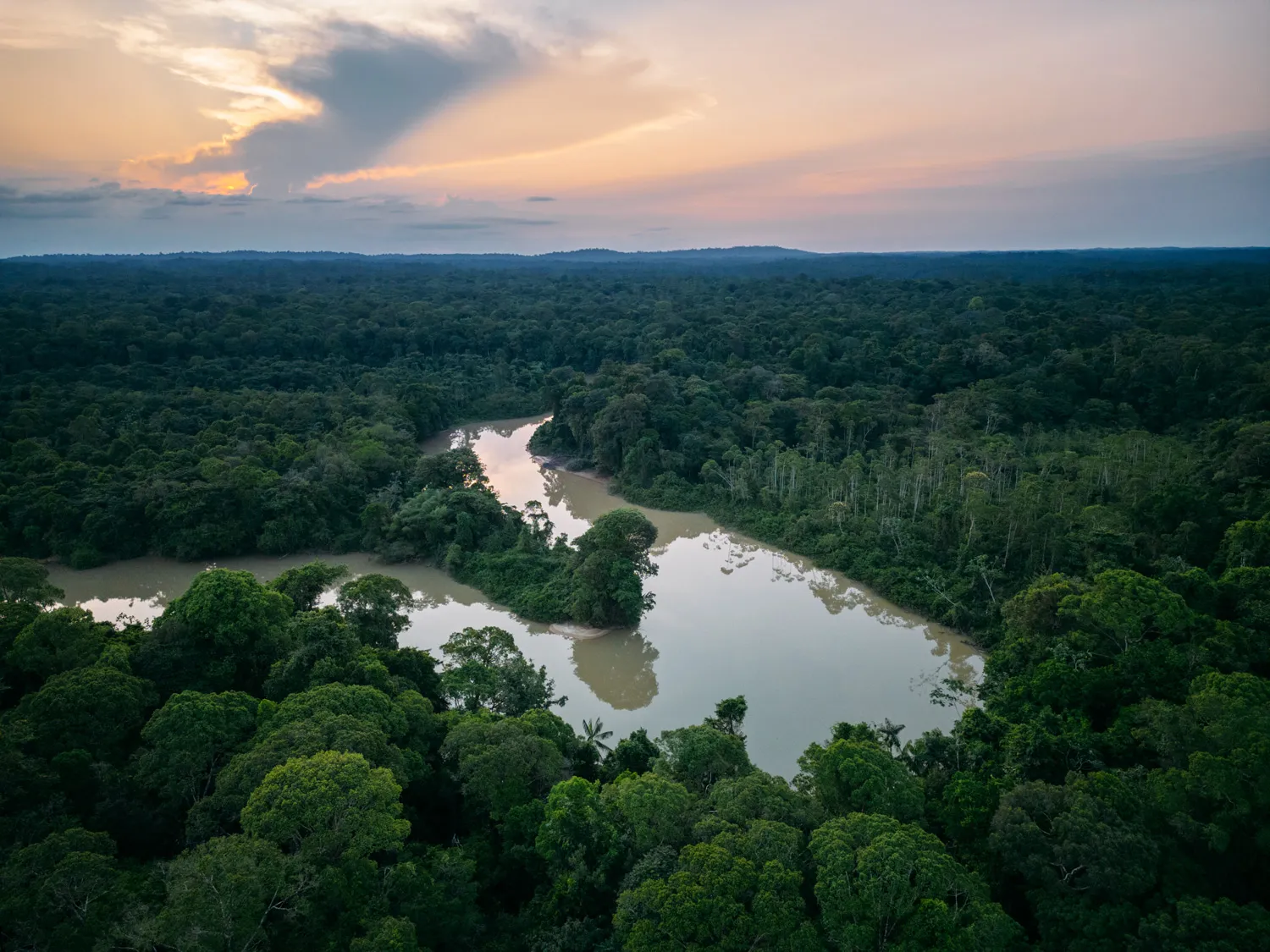
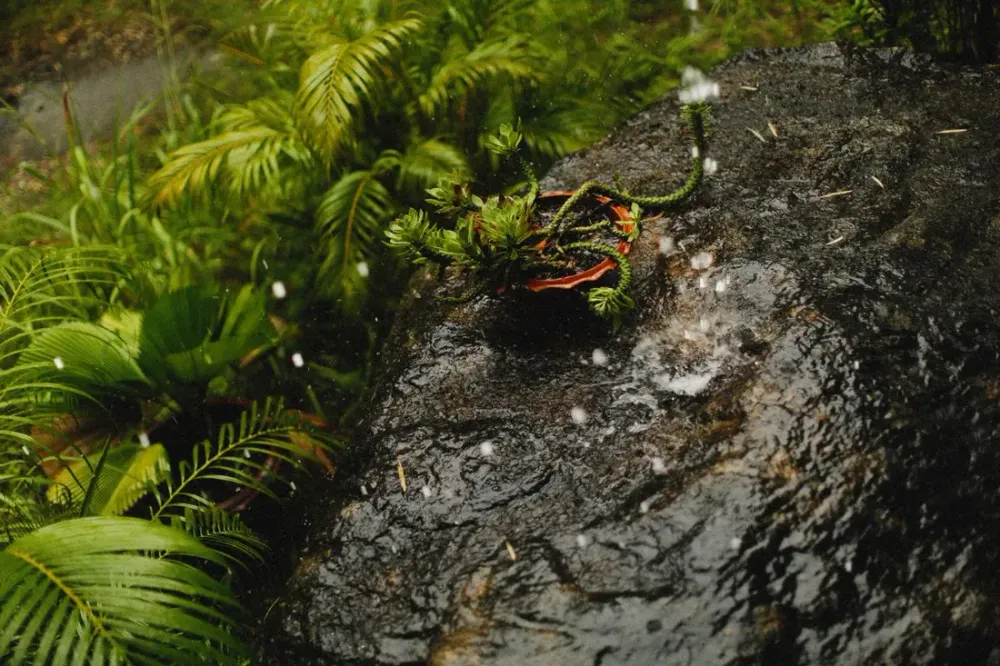
You’ve surely been told to come between July and late November, during the dry season. That’s true if you’re after turtle beaches and mud-free trails. But after several years living here and welcoming travelers, I can assure you: French Guiana in the rainy season has a face the brochures never show. The forest overflows, the rivers swell, the waterfalls roar, prices drop and the sites empty out. As long as you know how to organize yourself, it’s a magnificent season to discover this French department of South America.
Understanding the rainy season in French Guiana
French Guiana has an equatorial climate: it’s hot (27 to 30 °C) all year round. What changes is the rain. The dry season runs from July to late November. The rest of the year is the rainy season, with two peaks: a first wet season from December to February, a brief and sometimes dry “little summer of March,” then the heavy rainy season from April to June, the wettest of all.
What a rainy day here really looks like
First thing to know: it almost never rains all day long. The showers are intense but short, often in the early morning hours or early afternoon. In between, the sun returns and the light on the canopy is spectacular. In practice, you keep several dry windows each day to get out and about. The classic visitor mistake is to cancel the day’s plans at the first drops, when a shower passes in twenty minutes.
A few concrete pointers for your gear:
- Pack a lightweight waterproof jacket and quick-drying sandals rather than a bulky rain coat.
- Put your devices in waterproof bags: humidity is constant.
- Always keep a dry change of clothes in the car.
- A car remains essential: budget 35 to 60 €/day for rental, and favor a vehicle with a bit of ground clearance for waterlogged trails.
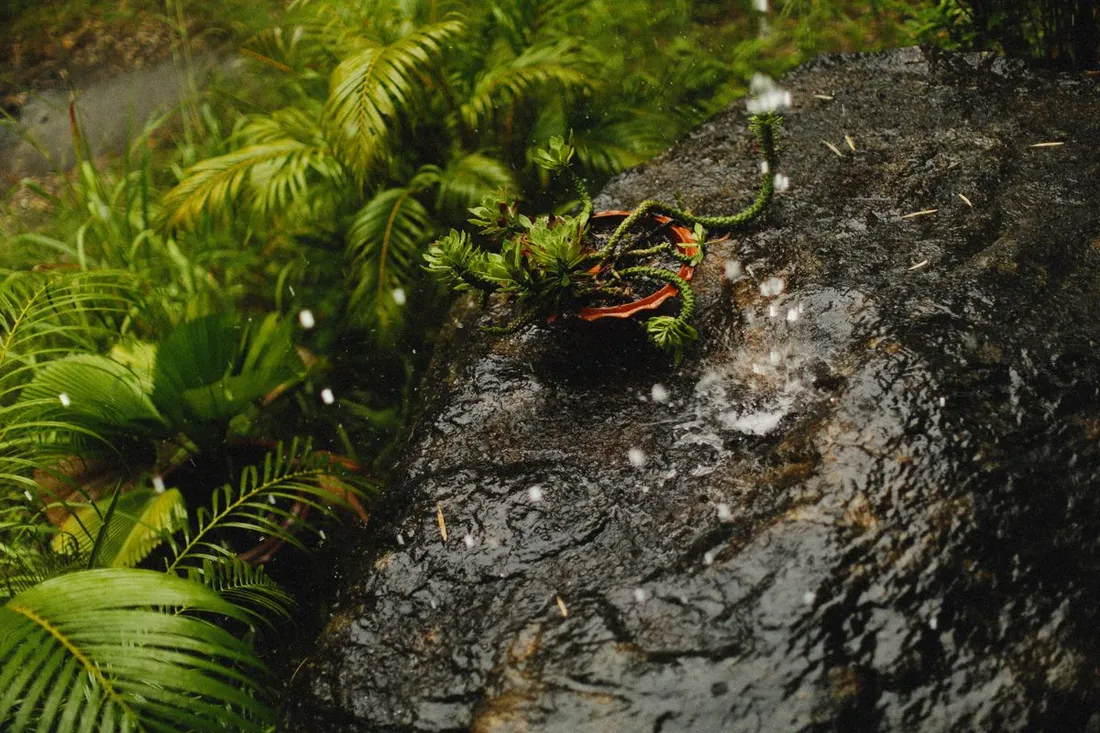
What to do in French Guiana when it rains: the activities that stay great
Good news: a large share of French Guiana’s highlights work very well, even better, in the rain.
The Guiana Space Centre, the ultimate all-weather activity
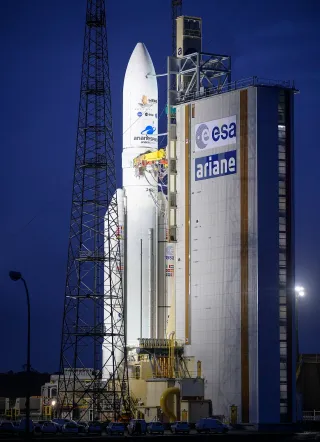
In Kourou (1 hour’s drive from Cayenne), the visit to the Guiana Space Centre is free and largely covered. You discover the history of Ariane, the launch sites for Ariane 6 and Vega, and the Space Museum. Book in advance (photo ID required), plan on half a day. If a launch is scheduled during your stay, it’s an unforgettable spectacle, and rain doesn’t stop the liftoff. It’s the number-one activity to slot in on the wettest days.
Markets, culture and heritage under cover
Cayenne is easily explored between showers:
- The Cayenne market (Wednesday, Friday, Saturday morning): awara broth, Chinese soup, spices, Amerindian basketry. You stay dry under the covered halls.
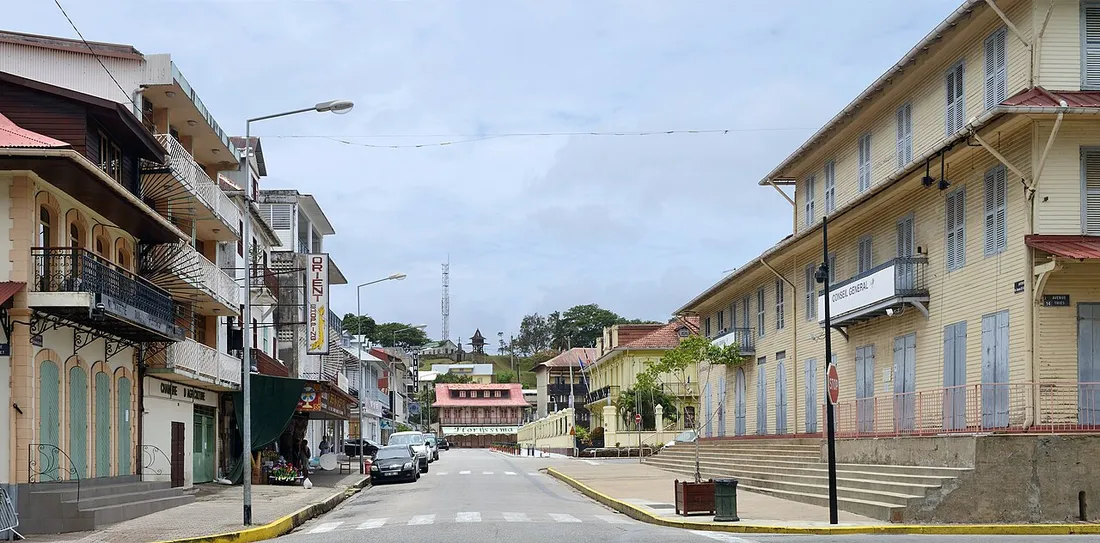
- A stroll around the Place des Palmistes and the colorful Creole houses.
- Over in Saint-Laurent-du-Maroni (3 hours from Cayenne), the guided tour of the Camp de la Transportation, the former penal colony, is fascinating and partly covered. Expect 7 to 10 € for the guided tour.
Cacao and the Hmong community
An hour and a half from Cayenne, the village of Cacao is worth the detour, especially on Sunday for its market: pho soup, bo bun, Hmong embroidery. The road winds through a forest that, swollen by the rains, takes on the look of primary jungle. An insect museum rounds out the outing under cover.
Swollen nature: the real privilege of the wet season
This is where the rainy season takes its revenge on the dry season.
Waterfalls and rivers at their peak
The creeks and waterfalls are at maximum flow. The walks around Roura and the Cacao region, the sauts (rapids) on the rivers, everything is more powerful and greener. The pirogue trip on the Maroni River from Saint-Laurent remains doable: with high waters, the Bushinengé boatmen go further upstream. Expect 40 to 70 € for a half-day outing depending on the route.
The Kaw marshes at daybreak
The Kaw marshes (about 2 hours from Cayenne, including a stretch of dirt track) are a marvel in any season. In the wet period, the vegetation explodes and the black caimans remain observable during nighttime pirogue outings. Book a night in a floating carbet: expect 80 to 120 € per person with caiman outing and sunrise. Departures adapt to weather windows, which is why a local guide is so valuable.
Reserves and deep forest
The Nouragues reserve and forest expeditions remain accessible to well-equipped and well-guided travelers. Wildlife is active, the canopy dripping, and you’ll come across far fewer people. Just plan for longer travel times on the trails.
What you should be ready to postpone or anticipate
Let’s be honest, some plans call for flexibility:
- Awala-Yalimapo and the nesting of the leatherback turtles: the main nesting season centers on the dry season (April to July depending on the year). Ask around once on site.
- The Salvation Islands from Kourou: the crossing (about 1 hour, 45 to 60 € round trip) can be pushed back by rough seas. Keep a buffer day.
- The long forest tracks can become difficult; check their condition before setting off.