Let’s clear it up right away: the rainy season in Guadeloupe is nothing like a monsoon that would drown your holiday. Here it’s called the hivernage, and it runs from June to November. After several years welcoming travellers between Sainte-Anne and Deshaies, I can assure you of this: a stay in July or August is still overwhelmingly sunny. This article dismantles the myth of the ruined trip, describes a real day in the wet season, and gives you a concrete plan B for every passing shower.
Understanding the hivernage in Guadeloupe: what the clouds really mean
Guadeloupe lives to the rhythm of two seasons. The carême (Lent), from December to April, is dry and in high demand. The hivernage, from June to November, is hotter (29 to 32 °C during the day), more humid, with a sea at 28–29 °C — a real bath.
Short showers, mostly at night and in the morning
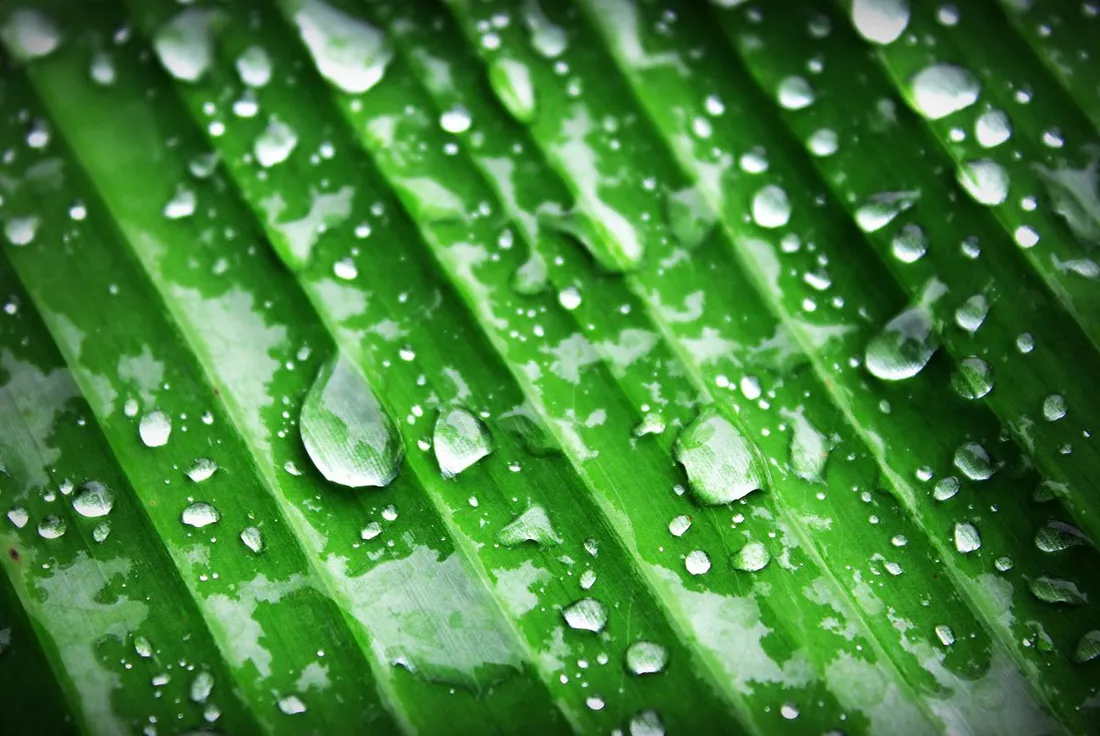
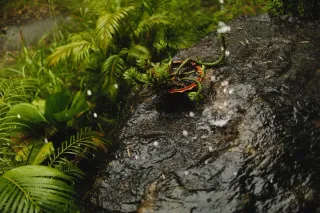
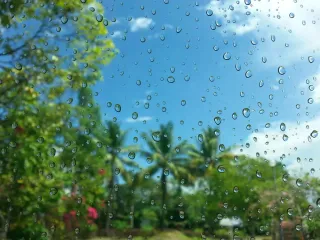
The typical scenario of a July or August day is one I live through every year: a heavy shower around 5 or 6 a.m. that rinses everything off in 20 to 40 minutes, then wide blue skies by 8 a.m. It may rain again for 10 minutes in mid-afternoon, and off you go. Entirely grey days can be counted on the fingers of one hand over a two-week stay.
Three key points to remember:
- The rain is very localised. It can pour down at Bouillante on the Basse-Terre side while Caravelle beach in Sainte-Anne stays dry. Grande-Terre, flat and limestone, gets about half as much rain as the flanks of the Soufrière.
- Rain in Guadeloupe in July: around 11 to 14 days with showers, but a “rainy day” most often means 30 minutes of water over 12 hours of daylight.
- September and October are the wettest months and the statistical heart of the hurricane season (officially June to November). It’s the only period where I advise genuine vigilance: follow the Météo-France bulletins and take out cancellation insurance.
The hivernage is also nature’s most beautiful season
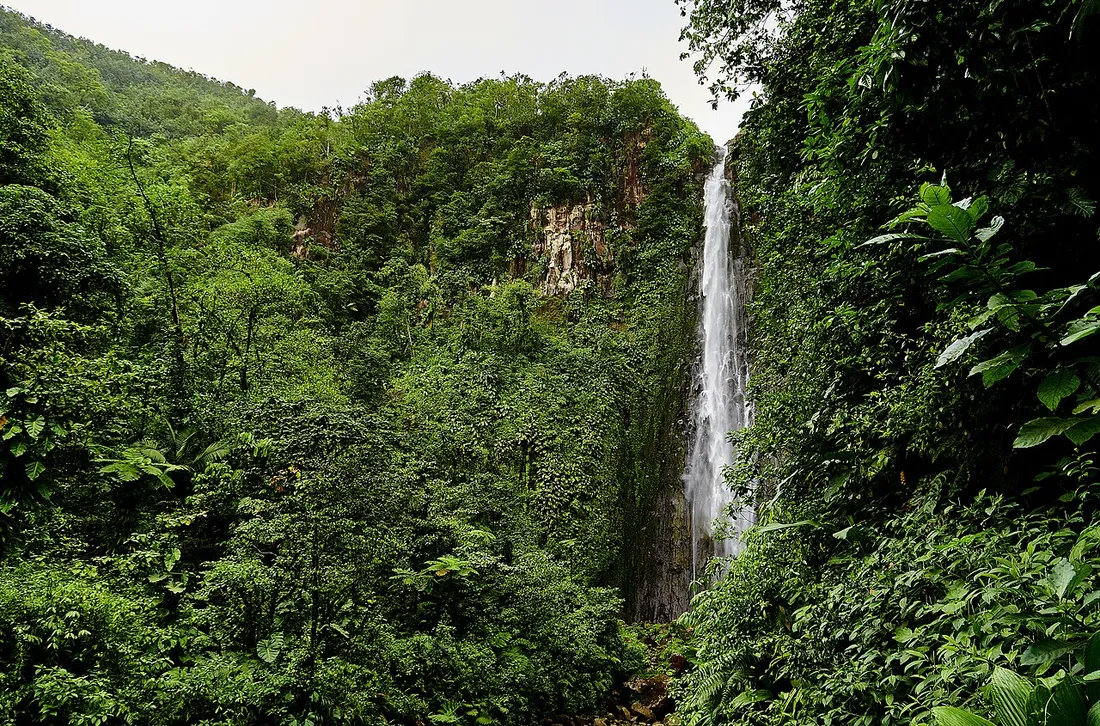
What the brochures forget to mention: it’s during the hivernage that Basse-Terre is at its most spectacular. The Carbet Falls flow at full force, the tropical forest of the National Park is a saturated green you never see in March, the mango stalls are overflowing, and the beaches — Grande Anse in Deshaies first among them — are half empty.
What to do in Guadeloupe during the rainy season: the permanent plan B
The secret to a successful hivernage stay comes down to one sentence: keep a flexible programme and switch over to the Grande-Terre side or head indoors when a shower sets in. Here are my sure bets, tested with dozens of travellers.
The activities that laugh off the rain
- Diving and snorkelling at the Cousteau Reserve (Malendure, Pigeon Islets): underwater, rain or shine, visibility stays good outside of heavy swell. Count on 55 to 70 € for an intro dive, 25 € for a fins-mask-snorkel outing on a glass-bottom boat. And the water is 29 °C in August.
- Rivers and pools of Basse-Terre: the second Carbet waterfall (30 to 45 minutes’ walk, entry around 2.50 €) is even more impressive after a rainy night. Just avoid canyoning after a big shower — the local guides reschedule of their own accord.
- Rum distilleries: a classic for grey days. On Marie-Galante (1 hour crossing from Pointe-à-Pitre or Saint-François, about 45 € return), do Bielle, Bellevue and Père Labat in a row. Visits free or nearly so, tasting included.
- Mémorial ACTe in Pointe-à-Pitre: 2 to 3 hours in this centre dedicated to the memory of slavery, entry around 15 €. Combine it with the covered market and its spices, a 10-minute walk away.
- Markets and Creole cooking: Sainte-Anne night market, Le Gosier covered halls, Creole cooking classes (40 to 60 € for 3 hours). A shower outside, accras inside: no one has ever complained.
Windows of good weather: go for it
As soon as the sky opens up — and it opens fast — keep these outings up your sleeve:
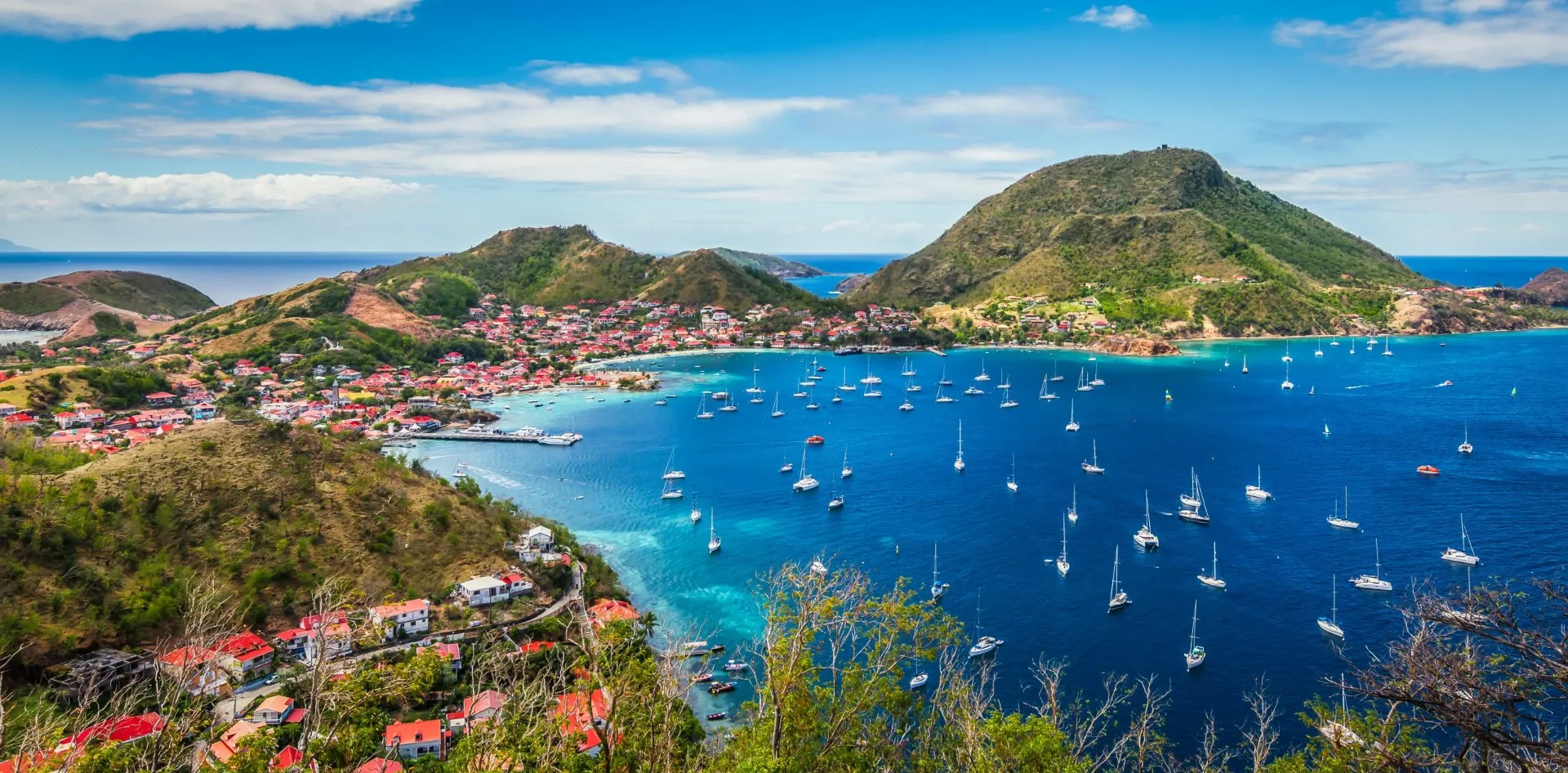
- The Saintes for the day: 20 minutes’ crossing from Trois-Rivières (about 25 € return), the bay of Terre-de-Haut is ranked among the most beautiful in the world. In August, you’ll have the Pain de Sucre almost to yourself.
- The Soufrière (1,467 m): set off before 7 a.m.; the summit often clears in early morning even in the hivernage. 3 to 4 hours round trip from the Bains Jaunes.
- Pointe des Châteaux at sunrise, then a beach morning at Caravelle or Bois Jolan before the possible 2 p.m. shower.