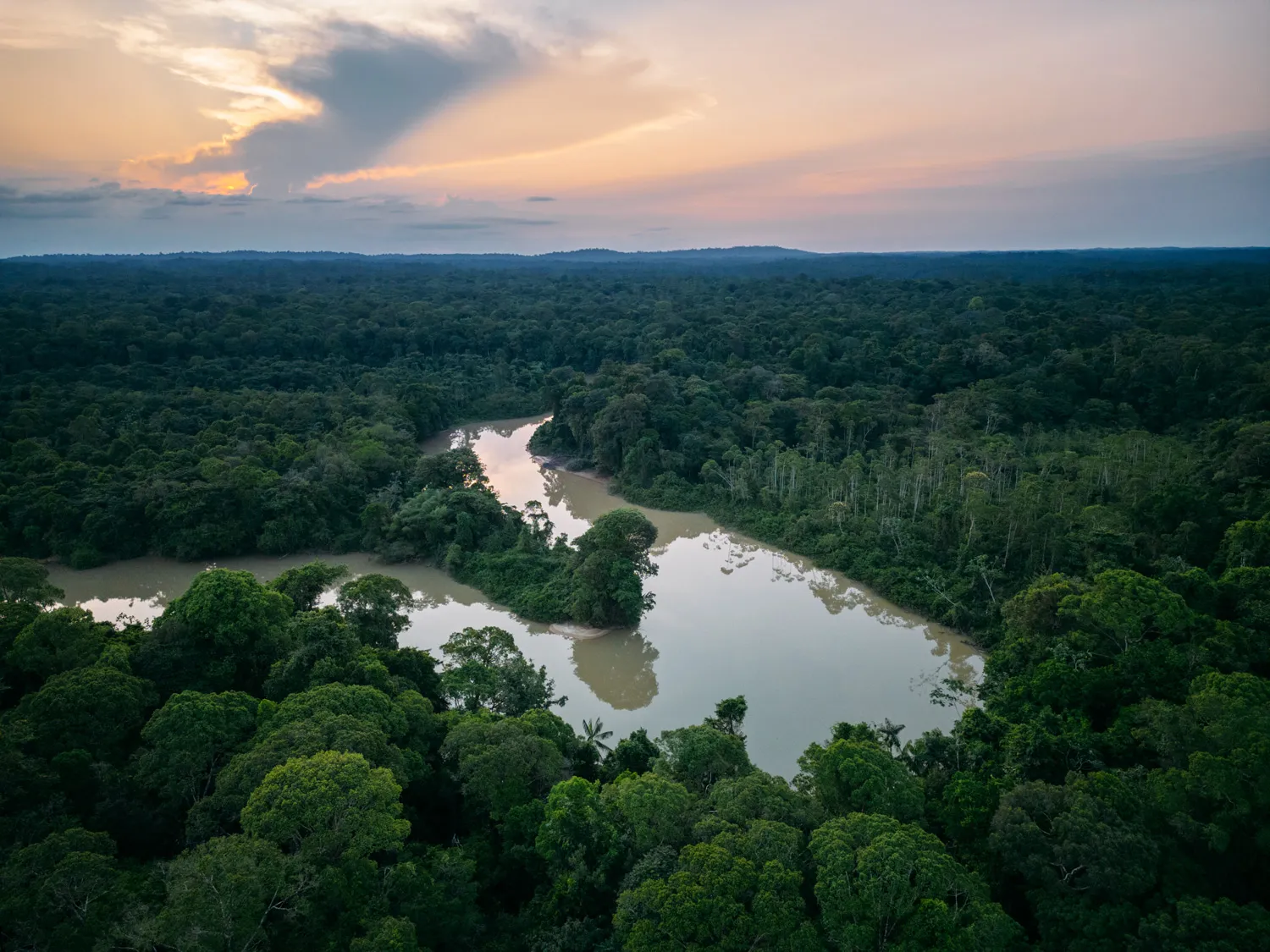
French Guiana is a destination unlike any other: the only Amazonian territory in the European Union, it blends dense equatorial rainforest, majestic rivers, wild beaches and the legendary Guiana Space Centre, from which European rockets take to the skies. Far from mass tourism, this French overseas department offers spectacular nature, a unique cultural mosaic (Creole, Amerindian, Bushinengue, Hmong, Brazilian) and a flavourful blend of culinary traditions. Whether you’re planning a first trip or a return to your roots, here is a complete and practical guide to organising your 2026 stay, from the best time to go to the must-sees, along with budget, transport and tips for finding the right place to stay.
When to go to French Guiana?
The Guianese climate is equatorial: hot and humid all year round, with a stable temperature between 26 and 30 °C and high humidity. What changes is the rain. There are broadly two seasons:
- The dry season, from July to November, remains the ideal time to travel: passable tracks, clearer skies, easier wildlife watching and optimal conditions for pirogue or forest excursions.
- The rainy season, from December to June, is broken up by a lull known as the “petit été de mars” (little March summer). The vegetation is a brilliant green, the waterfalls more generous and prices often gentler, but expect short, intense tropical downpours.
To fine-tune your choice according to your interests (rocket launches, sea turtle nesting, wildlife watching), see our detailed article on the best time to visit French Guiana. One piece of advice valid all year round: bring an effective insect repellent, lightweight covering clothing and a light raincoat.
How to get to French Guiana and get around?
French Guiana is reached by plane, mainly from Paris-Orly, with a direct flight of around 8 to 9 hours to Félix-Éboué airport, near Cayenne. There are also flights connecting the French West Indies (Martinique, Guadeloupe) in just a few hours. Book early, especially in high season and during school holidays, as prices rise quickly.
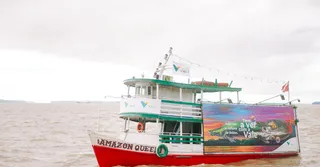
Once there, a car is virtually essential. Public transport remains limited and the points of interest are far apart along the national road that runs along the coast. Renting a vehicle gives you the freedom to reach Kourou, Sinnamary or Saint-Laurent-du-Maroni at your own pace. Remember to book ahead through our car rental service, particularly useful for the long coastal distances. For excursions deep into the forest or along the rivers, you’ll then switch to pirogues and local guides.
Cayenne, the beating heart of French Guiana
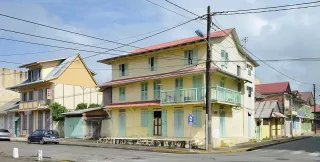
A lively, multicultural capital, Cayenne deserves at least a full day of exploration. Wander through the old town with its colourful Creole houses, climb up to Fort Cépérou for the view over the estuary, and don’t miss the Cayenne market (especially at weekends), where spices, tropical fruits, Hmong dishes and bouquets of flowers come together. The Place des Palmistes, shaded by royal palms, is perfect for a break.
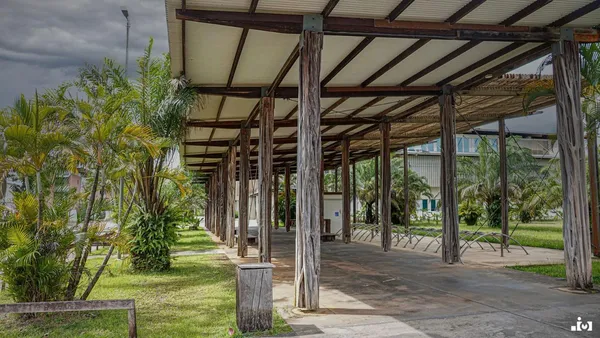
To make the most of the best spots, walks and local specialities, browse our dedicated guide: what to do in Cayenne. The city also makes the ideal base for venturing out across the rest of the territory, and staying in the tropical-wood apartments of the Cayenne Chic residence, in the Zac Hibiscus district keeps you about ten minutes from the market and the old town while leaving the coastal road clear for day trips.
Kourou and the Guiana Space Centre
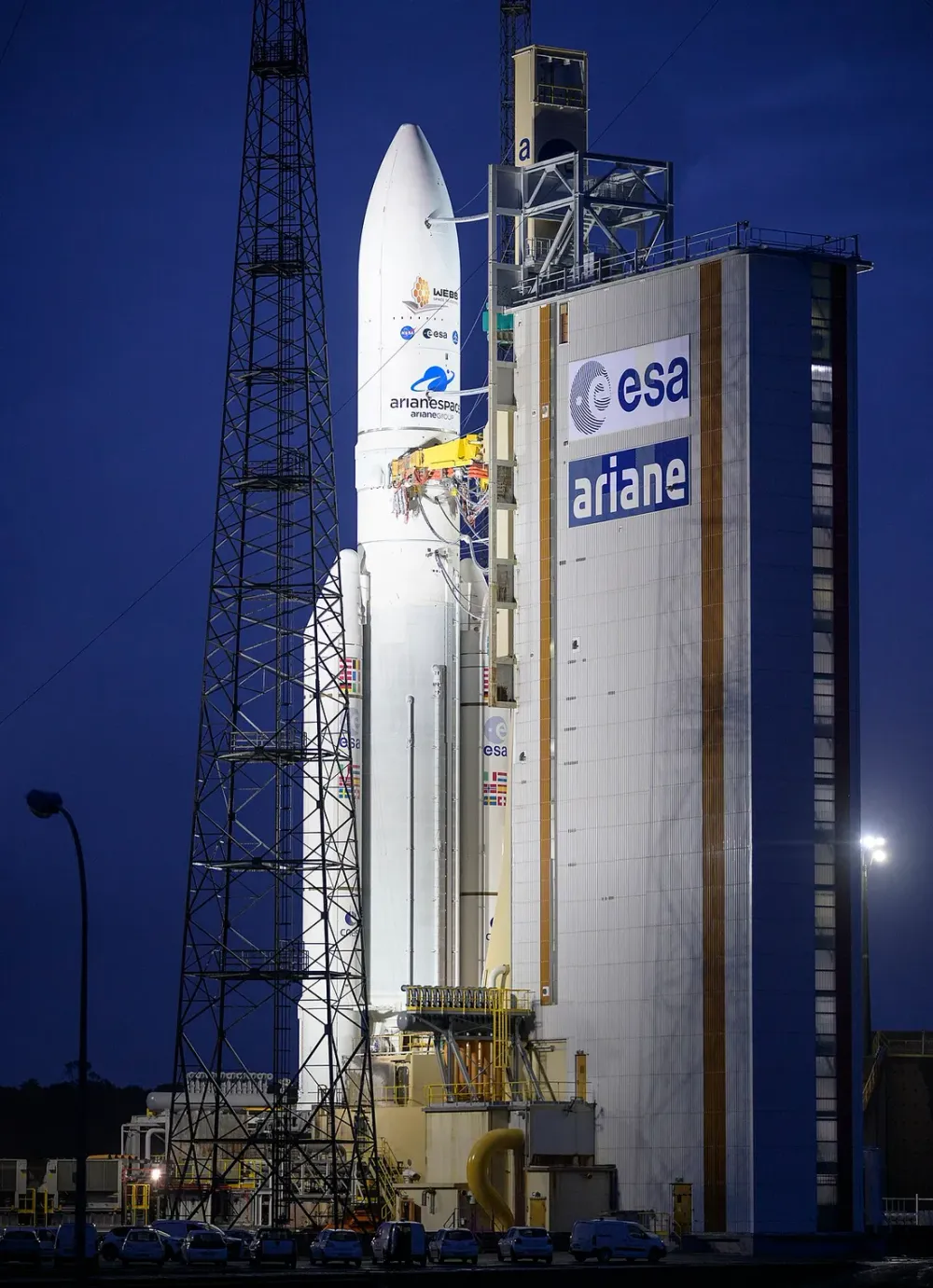
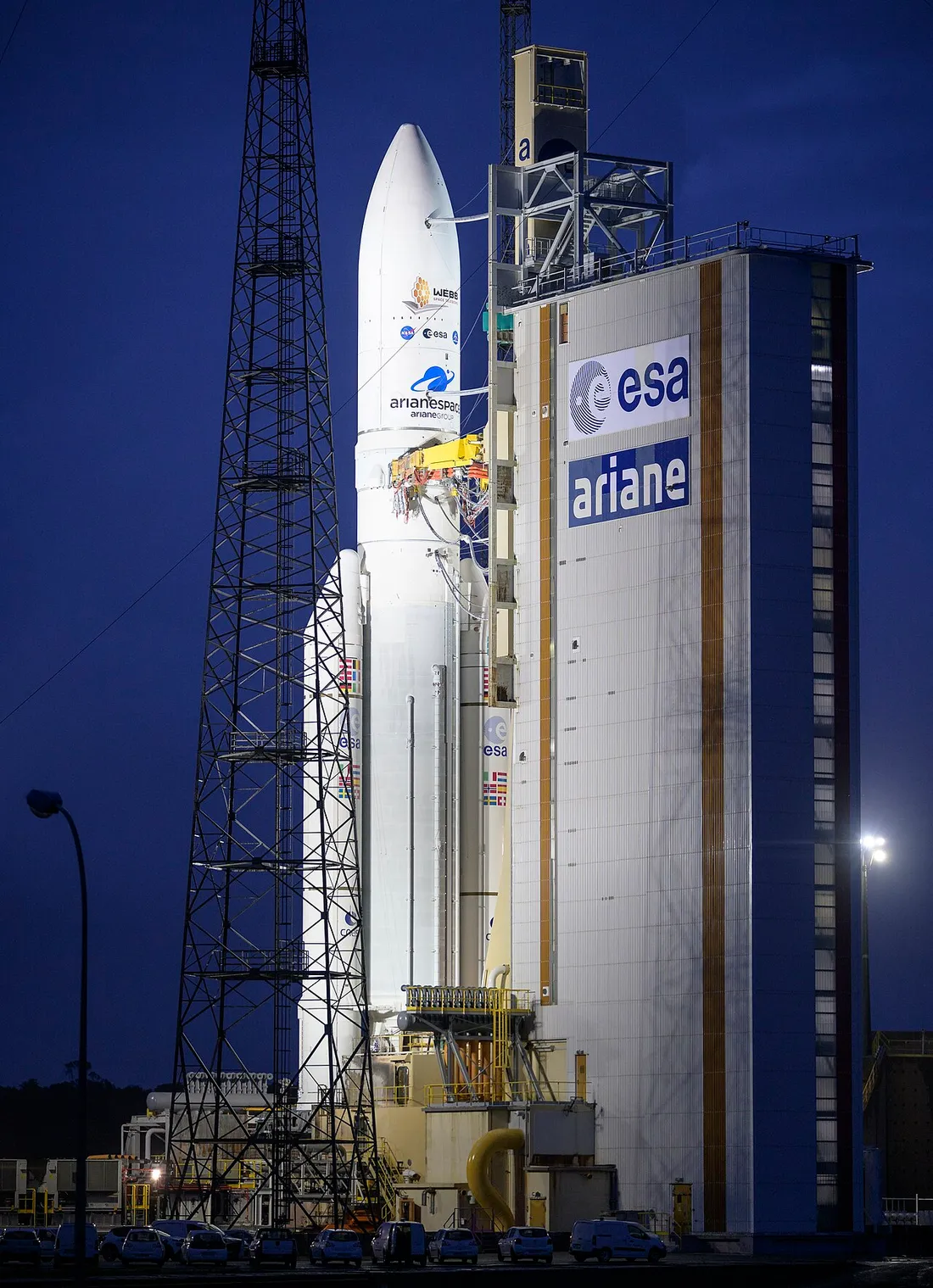
It’s impossible to visit French Guiana without taking an interest in Kourou and its Guiana Space Centre (CSG), Europe’s spaceport. Guided tours of the site are available by reservation (be sure to book ahead and bring photo ID). The Space Museum is the perfect complement to the visit.
If your stay coincides with a launch (Ariane, Vega), the experience is unforgettable: depending on conditions, the lift-off can be watched from several points along the coast. Check locally and with official bodies for dates and authorised viewing areas. We explain everything in our article on visiting the Kourou Space Centre.
The Salvation Islands, between history and nature
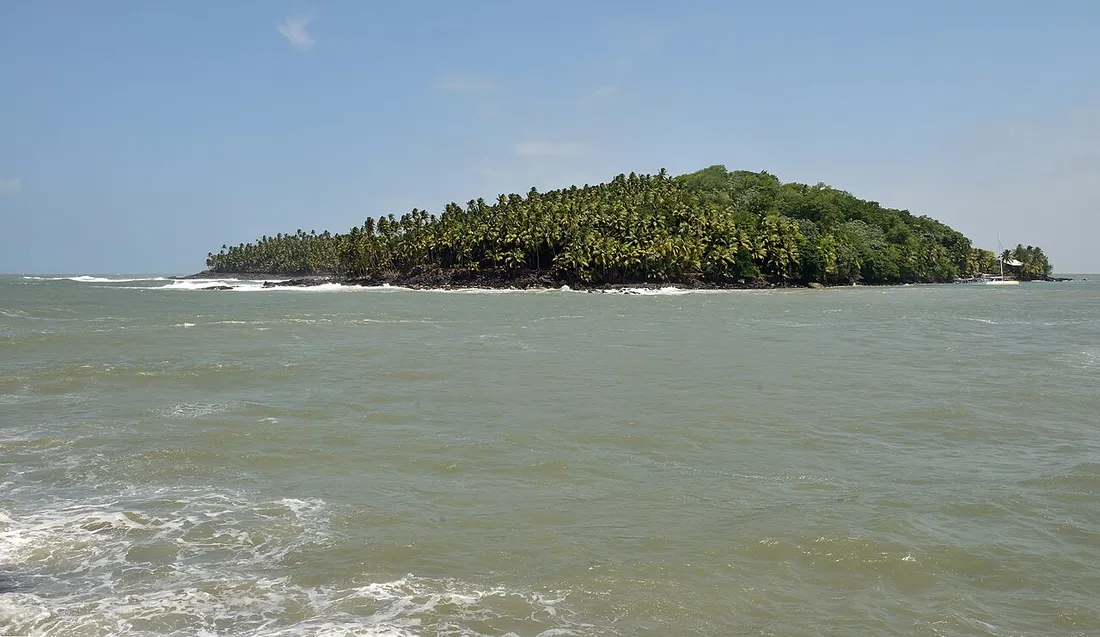
Off the coast of Kourou, the Salvation Islands archipelago (Île Royale, Île Saint-Joseph and the famous Île du Diable) is home to the remains of the former penal colony. You reach it by catamaran from Kourou for a day trip or an overnight stay. Shaded trails, history-laden ruins, turquoise waters and ever-present wildlife (monkeys, agoutis, birds) make for a timeless escape.
Allow about an hour for the crossing, depending on the vessel and the weather. Book your place in advance, especially in high season. Our complete guide to the Salvation Islands will help you prepare for this flagship excursion.