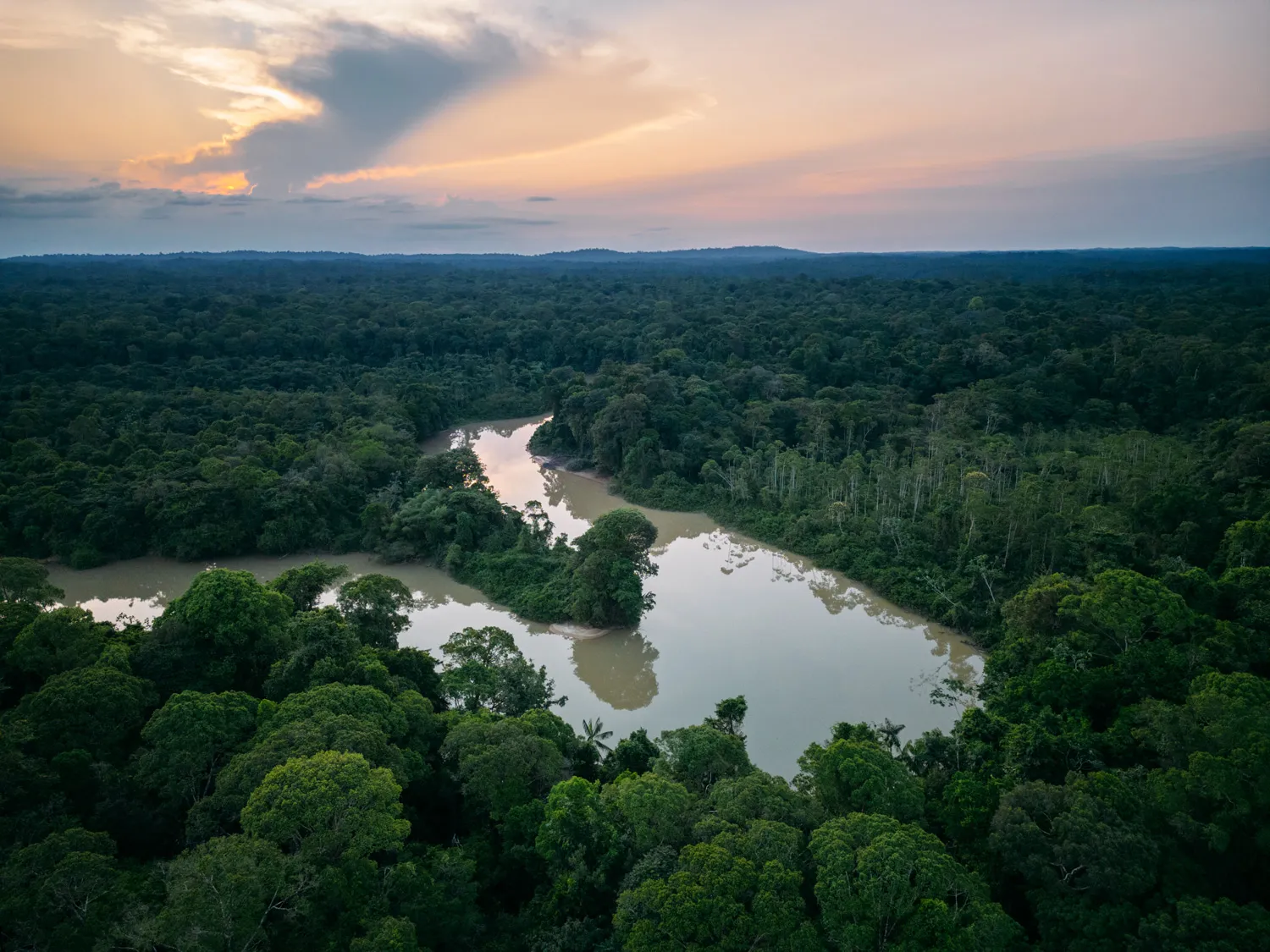

Organising a professional group’s trip to the French overseas territories raises far more concrete questions than a simple leisure stay. When a company sends a team to Martinique for a seminar, trainers to Guadeloupe for a session lasting several weeks, or engineers to French Guiana on a long-term project, accommodation logistics come bundled with accounting and tax requirements: the invoice must be issued in the company’s name, the expense must fit into an acceptable expense report, payment often goes through bank transfer, and VAT must appear clearly. This is precisely where para-hotel status changes everything compared with a classic seasonal rental between private individuals. This guide takes stock, territory by territory, of what you need to check before booking group or medium-/long-term accommodation in the French Antilles and Guiana.
Why professional accommodation isn’t booked like a leisure stay
A corporate stay doesn’t follow the same rules as a family weekend. The accounting department that receives the expense needs precise supporting documents, and the employee who fronts the costs wants to be certain of being reimbursed without friction. Three main differences set professional bookings apart:
- The supporting document: a rental between private individuals rarely issues a proper invoice. A para-hotel provider, on the other hand, invoices in the company’s name with a business registration number, a VAT mention and a breakdown of services.
- The payment method: companies readily pay by bank transfer, against a quote validated in advance, rather than with a personal card on a mainstream platform.
- The duration: training sessions, missions and projects often stretch over several weeks, even several months. The rates and conditions of a long stay have nothing to do with those of an isolated overnight stay.
The para-hotel differentiator
Para-hotel accommodation refers to a furnished rental activity coupled with para-hotel services (reception, cleaning, linen supply, etc.). In practical terms, for a company, this translates into a contact who operates like a classic B2B provider: quote, compliant invoice, adapted payment conditions. This framework greatly facilitates validating an expense in accounting, whereas a booking via a peer-to-peer platform often leaves the employee with a simple receipt that’s hard to put through as an expense.
Invoice in the company’s name and compliant expense report
The cornerstone of a professional stay is the invoice. To be usable by an accounting department, it must at minimum include:
- the provider’s identity and address, with their business registration number;
- the full identity of the client company (company name, address);
- the date of issue and a unique invoice number;
- the breakdown of services (nights, period, any associated services);
- the amount excluding tax, the VAT rate and amount, and the total including tax.
An expense report is deemed compliant when it is based on this type of named supporting document. Conversely, a simple booking statement from a mainstream platform, often in a private individual’s name, may be refused or complicate the employee’s reimbursement. Requesting a sample invoice in advance avoids nasty surprises upon returning from the mission.
What the accounting department really looks at
Beyond form, accounting checks the consistency between the expense and the professional purpose of the trip. A stay clearly linked to a training session, a seminar or a mission, with an invoice in the company’s name and an identifiable reason, goes through without difficulty. This is why it’s useful to specify the context as early as the quote (“sales team seminar”, “technical mission”, “training”), so that the invoice wording reflects the activity.
Payment by bank transfer and VAT: the B2B framework
Companies favour bank transfer for several reasons: traceability, no personal advance by an employee, and direct attachment to the company’s account. A para-hotel provider used to professional clients generally offers:
- a prior quote detailing the service and conditions;
- payment by bank transfer (deposit then balance, or payment on receipt depending on the case);
- a paid invoice once payment is collected.
The question of VAT
Depending on the nature of the activity and the provider’s tax regime, VAT may apply to para-hotel accommodation services. For a taxable company, an invoice clearly showing VAT opens up, under ordinary law conditions, the possibility of recovering this tax. The precise recovery rules depend on each company’s tax situation: it is prudent to have the treatment validated by your accountant. The key point on the accommodation side is simple: VAT must appear clearly on the invoice for the question to even arise. As rates and terms change, treat this element as indicative and consult your chartered accountant for your case.
Housing a group: the configurations that work
A professional group has specific needs: proximity of participants, common spaces to work or meet, and a controlled budget. Several formats exist in the French Antilles and Guiana.
Villa or large house for the whole team
For a seminar or team-building, bringing everyone together under one roof facilitates cohesion and evening work. A villa with several bedrooms, a large living room and outdoor space allows work sessions and informal moments to alternate. This is often the best-suited option for medium-sized groups looking for a single venue.
Several nearby accommodations for a training session
When participants need privacy (individual rooms) while staying grouped, booking several neighbouring apartments or studios offers a good compromise. Everyone has their own space, the company receives grouped invoicing, and the logistics stay simple.
Long-stay accommodation for missions and projects
In French Guiana in particular, technical missions and projects require stays of several weeks to several months. A furnished long-stay accommodation, with an equipped kitchen and maintenance services, generally works out cheaper than a succession of hotel nights and offers real living comfort for employees mobilised over the long term.