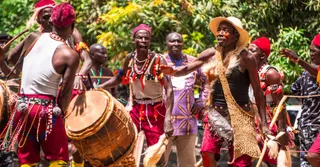
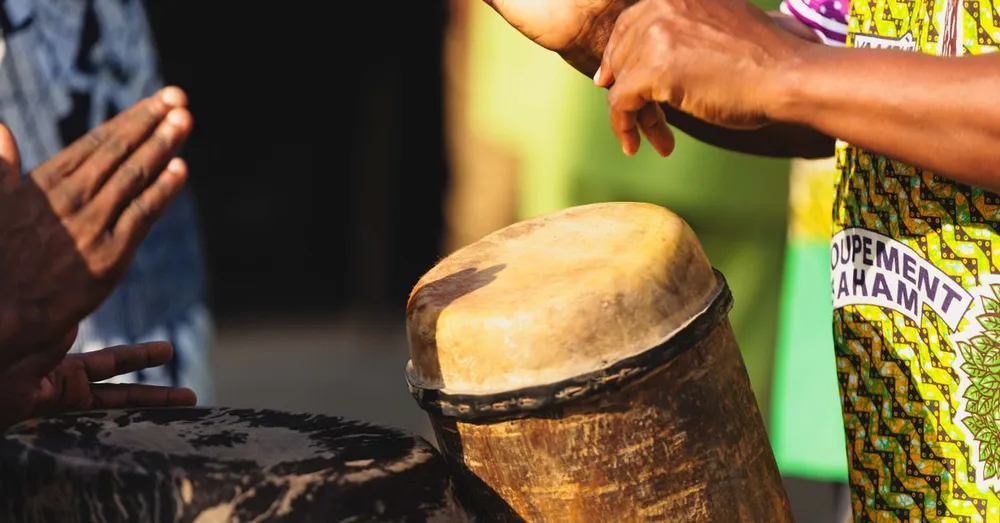
There is one moment in Guadeloupe that I urge every traveler to live at least once: the night when, following the rumble of a drum through the darkness of a village, you stumble upon a léwoz. A circle of people, drums in conversation, a voice launching a song in Creole, a dancer stepping forward to face the skins. This is no tourist show: it is gwo ka, the musical soul of the archipelago, inscribed since 2014 on the list of the Intangible Cultural Heritage of Humanity. Here, after years of frequenting these nights, is where to hear it for real.
What gwo ka actually is
Gwo ka means “big drum” in Creole: the “ka” is a curved wooden barrel over which a goatskin is stretched. It is a music born on the sugar plantations, carried by the enslaved and then by their descendants, long marginalized before becoming a proudly claimed emblem of identity.
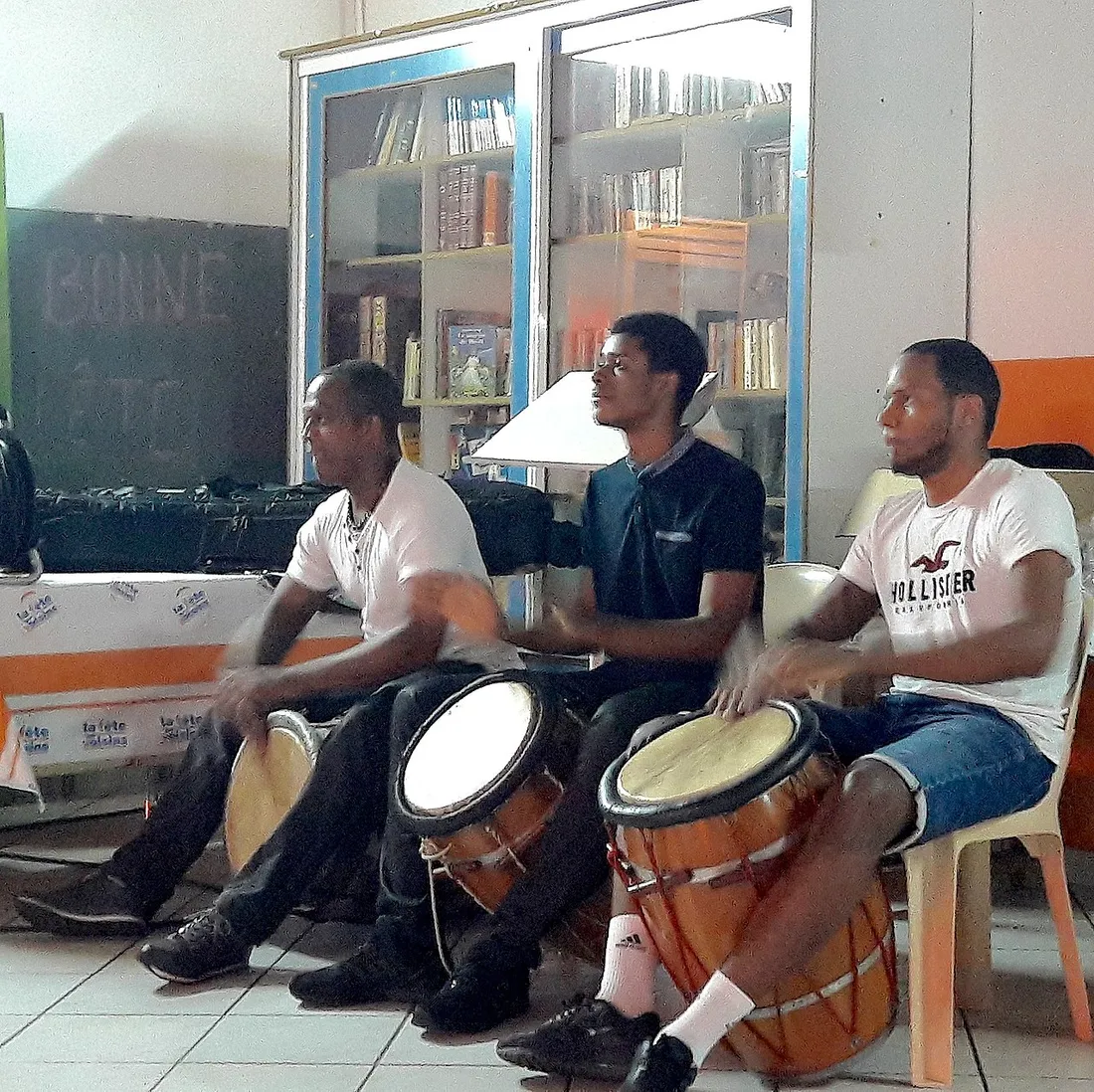
A gwo ka ensemble rests on two drums:
- the boula, the deeper one, which holds the basic rhythm;
- the makè (the marker), higher-pitched, which “marks” and converses with the dancer through improvisation.
To these are added the ti-bwa (sticks struck on the drum’s side) and the chacha (a gourd filled with seeds), led by a chantè whom the gathering answers in chorus: this is the chanté-répondé, where the audience is never a mere spectator.
Why gwo ka is recognized by UNESCO
In November 2014, gwo ka was inscribed on the Representative List of the Intangible Cultural Heritage of Humanity. This recognition does not reward a frozen folklore but a living practice. That changes everything for the visitor: the UNESCO heritage of Guadeloupe, here, is not viewed behind glass; it is lived inside a circle, at night, with the people of the land. A simple “gwo ka drum” poster in a village is therefore worth stopping for.
The seven rhythms of gwo ka
Gwo ka is not a single rhythm but a family of seven fundamental rhythms, each with its own function and emotion. Here are the seven ka:
- Léwoz: warlike and powerful, associated with resistance; it gave its name to the gathering itself.
- Kaladja: slow, grave, melancholic. The rhythm of sorrow and mourning.
- Toumblak: joyful and lively, the rhythm of love and celebration.
- Padjanbel and Graj: the work rhythms, inherited from the gestures of cutting cane and grating manioc.
- Woulé: elegant and swaying, the “Creole waltz” of the ka.
- Menndé: fast and collective, often played at carnival, wildly contagious.
No need to memorize them all: spotting the martial energy of the léwoz or the sway of the woulé is already enough to listen like a connoisseur. And each dancer, on entering the circle, “calls” a rhythm the drums must follow: the dance commands the music.
The léwoz: the night not to miss
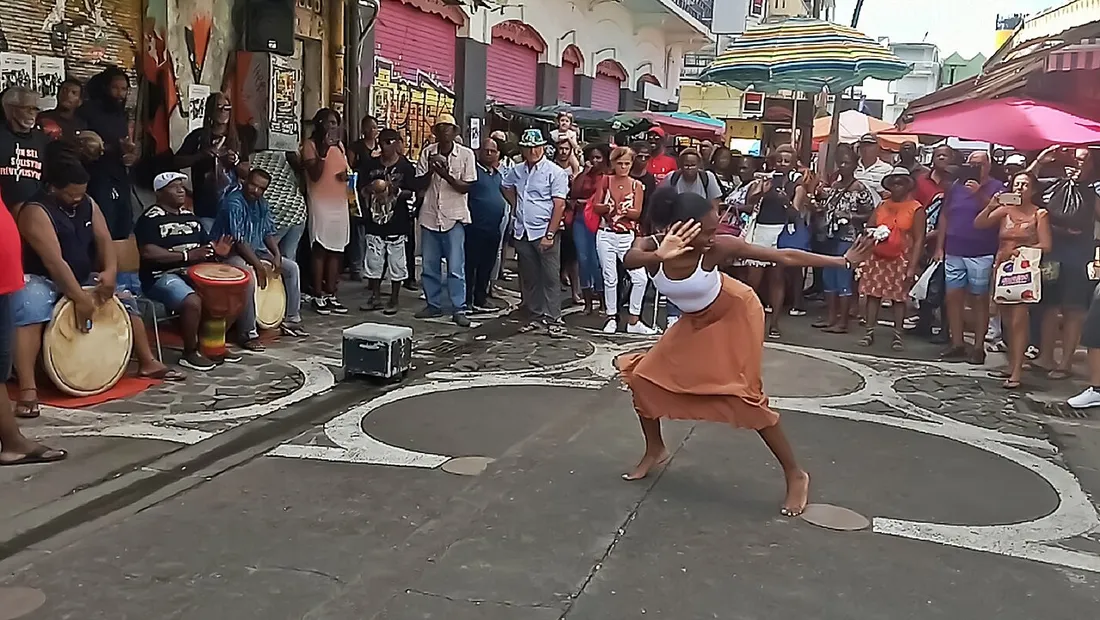
The léwoz also refers, by extension, to the traditional gwo ka gathering: the crowning experience. Outdoors or under a neighborhood shelter, often on a Friday or Saturday, it rarely starts before 8 or 9 p.m.: the boula launches the tempo, a chantè strikes up a song answered in chanté-répondé, then the dancers step in one by one to converse with the makè deep into the night.
A few concrete pointers for a léwoz:
- Admission: most often free or pay-what-you-can for a neighborhood léwoz; expect 5 to 15 € for an event organized by an association.
- Timing: it starts and ends very late; don’t show up at 7 p.m. thinking everything is underway.
- On site: a grill stand (boudin, bokit, skewers). Bring cash and casual clothes rather than your swimsuit.
Where to hear authentic gwo ka in Guadeloupe
Gwo ka is practiced mostly on the Grande-Terre side and in the center of the archipelago, but you’ll find it everywhere, right out to the islands. Here are my leads.
Sainte-Anne and the Grande-Terre coast
The town of Sainte-Anne is a high temple of ka culture: ask around about the gatherings held by the rural sections and the associations, for this is where you’ll meet the finest tambouyés (drummers). About twenty minutes away, Le Gosier, Saint-François and Le Moule also host léwoz, and the night markets schedule groups early in the evening: an ideal entry point with family, when midnight is too late.
Pointe-à-Pitre, Basse-Terre and the islands
The urban hub of Pointe-à-Pitre concentrates a lively scene: the Mémorial ACTe, devoted to the history of slavery, offers concerts and gatherings around gwo ka, ideal for connecting the music to its history. On the Basse-Terre side, the volcanic wing (La Soufrière at 1,467 m, the National Park), towns such as Sainte-Rose or Capesterre-Belle-Eau keep their ka traditions alive. Don’t forget the islands: Marie-Galante, during the Terre de Blues festival (at Pentecost), blends Caribbean music and gwo ka between cane fields and rum distilleries (Bielle, Bellevue, Père Labat).
The date to lock in: the Gwoka Festival
If you can, schedule your stay for late July: the Gwoka Festival of Sainte-Anne is the major event, a week of concerts, masterclasses and giant léwoz bringing together the greatest masters. Book your accommodation very early, as the town fills up fast.
A local’s tips for living gwo ka the right way
Gwo ka rests on respect and its codes:
- Ask before filming. A léwoz is not an Instagram backdrop; a polite bonjou opens every door.
- Step into the circle only if you know how. Observe, applaud, answer the songs; you may be invited.
- Come in season. The dry season, December to April (the carême), is the most pleasant for outdoor gatherings, but the great events punctuate the year: carnival, the Gwoka Festival (July), Terre de Blues (May–June).
- Keep cash for the stands and pay-what-you-can admissions (Guadeloupe uses the euro, and cards work everywhere else).
- Plan for the time difference (-5h in winter, -6h in summer compared with Paris): rest in the afternoon during your first days so you can hold out for a real night of léwoz.
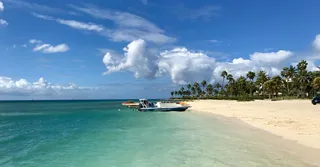
A word of context: Guadeloupe is a French overseas region made up of an archipelago (around 380,000 inhabitants), between the limestone Grande-Terre with its turquoise beaches and the volcanic, forested Basse-Terre, served by the Pôle Caraïbes airport. To hear gwo ka is to hear four centuries of history in the beat of a goatskin.
Where to stay to live the drum nights
The secret to a great gwo ka stay is proximity: léwoz end late, so best to avoid an hour’s night drive. Stay on the southern coast of Grande-Terre (Sainte-Anne, Saint-François, Le Gosier), at the heart of the ka scene.
At Hostel Toucan, concierge service and rentals in Guadeloupe, we select accommodations close to lively villages and cultural events. Booking is done directly, with no platform fees, with free cancellation up to 7 days before arrival and WhatsApp support 7 days a week for your on-the-ground questions, from the weekend léwoz to the trip to Marie-Galante for Terre de Blues.
- Browse our rentals in Guadeloupe, well placed for the cultural scene.
- Plan your stay with our Guadeloupe guide.
- Own a property? Entrust it to our concierge service for owners.
Follow the drum: in Guadeloupe, it always leads somewhere real.
FAQ
What is gwo ka and why is it recognized by UNESCO?
Gwo ka is the traditional music of Guadeloupe: the “ka” drum (goatskin over a wooden barrel), singing in Creole and dance. Born on the sugar plantations, it was inscribed in 2014 on UNESCO’s list of the Intangible Cultural Heritage of Humanity, as a living practice passed down from generation to generation.
What are the seven rhythms of gwo ka?
Gwo ka has seven rhythms: the léwoz (warlike), the kaladja (slow and melancholic), the toumblak (joyful, the rhythm of love), the padjanbel and the graj (work rhythms), the woulé (elegant and swaying) and the menndé (fast, often played at carnival). Each expresses a specific emotion, and it is the dancer who “calls” the rhythm to which the drums respond.
Where can you attend an authentic léwoz in Guadeloupe?
Léwoz are held mostly in Grande-Terre, in Sainte-Anne, Le Gosier, Saint-François and Le Moule, often on Friday or Saturday from 8 to 9 p.m.; the night markets also schedule groups early in the evening. The unmissable date remains the Gwoka Festival of Sainte-Anne, in late July.
Is a léwoz paid, and how should you behave?
A neighborhood léwoz is generally free or pay-what-you-can; an association event costs more like 5 to 15 €. As for etiquette: ask before filming, answer the songs, and enter the dance circle only if invited. It is a celebration of sharing, not a passive show.