People come to Martinique for the beaches of the South, the rum, and Mount Pelée. But after several years welcoming travelers to the island, I know a piece of the puzzle stays missing until you grasp one thing: almost everything we love here — the cane-covered hills, the distilleries, Creole cuisine, even the names of neighborhoods — was born of a single system. The history of plantations in Martinique is the history of sugar, and sugar cannot be told without the slavery that made it possible. This is what I explain to guests who ask me why a certain ruin sits by the roadside, or why a distillery is called an “habitation” (estate). Here is that story, and where to read its traces today.
In the beginning: sugarcane and the birth of the estate
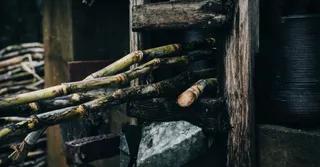
Martinique was colonized by France from 1635 onward. The first settlers tried tobacco and indigo, but it was sugarcane — brought from Brazil via the Dutch in the mid-17th century — that changed everything: the tropical climate and the volcanic soils of the North suited it perfectly. Within a few decades, the island tipped into a monoculture that would shape its territory for nearly three centuries.
This is where the habitation appears. The word can be misleading: it doesn’t refer to a house but to a complete agricultural estate. A sugar estate brought together in one place:
- the cane fields, terraced along the slopes of the hills;
- the mill (wind, water, or animal-powered) that crushed the stalks to extract the juice, the “vesou”;
- the sugar works and their cauldrons, where the juice was boiled to crystallize it;
- the master’s house, perched to oversee the estate;
- the slave quarters (rue cases-nègres), where the enslaved lived.
A habitation was therefore a hierarchical micro-society, almost a closed village. Martinique had several hundred of them, and many towns and place-names still bear the names of these former estates. In the 18th century, sugar was a luxury product: the Antilles became the “sugar islands” that made the fortunes of French ports — Bordeaux, Nantes, La Rochelle — and Martinique ranked among the most profitable colonies in the world. A wealth built entirely on enslaved labor.
Slavery in Martinique: the heart of the plantation system
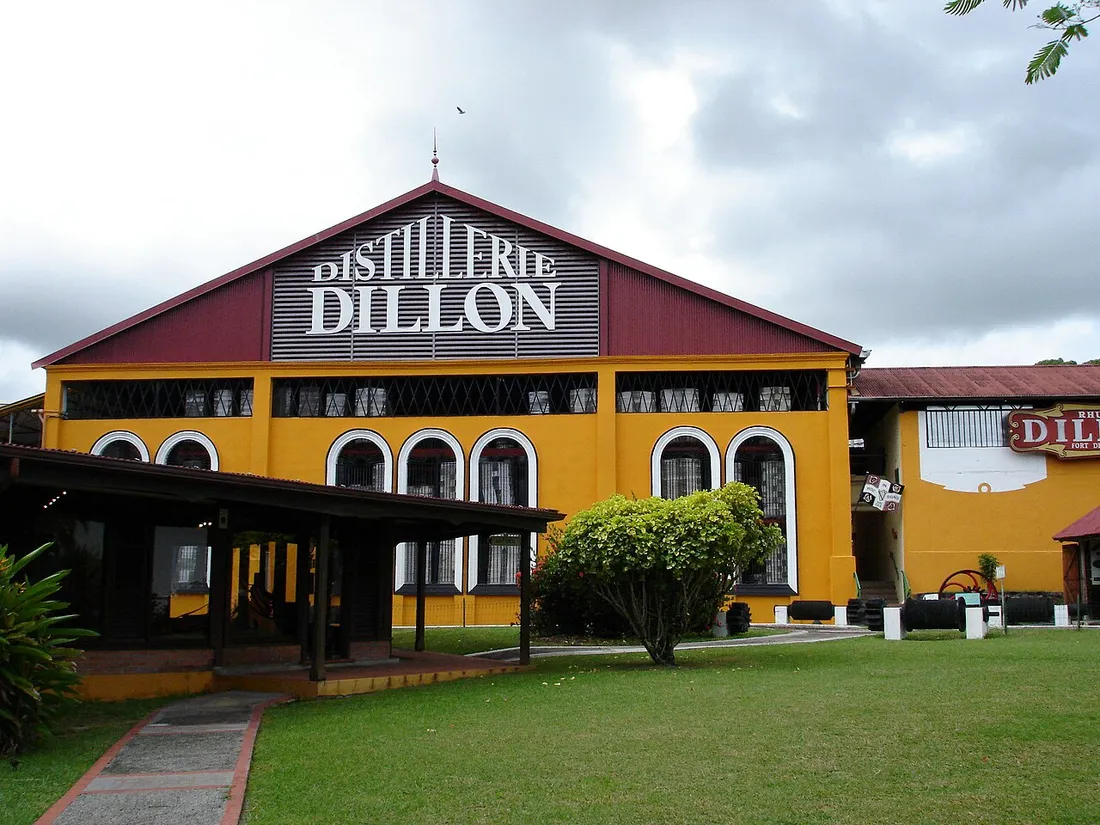
You cannot tell the history of plantations in Martinique while keeping slavery as a footnote: it was the engine. Growing and processing cane is exhausting — cutting with a cutlass under the sun, feeding the cauldrons, working through the night at the height of harvest. For this production, France deported, through the Atlantic slave trade, hundreds of thousands of Africans to the Antilles over two centuries.
Life on the estate was governed by the Code Noir (1685), which defined the enslaved person as movable property. Slavery in Martinique also met constant resistance: marronage into the hills, revolts, a dignity never extinguished. A few landmarks to situate things:
- 1685: Code Noir, the legal framework of colonial slavery.
- 1794: first abolition by the Convention, not applied in Martinique (British occupation).
- 1802: reinstatement of slavery by Napoleon.
- 22 May 1848: definitive abolition, amid an uprising. 22 May remains a public holiday commemorated on the island.
This chronology explains why certain sites of memory are so charged, and why the subject remains a present-day issue in Martinique.
After 1848: Indian indentured workers and the persistence of cane
Abolition did not make the estates disappear. Deprived of enslaved labor, the planters brought in indentured workers from India (starting in 1853): hence the Indian heritage of Creole culture, from colombo to temples. The cane plantation remained the backbone of the economy for another century, before sugar declined in the face of European beet sugar.
From sugar to rum: the great reconversion
This is where the story meets what travelers love. As sugar lost its value, the estates reinvented themselves and began distilling — no longer molasses but directly the pure cane juice: this was the birth of rhum agricole (agricultural rum), which became an AOC in 1996, a case unique in the world for a rum.
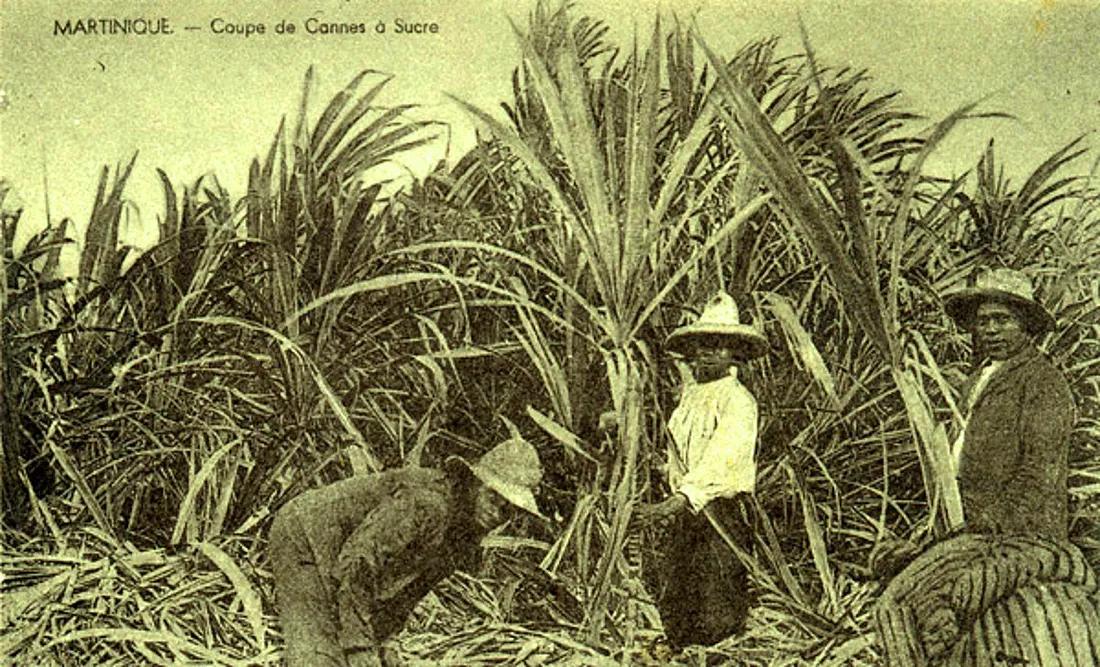
This is why so many distilleries carry the name “habitation”: they are former plantations reconverted. To visit a distillery is to walk through an estate. A few examples:
- Habitation Clément (Le François): a heritage estate with a Creole master’s house, grounds, and aging cellars. Expect €16 to €18 for entry and 2 to 3 hours on site.
- Distillerie Depaz (Saint-Pierre): at the foot of Mount Pelée, on lands rebuilt after 1902; château and gardens free of charge.
- Saint-James (Sainte-Marie) and its rum museum, very educational; La Mauny and Trois-Rivières round out the South.
Following this “Route des Rhums” (Rum Trail) is a way of doing history without quite realizing it. Our Martinique guide details the distilleries to chain together depending on your base.
Reading the legacy of the estates today: where to go
Martinique’s strength is that this history isn’t in books but in the landscape. Here are the places I recommend to touch it firsthand.
Sites of memory not to miss
- La Savane des Esclaves (Les Trois-Îlets): a reconstructed village depicting life under slavery and after abolition. Ideal for families; entry €12 to €15, about 1 hour 30 minutes.
- The Anse Caffard Memorial / Cap 110 (Le Diamant): fifteen white statues facing the sea, in memory of an 1830 slave-ship wreck. Free access, facing Diamond Rock.
- La Maison de la Canne (Les Trois-Îlets): a museum in a former sugar works and distillery, dedicated to cane and sugar.
- The ruins of Saint-Pierre: the town embodies the apogee of plantation society before 1902.
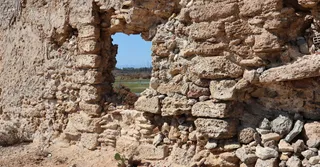
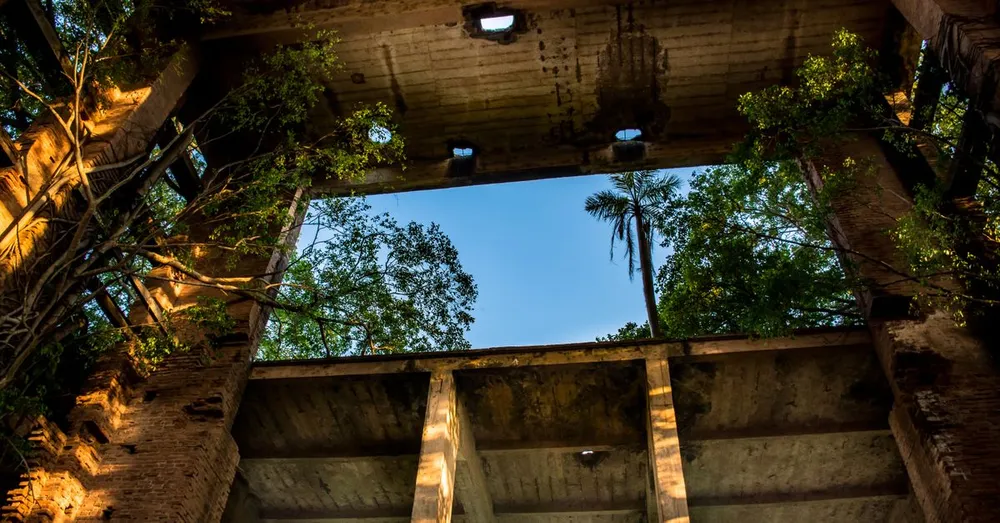
Once your eye is trained, you spot the remnants of these estates everywhere: a lone stone chimney in the fields (a former sugar works), a circular mill overgrown with vegetation, a master’s house set apart. My advice: rent a car (all but essential here) and take the small roads of the North and center, where the estates surface most.
Why this past matters for your stay
Understanding the history of plantations in Martinique isn’t about weighing down a sunny holiday: it’s about giving it depth. The ti-punch you sip, the hill you photograph, the name of your town: all of it comes from this history. My advice: slip a half-day of memory (Savane des Esclaves + an estate-distillery) between two beach days. It’s often from these visits that my guests come back most moved.
Choosing the right base to explore these sites
The sugar history is spread across the whole island: Trois-Îlets and the center for the museums, Le François for Clément, the Caribbean North for Depaz and Saint-Pierre, the South for La Mauny. A well-located rental changes everything when it comes to limiting drives. At Hostel Toucan, a concierge and vacation-rental service rooted in the French overseas territories, we know the island from the inside. Booking directly with us means:
- no platform fees: you pay the fair price, not an intermediary’s commission;
- free cancellation up to 7 days before arrival, handy when planning a long-haul trip;
- WhatsApp assistance 7 days a week, including to steer you toward the right estates based on your base.
Discover our accommodations on the Martinique rentals page and set up your stay as close as possible to the places that speak to you. And if you’re an owner on the island, our owners page details our local, end-to-end support.
FAQ
What exactly is an “habitation” (estate) in Martinique?
The term “habitation” doesn’t refer to a house but to a complete colonial agricultural estate: cane fields, mill, sugar works, master’s house, and the enslaved people’s quarters on a single property. The sugar estate was a self-contained micro-society. Today, the word survives in the names of distilleries (Habitation Clément), which are former plantations reconverted.
Which places should you visit to understand slavery and sugar?
The essentials are La Savane des Esclaves and La Maison de la Canne in Les Trois-Îlets, the Anse Caffard Memorial (Cap 110) at Le Diamant, and the estate-distilleries such as Depaz or Clément. Allow a half-day per site of memory, and pair it with a distillery to connect slavery in Martinique to today’s rum.
When was slavery abolished in Martinique?
Definitive abolition dates from 22 May 1848, amid an uprising; it is today a strongly commemorated public holiday on the island. A first abolition in 1794 (not applied locally) had been followed by a reinstatement under Napoleon in 1802: this chronology illuminates the emotional weight of the sites.
Can you still see cane fields and plantations?
Yes. The cane plantation remains present in the North and center, mostly destined for the AOC agricultural rum distilleries. On the small roads, you’ll also come across sugar-works chimneys, mill ruins, and master’s houses: so many remnants of the hundreds of estates that shaped the island.