When the subject of investing in French Guiana’s Maroni river towns comes up, most mainland wealth advisors quietly change the topic. No road, no notary on site, no comparable listings on the usual portals. And yet, after several years managing properties in French Guiana and regularly heading up the river, I can say it plainly: Apatou, Grand-Santi, Papaïchton and Maripasoula are home to one of the most unusual — and most strained — rental markets in all of France. Demand here doesn’t come from the passing tourist, but from a captive clientele that pays well, stays long, and often has nowhere else to sleep.
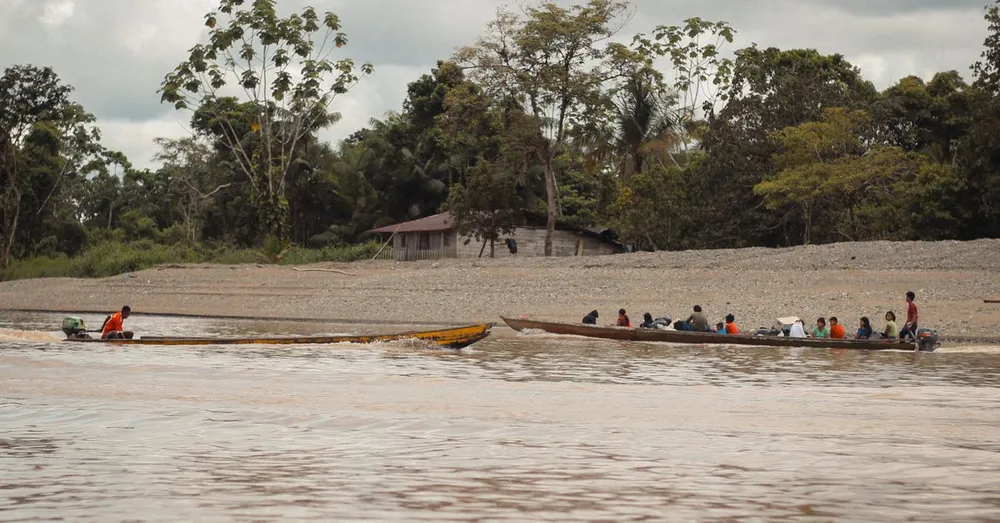
The Maroni, a 600 km Liquid “Highway”
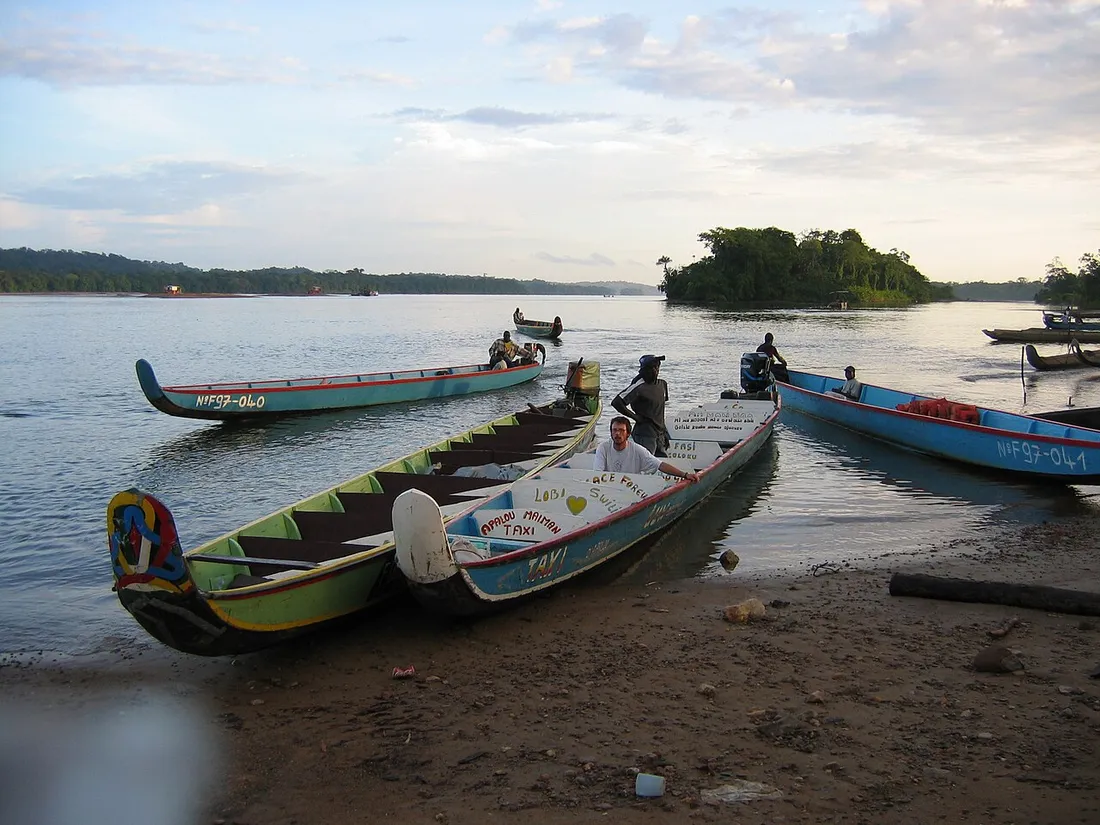
The Maroni River marks the border with Suriname and serves every town of French Guiana’s interior west. Beyond Apatou (connected by road only since 2010), everything travels by dugout canoe or by plane:
- Apatou: about 60 km from Saint-Laurent-du-Maroni, 1 hour by car on paved road or 2.5 hours by canoe. Roughly 10,000 inhabitants and growing fast.
- Grand-Santi: by canoe only (a full day from Apatou depending on water levels) or by plane.
- Papaïchton: Boni country, about 1 hour by canoe from Maripasoula, or regular flights.
- Maripasoula: the largest municipality in France by area (over 18,000 km²), around 13,000 inhabitants. Daily flight from Félix-Eboué airport (50 min, €90 to €180 one-way depending on the season), or 2 to 3 days by canoe from Saint-Laurent.
The direct consequence for real estate: anything not produced locally arrives by canoe or by plane. A bag of cement costing €12 in Cayenne tops €30 to €40 delivered to Maripasoula, and the cost of construction per m² is 1.5 to 2 times higher than on the coast — around €2,500 to €3,500/m² for decent masonry.
Investing in French Guiana’s Maroni Towns: Who Are the Tenants?
This is THE question that changes everything. The couple of mainland tourists does exist, but it’s marginal: rental demand on the Upper Maroni is 80% driven by professionals on assignment, with institutional budgets and long stays.
Public and Para-Public Missions
- Teachers: Maripasoula and Apatou have secondary schools and numerous primary schools. Each new school year, dozens of contract staff urgently look for a simple furnished rental at €450–700/month.
- Healthcare workers: the decentralized prevention and care centers (CDPS) rotate doctors, nurses and midwives in stints of 2 weeks to 3 months, with housing allowances included.
- Gendarmes, soldiers of Operation Harpie, Amazonian Park rangers: a permanent presence, saturated service housing, and frequent reliance on the private rental stock.
- Public works sites: every school or water-treatment plant brings in site managers for 6 to 18 months.
River Tourism, a Real but Seasonal Complement
River tourism in French Guiana and the rentals that go with it genuinely exist: canoe expeditions to the Maroni rapids, homestays in Bushinengé and Amerindian country. The strong window runs from mid-July to mid-November (dry season, the best time to navigate). A hammock-shelter rents for €15 to €25 per night per person, a private room €50 to €80, a small fully equipped family shelter €90 to €130. Let’s be honest: tourism alone won’t make a property in Maripasoula profitable. It’s the mix of long missions + dry-season tourists that creates the winning equation.
Accommodation in Apatou: the River’s Entry Ticket
If I had to recommend a first venture on the Maroni, it would be in Apatou, for three concrete reasons:
- The road. Since 2010, Apatou has been connected to Saint-Laurent-du-Maroni by paved road: materials, cleaning and linen arrive by car, which halves logistics costs compared with Grand-Santi.
- Demographics. The town is one of the youngest and most dynamic in France, with massive needs for educational and social staff — and therefore for furnished rentals.
- Land. You can still find plots at €30–60/m² in the buildable zone of the village, versus €150–250/m² in Saint-Laurent. Beware: a large part of the territory falls under customary zones or state-owned land; only target titled land, verified by a notary in Saint-Laurent.
Typical project: a building with three 25 m² furnished studios, mixed wood/masonry construction at around €180,000 including the land, each rented at €500/month to teachers and healthcare workers — that’s €18,000 in gross annual income at near-100% occupancy, a gross yield around 10%, which obviously rewards a very real management burden.
Renting in Maripasoula: Strong Demand, Maximum Logistical Demands
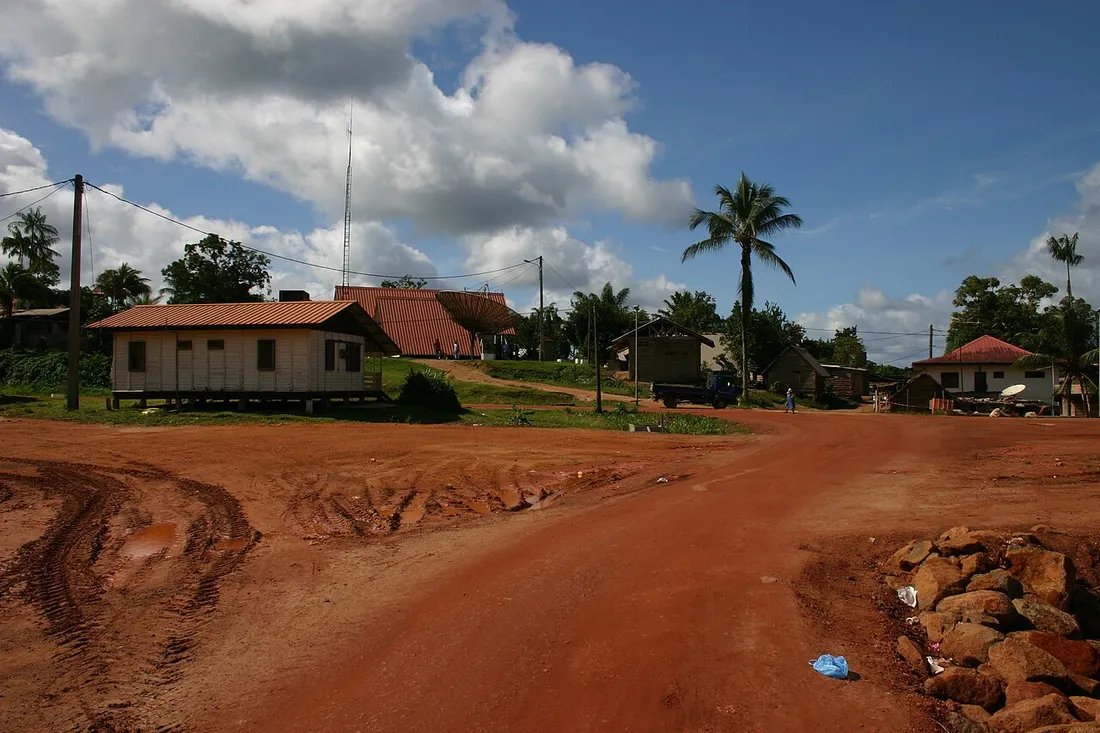
Renting in Maripasoula follows a different logic: 50 minutes by plane from Cayenne, the capital town of the Upper Maroni, gateway to the Amazonian Park. Demand here is even tighter than in Apatou — newly assigned civil servants literally fight over furnished rentals — but every logistical detail weighs heavily:
- Building: favor local wood (river sawmills) and limit imported materials; an experienced Aluku carpenter is your best ally, with construction times of 12 to 24 months.
- Power and water: the grid exists in the village but outages are frequent; batteries or a small generator and a water reserve are decisive rental arguments.
- Equipment: mosquito nets everywhere, fans rather than energy-hungry air conditioning, bedding treated against humidity, linen managed on site.
- Management: impossible without a reliable local contact. It’s the number-one factor in success or failure.
On the numbers, a decent furnished one-bedroom rents for €600 to €800/month on a long mission, and dry-season tourist nights rise to €70–100 for a private place, often booked by expedition guides for their clients before heading up to the Wayana villages.
The Risks to Face Head-On
A market yielding 10% gross never exists without trade-offs:
- Complex land security: rare titles, customary zoning, long notarial timelines.
- Near-zero resale liquidity: you buy for cash flow, on a horizon of 10–15 years minimum.
- Equatorial climate: constant wood maintenance, roofs to redo every 8–10 years, humidity that destroys low-end furniture.
- Financing: few banks go along; budget for a 40–50% down payment or backing from a coastal property.
- Social context: illegal gold mining upstream, occasional tensions; the mission clientele is used to it, but it rules out mass tourism.
Before you take the plunge, read our complete guide to French Guiana and compare with the coastal markets presented on our accommodation in French Guiana page.
How Hostel Toucan Supports Owners on the River
Managing a furnished rental in Apatou or Maripasoula without a structured local relay means certain failure. This is exactly the situation we built our concierge service for: a local contact, a calendar that blends long missions and tourist nights, and above all direct booking with no platform fees — decisive on the river, where OTA commissions of 15–18% eat the margin. Our travelers enjoy free cancellation up to 7 days before arrival and WhatsApp assistance 7 days a week, indispensable when the program depends on the river’s water level. Own a property on the Maroni, or planning one? Bring us your project on our owners page: we’ll tell you frankly whether the numbers add up.
FAQ
Can you buy land in Maripasoula or Apatou like on the mainland?
Not quite. A large part of the territory falls under state-owned land or customary-use zones of the Bushinengé and Amerindian communities. Only titled land in the buildable zone of the village can be the subject of a standard sale through a notary (offices in Saint-Laurent-du-Maroni and Cayenne). Expect 6 to 12 months to secure an acquisition.
What yield can you expect on Maroni river rentals?
Targeting the mission clientele, a well-managed furnished rental commonly reaches 8 to 11% gross yield, with occupancy close to 100%. The downside: construction and maintenance costs inflated by 50 to 100% compared with the coast, and a very difficult resale. It’s a cash-flow investment, not a capital-gains one.
Is tourism enough to fill accommodation on the Upper Maroni?
No. River tourism is concentrated in the dry season from mid-July to mid-November and remains a niche market. It makes an excellent supplement on a per-night basis (€50 to €130 depending on standard), but the economic foundation of a profitable river rental remains the long-mission furnished let.
How do you manage a property in Apatou or Maripasoula remotely?
Impossible without a local relay: you need a trusted person for check-ins, cleaning and repairs. A concierge service based in French Guiana like Hostel Toucan structures this chain and arbitrates between long missions and tourist nights to maximize occupancy.