Why do rocket launches get postponed? The 7 real causes
Published on August 12, 2026 · by Ismael Samuel
You booked time off, bought a plane ticket, reserved a place to stay in Kourou — and the day before, the launch slips by 24 hours. Or worse: the countdown stops at T-4 minutes. A postponement is a normal feature of spaceflight, not a malfunction: nobody launches an 800-tonne rocket carrying a satellite worth several hundred million euros just because tourists have got on a plane. Understanding the real causes lets you organise your trip properly and avoid disappointment. Here are the seven, in order of frequency.
1. Local weather
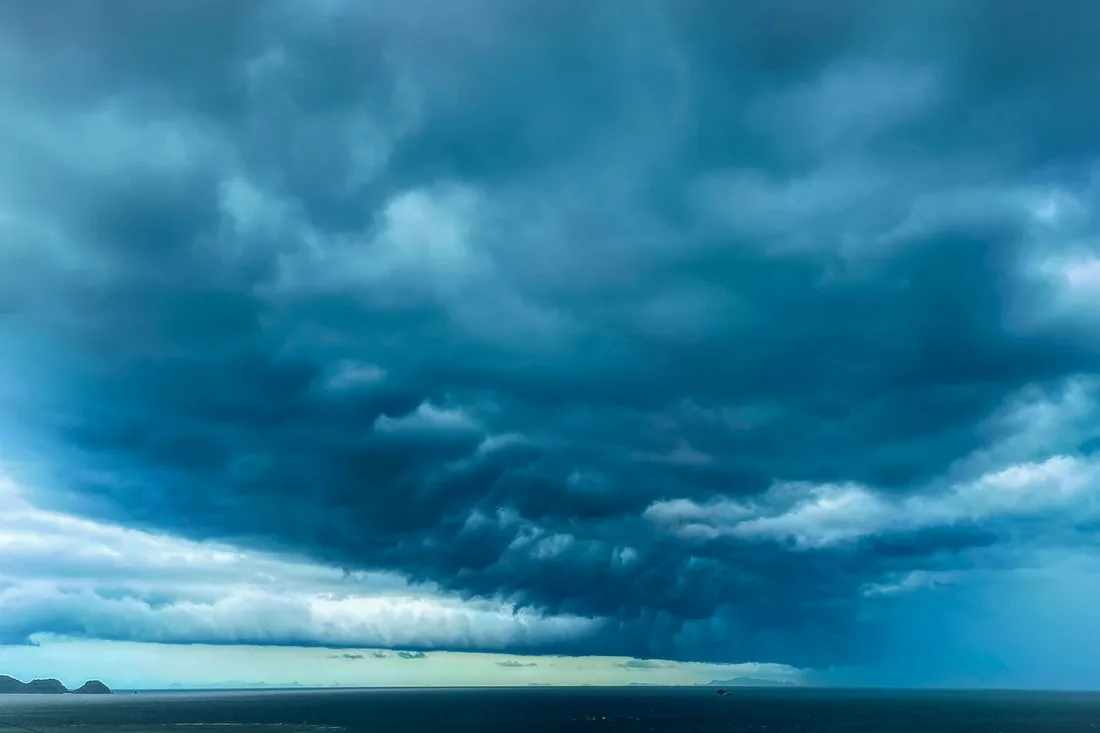
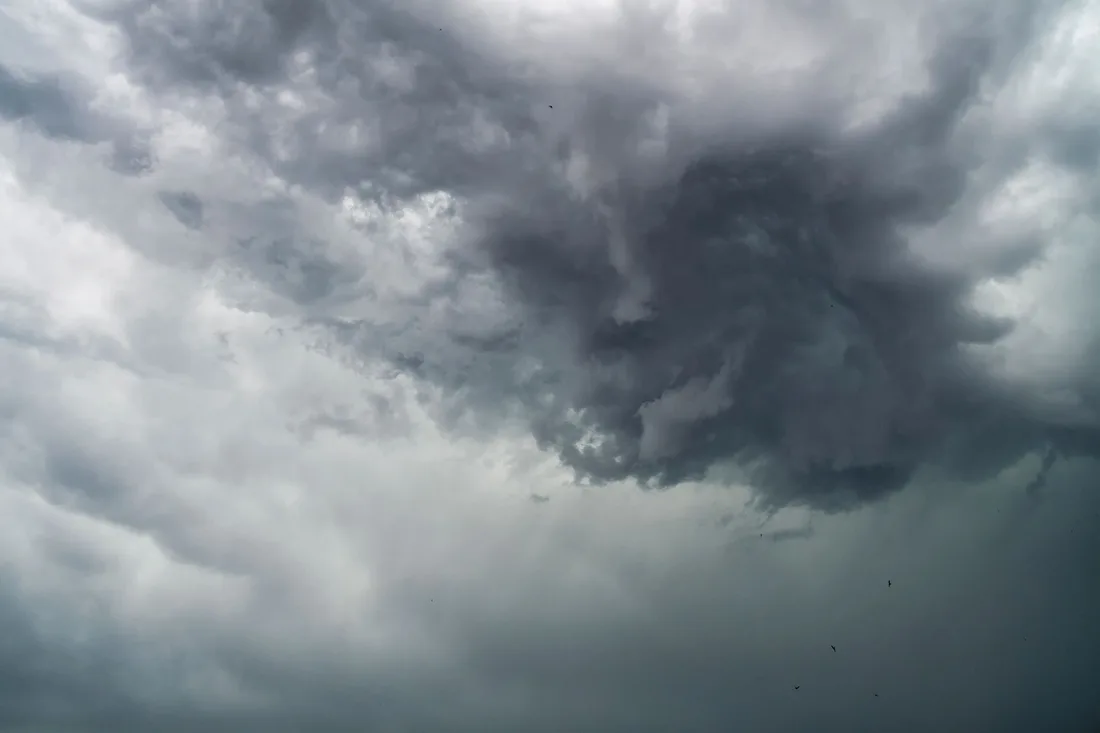
This is the leading cause of postponement at Kourou, by a wide margin. A launcher does not lift off in just any conditions, and the criteria are far stricter than most people imagine.
The parameters under watch:
Thunderstorm activity and lightning risk. A rocket flying through a charged cloud can trigger a lightning strike. That is an absolute no.
Cloud cover of certain types, particularly clouds carrying electrical charge.
Ground wind, which can compromise operations on the launch pad.
Heavy rainfall, common in an equatorial climate.
In French Guiana, the rainy season runs from December to July, peaking from April to June. Statistically, a launch scheduled in that window is more likely to slip than one in September or October. Our article on weather and launch constraints in French Guiana sets out the thresholds.
This cause is less well known, yet very common. Winds in the upper atmosphere impose mechanical loads on the launcher during ascent. Weather balloons are released in the hours before liftoff to measure the wind profile, and the teams recompute the trajectory accordingly.
If the loads exceed the permitted margins, the launch is postponed — often at the last moment, with a perfectly clear sky at ground level. That is what baffles spectators most: “the weather is beautiful, why isn’t it going?“
3. A technical problem on the launcher
A sensor reading outside tolerance, a valve that does not close as expected, a discrepancy detected during propellant loading, an anomaly in a measurement chain. The launch chronology is punctuated by checkpoints: at each one, an out-of-spec parameter halts the count.
Two possible outcomes:
Resuming within the window: if the problem is solved in time and the launch window has not closed, the countdown restarts.
Postponement: otherwise, the launch slips by 24 hours or more, the time needed for analysis.
Cryogenic propellant loading — liquid hydrogen and oxygen — is a particularly sensitive phase. See cryogenic propellants explained.
4. A problem on the satellite
It is easily forgotten: the payload has constraints of its own. An abnormal parameter on the satellite side, a battery, a temperature, a command not confirmed, and the customer can call a halt. The launcher is ready, the satellite is not.
5. An intrusion into the safety zone
On launch day, maritime and airspace zones are closed, because the trajectory passes over the Atlantic and the stages fall back into it. If a fishing boat, a merchant vessel or an aircraft enters the protected area and does not leave in time, the launch is suspended.
This is a classic last-minute cause of postponement, and it is entirely independent of both the hardware and the weather. See flight safety and where the stages fall.
6. A ground anomaly
The launch pad means kilometres of pipework, filling systems, generator sets and telemetry links. A failure in a piece of ground equipment — and not in the launcher — is enough to stop the chronology. This category also covers problems with the tracking stations that have to follow the launcher: without them, no launch.
Rarer but real: a slip decided upstream, independently of launch day itself. A satellite delivered late, a reshuffle of the launch manifest, an investigation after an anomaly on a previous flight, the availability of an orbital slot. These slips are counted in weeks or months, not hours — and they are usually announced well in advance.
What delays should you expect after a postponement?
It depends entirely on the cause:
Cause
Typical postponement
Local weather, high-altitude wind
24 h, sometimes 48 h
Intrusion into the safety zone
A few minutes to 24 h
Minor ground or sensor anomaly
24 to 72 h
Launcher technical issue requiring analysis
Several days to several weeks
Satellite problem
Variable, often several days
Programmatic decision
Weeks to months
Remember the practical rule: a postponement most often means 24 hours, but nothing guarantees it.
How to protect your trip
This is the part that depends on you, and it changes everything.
The four rules
Never book your return flight for the day after the launch. That is mistake number one. Allow at least two to three days of margin after the announced date.
Book several nights around the window, not the launch night alone.
Choose accommodation with flexible cancellation. A window that slips should not cost you a wasted night.
Have a fallback plan. French Guiana is not short of things to do: Îles du Salut, Montagne des Singes, the Kaw marshes, Cayenne market. See what to do in French Guiana.
What to do in practice if your launch is postponed
Check the new date with a reliable source before changing anything. Rumours travel fast.
Extend your accommodation as early as possible: every other spectator is doing the same, and availability disappears within hours.
That is the view taken by everyone who lives here. A count stopped at T-4 minutes is the system working: dozens of parameters monitored in real time, and one simple rule — at the slightest doubt, you stop. The success of Europe’s spaceport rests precisely on this culture of saying “no”.
And there is a consolation: a postponement gives you one more day in French Guiana.
Booking without getting caught out by a postponement
At Hostel Toucan, we regularly host travellers who have come for a launch, and we have built our terms around that reality: free cancellation up to 7 days before arrival, direct booking with no platform fees, tapering rates if you extend, and WhatsApp support 7 days a week on Guianese time to confirm the information the same day and handle an extension in minutes. Our properties are spread across Kourou, Cayenne, Rémire-Montjoly and Matoury.
Do you own a property in Kourou? Handling last-minute extensions is exactly what our property management service does.
In summary
A launch is postponed for seven main reasons: local weather, high-altitude wind, a technical problem on the launcher, a problem on the satellite, an intrusion into the safety zone, a ground anomaly, or a programmatic decision. The first four causes most often mean a 24-hour slip; the others can run to several weeks. The only effective protection comes down to two decisions: allowing two to three days of margin before your return flight, and booking accommodation with flexible cancellation.
FAQ
What is the most common cause of postponement at Kourou?
Weather, by a very long way: thunderstorm activity, lightning risk, certain cloud types and heavy rainfall, all common in an equatorial climate. The rainy season, from December to July with a peak from April to June, statistically concentrates the most postponements. Next comes high-altitude wind, measured by weather balloons in the hours before liftoff, which can postpone a launch even with a perfectly clear sky at ground level.
How long is a launch usually postponed for?
Most often by 24 hours, sometimes 48. A postponement due to weather or high-altitude wind is generally made up the following day. A technical anomaly requiring analysis can push the launch back several days to several weeks, and a programmatic decision — a late satellite, an investigation after an anomaly — is counted in weeks or months. So nothing guarantees a simple 24-hour postponement.
What should I do if the launch I came to see is postponed?
First check the new date with a reliable source, then extend your accommodation immediately: every other spectator is doing the same and availability disappears within hours. Then make the most of the freed-up day — Îles du Salut, Montagne des Singes, the Kaw marshes or Cayenne market are all reachable from Kourou or Cayenne.
How can I avoid missing a launch because of a postponement?
By building in margin: at least two to three days between the announced date and your return flight, and a booking covering several nights around the window rather than the launch night alone. Choose accommodation with flexible cancellation, and keep a fallback plan. It is the only strategy that genuinely protects you, because no launch date is guaranteed until the rocket has lifted off.
Nous utilisons des cookies de mesure d'audience et de publicité pour améliorer votre expérience
et nos campagnes. Vous pouvez accepter ou refuser. Voir notre
politique de confidentialité.