Setting down your bags in a timber-framed Creole house, opening the louvered shutters onto a cobbled street, and strolling to the market on a Saturday morning: that’s the experience a rental in Cayenne’s historic center promises. Far from the anonymous complexes on the outskirts, the old heart of French Guiana’s capital holds the soul of the city. Here is our practical guide, written after several seasons spent welcoming travelers to this neighborhood, to help you choose the right home and live Cayenne like a local.
Why stay in the heart of historic Cayenne
Cayenne, the capital of a French overseas department and region (DROM) of nearly 290,000 inhabitants, is not a sprawling metropolis. Its historic center can be explored entirely on foot, which changes everything for a discovery trip. By staying between the Place des Palmistes, the market, and the waterfront, you’re a ten-minute walk from all the essentials.
The advantages of a rental within this perimeter are tangible:
- Everything on foot: covered market, Creole restaurants, punch bars, shaded squares, with no need for a car in the evening.
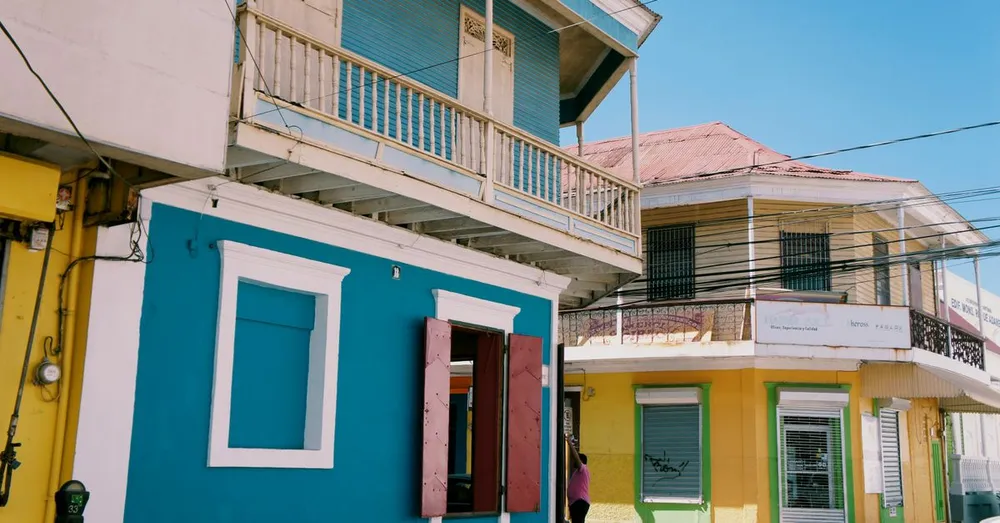
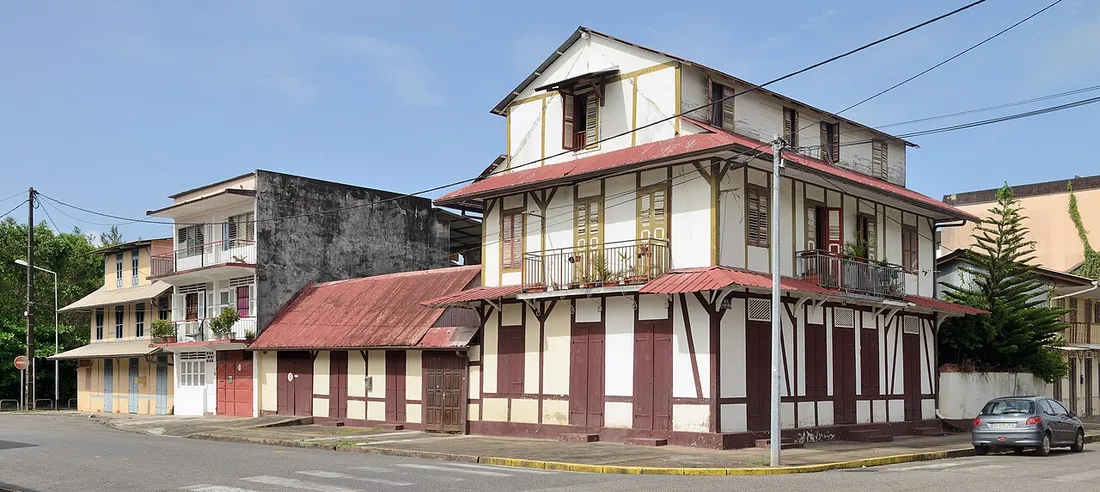
- Creole architecture: low wooden houses with colorful façades, wrought-iron balconies, four-sloped roofs and louvered shutters that catch the trade winds.
- The atmosphere: the neighborhood comes alive, especially during carnival (from Epiphany to Ash Wednesday), when the parades and “touloulou” evenings pass right beneath your windows.
- The food: from awara broth to colombo, by way of the Hmong bowls from Cacao sold at the market, you eat a unique blended cuisine here.
French is the official language, but you’ll also hear Guianese Creole, Bushinenge and Amerindian languages. Good news for budget and logistics: you pay in euros, the phone code is +594, and no currency exchange or visa is needed for French travelers.
What you experience on foot from the historic center
The Cayenne market, 5 minutes away
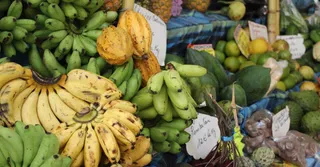
On Wednesday, Friday and Saturday mornings, the central market buzzes from dawn. You’ll find colombo spices, chili peppers, local vegetables, river fish and the famous awara broths served in cups. From a rental in the center, you head there in flip-flops, basket in hand, before the heat rises. That’s the decisive edge over a place in Rémire-Montjoly or Matoury, where you’d have to take the car.
Creole and Asian cuisine
The neighborhood concentrates the best tables: Creole restaurants, Hmong and Vietnamese food counters (a legacy of the community settled in Cacao, an hour’s drive away), and waterfront brasseries. Expect 12 to 20 euros for a hearty dish of the day, more for evening dining.
Carnival, without getting behind the wheel
Guianese carnival is one of the longest in the world. Every Sunday from January to February-March, the groups parade through the streets of the center. Staying right there saves you from hunting for impossible parking and driving after the festivities. You walk home, the number-one selling point for our travelers in season.
The Place des Palmistes and the waterfront
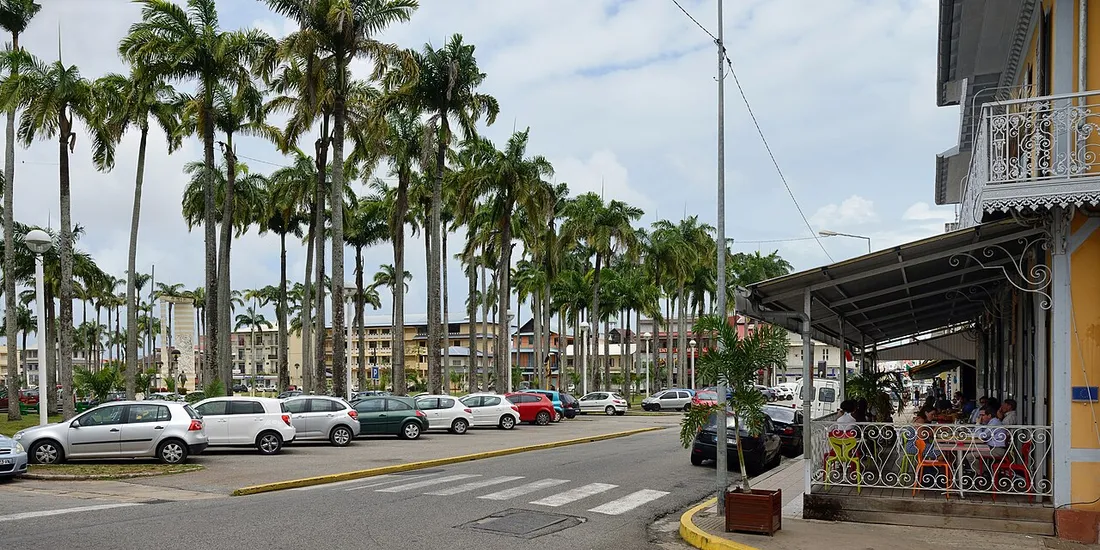
Lined with royal palms, the Place des Palmistes is the city’s open-air living room. A stone’s throw away, the waterfront offers a stroll at sunset. All of this happens car-free when you sleep in the old quarter.
Our pick of charming homes
Here are the types of Creole houses and character apartments we favor in the historic center, with realistic price ranges in high season (the dry season, from mid-July to mid-November, is the best time).
The whole Creole house (families, groups)
- For whom: families, groups of friends, 4 to 6 people.
- What we love: louvered shutters, local hardwood floors, a small courtyard or veranda, air conditioning in the bedrooms.
- Indicative budget: 110 to 180 euros a night in the dry season.
The charming apartment in a period house
- For whom: couples, business travelers, 2 to 3 people.
- What we love: high ceilings, a wrought-iron balcony overlooking the street, 5 minutes from the market.
- Indicative budget: 70 to 110 euros a night.
The Creole studio for a discovery stay
- For whom: solo travelers, first visit, short stay.
- What we love: central location, ideal for getting around on foot by day and renting a car only for excursions.
- Indicative budget: 55 to 80 euros a night.
Whatever the home, check three points before booking: the air conditioning (the center is hot and humid), parking or proximity to a car park (the old streets are narrow), and the noise level if you’re sensitive to sound during carnival. Our team systematically spells out this information in every listing.
Planning your stay: logistics and excursions
A rental in the center is perfect as a base camp. But French Guiana is best discovered by car: it’s essential the moment you leave Cayenne. Félix-Éboué airport is in Matoury, about twenty minutes from the center. On the health front, the yellow fever vaccine is mandatory to stay in the territory: plan it before departure.
As for the time difference, count on -5h in winter and -6h in summer compared to Paris, useful for scheduling your calls.
From your rental, here are the headline excursions and their realistic durations:
- Guiana Space Center in Kourou: ~1h drive. Free visit by reservation, with the chance to watch Ariane 6 and Vega launches.
- Îles du Salut: departure from Kourou, crossing by boat, a full day or an overnight stay.
- Kaw Marshes: ~2h drive then a pirogue at dusk to spot caimans and birds.
- Saint-Laurent-du-Maroni: ~2h30 to 3h drive; the penal colony and Camp de la Transportation, then up the Maroni River by pirogue.
- Awala-Yalimapo: leatherback turtle nesting (season from April to July).
- Nouragues Reserve and Cacao (Hmong community, Sunday market, ~1h away).
The smart move: keep 2 to 3 nights in the historic center at the start and end of your trip for the markets and the food, and rent a car for excursion days. To plan your full itinerary, check out our complete guide to French Guiana.
Why book with Hostel Toucan
We are a local concierge service based in French Guiana: we know every street of the center, every home in our selection and the best stalls at the market. Booking with us means:
- Direct booking with no platform fees: you pay a fair price, no hidden commission.
- Free cancellation up to 7 days before arrival, so you can book with peace of mind during launch or carnival season.
- WhatsApp assistance 7 days a week: a local answers your questions before and during your stay, from restaurant tips to organizing excursions.
Discover all our available accommodations in the old quarter and beyond on the accommodation in French Guiana page. And if you own a Creole house and want to entrust it to a local team, our offer dedicated to owners supports you from listing to guest welcome.
Staying in historic Cayenne turns a simple trip into immersion: waking to the sound of the market, dining Creole on foot, dancing at carnival and walking home in five minutes. A charming home in the right spot makes all the difference.
FAQ
What is the best time to rent in Cayenne’s historic center?
The dry season, from mid-July to mid-November, offers the best weather to enjoy the center on foot and to take excursions. To experience carnival, aim instead for January to February-March: it’s in the historic center that the groups parade, and staying right there saves you the car and parking.
Do you need a car when staying in Cayenne’s historic center?
Not for daily life: market, restaurants, Place des Palmistes and waterfront are all walkable from a central rental. The car, however, is essential the moment you leave Cayenne for Kourou, Saint-Laurent-du-Maroni or the Kaw marshes. The ideal is to rent one only on excursion days.
What budget should you plan for a charming rental in Cayenne?
Count on roughly 55 to 80 euros a night for a Creole studio, 70 to 110 euros for a character apartment and 110 to 180 euros for a whole Creole house, in high season. Payments are made in euros and, with Hostel Toucan, with no platform fees.
Do you need a vaccine or paperwork to stay in Cayenne?
Since French Guiana is a French overseas department and region, no visa or currency exchange is needed for French travelers. The yellow fever vaccine, however, is mandatory: remember to get it before you leave.