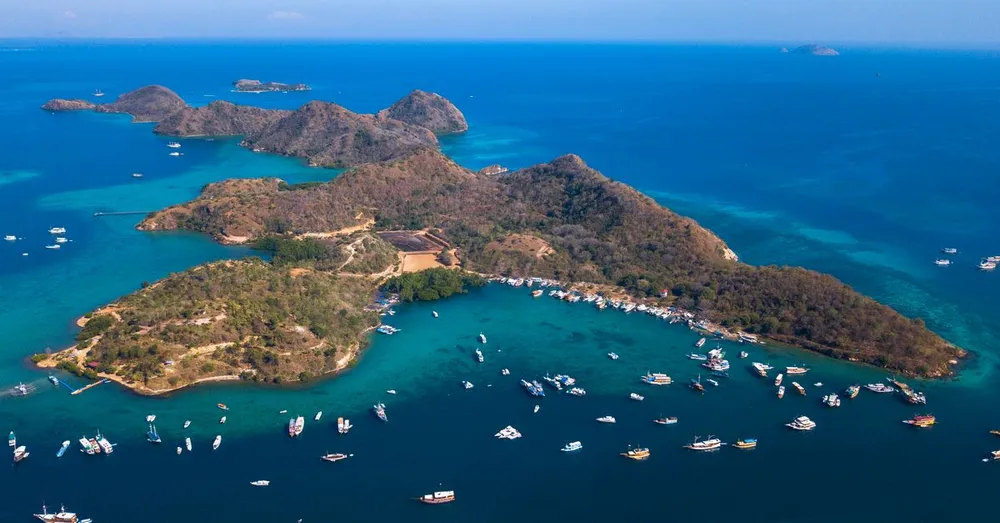
For nearly a century, French Guiana was a land of banishment where the Republic sent tens of thousands of convicts. The “Cayenne penal colony,” the Salvation Islands and the grim Devil’s Island where Alfred Dreyfus was held now belong to a heritage of remembrance that you can explore with respect. Here is the story of this penal system, what remains of it, and how to visit these emotionally charged places during your stay.
What was the penal colony of French Guiana?
The phrase “Cayenne penal colony” is in fact a shorthand. It refers to the entire French colonial penal system established in French Guiana, which was by no means confined to the capital. This system was created by an 1854 law, following on from Napoleon III’s decree, and rested on two distinct regimes:
- Transportation, which applied to convicts sentenced to hard labour.
- Relegation, introduced in 1885, which targeted repeat offenders convicted of minor recurring crimes and sent to French Guiana once their sentence had expired.
To this was added deportation, reserved for certain political prisoners, the most famous of whom were sent to the Salvation Islands. The Guianese penal colony operated from 1852 — the date of the first convoys — until its official abolition. The law ending transportation was passed in 1938, but the Second World War interrupted the process; the last convicts did not actually leave French Guiana until the late 1940s, and the penal administration did not finally close until the early 1950s. The range often cited for the period of real convoy activity is 1852–1946.
In all, it is estimated that roughly 70,000 to 80,000 convicts were sent to French Guiana over the entire period. Many never came back.
The “dry guillotine”: where does the nickname come from?
The penal colony of French Guiana was nicknamed the “dry guillotine” very early on. The expression is cruel but apt: sending a man into this equatorial climate, without sentencing him to death, often amounted to condemning him all the same. Malaria, yellow fever, dysentery, exhaustion from labour and malnutrition decimated the ranks of the prisoners.
One rule made the situation even worse: the “doublage”. Any transported convict sentenced to more than eight years of hard labour had, once his sentence was served, to remain in French Guiana for a period equal to that of his original conviction. Those sentenced to life or to more than eight years therefore stayed for life. This mechanism turned the colony into a trap: even once freed, the former convict remained a prisoner of the territory, without resources and often without any hope of returning to mainland France.
The Transportation Camp at Saint-Laurent-du-Maroni
While Cayenne lends its name to the penal colony in the collective imagination, the true administrative heart of the system lay to the west, at Saint-Laurent-du-Maroni, on the river bordering Suriname. This is where the ships from France arrived, after a gruelling crossing of several weeks.
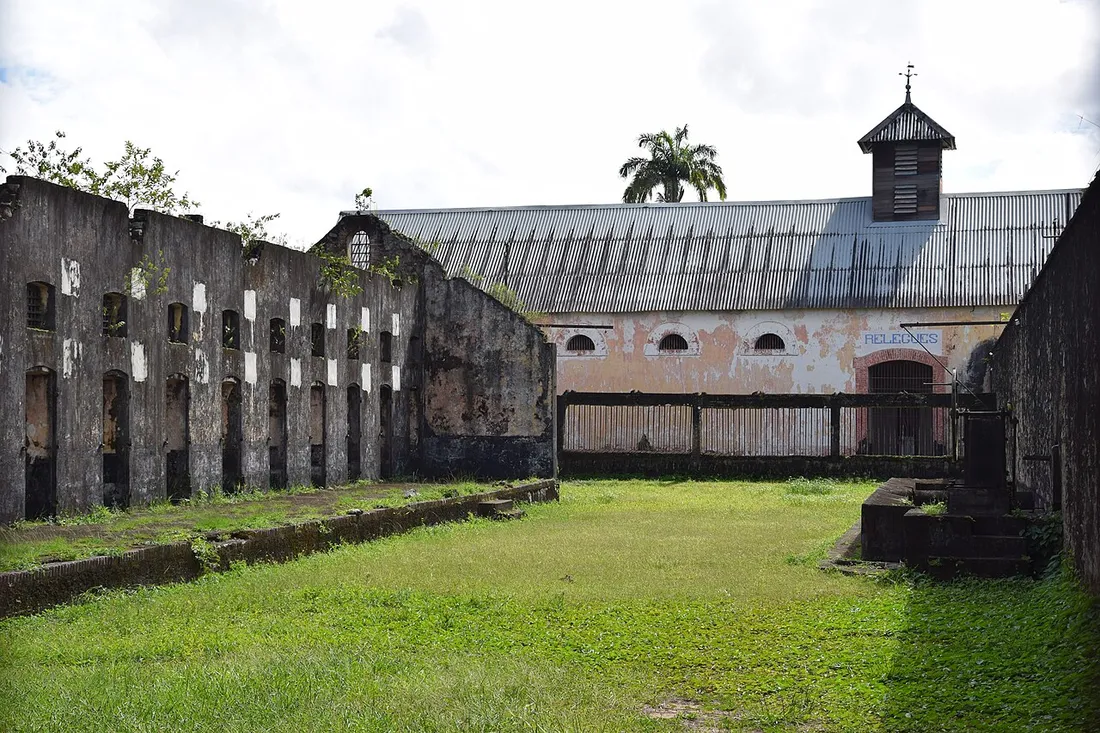
The Transportation Camp was the point of disembarkation and sorting. New arrivals were registered there, examined, and then dispatched to the colony’s various forest, agricultural or island camps. Saint-Laurent became a genuine “penal town”: its urban layout, administrative buildings and infrastructure were largely shaped by and for the penal colony.
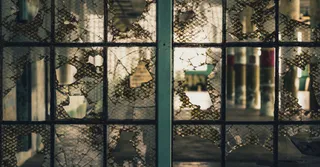
Today, the Transportation Camp is one of the best preserved and most moving sites of remembrance in French Guiana. The guided tour takes you through:
- The collective cells where the transported convicts were packed together.
- The disciplinary quarter and its individual dungeons.
- The famous cell said to be Papillon’s, which we will come back to.
- The courtyard and the remains where graffiti carved by the prisoners can still be seen.
To prepare for your trip to this region, our article on the Maroni River and Bushinengé cultures will help you understand the human and geographical context of western French Guiana.
The Salvation Islands: Royale, Saint-Joseph and Devil’s Island
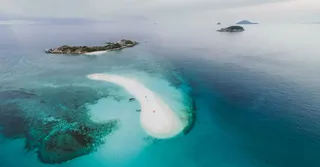
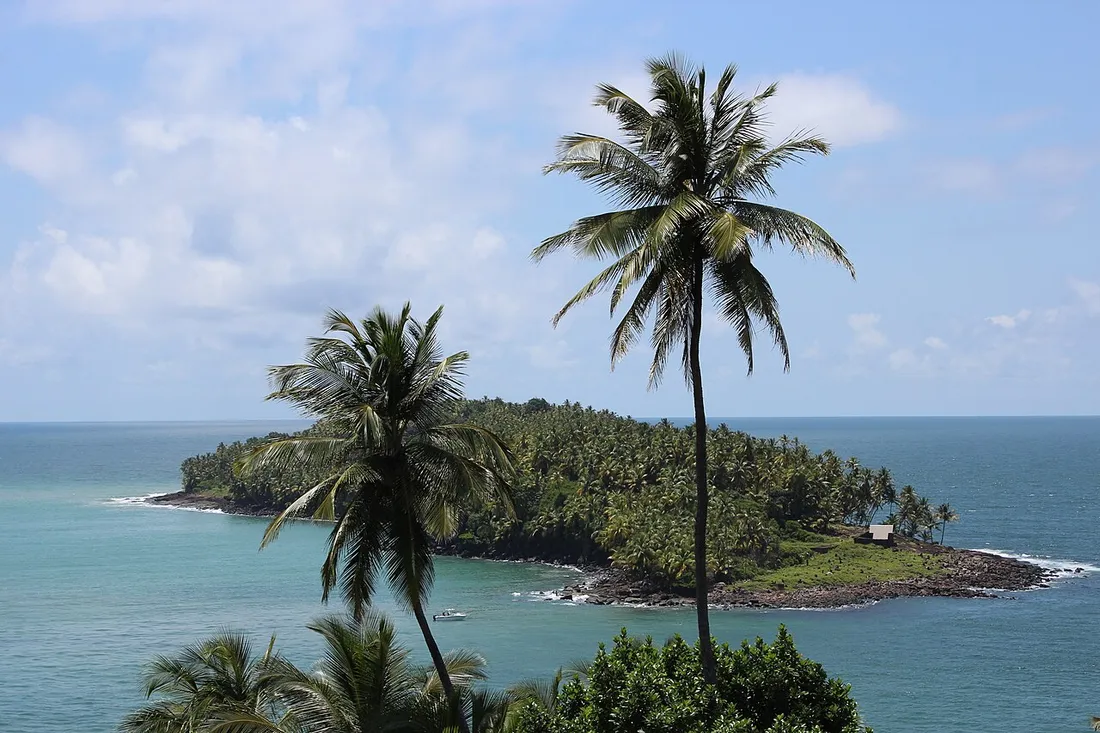
Off the coast of Kourou, around ten kilometres from the shore, lies a small archipelago with a paradoxical name: the Salvation Islands (Îles du Salut). The name dates back to the 18th century, when colonists fleeing the fevers of the mainland found a healthier air there. For the convicts, “salvation” was something else entirely.
The archipelago has three islands, each with its own purpose:
- Île Royale, the largest, housed the administration, the hospital and the ordinary-law prisoners. It is now the heart of the visit.
- Île Saint-Joseph, the most feared of all, was home to solitary confinement: total isolation, enforced silence, dungeons where the troublemakers and would-be escapees were locked away. The confinement quarter, gradually reclaimed by the tropical vegetation, gives off a striking atmosphere.
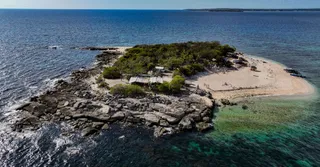
- Devil’s Island (Île du Diable), the smallest and most isolated, reserved for political prisoners.
To delve deeper into the archipelago and prepare your crossing, see our dedicated guide to the Salvation Islands in French Guiana.
Dreyfus and Devil’s Island
Devil’s Island owes its worldwide fame to one man: Captain Alfred Dreyfus. A Jewish artillery officer, unjustly accused of treason in 1894 following a trial tainted by antisemitism, he was stripped of his rank and then deported to this tiny island, where he remained imprisoned from 1895 to 1899 in conditions of extreme isolation.
The Dreyfus Affair tore France apart and gave rise to Émile Zola’s resounding “J’accuse…!” in 1898. Dreyfus was finally pardoned, then exonerated in 1906, and reinstated in the army. The small hut where he lived, his constant surveillance and his absolute isolation made this island a symbol of state injustice.
It was also on Devil’s Island that other political deportees were held for a time. The place thus crystallises a dual memory: that of the miscarriage of justice and that of political repression.
Papillon, Charrière and the legend of the escapes
No account of the penal colony has shaped the popular imagination as much as “Papillon,” the book published in 1969 by Henri Charrière. The author, a former convict, recounts his many escape attempts, the most famous of which was from Île Saint-Joseph, where he is said to have leapt into the ocean clinging to a sack of coconuts to let the currents carry him away.
This account should be approached with caution: historians agree that Charrière largely embellished his story, borrowing episodes experienced by other prisoners. The success of the book, and then the films adapted from it, nonetheless helped to make the penal colony known around the world — and to keep alive the myth of the heroic escape.
The reality was darker. The violent sea currents around the islands, the absence of any landing stage and the immensity of the forest on the mainland made escapes extremely perilous. Many of those who attempted to flee lost their lives.
Why is Devil’s Island off-limits today?
This is the question most visitors ask. Devil’s Island remains inaccessible to the public, for concrete reasons:
- The sea currents that separate it from Île Royale are particularly violent and unpredictable.
- There is no landing stage allowing a safe approach.
- In the past, a cable pulley system linked Île Royale to Devil’s Island to supply the prisoners; it is no longer in service.
You can, however, view Devil’s Island from Île Royale, across the strait. This is a powerful moment of the visit: contemplating this rocky speck where a man was unjustly confined, without being able to set foot on it, brings home the full measure of the isolation he endured.
Visiting the sites of remembrance today: our advice
Discovering the Guianese penal colony takes a minimum of planning. Here is how to organise your visit and experience it in the best possible conditions.
The Salvation Islands
- Access: the crossing is made by catamaran or boat from Kourou or the marina. Allow about an hour of sailing.
- Duration: plan for a full day to enjoy Île Royale and, depending on the options, Île Saint-Joseph.
- On site: shaded trails, remains of the penal colony, the hospital, the former guards’ quarter, and a view of Devil’s Island. Good walking shoes recommended.
The Transportation Camp
- A guided tour is strongly recommended: the guide gives meaning to the buildings and conveys the human dimension of the place.
- Plan for half a day in Saint-Laurent-du-Maroni, which you can extend with an exploration of the river.
Practical advice and attitude
- Bring water, a hat, sunscreen and insect repellent: the equatorial climate is demanding.
- Book your crossings in advance, especially in the tourist season and during launch periods at Kourou.
- These are above all sites of remembrance. Adopt a respectful attitude, as you would in any place marked by human suffering.
Many travellers combine these visits with a discovery of the capital. Our guide on what to do in Cayenne will help you round out your itinerary with history, Creole culture and nature.
Where to stay to visit the penal colony?
Most visitors set up their base camp in Cayenne, from where it is easy to reach Kourou (about an hour’s drive) to board the boat to the Salvation Islands, or Saint-Laurent-du-Maroni for the Transportation Camp. This central location lets you alternate days of visits with exploring the city.
Hostel Toucan offers comfortable, well-located accommodation in French Guiana in and around Cayenne, designed for travellers who want to explore the region at their own pace. Whether you are planning an excursion to the Salvation Islands, a trip up the Maroni or a visit to the Kourou Space Centre, you will find a practical and welcoming base.
Discover our accommodation and book your stay in French Guiana with Hostel Toucan now: you will be ideally placed to explore this land of history, remembrance and exceptional nature.